
For brands, teams, and retailers, the crewneck sweatshirt with a kangaroo pocket or set-in hand pockets is a perennial staple. It offers the comfort and warmth of a classic sweatshirt without the added bulk or style constraints of a hood. This simple design variation opens up significant versatility for uniform programs, athleisure lines, and basic apparel collections. Understanding the nuances of this style—from fabric construction to pocket placement—is critical for sourcing a product that meets your quality standards and brand promise.
This guide breaks down the key specifications, production considerations, and customization pathways for crewneck sweatshirts with pockets. Whether you’re a buyer evaluating samples or a brand launching a new line, we’ll cover what defines this garment, the practical trade-offs in material and design, and the essential details to communicate to your manufacturing partner to ensure a successful bulk order.
Defining the Style: What Makes a Crewneck with Pockets?
The core identifier is the absence of a hood, replaced by a round, ribbed crewneck collar. The pocket is the secondary defining feature, and its type significantly impacts the sweatshirt’s aesthetic, function, and production complexity. The two primary pocket styles are:
- Kangaroo Pocket: A single, large, unstructured pocket sewn into the side seams with a central opening. It’s a casual, sporty hallmark often associated with classic athleticwear. It’s simpler to construct, generally more cost-effective, and offers generous storage.
- Set-in Hand Pockets: Two separate, typically ribbed or matching-fabric pockets sewn precisely into the side seams. This style is cleaner, more tailored, and common in fashion-forward or premium Basics. It involves more precise pattern making and sewing, increasing production cost slightly.
The choice between them isn’t just aesthetic; it signals the intended market positioning. A kangaroo pocket leans into a relaxed, retro-athletic vibe, while set-in pockets suggest a minimalist, contemporary casual look. For team uniforms, kangaroo pockets are often preferred for their durability and ease of use during activity. For a branded fashion line, set-in pockets may better align with a sleek brand identity.
Fabric & Construction: The Foundation of Quality
The feel, durability, and performance of a sweatshirt are determined by its fabric blend and knit construction. As a buyer, specifying the correct fabric is your first and most important task.
- Common Fleece Blends: The standard is 100% cotton or a cotton/polyester blend (e.g., 80/20, 60/40). Cotton provides breathability and a natural hand-feel. Polyester adds durability, wrinkle resistance, and helps the garment hold its shape. For premium, heavier-weight options, a 100% cotton loopwheeled fleece is a mark of high-end Basics, though it shrinks more and costs significantly more.
- French Terry: A unbrushed knit with a smooth face and looped, terry-like back. It’s lighter, more breathable, and has a refined texture compared to traditional brushed fleece. Ideal for transitional weather or for brands targeting a lighter-weight layering piece.
- Weight (GSM): Grams per square meter dictates thickness. A 280-320 GSM fleece is a mid-weight, all-season standard. 340+ GSM is heavyweight for cold climates. Specifying GSM is non-negotiable for consistent bulk production.
Key Construction Quality Markers to Request in Samples:
- Rib Knit Density: Check the neckline, cuffs, and waistband. High-quality rib is tightly knitted, elastic, and recovers well. It should not feel thin or flimsy.
- Stitch Density ( SPI ): Stitches Per Inch. A higher SPI (e.g., 12-14) indicates finer, more durable sewing. Ask your factory for their standard SPI on main seams.
- Seam Reinforcement: Critical at stress points: shoulder seams, armholes, and pocket attachments. Look for taped seams, bar-tacking, or multiple rows of stitching, especially on kangaroo pockets which endure significant pull.
- Pocket Bag Fabric: Ensure the pocket bag is made from the same quality jersey or fleece as the body, not a cheaper, lighter secondary fabric.
For authoritative fabric standards, refer to resources from the American Association of Textile Chemists and Colorists (AATCC) for testing methods related to pilling, shrinkage, and colorfastness.
Customization Pathways for B2B Orders
This is where OEM (Original Equipment Manufacturer) and ODM (Original Design Manufacturer) services become central. Your customization scope typically falls into three tiers:
| Customization Level | What It Includes | Typical MOQ (Approx.) | Best For |
|---|---|---|---|
| Blank Garment + Decoration | Selecting a pre-made blank style from the factory’s catalog and applying your logo via screen printing, embroidery, heat press, or woven labels. | 50-100 pieces per style/color | Small teams, event-specific runs, startups testing market response. |
| Modified Standard | Taking a factory’s base pattern and modifying it: changing rib color, adding a custom pocket lining, adjusting hem length, or specifying a unique fabric blend from the mill’s options. | 200-500 pieces per style | Established brands wanting a signature detail without full tooling costs. |
| Full Custom (OEM/ODM) | Developing a unique pattern from scratch, sourcing specific fabrics/trims, and controlling all construction details. Requires pattern making and sample approval. | 500-1000+ pieces per style | Private label brands, major retailers, large sports teams with specific performance needs. |
Critical Specifications to Communicate to Your Factory:
You may also like: What Is a Good GSM for Hoodies? A Buyer’s Guide to Weight, Feel, and Performance
- Fabric: Provide GSM, fiber content (e.g., 60% cotton, 40% polyester), and fabric origin if important (e.g., “Japanese fleece,” ” sustainably sourced cotton”). Request a pre-production fabric swatch.
- Fit: Provide a reference garment or detailed measurements (chest, body length, sleeve length, shoulder drop). Specify if it’s a relaxed, regular, or slim fit.
- Pocket Details: Type (kangaroo vs. set-in), pocket bag fabric (same as body? contrast?), pocket lining (none, brushed, mesh?), and precise pocket placement measurements from the neckline and side seam.
- Trims: Rib knit composition/color, label type (twill, satin, printed), and any branding on tags.
- Color: Use a standardized system like Pantone TCX for fabric colors. Provide the exact color code, not just a name like “navy.”
Use Cases & Market Applications
The hoodless design with pockets makes this sweatshirt uniquely versatile:
- School & Corporate Uniforms: The clean chest allows for large, unobstructed embroidery or screen prints. Pockets add utility for students and staff.
- Gym & Studio Apparel: Less restrictive than a hoodie for movement during workouts or yoga. The pocket holds keys or a phone securely.
- Fashion Brand Basics: A cornerstone of a minimalist collection. Can be layered easily under jackets or worn alone. The pocket style becomes a key design signature.
- Team Merchandise: For fan gear or team-issued gear, the crewneck is often preferred over a hoodie for its simpler silhouette and lower cost point.
- Outdoor/Workwear: When paired with a heavier fleece, the kangaroo pocket is a functional feature for cold-weather work or casual outdoor use.
Sourcing Decision Checklist
Before finalizing an order, verify the following with your supplier:
- Sample Approval: Never proceed to bulk without approving a pre-production (often “golden”) sample that includes your exact fabric, color, and construction.
- Fabric Testing: Confirm the factory conducts or provides reports for shrinkage (AATCC 135/150), pilling (AATCC 118), and color fastness (AATCC 61/8) if performance is critical.
- MOQ Clarity: Understand if the MOQ is per style, per color, or per shipment. Ask about cost breaks at higher volumes.
- Lead Time: Standard lead time is 6-10 weeks after sample approval and fabric sourcing, but can vary. Factor in time for freight and customs if shipping internationally.
- Quality Control Plan: Discuss their in-line and final inspection process. Who inspects? What are the AQL (Acceptable Quality Limit) standards? Consider hiring a third-party inspection service for large orders.
- Compliance: Ensure the factory adheres to relevant standards (e.g., ISO, WRAP, BSCI) if ethical sourcing is part of your brand’s commitment. Ask for their certificates.
Final Considerations: Balancing Cost, Quality, and Brand Fit
The “sweatshirt with pockets, no hood” sits at a fascinating intersection of function and form. From a sourcing perspective, the decisions cascade: a heavy 14-ounce fleece with a kangaroo pocket targets a value-conscious team market, while a lightweight 250 GSM French Terry with subtle set-in pockets targets a high-end fashion retailer. The pocket style, rib quality, and fabric hand are the tactile details that define perceived value.
Your most powerful tool is a detailed, specific tech pack—a document containing your design sketches, measurements, fabric specs, trim callouts, and construction notes. The more precise you are, the less room there is for costly interpretation errors. Remember, the cheapest sample is rarely the best long-term value if it compromises on stitch density, fabric weight, or pocket reinforcement.
Ready to Source Your Custom Crewneck?
Navigating fabric options, construction details, and minimum order quantities can be complex. Our team specializes in turning your design vision into a manufactured reality, from initial concept through to bulk delivery. We guide you through fabric selection, pattern development, and quality assurance to ensure your custom sweatshirts meet your exact standards.
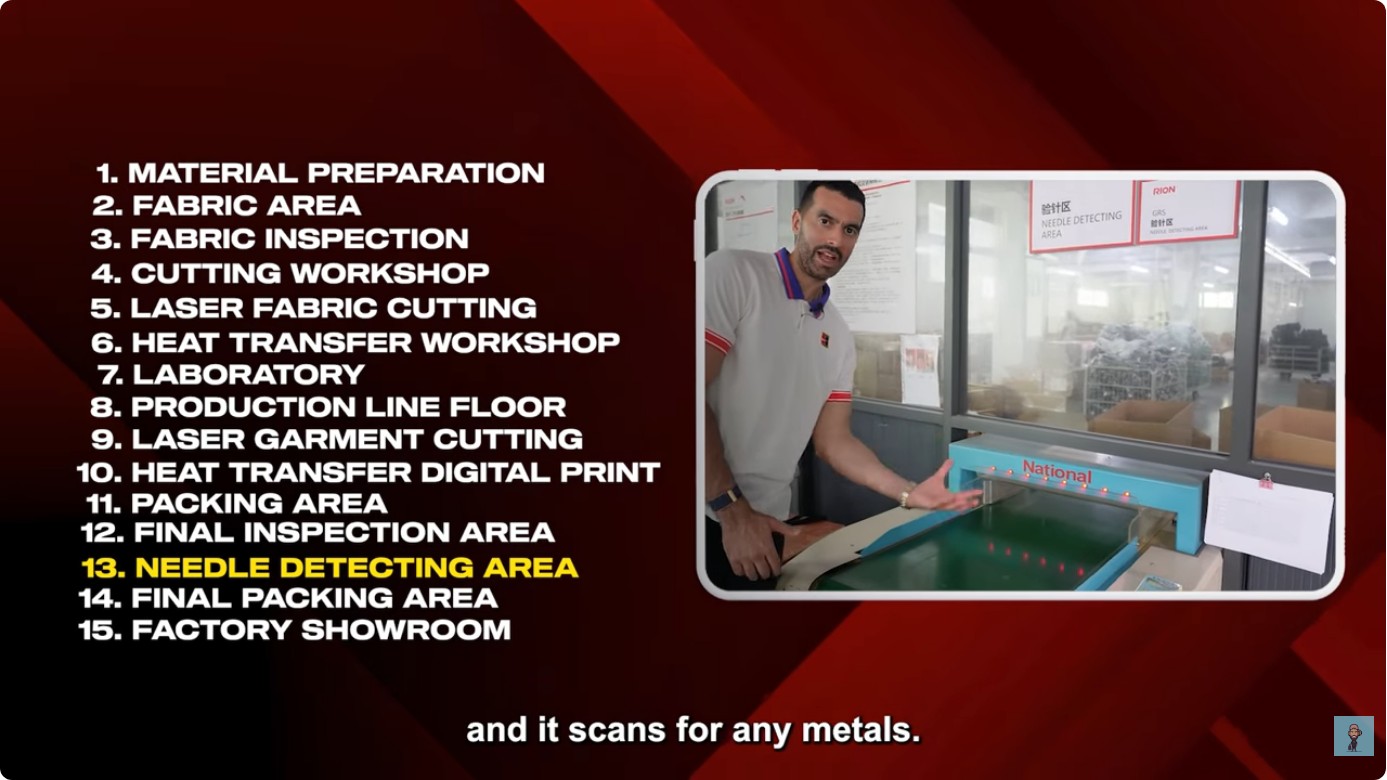
Planning to add these styles to your collection? We produce custom versions with your branding, fabric choice, and sizing — from sample to bulk. Contact our team for details.
[…] More advice: Sourcing Guide: Crewneck Sweatshirts with Pockets (No Hood) […]