
When the term “Italian sportswear manufacturer” comes to mind, many envision high-fashion athletic wear—technical fabrics, sleek silhouettes, and premium price tags. While Italy certainly excels in luxury activewear, its manufacturing landscape is far more diverse and accessible than that singular image suggests. For wholesale buyers, emerging fashion brands, gyms, and sports teams, Italian factories represent a compelling blend of heritage craftsmanship, advanced textile innovation, and scalable production capacity. This guide cuts through the assumptions to explore what partnering with an Italian sportswear manufacturer truly entails, from the practicalities of OEM/ODM services to the tangible markers of quality that matter for your bottom line.
Whether you’re sourcing 500 custom hoodies for a local running club or developing a full private-label activewear line, understanding the Italian manufacturing ecosystem is key to a successful partnership. We’ll break down the core product categories, the critical questions to ask, the production realities (including MOQs and lead times), and how to navigate the trade-offs between cost, speed, and bespoke detail. The goal is to equip you with a clear framework for evaluating and selecting the right manufacturing partner in Italy.
What Defines an Italian Sportswear Manufacturer?
The “Made in Italy” label carries significant weight in global apparel markets, but its meaning varies by factory. At its core, Italian sportswear manufacturing is built on a foundation of textile expertise. The country is home to some of the world’s most advanced fabric mills (like those in the Biella and Como regions) and a deep network of skilled technicians and pattern makers. This doesn’t automatically mean every factory produces only haute couture-level pieces. Many specialize in high-performance technical wear, others in classic basics, and many offer full OEM (Original Equipment Manufacturer) and ODM (Original Design Manufacturer) services.
From a sourcing perspective, the Italian advantage often lies in:
- Proximity to Innovation: Direct access to cutting-edge fabric developments in moisture-wicking, compression, sustainable blends, and smart textiles.
- Construction Precision: A cultural emphasis on clean finishes, precise seam work, and attention to detail that elevates even simple garments.
- Design Collaboration: Many manufacturers have in-house design teams capable of turning a sketch or tech pack into a refined, production-ready sample (ODM).
- Flexible Scale: While some factories focus on luxury-small runs, many are equipped for medium-volume production (e.g., 500-5,000 units per style), which is ideal for growing brands.
Common Product Categories in Italian OEM/ODM
Italian factories commonly produce the full spectrum of activewear. Your sourcing options typically include:

- T-Shirts & Tanks: From heavyweight cotton jersey for streetwear to ultra-light polyester for performance. Customization often includes neckline finishes, hem treatments, and subtle branding placements.
- Hoodies & Sweatshirts: A strength area, with expertise in French terry, fleece, and brushed cotton. Key differentiators are rib quality, kangaroo pocket construction, and drawstring systems.
- Tracksuits & Joggers: Full suit production requires consistent fabric matching and precise paneling. Italian makers excel at matching sets with flawless color and texture consistency.
- Cargo Pants & Tactical-style: Production of garments with multiple pockets, reinforced seams, and technical fabrics (like ripstop or stretch canvas) is common, serving both fashion and functional workwear markets.
- Compression & Base Layers: Requires expertise in seamless knitting or precise panel construction with high-stretch fabrics. This is a technical segment where Italian engineering shines.
- Outerwear & Jackets: From softshell to quilted puffer vests, often involving more complex assembly, insulation mapping, and waterproof seam sealing.
Sourcing Considerations: What to Evaluate Before You Commit
Choosing an Italian manufacturer is not just about geography; it’s about aligning their capabilities with your project’s specific needs. A systematic evaluation prevents costly mismatches.
1. Clarify Your Production Model: OEM vs. ODM
This is your first and most critical decision point. The approach you take dictates the entire workflow and cost structure.
| Factor | OEM (You Provide Design) | ODM (Factory Provides Design) |
|---|---|---|
| Best For | Brands with complete, finalized tech packs, patterns, and fabric specs. | Brands or retailers with a style concept but lacking in-house design capacity or seeking faster time-to-market. |
| Control Level | High. You direct every detail from fabric weight to stitch type. | Moderate. You select from the factory’s existing styles or request modifications to their base patterns. |
| Development Cost | Higher upfront (pattern making, sample creation from your specs). | Often lower or included in sampling, as patterns are factory-owned. |
| Minimum Order Quantity (MOQ) | Can be higher, as unique patterns and fabrics require setup. | Frequently lower, as factories use their standard lines and existing fabric rolls. |
| Intellectual Property | You own the final pattern and design. | The factory typically retains rights to the base pattern; you license the modified version. |
Practical Tip: If you’re a startup with a clear vision but no technical drawings, seeking an ODM partner is often the most efficient path. If you’re an established brand protecting a proprietary design, OEM is non-negotiable. Many factories offer a hybrid: they will OEM your design but provide ODM-style suggestions for construction efficiency.
2. Decoding Quality: What to Look for in Samples and Factory Audits
“Italian quality” is a vague promise. You must define it in measurable terms. When reviewing samples or visiting a facility, verify these elements:
- Fabric Sourcing: Ask for the mill name and fabric composition certificates. Reputable factories use suppliers like OEKO-TEX Standard 100 or similar for safety. Feel the fabric’s hand, density, and recovery. Is it consistent batch-to-batch?
- Seam and Stitch Quality: Examine the inside of the garment. Are seams neat, with no loose threads? Are lockstitch or coverstitch seams used appropriately for stress points? For performance wear, check for flatlock or bonded seams to prevent chafing.
- Trim and Hardware: Zippers (YKK, SBS are industry benchmarks), elastic bands, and labels should feel premium and function smoothly. For hoodies, is the drawstring system secure and adjustable?
- Color Matching: Ensure the sample color matches your Pantone or physical reference across all components (fabric, rib, tape). Italian dyers are excellent, but communication is key.
- Sizing Consistency: Measure multiple samples from the same batch. Grading from sample to production size should be mathematically sound without distorting the garment’s fit.
3. Navigating MOQs, Lead Times, and Costs
Italian manufacturing is not the cheapest option globally, but it offers a strong value proposition in quality and reliability for medium volumes. Here’s a realistic breakdown:
Also read: From Sketch to Sample: How Effective Clothing Design Drawings Drive Custom Sportswear Production
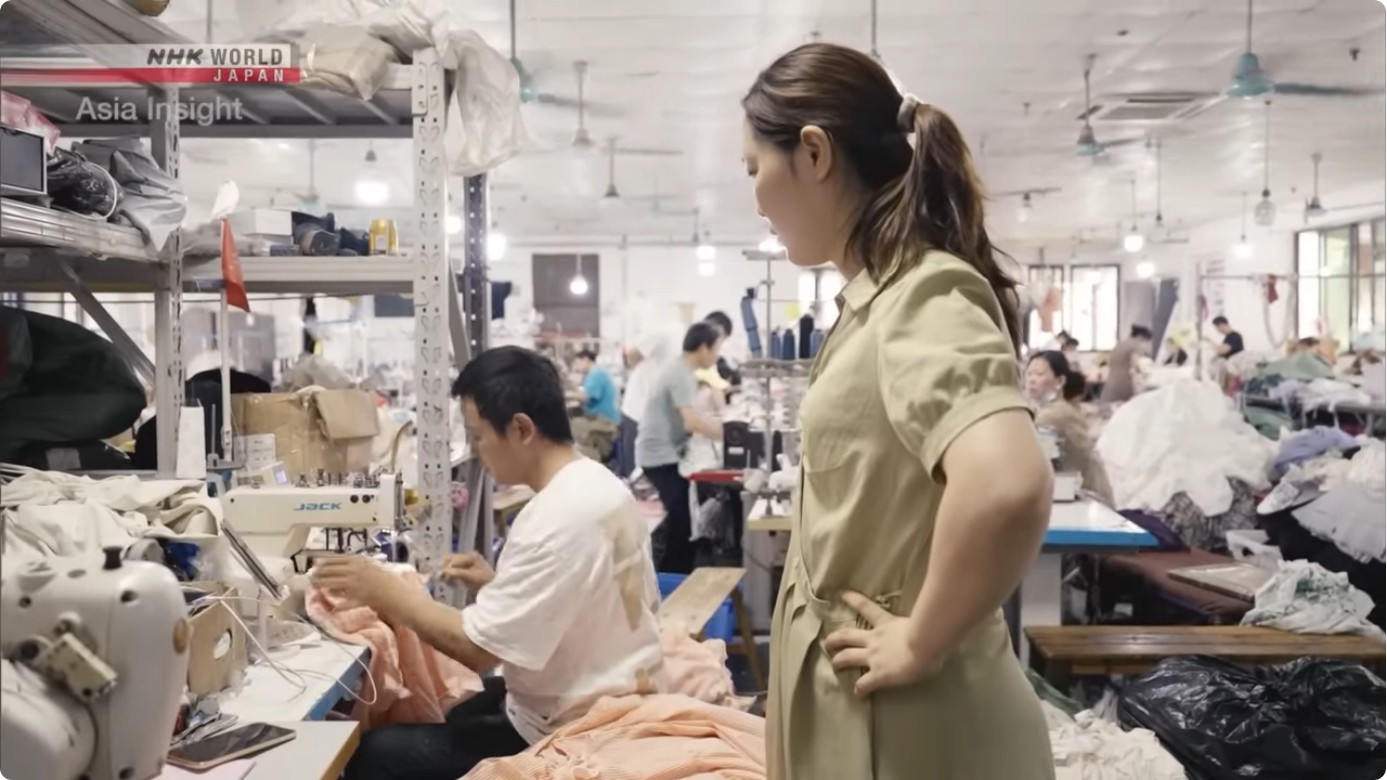
- MOQs: These vary dramatically. A small, specialized workshop might have an MOQ of 50-100 units per style. A larger, more automated plant may set MOQs at 500-1,000. For ODM using their stock fabrics and patterns, MOQs can be 30-50% lower than for pure OEM with custom textiles.
- Lead Times: From approved sample to production delivery, expect 8-16 weeks for a first order. This includes fabric sourcing, cutting, sewing, finishing, and quality control. Subsequent orders in the same style are typically faster (4-8 weeks).
- Cost Structure: A unit price is a sum of: fabric cost, labor rate (higher in Italy than Asia), trim, development/sampling fees (often amortized), and factory margin. Always request a detailed cost breakdown. A seemingly high unit price might include superior fabric or more sewing operations than a competitor’s quote.
Key Trade-off: You are often trading absolute lowest unit cost for reduced risk—lower chance of quality failures, better communication (language/ cultural nuance), shorter supply chains for EU-based brands, and stronger IP protection. For many brands, this trade-off is justified at order volumes of 500+ units.
Production Realities: The Italian Supply Chain in Action
Understanding the workflow helps set realistic expectations. A typical custom order proceeds as:
- Design & Tech Pack Submission: You provide detailed sketches, fabric specs, and construction notes. For ODM, you select from the factory’s catalog.
- Sample Development: The factory creates a first sample (often called a “prototype” or “counter sample”). This stage may involve 2-3 revisions. Costs for this stage are typically billed separately or deducted from the final order.
- Approval & Pre-Production: You sign off on the “approved sample.” The factory then sources bulk fabric (often a 10-15% overage for waste), creates graded patterns, and prepares cutting markers.
- Production: Sewing occurs in organized lines or work cells. Quality controllers typically check garments at multiple stages: post-cutting, during sewing, and before final packing.
- Quality Control &> Shipping: A final random inspection (often AQL 1.0 or 1.5 standard) is performed. Goods are packed per your specifications and shipped via sea or air to your designated freight forwarder.
Communication is Paramount: Successful partnerships hinge on clear, written (email) communication. Confirm all details in writing: fabric codes, color standards, placement of logos (with precise measurements), packaging instructions, and Incoterms (e.g., FOB Milan, EXW Factory). Misunderstandings at this stage are the primary cause of sample reworks and production delays.
Who Is Italian Sportswear Manufacturing Best For?
This model isn’t for everyone. It’s an optimal fit for:
- Mid-tier fashion & activewear brands selling at $50-$150+ retail points, where product quality is a core part of the brand story.
- Premium gyms, yoga studios, and elite sports teams needing uniforms that reflect a high-end membership and withstand rigorous use.
- European and North American businesses wanting to reduce long lead times and carbon footprint associated with Asian production, and value EU labor and environmental compliance standards.
- Brands launching a first collection with an ODM partner to validate the market before investing in proprietary patterns and large minimums.
It may be less suitable for: Ultra-fast fashion requiring sub-$15 retail prices and 4-week turnaround, or for first-time buyers with orders under 100 units unless specifically targeting a small-batch specialist.
What Should You Ask Your Manufacturer?
Before finalizing a partnership, use this checklist. Your answers will reveal the factory’s true capabilities and reliability:
- Can you provide examples of past work for brands similar to mine? (Request contact references if possible).
- What is your standard MOQ for this garment, and can it be negotiated for a first order?
- Do you source fabrics from specific Italian or European mills? Can you provide mill certificates for sustainability and composition?
- What is your sample policy? What is the cost, and is it deductible from the production order?
- What is your typical defect rate, and what is your process for handling defective goods in a shipment?
- Do you have experience with the specific certifications I may need (e.g., REACH compliance, specific ISO standards)?
- Can you handle all special processes in-house (e.g., dye-sublimation printing, custom labeling, specialty packaging), or do you outsource?
- What are your payment terms for samples and for production? (e.g., 30% deposit, 70% before shipment).
If you’re looking to source or customize any of the styles mentioned above, our factory offers low MOQ OEM/ODM production with full sampling support. Get a free quote today.