

Custom Fishing Apparel Manufacturer
OEM & ODM fishing apparel for fishing brands, guides, charter operators and outdoor retailers in 30 countries. In-house knitting, cut-and-sew, sublimation and QC — from sketch or tech pack to labelled, packed cartons.
Fexwear is a custom fishing apparel manufacturer producing OEM and ODM shirts, polos, shorts, jackets and accessories for fishing brands, guides, charter operators and outdoor retailers in 30 countries. Founded in 2010, we run our own in-house knitting, cut-and-sew, sublimation and quality-control lines, and we take a fishing apparel programme from a rough sketch or a finished tech pack all the way through to labelled, packed cartons — with minimum order quantities starting at 10 pieces.
Fishing apparel is outdoor apparel with one brutal requirement: it has to survive a full day in direct sun, on a boat, next to salt water. A garment that is comfortable at 8am can be unusable by 2pm. Three things follow from that, and they drive every specification on this page. The fabric has to manage sweat and dry fast, because a wet cotton shirt at midday is the reason most anglers stop fishing. The garment needs anti-UV protection, because the exposure is hours rather than minutes. And anything reflective is not a style decision — it is a safety decision for anyone launching a boat at dusk or fishing in low light.
This guide covers what we actually run across the four core families, the fabric constructions that work in sun and salt, the decoration and trim decisions that survive the environment, sizing, minimum order quantities, and the questions buyers ask most.
Fishing Apparel We Manufacture
Four core families, all produced in-house with your artwork, colours and labels.

Shirts & Polos
Fexwear specializes in crafting high-quality fishing polo shirts, custom fishing hats, and apparel. The polo is the workhorse of this category: collared, long-sleeved or short, and specified with an anti-UV finish and a quick-dry body.

Shorts & Pants
Send us your designs, and we’ll create something unique just for you. Whether you’re looking for a board-short style, a cargo short built for the water, or a longer pant for wading, the details are in the trim.

Jackets & Hoodies
Our custom fishing apparel program is designed to deliver ultra-premium products tailored for the demands of the water, with water-resistant shells and sun-protective layers for long days offshore.

Accessories
Our fishing experts select the most innovative rods, reels, fishing accessories, and more. We offer a curated range of equipment alongside the apparel, so a brand can source a range rather than just a garment.
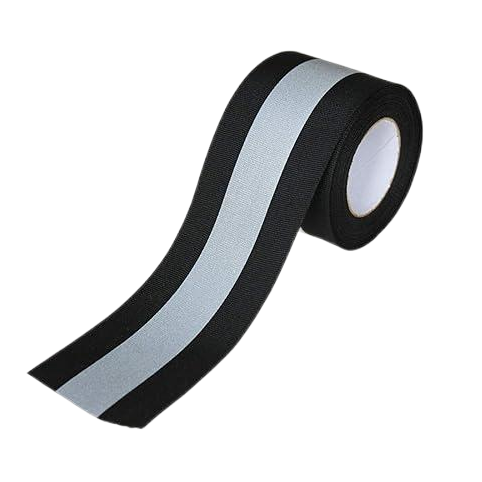
Side Panels Reflective Piping
Side panels enhance comfort and flexibility. Reflective piping ensures you remain visible in low-light conditions, which matters for anyone on the water at dusk.
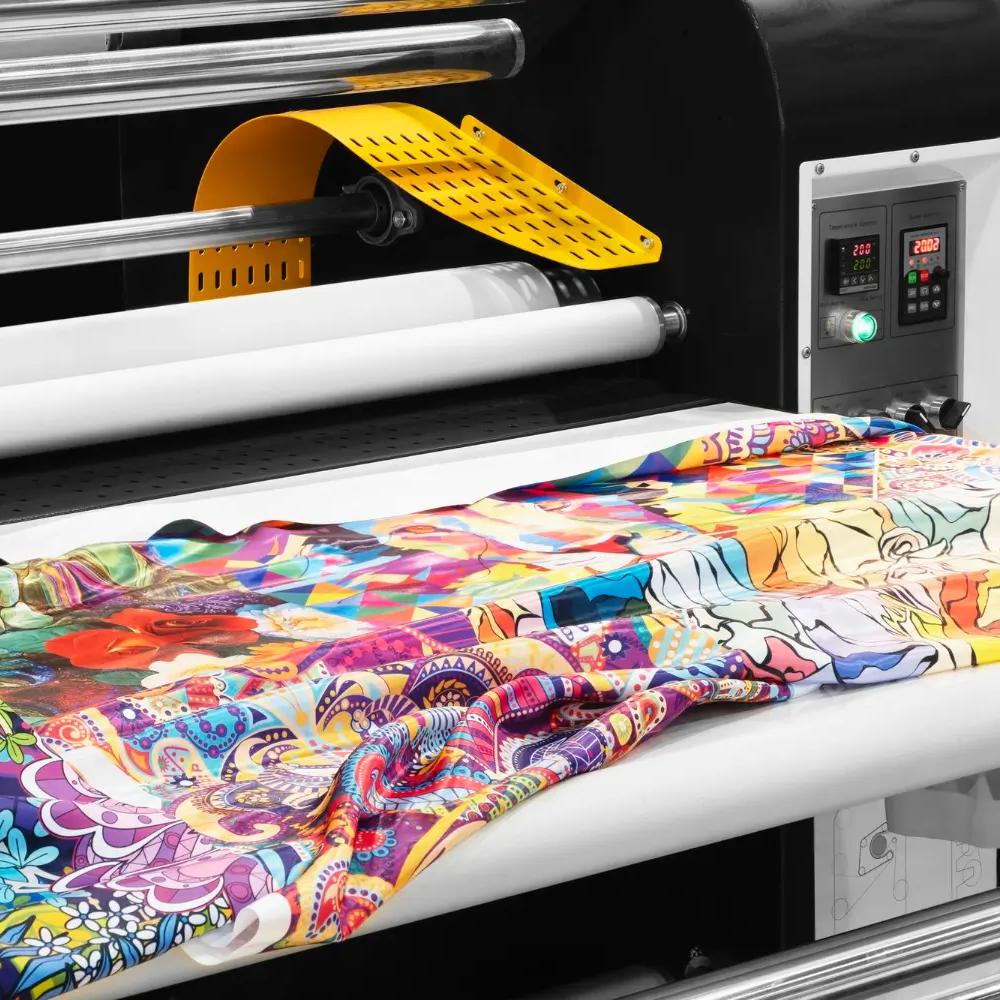
Print Methods
Both screen printing and sublimation options are available. Sublimation provides a more natural appearance while screen printing holds colour well on heavier knits.
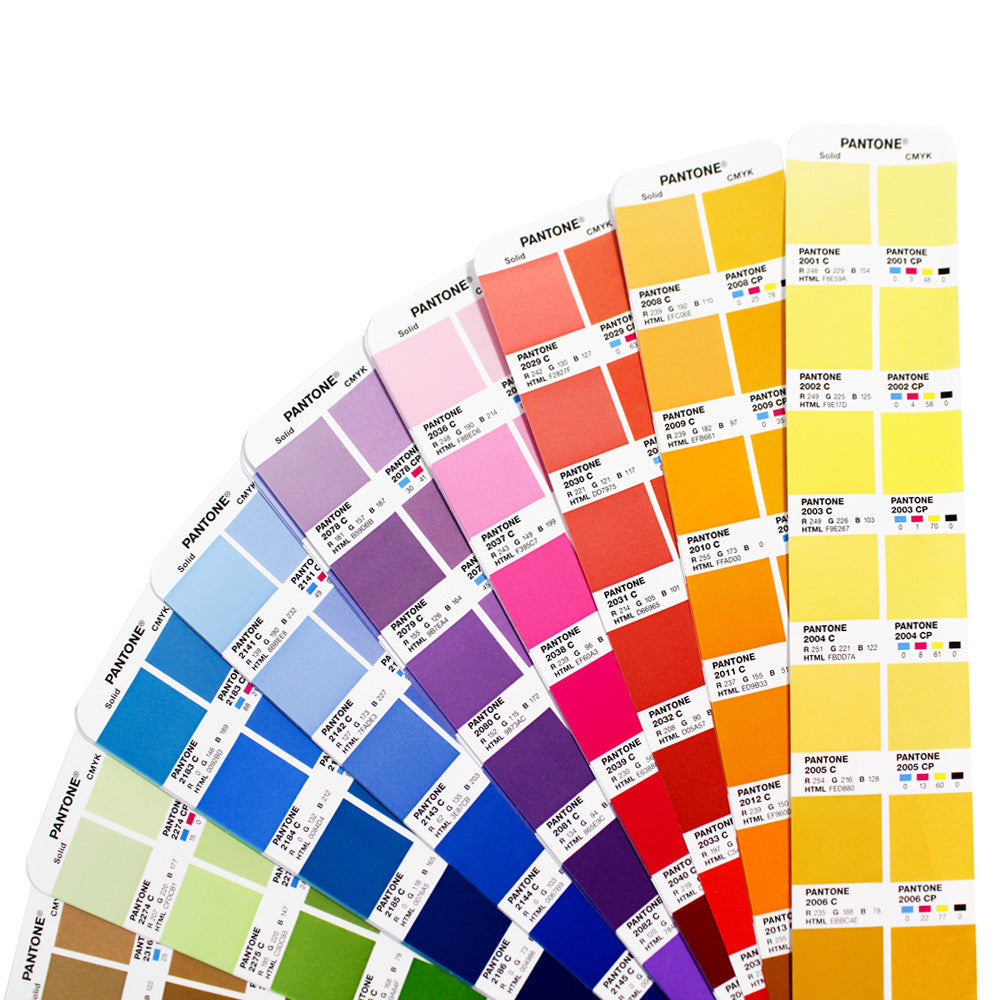
Pantone Matching
Custom-made fishing apparel featuring dyed fabric based on your Pantone color, printed to match your specification exactly.
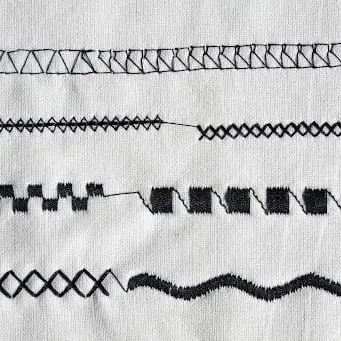
Stitching Methods
Explore various stitching options for high-performance fishing apparel. Flatlock and cover stitching give a clean finish that survives salt water and repeated washing.
Fishing Fabric Specifications: UV, Quick-Dry and Salt Resistance
Core fishing fabrics
Micro Poly Performance Fabric
Our 100% polyester quick-dry, moisture-wicking fabric efficiently pulls sweat away from your body, and a micro-poly construction is the right default for a fishing polo or a technical shirt. It is the combination of moisture-wicking, front slide pocket, micro poly performance fabric, quick dry and reinforced athletic stitch that makes a fishing shirt work rather than merely exist. The elastane versus nylon trade-off applies if you want stretch: 15–20% elastane gives a better fit while keeping the quick-dry behaviour.
UPF 40+ polyester and nylon
An angler is exposed to direct sun for hours, which makes anti-UV the one finish in this category that is not optional. Specify UPF 40+ explicitly rather than assuming it, and check the colour: a pale yellow or white shirt reflects heat but a dark navy absorbs it, and the fabric protects the skin either way while the garment itself gets hot. Our fabric selection guide covers how to spec these without over-ordering.
Nylon-spandex and abrasion-resistant blends
Shorts and pants for fishing take a different abuse than shirts: they get caught on tackle, brush, and boat edges. A nylon-spandex or abrasion-resistant blend outlasts a cotton-rich short by a season, and it drains rather than holding water, which is the difference between a wet garment that weighs nothing and a wet garment that weighs a kilo.
Water-resistant shells and UV mesh
For a fishing jacket, specify a lightweight nylon shell with a DWR finish and taped seams rather than a coated fabric that cracks at the fold lines after a season in a dry bag. For a sun hoodie, a loose UV mesh is the answer — it is ventilation rather than insulation that matters on the water.
Finishes worth specifying
Anti-UV / UPF 40+
The defining finish of this category. Specify it explicitly and ask what the rating is, because a garment with no UPF rating is the most common shortcoming we find in fishing apparel samples.
Moisture-wicking & quick dry
Pulls sweat into the fabric and dries quickly afterwards. This is what makes a shirt wearable from 8am to 2pm rather than only in the morning.
Water-resistant (DWR)
For jackets and pants. Specify a DWR finish and taped seams rather than a coating, which cracks at the fold lines after a season.
Certified fibres
Recycled polyester (rPET) is increasingly common in this category because outdoor brands are held to a higher sustainability standard. We hold BSCI, WRAP, SEDEX and SMETA for labour and social audit, OEKO-TEX for material safety, and ISO-based quality management. Ask which certificate covers which fabric if a retailer needs documented sustainability credentials.
Construction, Trim and Decoration
Side panels and reflective piping
Side panels enhance comfort and flexibility, and they are the detail that separates a technical fishing garment from a polo with a logo on it. A contrasting side panel in a mesh or lighter knit gives ventilation exactly where a body generates heat while seated, which on a boat is the difference between comfortable and unbearable. Reflective piping ensures you remain visible in low-light conditions — for anyone launching a boat at dusk, wading a river at first light, or simply walking a car park after a long day. Specify it on the side panel seams and the cuff, and check its reflectivity after washing, not on the sample.
Pockets and reinforcement
Front slide pockets, and reinforcement at the stress points, are the two details that decide whether a fishing garment survives a season. A front slide pocket is specified for its closure and its depth, because a pocket a wearer cannot reach one-handed while holding a rod is a pocket that does not get used. We use reinforced athletic stitch at the pocket bag, the side seam and the hem, because those are the three places a fishing garment fails first. Our sewing stitch guide covers the stitch options.
Print methods
- Best for
- All-over panels, photographic fishing graphics and sleeve prints
- Why
- Sublimation provides a more natural appearance with no hand-feel, and it will not crack or peel in salt water or sun the way a surface print can
- Limit
- Requires polyester-dominant fabric
- Best for
- Chest logos, sponsor marks and solid-colour graphics on heavier knits
- Why
- Holds colour well on a heavier fabric, and the per-unit cost drops sharply above a few hundred pieces
- Limit
- Has hand-feel and sits on the surface, so specify a UV-resistant ink for exposed garments. Full comparison in our printing methods guide
- Best for
- Hats, bags and heavy jacket panels
- Why
- Survives the environment better than any surface decoration, and it is the only option for a cap
- Limit
- On a stretch panel, specify a backing behind the stitch so it does not puck. Our embroidery types guide covers the options
Colour matching
Custom-made fishing apparel featuring dyed fabric based on your Pantone color, printed to match your specification. In this category we also check the colour against salt water exposure, because a fishing garment that fades in one season will not be reordered. You can also submit your fishing uniform design to us online, and we will come back with feasibility and cost before sampling.
Sizing and Fit
Fit options
Relaxed / straight
A straighter body with room to move in a seated position, and the right choice for anything worn on a boat for a full day. The fit most fishing brands ask for.
Standard retail fit
Follows the body with a small ease allowance. The right choice for a brand range where the size chart is all the buyer sees.
Loose / oversized
Deliberate ease through the body, which in this category is often a function decision rather than a style one: a loose shirt covers more skin and holds a cooling airflow.
Grading and length
For a fishing shirt, specify the sleeve length and body length in the tech pack rather than relying on a fit name, because a shirt intended for a boat is often specified an inch longer in the body than a normal shirt. Shorts need a defined inseam and a specified leg opening, because a 7-inch opening and a 9-inch opening feel very different on the water. Our sizing and measurement blueprint covers what to send us, and the grading guide explains how the block is built. If you are scaling an existing fishing garment, send it and we will reverse-engineer the block rather than guess at it.
Quality Control and Compliance
Environment testing
Physical & environment tests
- Colour fastness to salt and sun — more demanding than a standard wash test, and the one that most often catches a print or trim that will not last a season.
- UV finish verification — the specified UPF rating is confirmed rather than assumed, because it is the finish customers most often discover is missing.
- Reflective trim after wash — reflectivity checked on samples after washing, not on a new sample.
- Stitch and seam audit — reinforced athletic stitch at the pocket bag, side seam and hem, checked during construction.
- Dimensional stability — samples washed and re-measured, which catches a shirt that has shrunk out of its size.
Packing & delivery
- Retail-ready packing — folded to size, polybagged, size and care labelled, and barcoded with GTIN or UPC where the market requires it.
- Range consolidation — apparel, hats and accessories can be packed in one carton, which matters when a charter operator or a brand launch has a fixed date.
- Private label support — a complete private label programme covers woven sew labels, size and care labels in your own wording, hangtags and a branded polybag.
Minimum Order Quantity and Pricing
What actually drives unit price
An anti-UV finish rated at UPF 40+ adds real cost per metre, and it is the one line in this category where economising costs the customer a season of complaints. Quick-dry and moisture-wicking are closer to standard and add less.
A micro-poly performance fabric or an abrasion-resistant nylon blend costs meaningfully more than a poly-cotton blend at the same weight, before finishing. In this category the fabric is the product.
Reflective piping on side panels and cuffs, plus YKK-grade hardware, adds a visible premium that a customer will pay for and that a generic garment does not have.
Sublimation of an all-over panel costs more than a chest screen print, but the per-unit cost falls as coverage rises.
A five-size run costs more per piece than a two-size run. Fishing ranges often sell best in two or three well-chosen sizes rather than a full spread.
Volume tiers
The drop in unit price happens in steps, not smoothly, and the biggest step is usually at a few hundred pieces per style. The wholesale buyer guide covers how buyers structure these tiers and where the real breakpoints fall. Practical advice for fishing specifically: sample the shirt in a full sun-fade test rather than only handling it, because the colour is the thing that decides whether a range gets reordered.
Order Timeline: Enquiry to Delivery
Working backwards from a season launch
We review your design, confirm the fabric and finishes, give a costed quote, and confirm what is achievable at your size run.
From sketch to sample: you send artwork or a sketch, we produce a sample for approval. Allow three to five days for a standard sample.
Samples come back with your written approval against a physical swatch, not a screen. Check the colour in daylight, because outdoor lighting is where colour disputes surface.
Knitting, cutting, sewing, printing, trim application and finishing. Two to four weeks is typical; a range including hats and accessories runs slightly longer.
AQL inspection including the environment checks, packing to your spec, and dispatch. Air freight is around a week; sea freight to Europe or the US runs three to five weeks.
Plan on roughly ten to twelve weeks from enquiry to delivery. Fishing seasons and charter calendars are fixed, so if your date is immovable, tell us in the first conversation — we would rather decline a rushed order than ship something that arrives without time for your own check.
Fishing Wear Manufacturers
What we do
- Full-service manufacturing — clothing design, material sourcing, sample making, bulk production and international shipping under one roof.
- Range capability — shirts, polos, shorts, pants, jackets, hoodies, hats and accessories from one supplier, which is what a fishing brand or a charter operator actually needs.
- Environment-led QC — colour fastness to salt and sun, UV rating verification and reflective trim checks, because that is what fails in this category.
Why buyers choose us
- MOQ from 10 pieces per style, so a fishing brand can test before it commits.
- We supply 30+ countries, with retail-ready packing and barcoding where a market requires it.
- Our activewear programme shares micro-poly fabrics and blocks, which lowers development cost on a fishing range.
- Our outerwear case study shows how a supplier relationship changes the economics of a range rather than a single style.
Frequently Asked Questions
What is your minimum order quantity?
Minimum order quantities start at 10 pieces per style and colour, genuinely per design rather than per order, so you can develop several styles at ten pieces each. Practical minimums rise once you add a full size run or several colourways. Sample cost is credited against your first bulk order.
Can you match our colours exactly?
Yes. We dye to your exact Pantone reference and check against a physical swatch under daylight viewing, because monitor colour is the most common source of disputes. Saturated shades can shift slightly between dye lots, so we recommend a lab dip for those.
What artwork file format do you need?
Vector files — AI, EPS or PDF — give the best results. For sublimation all-over prints, a high-resolution raster file at 300 dpi at final size is acceptable. We can work from a rough sketch if you are early in the process.
Can you ship to our country?
We ship to 30 countries and can arrange both air and sea freight. We produce retail-ready packing and barcodes where your market requires them, so tell us your destination in the first enquiry.
Contact Us
|
|