
For a new or growing fashion brand, the question “Where are t-shirts manufactured?” is rarely about geography alone. It’s a proxy for understanding quality, cost, scalability, and ethical compliance. The global apparel supply chain is a complex map, and your choice of manufacturing origin directly impacts your product’s feel, price point, and production reliability. This guide cuts through the broad strokes to give you the actionable intelligence needed to source custom t-shirts strategically.
We’ll move beyond simply listing countries to examine what each major manufacturing region truly means for a brand doing OEM or ODM production. You’ll learn the critical differentiators between a dedicated sportswear factory and a general trading company, and the non-negotiable factors—like lead times, minimum order quantities (MOQs), and quality control protocols—that should dictate your supplier selection.
The Global Manufacturing Landscape: More Than Just a Label
The “Made in [Country]” tag is a starting point, not the final verdict. A t-shirt’s origin influences its cost structure, technical capabilities, and logistical footprint. Here’s a practical breakdown of the key regions for custom apparel production.
Related guide: Terry Towelling Cotton: A Practical Guide to Fabric Choice, Performance, and Sourcing
Traditional Powerhouses: China, Bangladesh, Vietnam
These countries dominate global apparel output due to established infrastructure, scale, and specialized workforces.
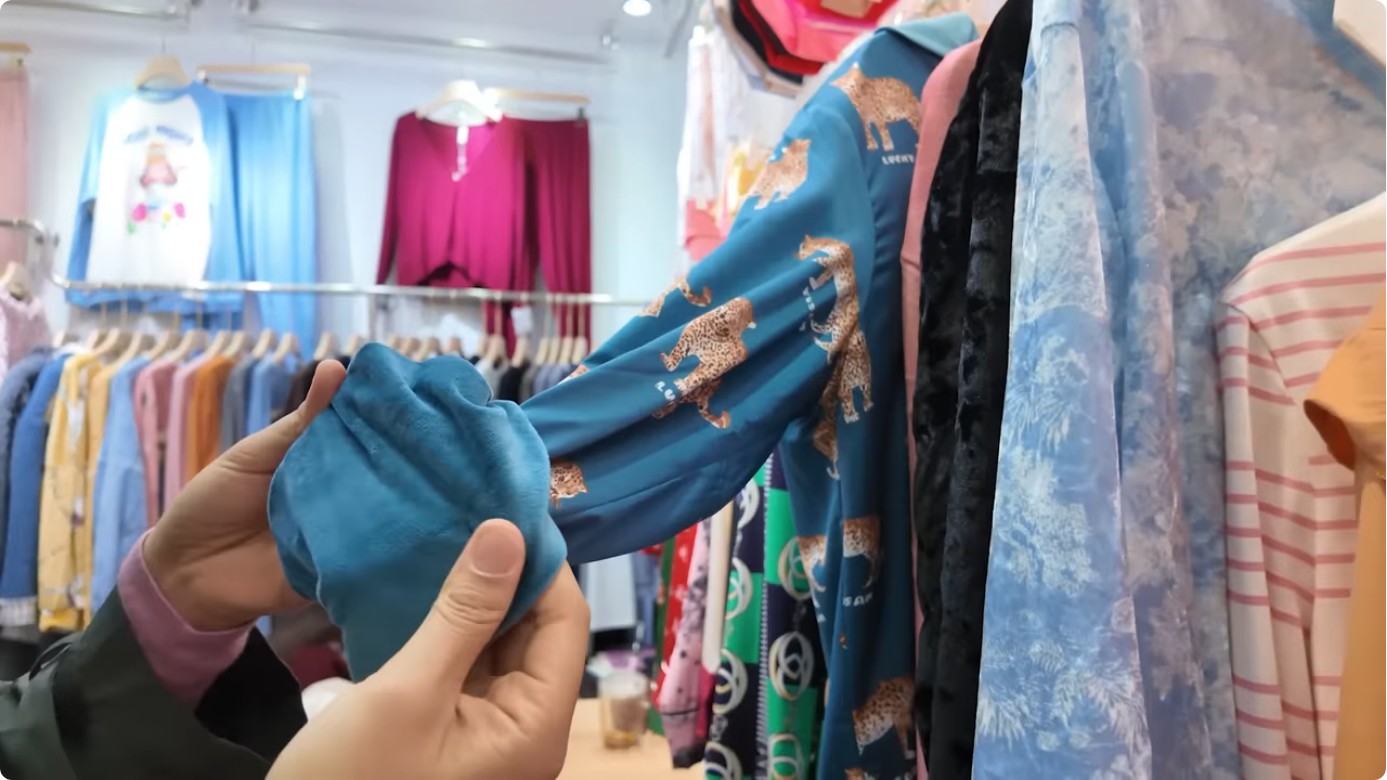
- China: Still the world’s largest apparel exporter, China offers unparalleled manufacturing depth. Factories range from massive, automated plants capable of millions of units to smaller, agile workshops specializing in high-complexity technical apparel. For brands needing sophisticated ODM services, pattern-making expertise, or rapid prototyping of performance fabrics, China’s ecosystem is hard to match. The trade-off is often higher MOQs for the best factories and longer, more complex logistics chains.
- Bangladesh: Renowned for its cost-competitiveness in basic cotton knitwear, Bangladesh has built a vast industry around high-volume, low-margin production. Its strength is in standard jersey t-shirts for fast fashion and large-volume basics. Brands must rigorously vet factories for safety and compliance, as the industry’s history includes significant workplace safety challenges. It’s less ideal for small, intricate, or highly technical custom runs.
- Vietnam: Often seen as the rising alternative to China, Vietnam combines competitive pricing with improving technical capability and a reputation for better regulatory compliance. It has a strong garment sector with significant investment from Korean, Taiwanese, and Chinese parent companies, bringing with them higher management standards. It’s a strong contender for brands wanting a balance of cost, quality, and ethical sourcing.
Strategic & Regional Hubs: Turkey, Pakistan, India, USA
These locations serve specific market needs, from speed-to-market to niche fabric expertise.
- Turkey: A major hub for European brands, Turkey offers shorter lead times to EU and US markets, strong cotton and jersey production, and a workforce skilled in garment construction. It’s excellent for mid-range pricing with good quality control, especially for basics and fashion-forward cuts.
- Pakistan: A leading producer of cotton yarn and knit fabrics, Pakistan has a robust knitting and dyeing sector. It can be very cost-effective for basic cotton t-shirts but requires diligent auditing for labor and environmental standards, similar to Bangladesh.
- India: With a massive textile industry, India offers incredible diversity—from ultra-low-cost knits in Tirupur to high-end, artisanal fabric production. Supply chain consistency can vary widely by region and factory, making strong on-the-ground partnerships essential.
- USA: For brands marketing “domestic production” or needing extreme supply chain agility, US factories are viable for smaller batches. Costs are significantly higher, but you gain shorter lead times, easier communication, and compliance with US labor laws. It’s a strategic choice for premium brands or those needing quick replenishment.
The Crucial Distinction: Factory vs. Trading Company
This is one of the most important decisions you will make. The entity you partner with determines your control over the process.
| Feature | Dedicated Manufacturing Factory (OEM/ODM) | Trading Company / Agent |
|---|---|---|
| Control & Visibility | Direct access to production lines, sample rooms, and quality teams. | Limited, second-hand information. You rely on their reporting. |
| Cost Structure | Factory price. No middleman markup. Costs are transparent. | Factory cost + their commission (often 10-20%). |
| Communication | Technical discussions with pattern makers and production managers. | Sales-level communication; technical details can get lost. |
| Problem Resolution | Can address issues on the spot with the responsible team. | Acts as a bottleneck; must relay information back and forth. |
| Scalability | Can plan capacity together for long-term growth. | May juggle multiple clients; your volume may not be a priority. |
| Best For | Brands serious about quality, consistency, and building a supply chain. | One-off, very small orders where simplicity outweighs control. |
Key Takeaway: For any brand looking to establish a reliable custom apparel line, partnering directly with a specialized factory—like a sportswear OEM—is almost always the superior path. It builds a foundation for quality, cost efficiency, and scalable partnership.
How to Vet a Custom Sportswear Manufacturer
Once you identify potential factories, your evaluation must be rigorous. Use this checklist.
- Audit Their Specialization: Do they produce mostly t-shirts and activewear? Ask for client references in your niche (e.g., gym wear, fashion streetwear). A factory that makes dress shirts and t-shirts equally may lack the specific machine setups (like coverstitch for activewear seams) and fabric knowledge you need.
- Verify Certifications: Look for recognized standards. ISO 9001 (quality management), ISO 14001 (environmental management), and WRAP or BSCI (social compliance) are key indicators of a professionally run facility. For performance wear, ask about fabric certifications like OEKO-TEX Standard 100 for harmful substance testing.
- Probe Minimum Order Quantities (MOQs): MOQs are tied to a factory’s efficiency. A 500-piece MOQ on a basic tee is standard for many Asian factories. For a new brand, negotiate a slightly higher per-unit cost for a first run of 300 pieces to test the market. Be wary of a factory with extremely low MOQs—it may indicate they are a trading company sourcing from multiple unstable sub-contractors.
- Assess Sample Quality & Process: The sample stage is your first real quality test. Evaluate the sample’s fabric hand, stitch density, seam neatness, and print/embroidery alignment. A professional factory will charge for samples and explain the costing, but will also iterate to meet your spec. Their willingness to refine is a good sign.
- Clarify Lead Times & Logistics: Get a detailed production timeline (fabric sourcing, knitting/dyeing, cutting, sewing, finishing) in writing. Understand their incoterm preference (FOB, EXW). Factor in shipping time and customs clearance. A reliable factory will build in buffer time and communicate delays immediately.
- Evaluate Communication: During your inquiry, are they asking insightful questions about your end-use, target market, and quality expectations? Or are they just quoting? Proactive communication is a predictor of smooth project management.
Trade-Offs You Must Consider
No single manufacturing location or partner is perfect. Your decision involves balancing these core factors:
Helpful tip: Is Lycra Stretchable? Understanding the Science and Application of Elastane Fibers
- Cost vs. Quality: The lowest bid often comes from the least specialized factory. Define your acceptable quality threshold first, then seek the best price within that bracket.
- Volume vs. Flexibility: High-volume factories offer low unit costs but may have rigid production schedules and high MOQs. Smaller, more flexible workshops charge more but can accommodate design changes and smaller batches.
- Speed vs. Cost: Air freight reduces lead time but triples logistics cost. A factory with a strategic location (e.g., Turkey for Europe, Central America for the US) offers a “near-shoring” compromise with better speed than Asia at a moderate cost increase.
- Ethical Compliance vs. Price: Factories with strong certifications and transparent labor practices typically have higher operating costs. This is a conscious business investment, not an optional expense for brands committed to sustainability.
Common Pitfalls for New Brand Sourcers
- Over-indexing on price per unit: Failing to include costs for prototyping, shipping, duties, and quality failures in your unit cost calculation. The landed cost is what matters.
- Vague specifications: Sending a “t-shirt like this picture” without detailed tech packs (measurements, fabric composition, stitch type, wash treatment) guarantees inconsistent results.
- Ignoring cultural/business practice differences: Decision-making and communication styles vary. Build patience into your timeline and clarify all terms in written contracts, not just email.
- No on-ground or third-party inspection: For orders above a certain value, hire an independent inspector (like SGS or Bureau Veritas) for pre-shipment checks. The cost is minimal compared to a rejected container.
Conclusion: Your Manufacturing Partner is a Strategic Asset
“Where are t-shirts manufactured?” is really the first question in a longer conversation about building your brand’s supply chain. The optimal answer isn’t a single country, but a specific factory that aligns with your product vision, business scale, and ethical standards. Whether you source from Vietnam, Turkey, or the USA, the priority is establishing a direct, transparent relationship with a specialist manufacturer who understands the nuances of sportswear construction and can grow with your brand.
Frequently Asked Questions
What is the typical MOQ for custom t-shirts from a dedicated factory?
For basic styles, MOQs often start around 300-500 pieces per style/color. For technical or performance fabrics with special dyes or knits, MOQs can be 1,000+. However, many factories, especially those in Turkey or Central America, are more flexible for first orders to build a relationship.

How long does the whole process take from sample approval to shipment?
A realistic timeline is 8-12 weeks for production in Asia, plus 3-6 weeks for ocean freight. For near-shore (e.g., Mexico, Central America, Turkey), total time can be 6-9 weeks. Always add a 1-2 week buffer for unforeseen delays in fabric sourcing or dyeing.
Should I use a sourcing agent if I’ve never done this before?
For a first-time, small-scale buyer, a reputable sourcing agent *with a focus on your specific product category* can provide valuable factory vetting and project management. However, their fee reduces your margin. The long-term goal should be to build a direct relationship with the factory they introduce you to.
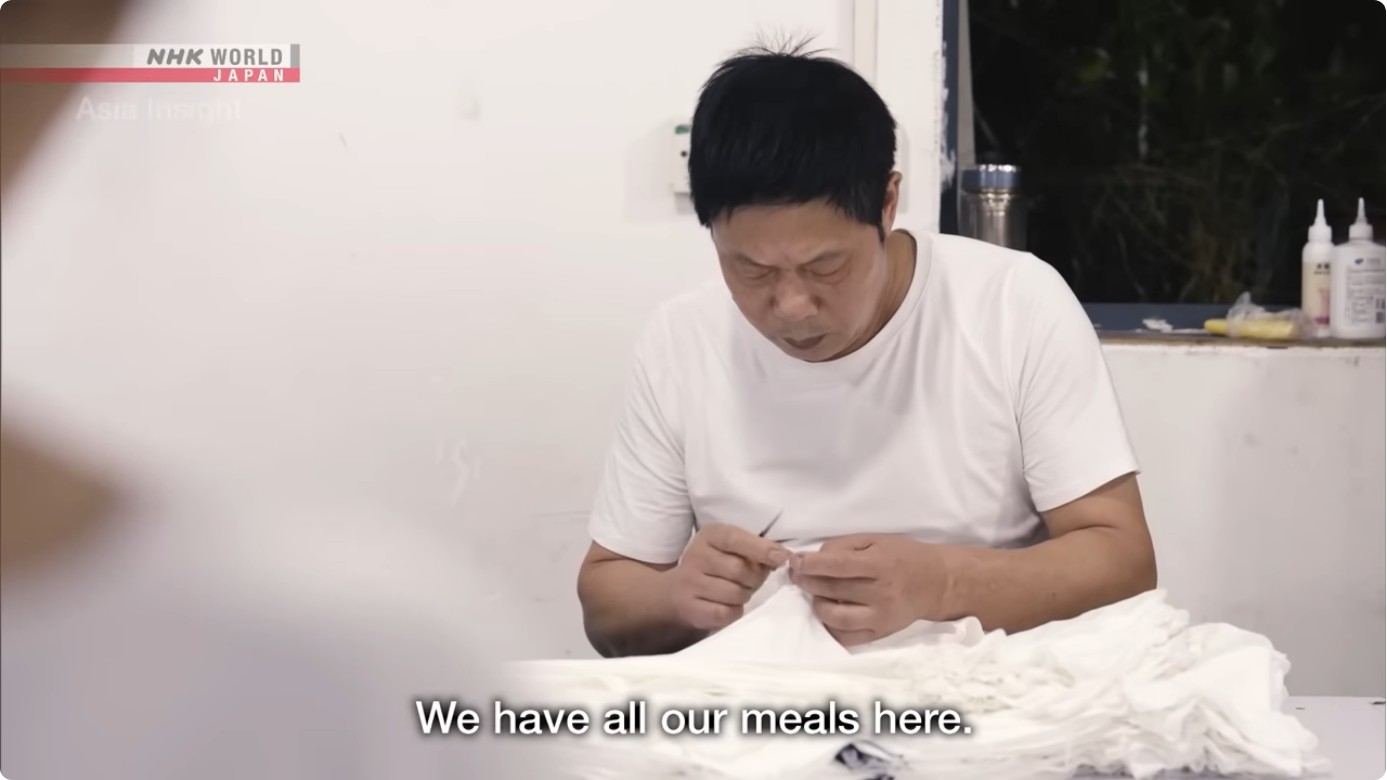
Planning to add these styles to your collection? We produce custom versions with your branding, fabric choice, and sizing — from sample to bulk. Contact our team for details.
Related guide: Royale High Halo Answers: Complete Guide to Seasonal Trivia Rewards