
For decades, L.L.Bean has defined a category of rugged, timeless outdoor apparel—think the iconic Duck Boot, sturdy canvas totes, and heavyweight flannel shirts. The term “LL Bean alternative” in the manufacturing and wholesale world doesn’t mean a counterfeit; it refers to custom-produced apparel that captures the essence, durability, and classic styling of those foundational pieces, but tailored for a different brand, price point, or specific use case. Whether you’re a gym owner needing durable hoodies, a fashion brand launching a “heritage” line, or a retailer sourcing reliable cargo pants, understanding this niche is key to a successful custom order.
This guide moves beyond simple imitation. We’ll break down what makes an L.L.Bean-style garment distinctive, how those traits translate to custom manufacturing, and the critical production decisions you’ll face. The goal is to equip you with the vocabulary and insights needed to communicate effectively with a factory and secure apparel that meets your quality and brand goals.
What Matters Most: The Core of an “Alternative”
Before diving into fabrics and stitches, identify your primary objective. For B2B buyers, an “L.L.Bean alternative” pursuit usually hinges on one of these pillars:
Helpful tip: A Buyer’s Guide to Sweater Collar Types: Style, Function, and Custom Manufacturing
- Durability & Function: You need apparel that withstands heavy use—for workwear, gyms, or outdoor teams. The focus is on robust materials and reinforced construction.
- Classic Aesthetic: You’re selling a lifestyle or heritage look. The silhouette, color palette (earth tones, navy, red), and subtle branding are paramount, often with a softer hand feel.
- Cost-Oriented Value: You aim to offer a similar look and basic functionality at a more accessible price point for your customers, which requires strategic material and construction choices.
Your position on this spectrum will dictate every conversation with your manufacturing partner, from fabric swatch selection to stitch type. You cannot optimize for all three simultaneously; trade-offs are inherent.
Deconstructing the “L.L.Bean Look”: Key Features & Customization Potential
L.L.Bean’s reputation is built on specific, replicable features. Here’s how they map to custom production:
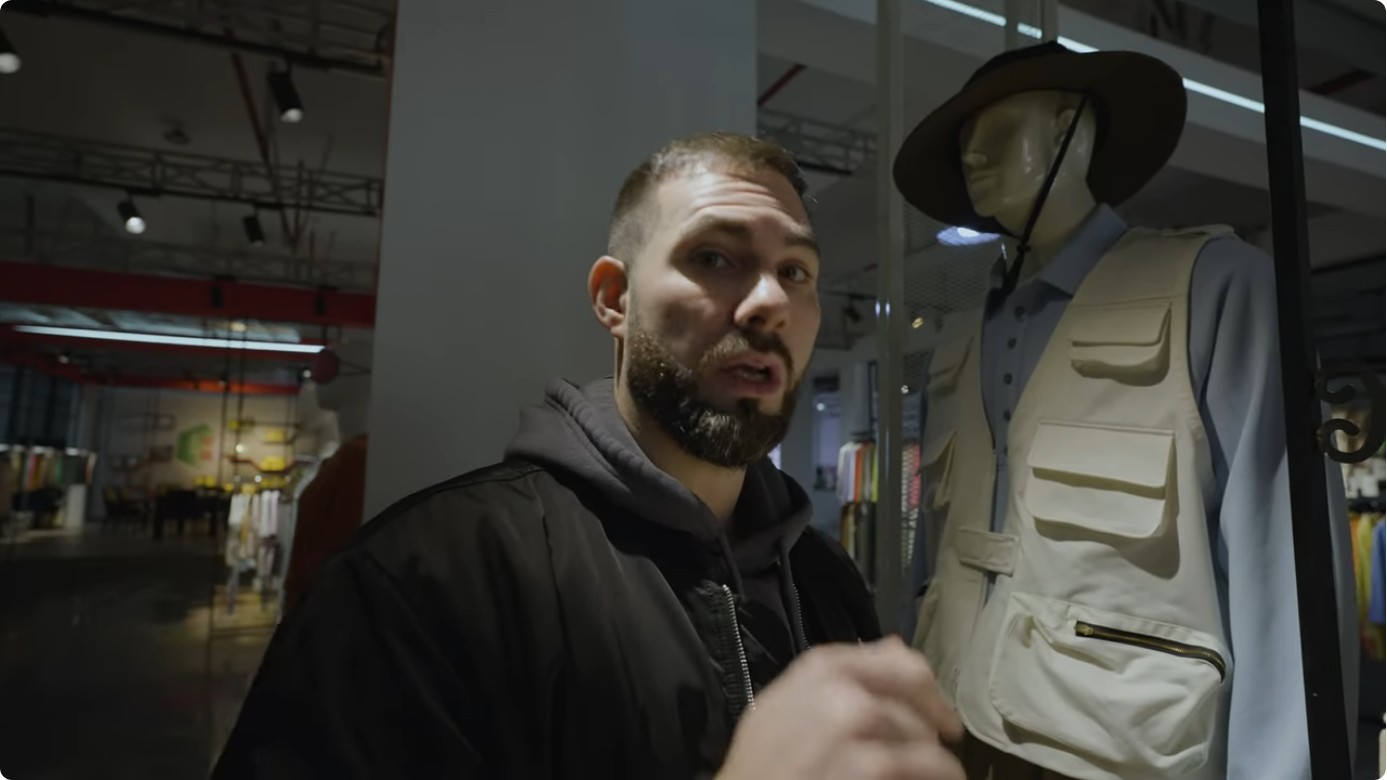
1. Fabric Weight & Composition
Heavyweight cotton canvas (often 18-24 oz/yd²) for totes and jackets, and mid-weight brushed cotton for flannels are hallmarks. For custom production:
- Canvas: You can specify ring-spun cotton for a smoother, stronger finish. A factory can source 100% cotton or cotton/poly blends to adjust cost, shrink, and wrinkle resistance. Key question: Is absolute natural fiber required, or is a blend acceptable for your market?
- Brushed Fleece/Flannel: The focus is on the nap (brushed surface). You can choose single-sided or double-sided brush, and the yarn count affects softness vs. durability. Custom mills can develop proprietary weights.
2. Construction & Reinforcements
Double-stitched seams, bartack reinforcements at stress points (pocket corners, belt loops), and sturdy hardware (YKK zippers, metal snaps) are non-negotiable for the “durable” promise.
- Custom Reality: Every reinforcement adds cost and production time. A factory will quote based on the number of bar tacks, seam types (e.g., flat-felled vs. simple overlock), and hardware quality. Be explicit: “I need bar tacks on all pocket corners and the bottom of the fly.”
- Trade-off: For a fashion-forward, lighter-weight alternative, you might omit some bar tacks or use smaller hardware, sacrificing some ruggedness for drape and cost.
3. Branding & Details
The original often features subtle, embroidered logos, leather patches, or woven labels. For your custom brand:
- Application: Embroidery is classic but costly per piece. Alternatives include printed labels (sewn-in), woven patches, or even debossing on leather patches. Your MOQ influences choice; embroidery becomes more viable at higher volumes.
- Placement: Precise placement is part of the aesthetic. Provide your manufacturer with a detailed tech pack showing exact measurements from seams for logo position. Vague instructions lead to inconsistent branding.
Manufacturing Your Alternative: OEM vs. ODM and Practical Considerations
This is where the B2B relationship solidifies. You primarily have two paths with a custom sportswear manufacturer:
- OEM (Original Equipment Manufacturer): You provide the complete design—tech pack, fabric specs, and patterns. The factory executes precisely to your blueprint. This is ideal if you have an in-house design team or a clear, specific vision.
- ODM (Original Design Manufacturer): The factory presents their existing “inspired” designs (e.g., a “Duck Boot-inspired” leather-sneaker hybrid or a “heritage canvas tote”) which you can then customize with your branding, select fabrics, and minor modifications. This is faster and less R&D-intensive, perfect for startups or brands entering a new category.
Production Realities to Discuss Upfront:
- Minimum Order Quantities (MOQs): These vary wildly by product and factory. A simple t-shirt might have an MOQ of 500 units, while a complex, multi-material jacket could be 2,000+. Always ask: “What is the absolute minimum to get my fabric and construction specifications?” Be prepared for higher MOQs for unique hardware or fabric weights.
- Fabric Sourcing: Do you provide the fabric (more control, higher cost/logistics) or does the factory source it? Factories often have trusted mills for cotton canvas and fleece. Request fabric swatches and ask for the mill’s name and composition certificates. For critical durability, reference standards like AATCC test methods for abrasion or pilling.
- Sampling is Non-Negotiable: Never proceed to bulk without an approved pre-production (PP) sample. This sample should be made with your exact fabrics, trims, and on your chosen production line. scrutinize stitch density, seam alignment, and hardware function.
The Sourcing Checklist: Questions for Your Factory
Use this list during initial consultations to avoid costly surprises.
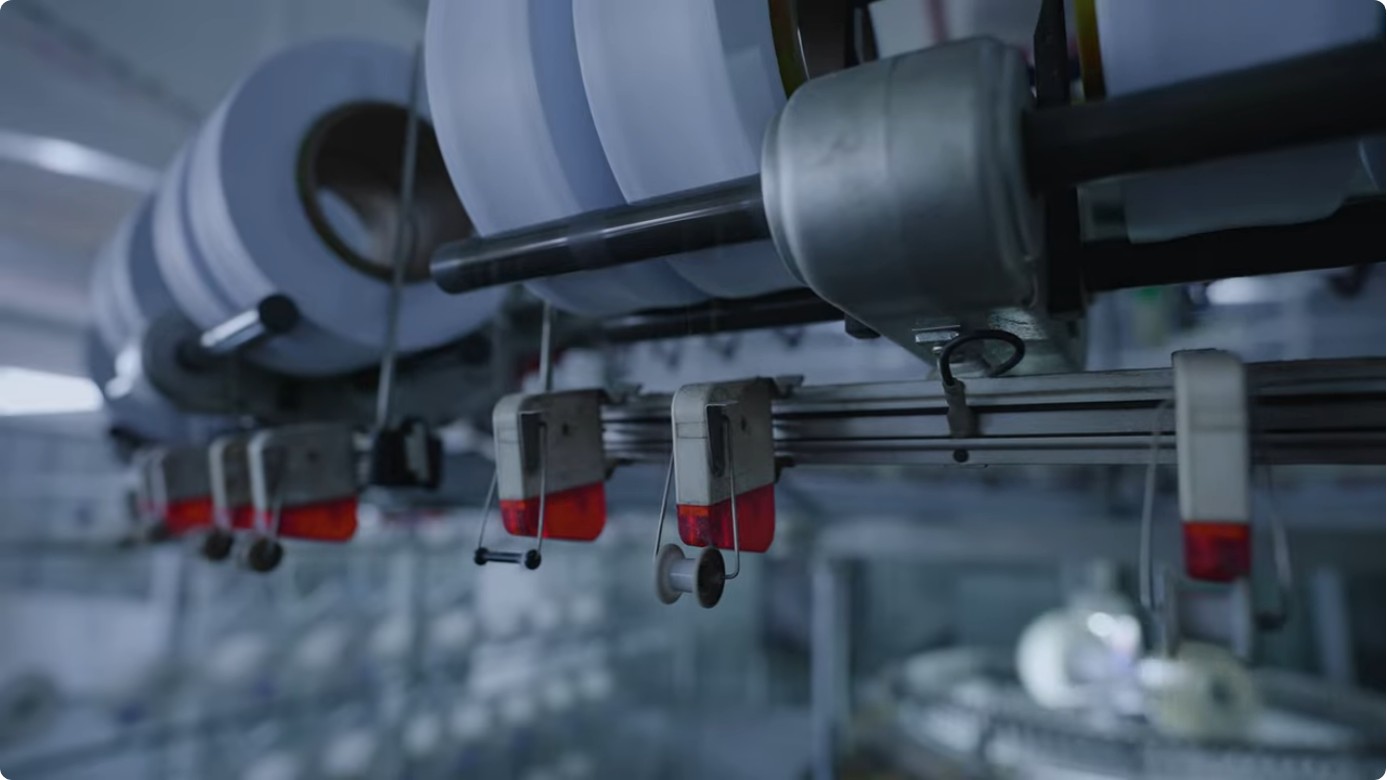
- Fabric & Yarn: What is the exact yarn count and fabric weight (gsm/oz)? Can you provide a mill certificate for the canvas/fleece? Is it ring-spun or open-end? (Ring-spun is softer and stronger).
- Construction Details: Please specify the seam type for every junction (e.g., “shoulder seams: double-needle flat-felled”). What is the bar tack size and placement? What brand/model of zippers and snaps will be used?
- Washing & Finishing: For a “worn-in” look, what garment washing processes are available (enzyme wash, stone wash)? How will this affect colorfastness and shrinkage?
- Quality Control: What is your AQL (Acceptable Quality Limit)? At which stages do you inspect (in-line, pre-shipment)? Who bears the cost of re-work for failed inspections?
- Lead Time & Logistics: What is the realistic production timeline from PP sample approval to shipment? Do you handle FOB shipping, or do I need a freight forwarder?
Feature Comparison: Original vs. Custom Alternative
This table clarifies the typical trade-offs you’ll navigate. It’s a spectrum, not a binary.
| Feature | L.L.Bean Original | High-End Custom Alternative | Value-Focused Custom Alternative | Key Consideration for Buyer |
|---|---|---|---|---|
| Fabric | Specific, proprietary mill fabrics; often heavyweight, 100% cotton. | Sourced from premium global mills; can match or exceed weight; option for organic/ recycled cotton. | Good quality generic canvas/fleece; may use poly blends for cost/wrinkle resistance. | Request specific fabric specs (gsm, yarn count). A higher gsm doesn’t always mean better durability if the yarn is weak. |
| Construction | Excessively reinforced; historic patterns with multiple bar tacks. | Engineered for durability; key stress points reinforced; can match original specs. | Standard industry construction; may omit some non-critical bar tacks or use fewer stitches per inch. | Identify the garment’s primary use. A gym bag needs different reinforcement than a casual tote. |
| Hardware | Premium, often custom-branded (e.g., “L.L.Bean” on zipper pulls). | YKK, Tex, or equivalent; can be customized with your logo on pulls. | Generic but functional hardware; may not have branding. | Hardware failure is a common complaint point. Investing in known-brand zippers is rarely wasted. |
| Price Point | Premium retail markup. | 20-40% below equivalent retail premium brand; cost driven by fabric/construction. | Significantly lower; cost driven by fabric blend, simplified construction, and higher MOQ. | Your target retail price dictates which column is viable. Calculate backward from your desired margin. |
| MOQ | N/A (retail). | Typically 1,000-3,000 units per style/color. | Can be as low as 500-1,000 units for basic styles. | Lower MOQs often mean higher per-unit cost. Find the volume/price sweet spot. |
Is an LL Bean Alternative Right for Your Brand?
Ask yourself these final questions before committing to a custom run:
- Do my customers value proven durability over fashion trends? If yes, prioritize fabric weight and reinforcement in your spec sheet.
- Am I launching a heritage line or a cost-effective staple? This determines whether you mimic the exact construction or capture the feeling with smarter, lighter alternatives.
- Can I commit to the MOQ? Underestimating sell-through is the fastest way to deadstock. Be conservative in your first order volume.
- Have I protected my investment? Ensure your factory signs a robust Non-Disclosure Agreement (NDA) and that you own all patterns and molds created for your order.
The “L.L.Bean alternative” is a powerful concept for brands wanting to tap into a trusted aesthetic of quality and utility. By speaking the language of fabric weight, stitch type, and reinforcement, and by understanding the inherent trade-offs, you move from a vague request to a precise manufacturing order. The result is apparel that carries your brand’s promise, built on a foundation of informed choices.
Whether you’re a startup brand or an established retailer, we manufacture custom sportswear at competitive MOQs. Reach out to start your project.
Helpful tip: What Is a Soccer Cap? A Sourcing Guide for Teams, Brands, and Retailers