
In the landscape of modern casualwear, the drop shoulder shirt has cemented its status as a staple. For brands, gyms, and retailers, understanding this silhouette beyond its aesthetic appeal is crucial for successful custom manufacturing. It’s not just a style; it’s a specific construction with distinct implications for fabric choice, fit, and production. This guide breaks down the drop shoulder shirt for men from a sourcing perspective, detailing its characteristics, typical applications, and the key decisions you’ll face when bringing a custom version to market.
Whether you’re a streetwear label looking for that contemporary drape or a fitness brand wanting a relaxed training top, the drop shoulder cut offers a versatile foundation. However, its success hinges on precise execution. We’ll explore the anatomy of the style, who buys it, and the practical customization and production considerations that separate a profitable bulk order from a costly misstep.
What Defines a Drop Shoulder Shirt?
The term “drop shoulder” refers to the sleeve construction. Unlike a traditional raglan or set-in sleeve where the shoulder seam sits at the natural shoulder point, a drop shoulder sleeve is sewn into the body of the shirt below the shoulder line. This creates a wider, more relaxed neckline and a characteristic “dropped” sleeve that sits on the upper arm rather than the shoulder. The result is a boxier, more slouchy silhouette that prioritizes comfort and a modern, unstructured look over a tailored fit.
Also read: Sublimated Bowling Shirts: A Complete Guide for Brands & Buyers
Key Visual & Fit Characteristics
- Silhouette: Loose, relaxed, and often boxy. It lacks the defined shoulder seam of a classic crewneck tee.
- Neckline: Wider and deeper due to the lower sleeve attachment point. The neckline often sits further from the collarbone.
- Sleeve: The sleeve head (the curved top part) is shorter and wider, causing the sleeve to hang lower on the arm. There is no shoulder seam to define the shoulder line.
- Drape: Typically has more fabric in the upper body, leading to a softer, more fluid drape that can vary significantly based on fabric weight and composition.
Who Buys & Wears Drop Shoulder Shirts?
This style resonates across several markets. Its appeal lies in its blend of comfort and trendiness:
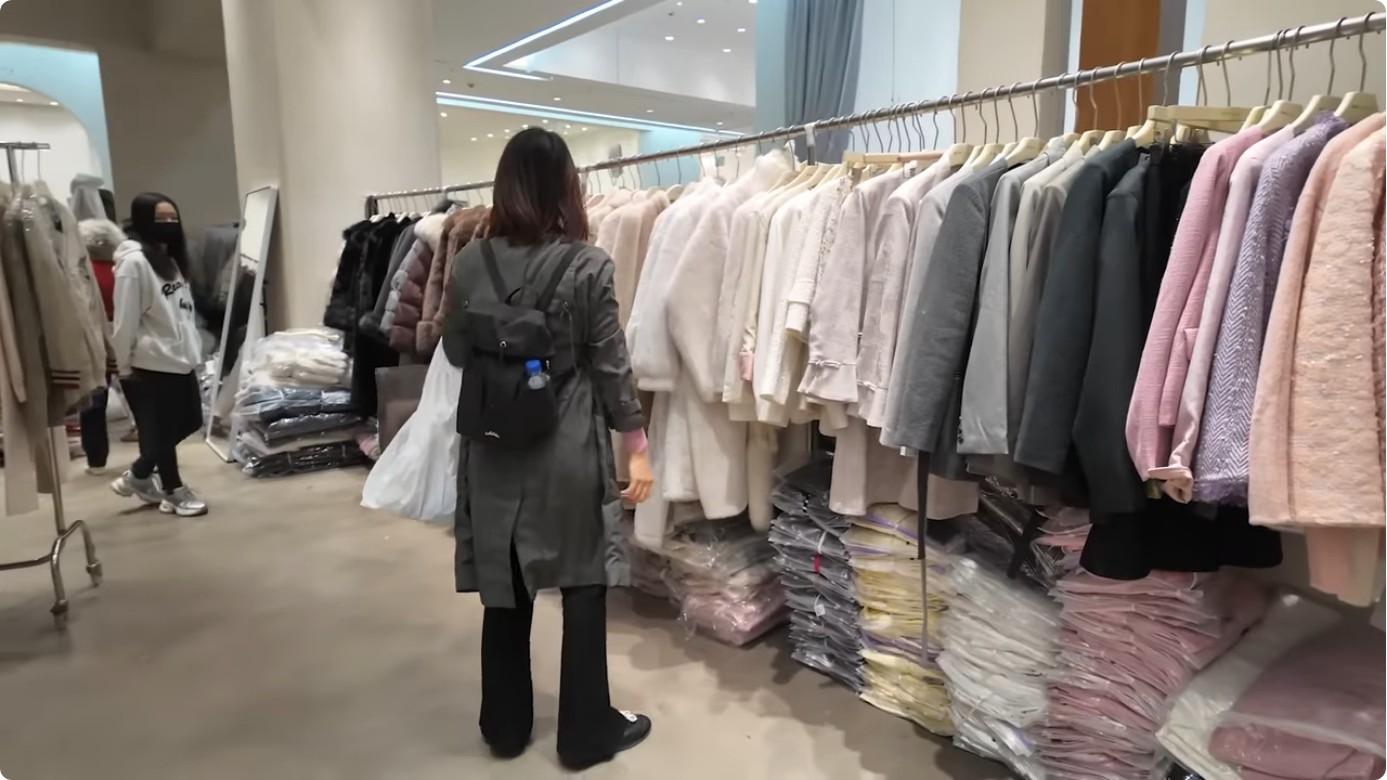
- Streetwear & Fashion Brands: The go-to for oversized, contemporary fits. It’s a canvas for bold graphics, small chest logos, or minimalist branding. The relaxed drape is central to the aesthetic.
- Gyms & Fitness Influencers: Popular for post-workout wear or casual gym branding. The relaxed fit allows for full range of motion and a comfortable, non-restrictive feel that aligns with athleisure trends.
- Corporate & Team Apparel: Used for a more modern, casual-uniform look. It feels less formal than a standard polo but more put-together than a loose-fitting tee.
- General Retail & Wholesale: A perennial seller in the basics category, especially in younger demographics that favor the “lazy” or “effortless” style trend.
Customization & Manufacturing Considerations
Sourcing a custom drop shoulder shirt means navigating specific construction points. The relaxed fit is forgiving in some areas but demanding in others. Here are the critical levers you can pull during the OEM/ODM process.
1. Fabric is Everything
The drape and final look are 70% fabric. A heavy 100% cotton jersey will hang stiff and bulky, while a lightweight cotton/polyester blend will flow softly. Your fabric choice dictates the shirt’s weight, hand feel, durability, and how the “drop” silhouette actually appears.
Common fabric categories for this style include:
- Lightweight Jersey (120-150 GSM): Soft, drapey, and cool. Ideal for summer collections, layering, or brands prioritizing a delicate feel. Be mindful of potential sheerness and durability on lighter weights.
- Mid-Weight Jersey (180-220 GSM): The sweet spot for most applications. Offers structure without stiffness, good opacity, and versatility across seasons. A 60/40 cotton/polyester blend in this weight is a popular workhorse.
- Heavyweight Jersey (240+ GSM): Creates a pronounced, bulky drape and a premium, durable feel. Common in high-end streetwear. Increases shipping weight and cost.
Consider fabric origin and certifications if your brand story requires it. For example, Textile Exchange offers standards for organic and recycled content.
2. Fit & Pattern Adjustments
You cannot simply take a standard t-shirt pattern and call it a drop shoulder. The pattern must be specifically graded for this cut. Key adjustments include:
- Shoulder Depth: The armhole (sleeve opening) is placed lower on the body block.
- Sleeve Head Curve: The sleeve cap is less curved and shorter in height to fit the wider, lower armhole.
- Body Width: Typically intentionally boxy through the chest and waist, though some “semi-fitted” versions exist.
Tradeoff: A very boxy fit can look sloppy on some body types if proportions are off. Work with your manufacturer’s pattern maker to define the exact “drop” measurement (how many centimeters/inches below the natural shoulder the sleeve attaches) and overall body width. Request a fit sample on your specified fabric before finalizing.
3. Construction & Detail Choices
The construction must support the relaxed look without falling apart.
- Neckline: A twin-needle topstitched neckband is standard for durability. For a cleaner, more fashion-forward look, some ODM factories can offer a “bound neckline” (where the neck tape is enclosed) or a simple folded hem, though this is less common on this casual style.
- Sleeve Hem: Usually a twin-needle topstitched hem. Some brands specify a shorter sleeve length (“clam digger” or 3/4 sleeve) which alters the overall drape significantly.
- Side Seams: Standard, but ensure they are straight and do not twist the body.
- Labeling: Tear-away neck labels are standard for comfort. You can also opt for printed care labels or none at all for a minimalist aesthetic.
Fabric Weight & Drape Comparison
Selecting the wrong fabric weight for your design vision is a common pitfall. The table below outlines the typical outcomes.
| Fabric Weight | Typical Drape & Look | Best For | Sourcing Caveats |
|---|---|---|---|
| Light (120-160 GSM) | Soft, fluid, slightly slouchy. Can appear delicate or “worn-in.” | Summer tees, layering pieces, brands targeting a soft-hand feel. | Higher risk of transparency, especially in dark colors. Lower durability under heavy abrasion. May lose shape faster. |
| Medium (170-220 GSM) | Balanced drape with good structure. Holds the relaxed shape without being bulky. | All-purpose streetwear, gym apparel, team uniforms. The most versatile and common choice. | Performance varies by blend. A 100% cotton in this weight can shrink noticeably if not pre-shrunk. |
| Heavy (230+ GSM) | Pronounced, bulky drape. Very substantial feel, minimal stretch. | Premium streetwear, heavyweight basics, cooler climates. | Increased cost (more yarn, heavier shipping). Can feel overly stiff or hot for active wear. Requires precise pattern to avoid looking like a sack. |
MOQ, Customization Limits, and Production Realities
For wholesale buyers, the Minimum Order Quantity (MOQ) is a primary driver. For drop shoulder shirts, standard cut-and-sew MOQs typically start around 500-1000 pieces per style/color for many overseas manufacturers. However, this can vary widely based on factory capacity and your fabric choice (stock fabrics vs. custom knitting).
Typical Customization Capabilities:
- Branding: Screen printing, embroidery, woven labels, printed labels. Placement follows standard t-shirt zones (left chest, center back neck, sleeve). The wider neckline offers more real estate for back neck prints.
- Color: Virtually unlimited if using stock fabrics. Custom dyeing or knitting requires significantly higher MOQs (often 5,000+ yards per color).
- Fabric: You can select from a manufacturer’s stocked fabric swatches or source custom fabric. The latter increases lead time and MOQs.
- Fit Adjustments: Within reason. A good factory can make pattern adjustments for an additional sampling cost, but extreme deviations from their standard block will increase pattern-making fees and may affect production efficiency.
Critical Questions to Ask Your Manufacturer:
- Do you have a specific “drop shoulder” pattern block, or are we modifying a standard tee pattern? Can you provide the shoulder drop measurement?
- What fabric weights and compositions do you recommend for the drape I’m seeking? Can you provide physical swatches of the final garment, not just fabric?
- What is the actual cost difference between the standard neck finish (twin-needle) and a bound neckline?
- What is your standard shrinkage rate for the recommended fabric? Is it pre-shrunk?
- Can you produce a fit sample on my chosen fabric before I approve the production run?
Final Sourcing Checklist
Before committing to a supplier, run through this quick verification list:
- ✅ Fit Sample Approved: You have a physical sample in your final fabric, worn and evaluated for drape, sleeve length, and neckline stability.
- ✅ Fabric Spec Locked: GSM, composition (e.g., 60% cotton, 40% polyester), and origin are clearly documented in the tech pack.
- ✅ Construction Details Specified: Stitch type (e.g., 4-thread overlock), number of topstitch rows, and hem finishes are unambiguous.
- ✅ Branding Method Confirmed: You know if printing/embroidery will affect fabric hand or cause cracking on heavier fabrics.
- ✅ MOQ & Cost Transparency: All costs (pattern, sampling, unit cost, tooling) are itemized. The quoted MOQ aligns with your sales forecast.
The drop shoulder shirt’s popularity is no accident. Its comfortable, on-trend silhouette makes it a safe bet for many brands. However, its success in your line depends on treating it as its own unique garment, not just a variation on a t-shirt. By focusing on the right fabric-weight combination, securing a proper fit sample, and understanding the true customization capabilities of your factory, you can source a product that meets market expectations and protects your margin.
Have a Specific Vision for Your Drop Shoulder Line?
Navigating fabric choices, pattern adjustments, and MOQs can be complex. Our technical team specializes in ODM for relaxed-fit sportswear like drop shoulder shirts, guiding you from concept to bulk production with precise samples and transparent costing.
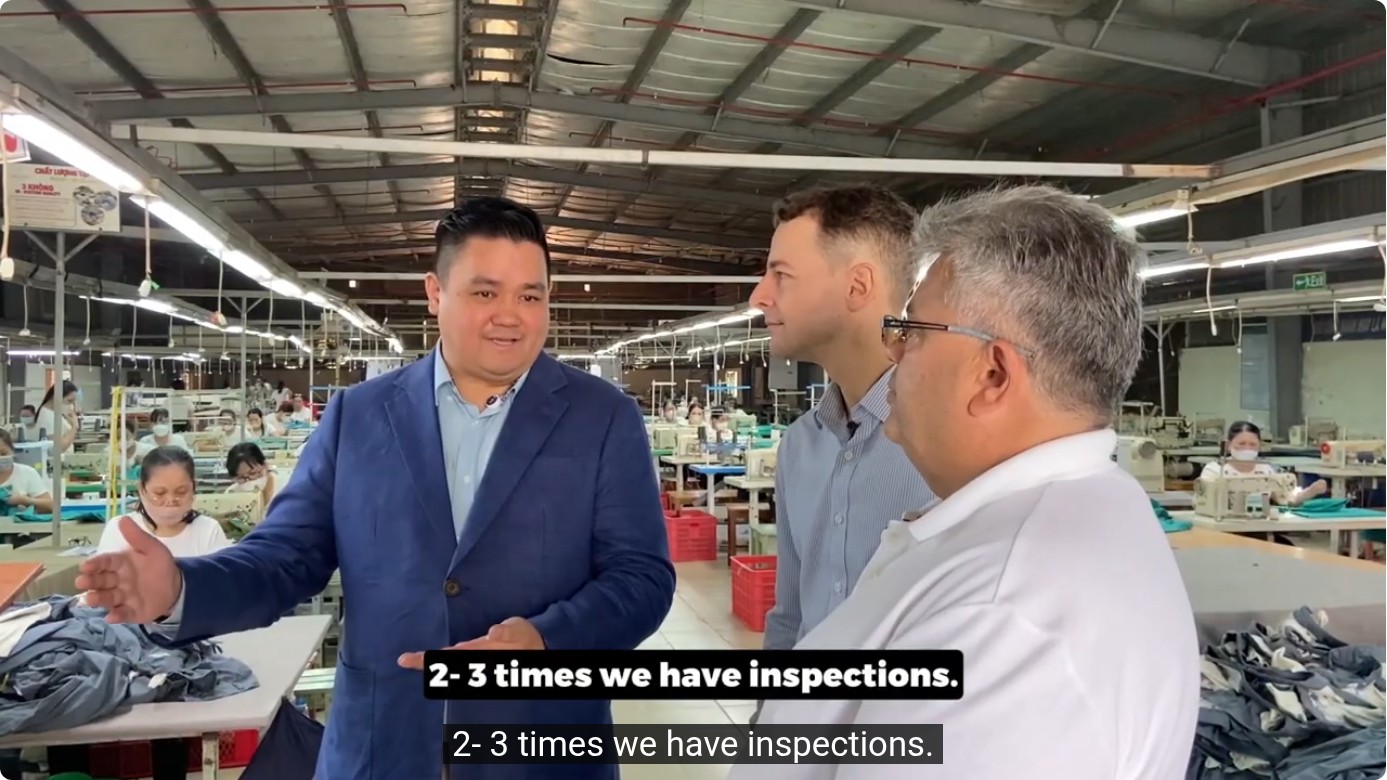
Whether you’re a startup brand or an established retailer, we manufacture custom sportswear at competitive MOQs. Reach out to start your project.
Tags: drop shoulder shirt mens
More advice: The Vintage Print T-Shirt: A Sourcing Guide for Brands & Buyers