
Sportswear has evolved far beyond the tracksuit. Today, it represents a massive category of functional apparel designed for movement, performance, and increasingly, everyday lifestyle use. For wholesale buyers, fashion brands, gyms, and sports teams, understanding what constitutes quality sportswear is the first step toward sourcing products that meet both athletic demands and consumer trends. This guide breaks down the essential categories, defining features, and critical production considerations you need to evaluate when sourcing or customizing sportswear.
We’ll explore common examples, from technical running gear to casual athleisure, and translate those into actionable insights for your next manufacturing run. The goal is to provide a clear framework for deciding what to order, in what quantities, and with which specifications—ensuring the final product aligns with your brand’s promise and your customers’ expectations.
What Qualifies as Sportswear?
At its core, sportswear is apparel engineered for physical activity. However, the modern market blurs the lines between performance apparel and casual wear. For sourcing purposes, it’s helpful to categorize by primary function and typical construction.
Core Performance Categories
These items are built with specific athletic activities in mind, prioritizing moisture management, freedom of movement, and durability.
- Performance T-Shirts & Tanks: Typically made from polyester, nylon, or blended fabrics with moisture-wicking treatment. Key for running, gym sessions, and team practices. Seams are often flat-stitched to reduce chafe.
- Compression & Base Layers: Tight-fitting garments using stretch-knit fabrics (like nylon/spandex) that support muscles, wick sweat, and regulate temperature. Common for high-intensity training and recovery.
- Track Pants & Joggers: Feature tapered legs, ribbed cuffs, and often a brushed interior for warmth. Fabrics range from lightweight polyester for speed training to heavier fleece for casual wear.
- Hoodies & Sweatshirts: Can be split into technical (lightweight, moisture-wicking, with performance features) and traditional (heavier cotton-blend fleece). The choice dictates fabric sourcing and garment construction.
Lifestyle & Athleisure Categories
These pieces prioritize style and comfort for all-day wear but often incorporate sportswear fabrics and details. Market analyses consistently show this segment driving massive growth.
- Cargo Pants & Joggers: Utility-focused with multiple pockets, often in sturdy cotton-polyester twill or soft performance fleece. Popular in streetwear and outdoor-inspired lines.
- Oversized Hoodies & Graphic Tees: Fashion-forward fits in premium cotton or cotton-blends. Customization via print or embroidery is a primary value driver here.
- Yoga & Lounge Sets: Focus on soft hand-feel, stretch, and drape. Typically use lightweight, brushed fabrics or viscose blends.
When sourcing, you must decide which category your design targets, as this dictates everything from fabric mill selection to stitch type.
Key Features That Define Modern Sportswear
What separates a basic cotton t-shirt from a performance sports tee? It’s in the details. As a buyer, you need to specify these features to your manufacturer.
| Feature | Purpose & Consumer Benefit | Production/Customization Note |
|---|---|---|
| Moisture-Wicking Finish | Pulls sweat to fabric surface to evaporate, keeping wearer dry. Critical for performance lines. | Requires specific synthetic yarns (polyester, polypropylene) or chemical treatment. Can affect print adhesion; always test print on wicking fabric. |
| 4-Way Stretch | Allows unrestricted movement in all directions. Essential for compression and yoga wear. | Fabric must contain elastane (spandex/Lycra) or use a knit construction. Sewing requires specialized needles and threads to avoid breakage. |
| Anti-Odor Treatment | Inhibits bacterial growth that causes smell. A premium selling point for high-end activewear. | Treatment is applied at the fabric mill (e.g., silver ions, chitosan). Must be verified via lab testing; not all suppliers offer certified options. |
| Flatlock Seams | Seam lies flat against skin, reducing friction and irritation. | Requires a specific flatlock sewing machine. Increases production cost and time versus standard seams. |
| UV Protection (UPF) | Fabric blocks ultraviolet radiation. Important for outdoor sports apparel. | Depends on fabric weave density, yarn type, and sometimes added chemical finishes. Must be tested to claim a UPF rating. |
What matters most for your sourcing decision: Clearly define which features are non-negotiable for your product’s intended use. A casual athleisure hoodie doesn’t need 4-way stretch, but a running tight absolutely does. Communicating this priority prevents misaligned samples and wasted time.
From Gym to Street: Common Use Cases and Style Examples
The same garment silhouette can serve different markets. Here’s how a savvy buyer thinks about application.
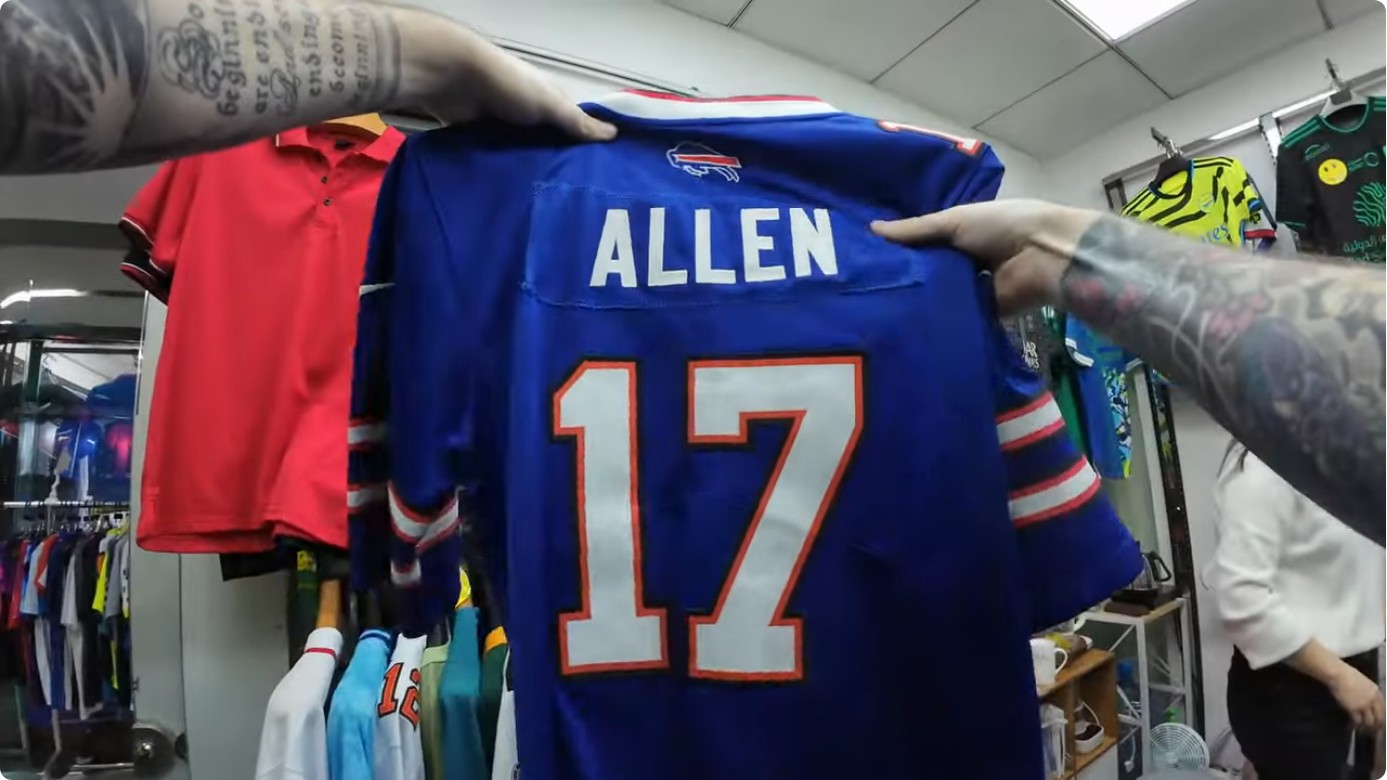
- The Team Uniform: Requires durability for frequent washing and intense use. Example: A sublimated polyester cycling jersey with team logos, player names, and numbering. Production note: OEKO-TEX Standard 100 certification on the fabric is a low-cost way to assure players of skin-safe, non-toxic dyes.
- The Boutique Fitness Brand: Focuses on aesthetics, unique designs, and premium feel. Example: A matching set of high-waisted leggings and a cropped bra top in a proprietarycolor, made from a soft, brushed nylon/spandex blend with seamless construction. Production note: Minimum order quantities (MOQs) for proprietary fabric knits can be high (often 1,000+ yards). Plan your color palette around available fabric stocks to lower MOQs.
- The Mass-Market Retailer: Balances cost, basic performance, and trend-driven style. Example: A basic cotton/polyester blend crewneck sweatshirt with a small embroidered logo. Production note: Standard 12-oz fleece is widely available from many mills, allowing for competitive pricing and lower MOQs (sometimes as low as 500 units per style/color).
- The Outdoor/Adventure Brand: Demands weather resistance and extreme durability. Example: A cargo pant in a ripstop nylon with articulated knees and water-repellent (DWR) finish. Production note: Technical fabric sourcing and specialized finishing (like lamination for waterproofing) will increase lead times and per-unit cost significantly.
Sourcing Custom Sportswear: A Buyer’s Checklist
Before you contact a factory, run through this checklist. It crystallizes your requirements and streamlines the quoting process.
- Define the Primary Use Case: Is this for high-sweat training, casual wear, or a specific sport? This is your starting point.
- Select Target Fabric: Research specific fabric constructions (e.g., 100% polyester interlock, 260gsm; 90% cotton/10% polyester fleece). Request fabric swatches from your manufacturer. For performance claims, require test reports.
- Finalize Silhouette & Fit: Provide a tech pack with precise measurements (not just S/M/L). Specify model stats and desired fit (slim, regular, oversized).
- Choose Customization Method:
- Printing: Screen printing (best for simple, high-volume logos), DTG (direct-to-garment for full-color, complex art on cotton-rich fabrics), sublimation (all-over print on white polyester, zero feel).
- Embroidery: For high-perceived value on hats, chest logos, and sleeves. Requires digitization. Not suitable for stretchy fabrics without proper stabilizer.
- Woven Labels & Hangtags: Essential for brand identity. Specify material (satin, cotton), size, and weave type.
- Determine Order Quantities & Colorways: Have a realistic target. Remember: each color change often requires a new fabric dye lot and can impact MOQs.
- Identify Critical Quality Markers: List must-haves: seam strength, colorfastness to washing, print crack resistance, shrinkage percentage.
Providing this checklist to potential suppliers will yield more accurate quotes and demonstrate you are a serious, informed buyer.
Production Realities: MOQs, Lead Times, and Quality Control
Manufacturing custom sportswear involves navigating practical constraints. Understanding these tradeoffs is key to a successful project.
| Variable | Basic Cotton/Poly Blend (e.g., Tee, Hoodie) | Technical Performance Fabric (e.g., Wicking Tee, Leggings) | All-Over Sublimation |
|---|---|---|---|
| Typical Fabric MOQ | Low (300-500 yards from stock) | Medium-High (1,000+ yards, custom knit) | High (must dye-sub fabric in white first) |
| Unit Cost (Sample) | $8 – $18 | $15 – $40+ | $25 – $60+ |
| Average Lead Time | 4-6 weeks | 6-10 weeks | 8-12 weeks |
| Key Quality Test | Shrinkage, seam strength, print wash test | Moisture wick test, pilling resistance, stretch recovery | Print vibrancy & bleed, fabric hand after dye-sub |
Critical Sourcing Note: Always request a pre-production sample (PP sample) made with your approved fabric and/or print. This is your last, cheapest chance to catch fit, fabric hand, or color issues before full production. Factor the cost and time for 1-2 rounds of sampling into your project plan.
Case in Point: Sourcing a Custom TrackSuit for a Fitness Brand
Let’s synthesize this into a scenario. A new boutique gym wants a custom tracksuit for members and retail sale.
- Their Need: A premium, cozy set for post-workout wear that also looks stylish on the street. Target sale price: $120 for the set.
- Their Choices & Rationale:
- Fabric: A mid-weight, brushed polyester fleece (280gsm). It’s softer and more performance-oriented than standard cotton fleece, but cheaper than a French terry. MOQ is 800 yards per color.
- Fit: Modern, slightly tapered. They provide a tech pack based on a popular competitor’s fit, with measurements adjusted for their target demographic.
- Customization: Small, tonal embroidered logo on the chest and sleeve. A woven neck label with their brand name. Embroidery adds perceived value without high cost on a fleece surface.
- Quantity: 300 sets total (150 jackets, 150 pants) across 2 colors. This meets the 800-yard MOQ when calculated per color.
- Production Flow: Fabric mill selection > Lab dip for color approval > PP sample approval > Bulk production > Final QC inspection > Shipping.
This structured approach prevented common pitfalls: ordering a fabric with too high an MOQ, choosing a print method unsuitable for fleece, or receiving a sample with poor embroidery placement.
Ready to Source Custom Sportswear?
Understanding the examples and considerations above is the foundation of a successful custom apparel project. The next step is translating your vision into a concrete spec sheet and finding the right manufacturing partner who can execute it within your budget and timeline.
We manufacture all the styles discussed in this guide — with custom labels, fabric options, and print or embroidery finishing. Tell us what you need.
[…] You may also like: What Is Sportswear? A Practical Guide for Brands and Buyers […]