
When buyers or emerging brands search for “brands like Marine Layer,” they’re often chasing a specific vibe: elevated, ultra-comfortable basics with a West Coast, laid-back feel. It’s the kind of clothing that feels like a second skin, looks intentionally effortless, and commands a premium price point due to its perceived quality. For a wholesale buyer, retailer, or private label brand, decoding this aesthetic is the first step toward sourcing or manufacturing products that hit that same note. This guide breaks down the tangible elements of the Marine Layer style—from fabric to fit—and translates them into actionable specifications for your custom sportswear production.
We’ll move beyond the feel to examine the concrete manufacturing decisions that create this look. This includes fabric mill selections, garment dyeing techniques, pattern-making for a relaxed fit, and subtle branding details. Understanding these components allows you to communicate precisely with your OEM or ODM partner, set accurate quality expectations, and manage costs effectively.
Quick Summary: Defining the “Marine Layer” Product Profile
Before diving deeper, here’s a snapshot of the core characteristics that define this category of premium casual activewear and basics:
Also read: U.S.-Made Tennis Shoes: A Guide for Brands and Buyers
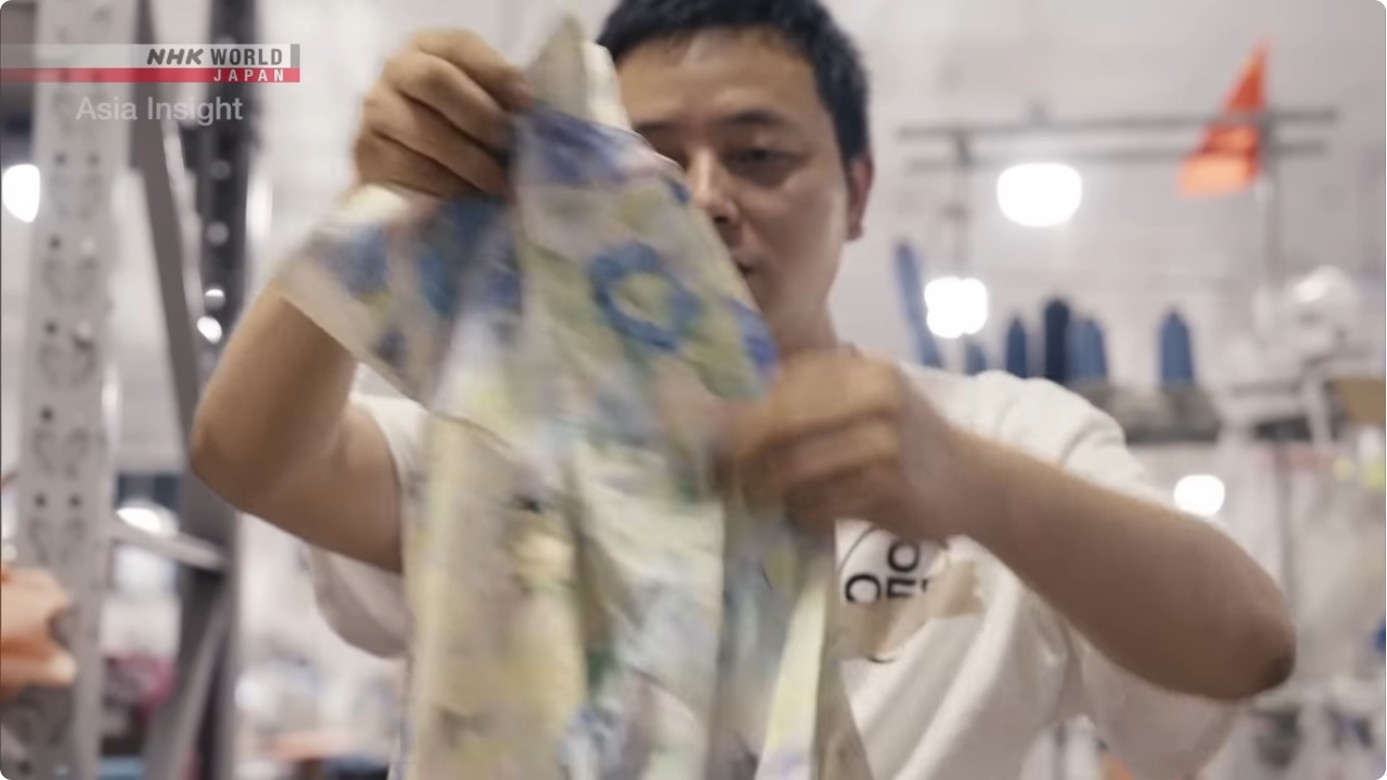
- Fabric First: Heavily emphasizes combed cotton, garment-dyed fabrics, french terry, and brushed fleece. The hand feel (softness, weight, drape) is the primary selling point.
- Relaxed, Modern Fit: Not oversized, but comfortably loose with a slightly dropped shoulder, longer torso, and forgiving cuts through the body and sleeves.
- Subtle, Integrated Branding: Minimal external logos. Branding is often through unique labels, tonal embroidery, or small, strategically placed prints.
- Garment-Dyed or Piece-Dyed: Colors have a lived-in, sun-faded look and are typically achieved through garment dyeing for uniformity and softness, not piece dyeing of yarn.
- Construction Details: Reinforced seams (like flatlock stitching in key stress areas), high-quality rib at cuffs and hem, and a general attention to finishing that avoids a “cheap” feel.
The Fabric Foundation: Softness as a Science
The single most critical element in replicating this aesthetic is the fabric. It’s not just about cotton; it’s about the entire supply chain from fiber to final finish. For a buyer, specifying the right fabric is non-negotiable.
Key Fabric Types and Their Production Implications
Combed Cotton: This is the baseline. The combing process removes shorter fibers, leaving longer, stronger ones that create a smoother, softer, and more durable yarn. When sourcing, ask your factory for fabric swatches from mills that specialize in combed cotton jersey. The yarn count (e.g., 30/1, 32/1) and fabric weight (GSM – grams per square meter) are key specs. A typical premium t-shirt might use a 180-220 GSM single jersey. Tradeoff: Higher GSM means more material cost and a heavier garment, but also a denser, more premium hand feel.
Garment-Dyed vs. Piece-Dyed: This is a major differentiator. In garment dyeing, the finished cut-and-sewn garment is dyed. This process relaxes the fabric, creates a unique color variance (a “worn-in” look), and ensures the softest possible hand. It requires more water and energy per unit but is essential for the aesthetic. Piece dyeing (dying the yarn or fabric roll before cutting) is more efficient and color-consistent but often results in a stiffer initial feel. For this style, garment dyeing is usually the target, so your MOQ (Minimum Order Quantity) may be higher as factories optimize dye batch runs.
French Terry & Brushed Fleece: For hoodies and sweatshirts, the looped-back knit of french terry or the napped, brushed interior of fleece is key. The quality is determined by the loop uniformity (french terry) or the nap density and consistency (brushed fleece). Request samples from different fabric suppliers to compare. A dense, plush nap without shedding is a mark of quality. For a lighter, year-round hoodie, a 280-320 GSM french terry is common; for a heavier winter weight, brushed fleece can go to 380+ GSM.
What to Ask Your Manufacturer About Fabric
When discussing fabric with a potential OEM/ODM partner, use this checklist:
- Can you provide fabric swatches from 2-3 different mills that specialize in combed cotton?
- What are the typical GSM ranges for your premium t-shirt and hoodie fabrics?
- Do you have in-house garment dyeing capability, or do you work with a dedicated dye house? Can you handle small-batch garment dyeing for color sampling?
- What are the colorfastness standards (e.g., AATCC ratings) for your garment-dyed products?
- What is the cost impact per unit for increasing the GSM or switching to a specific premium mill?
Fit and Pattern: The Architecture of Comfort
The “Marine Layer fit” is elusive to describe but instantly recognizable. It’s not baggy, but it’s not slim. It’s a relaxed, contemporary fit with specific geometric adjustments. For custom production, this is all in the pattern.
Pattern Markers for the Premium Casual Fit
Body Length & Drop: T-shirts are often slightly longer (by 1-2 inches) than standard basics to hit at the hip. The “drop”—the difference between the shoulder point and the hem—is minimal to moderate, creating a straight, forgiving silhouette.
Shoulder & Sleeve: A slightly dropped shoulder (where the sleeve seam sits a bit below the natural shoulder point) is a hallmark. This requires a specific pattern adjustment. The sleeve itself is often cut with a fuller, more cylindrical shape rather than a tight, athletic taper.
Neckline: Crew necks are typically a bit wider and softer. The neck rib should be substantial (e.g., 1×1 or 2×1 rib with a 30-40% Lycra content for recovery) and sit comfortably without binding. The neckline shape itself is often a “soft” curve rather than a sharp V or U.
Critical Action: Always request a “fit sample” or “counter sample” in your desired size range before full production. A factory’s standard “relaxed fit” pattern may not match your vision. Providing a garment you love as a reference (e.g., “match the fit of this specific Marine Layer shirt”) is invaluable. Be prepared to pay for this sample and the subsequent pattern adjustments.
Construction and finishing: Where Quality Hides
Premium brands distinguish themselves in the details that aren’t immediately visible. These are the “feel factors” that justify a higher price tag.
Stitching, Seams, and Hem Finishes
- Stitch Type: Double-needle flatlock stitching is common on side seams and shoulders for a clean, low-profile look and strength. Coverstitch is standard on hems and cuffs for stretch and a professional finish.
- Seam Allowance: A consistent, clean seam allowance (usually 3/8″ to 1/2″) is a sign of good pattern making and cutting. Bulky or uneven seams are red flags.
- Labels: This is a major branding opportunity. Many brands in this space use custom woven neck labels, printed care labels (to avoid itch), and sometimes a branded hem tag. The quality of the label material and stitching matters significantly.
- Reinforcements: Look for bar-tacking or additional stitching at high-stress points like the bottom of the neck seam, pocket corners (if applicable), and the join of sleeve to body.
Branding and Customization: Subtlety is Key
For brands emulating this style, overt logos are often discouraged. Customization is about subtlety and integration.
- Embroidery: Small, tonal chest embroidery or a subtle sleeve logo. The thread quality (polyester vs. rayon) and stitch density affect the final look. A low-density stitch can look cheap.
- Screen Printing/DTG: For graphic tees in this category, the print quality is paramount. Soft-hand prints (using discharge or water-based inks) are preferred over plastisol, which can feel rubbery and stiff. The Specialty Graphic Imaging Association (SGIA) offers resources on print techniques suitable for premium garments.
- No-Label Options: Some brands completely omit the neck label, instead printing the size and brand info on the inside hem. This is a “clean” aesthetic but must comply with FTC Care Labeling rules.
Sourcing and Production: Practical Considerations for Buyers
Translating this aesthetic into a factory order requires clear communication and understanding of constraints.
Minimum Order Quantities (MOQs) and Costs
MOQs are heavily influenced by fabric sourcing and dyeing. A factory using a specific premium combed cotton jersey from a top mill may have an MOQ of 500-1,000 pieces per style/color to meet the mill’s cut. Garment dyeing batches also require minimum yardage to be cost-effective. Expect MOQs for this tier of product to be higher than for standard, piece-dyed cotton tees. A typical range for a custom t-shirt in this category might start at 500-800 pieces per color. The unit cost will be 30-70% higher than a basic 100% cotton t-shirt due to fabric, dyeing, and tighter construction.
The Tech Pack: Your Most Important Document
You cannot rely on verbal descriptions. A detailed tech pack is essential. It must include:
- Fabric Spec: Fiber content (e.g., 100% combed cotton), GSM, yarn count, fabric origin (if critical), and a physical swatch.
- Color Standards: A physical Pantone or similar color reference chip, especially for garment-dyed looks where color uniformity is part of the appeal.
- Fit Specs: A detailed point-of-measure (POM) chart with critical measurements for each size. Reference a well-fitting garment’s measurements.
- Construction Details: Stitch types, seam finishes, label placement, and any special reinforcement.
- Artwork: High-resolution files for any prints or embroidery, with exact placement instructions.
Comparison: Premium Casual vs. Standard Basic
The following table clarifies the tangible differences a buyer must specify to achieve the target aesthetic.
| Feature | Standard Basic Tee | Premium “Marine Layer”-Style Tee |
|---|---|---|
| Fabric | Open-end cotton, 130-160 GSM, piece-dyed. | Combed cotton, 180-220+ GSM, garment-dyed. |
| Fit | Standard or slim, shorter length, fitted shoulder. | Relaxed, slightly longer, dropped shoulder. |
| Neck Rib | 1×1 rib, low Lycra content (5-10%), can stretch out. | 1×1 or 2×1 rib, high Lycra (20-30%), excellent recovery. |
| Stitching | Standard lockstitch, visible seams. | Flatlock on side seams, clean finishes. |
| Branding | Large screen-printed chest logo. | Tonal small embroidery, custom woven label, or no logo. |
| Hand Feel | Stiff initially, softens with washes. | Immediately soft, plush, dense. |
| Typical MOQ | 200-500 pcs/color. | 500-1,000+ pcs/color (fabric/dye constraints). |
| Target Cost | $3.50 – $6.00 | $7.00 – $12.00+ |
Decision Checklist for Your Sourcing Project
Before you request quotes, work through this list to de-risk your project:
- Define Your Target Customer: Are they a 25-year-old in San Diego or a 40-year-old in Chicago? This affects fit preference (more relaxed vs. tailored).
- Create or Source a Perfect Reference Garment: Have the physical item you want to replicate. This is your single most valuable tool.
- Develop a Comprehensive Tech Pack: Include fabric swatches, POMs, and construction details. Do not skip this.
- Audit Potential Factories: Ask for their portfolio of similar “premium basic” work. Request to see the inside of their sample garments—check stitching and finishing.
- Budget for Sampling: Allocate 5-10% of your total project budget for multiple rounds of fit and fabric samples. This is an investment, not an extra cost.
- Plan for Color: If garment-dyeing, understand that color matching is an art, not a science. Allow for minor variances between batches as part of the aesthetic.
- Clarify Testing Requirements: Will your garments need to pass specific shrinkage, pilling, or colorfastness tests? State this upfront.
Frequently Asked Questions
Q: Can I get this premium look at a lower MOQ like 200 pieces?
A: It’s challenging. The primary barriers are the fabric mill’s minimums for high-end combed cotton and the dye house’s minimum for garment dyeing. Some smaller, more flexible factories might offer “blank” garments from stock that are close, but you sacrifice control over the exact fabric origin and dye process. For true replication at lower volumes, consider starting with piece-dyed fabrics from a premium mill to reduce dyeing constraints, though the hand feel will differ.
Q: How do I ensure the garment-dyed color is consistent across future orders?
A: You must use the same dye house, dye formula, and fabric mill for every production run. Even then, natural variations will occur. The solution is to order all your colorways (e.g., all your seasonal colors) in one large production batch if financially possible. If not, order a large “master batch” of each color and store the finished goods to sell over time, ensuring perfect color match within a season.
Q: What’s the single biggest mistake brands make when trying to source this style?
A: Under-investing in the pattern and fit sample stage. They send a vague tech pack or a single photo and expect the factory’s standard pattern to magically produce the right relaxed fit. This leads to expensive re-cuts, wasted fabric, and delayed launches. The pattern is the blueprint. You must own it and approve it in a fit sample.
Whether you’re a startup brand or an established retailer, we manufacture custom sportswear at competitive MOQs. Reach out to start your project.
More advice: The Business of Bulk: A Practical Guide to Wholesale Textile Printing