
When sourcing activewear, the term “big and tall” signifies more than just a larger size chart—it represents a distinct category of garment engineering focused on proportional fit. A true big and tall sweatshirt is designed for individuals who are both larger in frame and taller in stature, requiring specific adjustments to pattern grading, fabric drape, and construction details. For wholesale buyers, fashion brands, and sports teams, understanding this nuance is critical. It separates a garment that merely “fits” from one that provides comfort, mobility, and a flattering silhouette for a specific demographic. This guide breaks down the essential characteristics of the style, explores its key wear contexts, and then delves into the critical manufacturing and sourcing considerations for brands looking to customize or produce this essential apparel item.
poorly proportioned standard XL or 2XL garments often result in sleeves that are too short, a body that is too wide without being long enough, or restrictive armholes. The big and tall category addresses these issues through dedicated pattern making, where length is added to the torso and sleeves, and critical measurements like the shoulder drop and chest width are scaled in harmony. This foundational understanding of fit as a primary feature—not an afterthought—is what matters most when selecting a style to customize or source for your customer base.
Deconstructing the Big and Tall Sweatshirt: Fit, Fabric, and Features
The core differentiator of a big and tall sweatshirt is its proportional grading. While a standard plus-size pattern might simply widen a block, a big and tall pattern extends key points:
You may also like: US Polo vs Ralph Lauren: A Custom Manufacturing Comparison for Buyers
- Silhouette: It maintains a relaxed or straight fit through the body to accommodate a larger torso but avoids excessive bulk. The goal is a clean line, not a sack. The length is typically 1-3 inches longer than a standard equivalent size to ensure the hem stays at the waistline during movement.
- Sleeve & Armhole: Sleeve length is extended, and the armhole (sleeve cap) is both deeper and often set slightly forward to match the natural slope of a taller shoulder. This prevents the “wings” of the sweatshirt from pulling forward and ensures full range of motion.
- Neckline & Cuffs: Ribbed crewneck or mock neck finishes are common, with the neck tape and ribbing engineered to stretch adequately over a larger head/neck without losing shape. Cuffs on the sleeves and hem need high-recovery elastic to hold a longer sleeve in place on a longer arm without constricting circulation.
Fabric Foundations: Weight and Construction
Fabric choice is paramount. Heavier weight fleece (typically 280-320 GSM) is often preferred for its structure and opacity, which helps the garment hang properly on a larger frame without clinging. Brushed fleece offers essential softness and warmth. French terry is a popular, versatile alternative that provides a more textured, breathable feel while maintaining good drape. The fabric must have a robust recovery; if it stretches out during wear, the proportional fit is lost immediately. For an authoritative look at textile specifications, resources from the American Association of Textile Chemists and Colorists (AATCC) provide standards for testing fabric weight, stretch, and recovery.
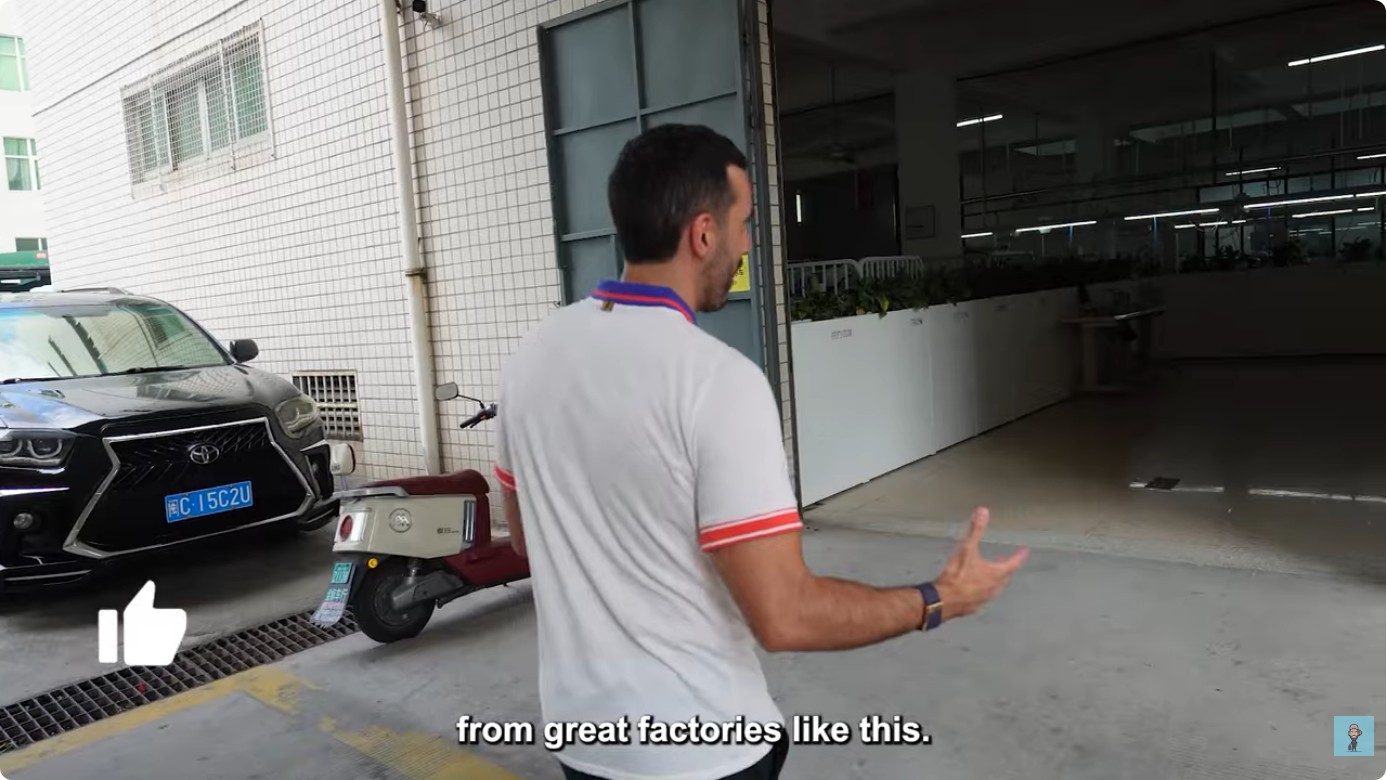
Key construction features include:
- Double-Layered Hem: A wider, double-needle stitched hem with reinforced stitching adds durability and helps the garment retain its longer length.
- Set-In Sleeves: This classic construction allows for more precise armhole shaping compared to raglan sleeves, which can sometimes create excess fabric in the underarm for proportional fits.
- Reinforced Seams: Flatlock or coverstitch seams in high-stress areas (shoulders, sides) are crucial for withstanding the increased movement and laundering demands of a larger garment.
Primary Users and Use Cases: Where This Style Excels
This isn’t a niche product. The big and tall sweatshirt serves a mainstream and diverse customer base across multiple contexts:
- Performance & Gym Wear: For larger athletes, freedom of movement is non-negotiable. A correctly proportioned sweatshirt allows for unrestricted overhead pressing, squatting, and dynamic stretches. Brands in the fitness space must prioritize moisture-wicking blends (e.g., cotton-polyester with 10-20% spandex) even in fleece styles to manage sweat during intense workouts.
- Team Sports & Uniforms: High school, college, and recreational teams have athletes of all sizes. Supplying a true big and tall option in team colors with embroidered logos ensures every player has a uniform that fits properly, boosting morale and a professional appearance. This is a key differentiator for team dealers.
- Streetwear & Fashion Brands: The oversized trend has made room for all-body proportions. A big and tall cut in a heavyweight fleece or unique fabric can be a core piece in a brand’s lineup, appealing to consumers who want the aesthetic without sacrificing fit. Here, fabric innovation (textured knits, garment dyeing) and unique details ( contrast ribbing, special labels) become major selling points.
- Corporate & Workwear: For companies in logistics, construction, or security providing branded apparel, offering a full size range including big and tall is a matter of inclusivity, safety (proper fit doesn’t snag), and professionalism.
Custom Manufacturing: OEM/ODM Considerations for Big and Tall Styles
When moving from off-the-shelf blanks to custom production, several new layers of complexity and opportunity emerge. The primary paths are OEM (Original Equipment Manufacturer), where you provide a complete spec and pattern, and ODM (Original Design Manufacturer), where the factory develops the style based on your brief. For big and tall, the choice impacts cost, control, and minimum order quantities (MOQs).
A factory’s experience with graded patterns is the single most important factor. Ask to see their spec sheets for big and tall ranges. Do they simply add length to a standard pattern, or do they have a separate, mathematically derived block for this category? The latter is essential for a balanced fit.
Key Customization Levers and Their Production Impact
Here’s a breakdown of common customizations and what they mean for your project:
| Customization Area | Options & Examples | Production Considerations & Trade-offs |
|---|---|---|
| Fit & Pattern | Adjusting grade points (e.g., +2″ torso length, +1.5″ sleeve), modifying armhole depth, changing shoulder slope. | Requires a skilled pattern maker. Significant design fees if starting from scratch. Using the factory’s existing graded pattern is lower cost but limits uniqueness. MOQs may be higher for unique patterns. |
| Fabric & Knit | GSM weight (280-350), composition (cotton/poly/rayon), knit type (loopwheeled, fleece, terry), special finishes (garment dye, enzyme wash, brushed). | Sourcing exotic or very heavy fabrics can increase MOQs. Custom fabric development has 2000-5000 yard minimums and long lead times. Using the factory’s stocked fabrics is fastest and has lower MOQs. |
| Color & Dyeing | Pantone matching, garment dye vs. piece dye, Heather effects, special dyes (reactive, pigment). | Garment dyeing allows for smaller color runs but can cause slight variations. Piece dyeing has higher minimums per color. Pantone matching on dark fabrics is more challenging and costly. |
| Trims & Details | Rib quality/color, neck tape (woven vs. printed), label type (woven, printed, tear-away), pocket style, zipper (if hoodie). | Custom woven labels have 5k-10k MOQ. Using blank/standard trims is cheaper. Sourcing specialty trims (e.g., YKK zippers) can extend lead time if not stocked. |
| Decoration Placement | Logo location (chest, sleeve, back yoke), embroidery vs. print vs. woven label, multi-position designs. | Complex placement (e.g., on sleeve cuff) may require special machinery or sample approval. Embroidery on thick fleece needs proper digitization. Print on dark garments may need an underbase. |
The Critical Role of Fit Sampling
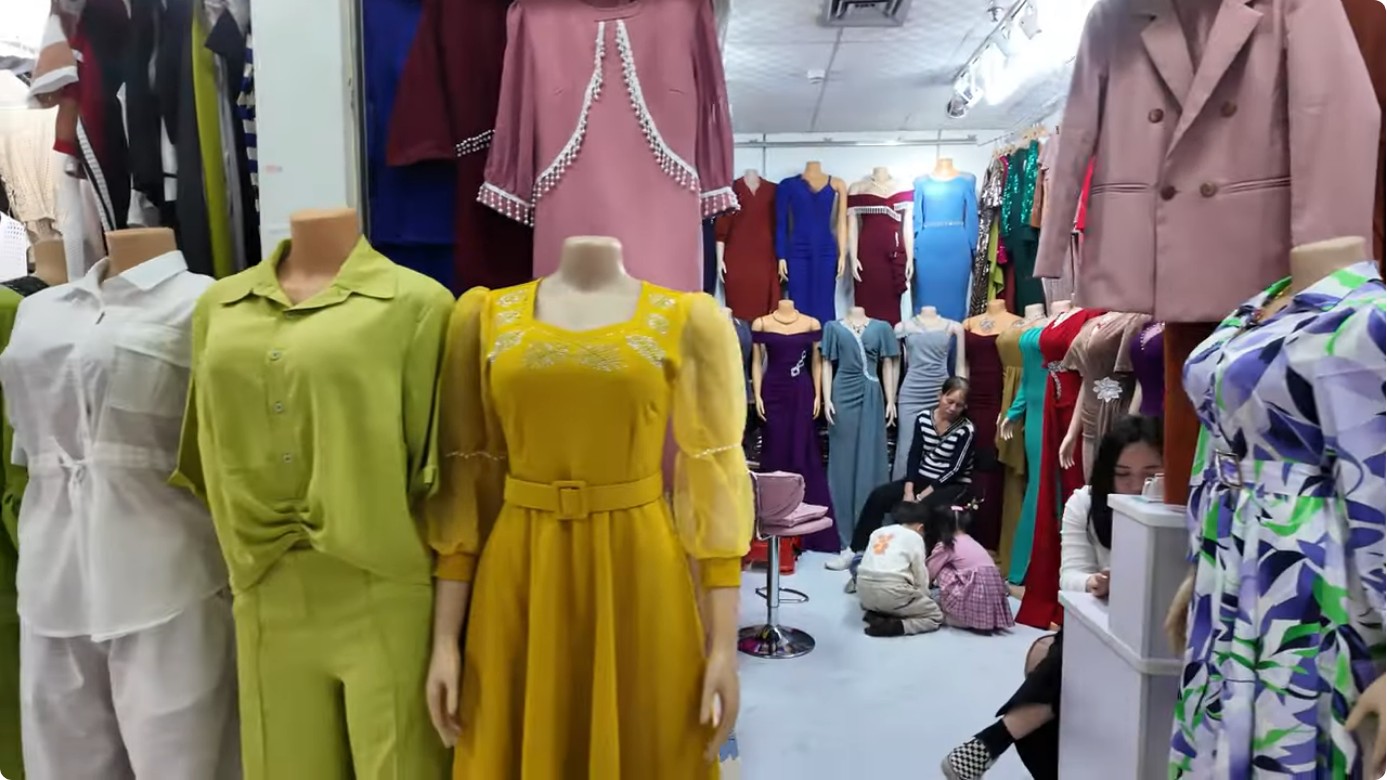
For big and tall styles, fit sampling is non-negotiable and must be done on a full size range. Never approve a pattern based on a single sample size (e.g., just a 2XL). You must see the progression from a Medium/Tall through 4XL/XXL-Tall to verify that the grading holds true. Use a fit model who actually represents your target consumer. Prepare a detailed fit comment sheet for each sample:
- Size: Specify the exact size being reviewed (e.g., 2XL-Tall).
- Measurement: Record key points: chest (relaxed), body length from HPS, sleeve length from shoulder, armhole depth.
- Fit Comments: “Sleeve length is perfect for 6’3″ frame,” “Armhole feels restrictive when raising arms,” “Hem rides up during movement.”
- Action: Request specific changes (“Add 0.5″ to sleeve length,” “Deepen armhole by 0.25”).
Factories experienced in plus and big & tall will expect and welcome this rigorous process. Those who resist it are a red flag.
Sourcing Decision Checklist: What to Verify Before Production
Use this list when evaluating potential manufacturing partners for your big and tall sweatshirt line:
- Pattern Grading Proof: Request to see the technical spec sheet (“tech pack”) for their big and tall range. Compare the measurements between standard and big & tall grades. Is length added proportionally to width?
- Fabric Stretch & Recovery Data: Get the laboratory test results for any proprietary fabric. Look for stretch % (e.g., 20% bi-stretch) and recovery rate (should return to 95%+ of original length).
- Sample Size Range: Insist on receiving fit samples in at least three sizes across the range (e.g., a “mid-range” like L-Tall, a “small big” like 2XL, and the “largest size” like 4XL-Tall).
- MOQ Transparency: Understand how MOQs change with customization. A standard blank might have a 100-piece MOQ, but a custom color with a custom pattern could jump to 500+. Get all scenarios in writing.
- Production History: Ask for examples of other brands they’ve produced big and tall styles for. A factory that primarily makes slim-fit streetwear may not have the grading expertise.
- Decorate-ability: For heavily decorated styles (all-over print, large embroidery), confirm the fabric and construction can handle the process without distortion or puckering.
Common Questions from Buyers and Brands
What’s the difference between a “plus size” and a “big and tall” sweatshirt pattern?
This is a crucial distinction. A plus-size pattern primarily adds width and volume to the body and sleeves while keeping overall length similar to a standard pattern. A big and tall pattern adds both width AND significant length, with specific adjustments to armholes and shoulder slope to maintain proportion for a taller frame. A garment can be both (e.g., 3XL-Tall), but the grading logic is different. A standard 3XL might be too short in the body for someone who is both large and tall.
Can I get a low MOQ (e.g., 50-100 pieces) for a fully custom big and tall sweatshirt?
It’s challenging but possible with the right partner. The lowest MOQs typically come from using the factory’s existing big and tall pattern and one of their stocked fabric/color options. Every layer of customization—a new pattern, a custom fabric, a unique color—generally increases the MOQ threshold. Be prepared for 200-500 piece MOQs for a fully custom style. Discuss your volume goals openly; some factories offer “development programs” with higher per-unit cost but lower minimums to help new brands launch.
How do I ensure consistent sizing across future production runs?
This is achieved through two things: 1) Locked Patterns: Once your pattern is approved, it must be stored and used exactly for all subsequent runs. Any change requires a new sample approval process. 2) Specification Control: Maintain your own master spec sheet with exact measurements for every size. When inspecting production goods, measure a statistically significant sample against this spec, not against a single sample from the first run. Slight variations in fabric shrinkage can throw off proportions, so your spec should account for a post-wash tolerance (e.g., +/- 0.5″).
If you’re looking to source or customize any of the styles mentioned above, our factory offers low MOQ OEM/ODM production with full sampling support. Get a free quote today.
Helpful tip: The ‘What is the Worth of a Single Mortal Life?’ Quest in Baldur’s Gate 3: Guide, Choices, and Rewards