
When sourcing custom polo shirts for your brand, gym, or retail line, two archetypes dominate the conversation: the classic, relaxed ‘US Polo’ style and the trimmer, more formal ‘Ralph Lauren’ style. Understanding the tangible differences between these two silhouettes is not a matter of personal taste alone—it’s a critical production decision that affects fit consistency, fabric sourcing, costing, and the ultimate perception of your branded apparel. This guide breaks down the key distinctions from a manufacturer’s perspective, providing the clarity you need to specify the right product for your custom order.
We will compare fit geometry, fabric construction, design details, and production realities. The goal is to equip you with the technical vocabulary and practical insights to communicate precisely with your OEM/ODM partner, ensuring the final product aligns with your market’s expectations and your brand’s quality standards.
At a Glance: Core Style Archetypes
Before diving into specifics, it’s essential to frame these terms correctly. In custom manufacturing, ‘US Polo’ and ‘Ralph Lauren’ refer to established shirt constructions—specific patterns, fit blocks, and detail specifications—not to the retail brands themselves. A ‘US Polo’ style is characterized by a generous, straight-lean cut with minimal tapering, designed for comfort and universal wear. The ‘Ralph Lauren’ style features a slimmer, more tailored silhouette with pronounced waist suppression, a higher armhole, and often a shorter sleeve length. Your choice dictates the foundational pattern your factory will use, which is the single most important factor in the final fit.
Helpful tip: The Complete Guide to Sourcing Fleece by the Yard Wholesale
Side-by-Side Technical Comparison
The following table outlines the primary differentiators that impact manufacturing, cost, and end-use.
| Attribute | US Polo Style (Relaxed Fit) | Ralph Lauren Style (Tailored Fit) |
|---|---|---|
| Fit Profile & Pattern | Straight-lean, generous through chest and waist. Lower armhole. Longer, straighter sleeves. Pattern allows for layering. | Slim, tapered silhouette. Higher, more fitted armhole. Shorter, more fitted sleeves. Pattern molds to the body. |
| Fabric Weight & Feel | Commonly uses heftier, more substantial piques (230-250 GSM) or jersey knits. Feels durable and casual. | Often employs finer, lighter piques (180-220 GSM) or silky-smooth jersey. Projects a more refined, upscale feel. |
| Collar & Placket | Stiffer, wider collar stands. 3-4 button placket is standard. Collar roll is often more pronounced. | Softer, narrower collar. 2-3 button placket typical. Collar lies flatter and closer to the neck. |
| Hem & Side Vents | Straight, longer hem. Side vents are less common but possible. Designed to be worn untucked. | Rounded or “fishtail” hem (longer at back). Prominent side vents are a classic detail. Often intended to be tucked. |
| Typical Use Case | Team uniforms, corporate casual, promotional events, golf resorts, value-focused retailers. | Premium corporate wear, upscale hospitality, fashion-forward brands, golf country clubs, retail stores. |
| Customization Flexibility | High. Accommodates large embroideries, chest prints, and all-over patterns without distortion. More forgiving of fabric shrinkage. | Moderate. Prefer smaller, precise logos (left chest, sleeve). Large prints can pull on the tighter knit. Requires precise pre-shrinking. |
| Key Production Note | Fit is more size-tolerant. Easier to grade across a wide size range (XS-5XL) without pattern distortion. | Pattern precision is critical. Grading must maintain the intended taper. Poor grading leads to an unflattering, boxy result. |
Deep Dive: The US Polo (Relaxed Fit) Construction
This is the workhorse of the custom polo world. Its pattern is built on a straight block with a lower armhole, which means the sleeve cap is cut wider and sits lower on the shoulder. This creates a comfortable, non-restrictive feel ideal for active use or warm climates. The generous chest and waist allowance provide ease of movement and a more forgiving fit across diverse body types.
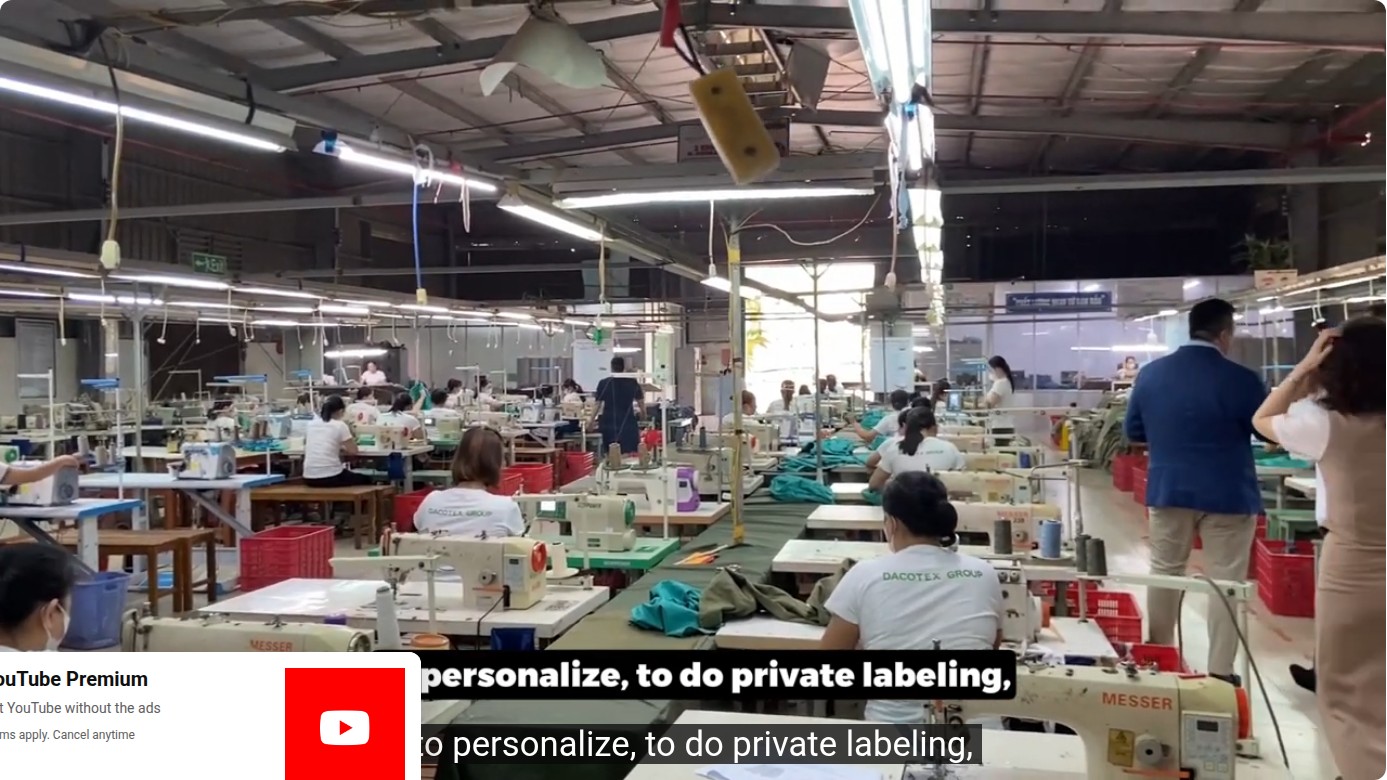
Fabric & Feel: Manufacturers typically source heavier pique knits for this style. The prominent texture hides minor imperfections and provides a robust hand feel that communicates durability. For custom jerseys, a mid-weight cotton/poly blend is common, balancing softness with shape retention. This style is less sensitive to minor variations in fabric shrinkage.
Visual Effect & Branding: The relaxed fit serves as a neutral canvas. Large back logos, full-chest prints, and all-over sublimation designs have ample, stable space. The collar tends to have a more structured roll, which holds its shape well. This style projects an approachable, confident, and traditional vibe.
Sourcing Consideration: This is the most commonly requested custom polo style for team uniforms, bulk corporate orders, and entry-level branded apparel. Factories have highly optimized, low-cost production lines for this cut. It is the safest choice for first-time custom buyers due to its fit tolerance and fabric availability.
Deep Dive: The Ralph Lauren (Tailored Fit) Construction
This style is defined by its close-to-body fit. The pattern features a higher armhole (which narrows the sleeve cap), a suppressed waist, and often a shorter overall length. The result is a sleek, contemporary silhouette that follows the body’s lines without being skin-tight. It requires a more precise pattern and consistent fabric behavior.
Fabric & Feel: A finer, smoother pique or a high-grade jersey is essential to achieve the desired drape without adding bulk. The fabric must have excellent recovery (ability to bounce back after stretching) to maintain the tailored shape through wear and washing. Often, a higher percentage of combed cotton or a specific yarn construction is used to achieve a premium hand feel.
Visual Effect & Branding: The tailored look is inherently premium. Branding is typically minimalist and precise: a small, refined left-chest logo (embroidery or fine print), perhaps a subtle sleeve emblem. Large graphics can distort over the tighter fit and are generally avoided. The collar is softer and lies flat, contributing to a neat, tucked-in appearance.
Sourcing Consideration: Ordering this style custom requires more rigorous quality control. You must insist on pre-production fit samples in your correct size. The margin for error in grading is slim; a poorly graded size 2XL in this style can look dramatically different (and worse) than in a relaxed fit. Fabric selection is more critical—a sub-par knit will look cheap and bag out quickly.
Which Style Is More Common for Custom Manufacturing?
Without question, the US Polo (Relaxed Fit) style dominates custom orders, accounting for an estimated 70-80% of the market for custom polo shirts. The reasons are practical:
More advice: Boxy Hoodie vs Normal Hoodie: A Sourcing Guide for Brands & Buyers
- Fit Tolerance: It accommodates a wider range of body types within a single size, reducing customer returns and complaints.
- Cost Efficiency: Standardized patterns and heavier fabrics are more readily available at lower MOQs.
- Versatility: It suits virtually every use case from sports teams to corporate events.
- Production Speed: Factories are finely tuned for this cut, minimizing setup time and defects.
The Ralph Lauren (Tailored Fit) style is a niche but growing segment, primarily driven by premium corporate clients, luxury resorts, and fashion brands targeting a specific aesthetic. It carries a higher price point and requires a more collaborative, detail-oriented manufacturing partnership.
Critical Specifications to Communicate to Your Manufacturer
Simply saying “make it like a Ralph Lauren polo” is insufficient. Vague instructions lead to costly samples and disappointed results. You must provide a detailed tech pack or specification sheet. Here is a checklist of non-negotiable variables:
- Fit Block Reference: Provide a physical sample shirt or a precise pattern measurement chart (including chest width, body length, sleeve length, neck width, and waist taper). Do not rely on brand names.
- Fabric Spec: Specify GSM (grams per square meter), fiber content (e.g., 65% Polyester, 35% Cotton), yarn type (combed, ring-spun), and knit structure (pique, jersey). Request fabric swatches.
- Collar & Cuff: Describe the collar stand height, collar shape (pointed, rounded), and cuff style (ribbed, plain hem). A picture is essential here.
- Hem Style: Straight, curved, or fishtail (longer back)? Side vents? Specify.
- Placket: Button count (2, 3, 4), button type (mother-of-pearl, plastic), and placket finish (covered, exposed).
- Labeling: Where will your woven label or printed neck tape go? This affects seam construction.
- Target Sizing: Provide a detailed size spec sheet with measurements for each size in your range. For tailored fits, this is crucial.
A key tradeoff to understand: The more intricate the details (e.g., special plackets, contrast collar/rib, specific buttons), the higher the MOQ and setup cost. Simplify details for your first order to ensure fit and fabric are perfected before adding complex trim.
Practical Scenarios: Which Style to Choose?
Your decision should align with your product’s market position and functional needs.
- Scenario 1: A gym or sports team ordering uniforms for daily wear and washes.
Recommendation: US Polo (Relaxed Fit). Durability, comfort during movement, and a forgiving fit for diverse body types are paramount. Heavier fabrics will withstand frequent laundering. - Scenario 2: A corporate client ordering premium polos for client-facing executives.
Recommendation: Ralph Lauren (Tailored Fit). The sophisticated silhouette communicates status and attention to detail. A fine, soft pique with a subtle sheen elevates the brand. - Scenario 3: A fashion brand creating a limited-edition streetwear-inspired polo.
Recommendation: Depends on the aesthetic. For an oversized, urban look, start with a US Polo block and size up. For a sharp, minimalist look, use a Ralph Lauren block. The branding application (e.g., large graphic vs. small embroidery) will also dictate the fit choice. - Scenario 4: A resort hotel ordering staff shirts for a tropical location.
Recommendation: Often a hybrid. A slightly tapered but still breathable fit in a lightweight, moisture-wicking mesh pique. You may need to develop a custom block that blends the ease of a US Polo with a more modern silhouette.
Frequently Asked Questions
Can I get a “US Polo fit” in a finer, Ralph Lauren-style fabric?
Yes, this is a common and smart hybrid. You can take the relaxed pattern of a US Polo and construct it in a lighter, smoother 210 GSM pique. This combines comfort with a more refined appearance. You must specify this clearly: “Relaxed fit pattern, fine 210GSM pique fabric, standard 3-button placket.”
Which style is better for large-format digital or sublimation printing?
The US Polo (Relaxed Fit) is superior. Its straighter, more stable fabric structure and generous fit provide a better canvas for large graphics. The tailored fit’s tighter knit and body-hugging shape can cause prints to distort or feel stiff in high-movement areas.
Is one style easier to size for a unisex or wide-range offering?
Absolutely the US Polo (Relaxed Fit). Its straight-lean pattern is the industry standard for unisex and extended sizing (XXS-5XL). The tailored fit’s pattern is inherently gendered and much harder to grade successfully across a vast size range without losing the intended silhouette, especially in the waist taper.
What is the biggest mistake buyers make when ordering custom polos?
Failing to approve a fit sample in their own fabric. A factory’s sample fabric may differ in GSM or stretch from your final production fabric, drastically changing the fit. Always insist on a pre-production sample using the exact fabric and trim you will receive, graded in your size chart.
Final Sourcing Guidance
Your choice between a US Polo and Ralph Lauren style is the first and most significant decision in your custom polo project. Base it on your end-user’s need for comfort vs. silhouette, your branding’s scale and placement, and your budget constraints. For most bulk, value-driven, and athletic applications, the US Polo style is the logical, cost-effective starting point. For brands positioning themselves in the premium or fashion segment, the tailored Ralph Lauren style is worth the extra scrutiny and cost.
Regardless of your choice, success hinges on precise communication. Provide detailed specifications, approve multiple samples, and work with a manufacturer who understands the nuances of these distinct pattern blocks.
We manufacture all the styles discussed in this guide — with custom labels, fabric options, and print or embroidery finishing. Tell us what you need.
Related guide: Capitalizing on World Cup Fever: A Buyer’s Guide to Custom Sportswear Manufacturing