
The FIFA World Cup transcends sport, becoming a cultural catalyst that spikes global demand for team jerseys, fan apparel, and branded activewear. Cristiano Ronaldo’s participation across five World Cups (2006, 2010, 2014, 2018, and 2022) exemplifies how star athletes drive merchandise sales, with his jersey often topping charts during each tournament. For businesses—from emerging fashion labels to established sports retailers—this presents a recurring opportunity to source custom sportswear that taps into the event’s excitement. However, navigating custom manufacturing requires strategic insight into production capabilities, quality benchmarks, and market timing to avoid missed deadlines or subpar products.
This guide distills the essentials for sourcing World Cup-themed apparel, whether you’re producing licensed replicas, fan-inspired streetwear, or team kits. We’ll explore key product categories, customization levers, and production tradeoffs, framed through the lens of a B2B buyer. By the end, you’ll understand how to communicate effectively with factories, assess quality, and align your project with the World Cup cycle for maximum impact.
What Matters Most When Sourcing World Cup-Themed Sportswear
Before selecting fabrics or designs, prioritize these foundational elements. Overlooking them can lead to costly delays, legal risks, or inventory that fails to resonate.
Helpful tip: Organic Modal Fabric: A Practical Guide to Its Benefits, Trade-offs, and Sourcing
- Event Timeline vs. Production Lead Time: The World Cup occurs every four years, with qualifiers and预热期 starting 18-24 months prior. Custom manufacturing typically requires 8-16 weeks from approval to delivery, depending on complexity. Factor in customs clearance and distribution. A delay of even two weeks can mean missing the peak sales window around the tournament.
- Licensing and Legal Compliance: Official team logos, player names, and tournament branding are protected intellectual property. Unlicensed merchandise risks seizure and legal action. If you’re not an authorized licensee, focus on generic fan apparel (e.g., national color schemes without official emblems) or collaborate with licensed partners. Always verify a manufacturer’s experience with licensed goods; they should understand FIFA’s intellectual property guidelines.
- Material Performance and Standards: Jerseys demand moisture-wicking, breathable fabrics like polyester blends, while casual fan t-shirts may prioritize comfort with cotton or triblends. For performance wear, reference standards such as Oeko-Tex Standard 100 for chemical safety or Textile Exchange for sustainable sourcing. Communicating these specs upfront ensures quality alignment.
- Factory Capacity and Expertise: Not all OEM/ODM partners can handle large-scale, time-sensitive orders. Assess their capacity for your volume (e.g., 5,000 vs. 50,000 units) and experience with sportswear specifics like gradient prints or embroidery on performance fabrics. Request case studies from past World Cup or sports event projects.
Product Landscape: From Official Kits to Casual Fan Wear
World Cup demand spans multiple apparel categories, each with distinct manufacturing considerations. Understanding these helps you target the right product for your market.
Jerseys and Replica Kits
These are the high-value items, often featuring advanced fabrics and intricate detailing. For licensed production, factories must use approved suppliers and adhere to strict brand guidelines. MOQs are typically higher (e.g., 1,000+ units per design) due to setup costs for sublimation printing or embroidery. Tradeoff: Authenticity commands premium pricing but limits flexibility; unlicensed versions allow creative freedom but may have lower perceived value.
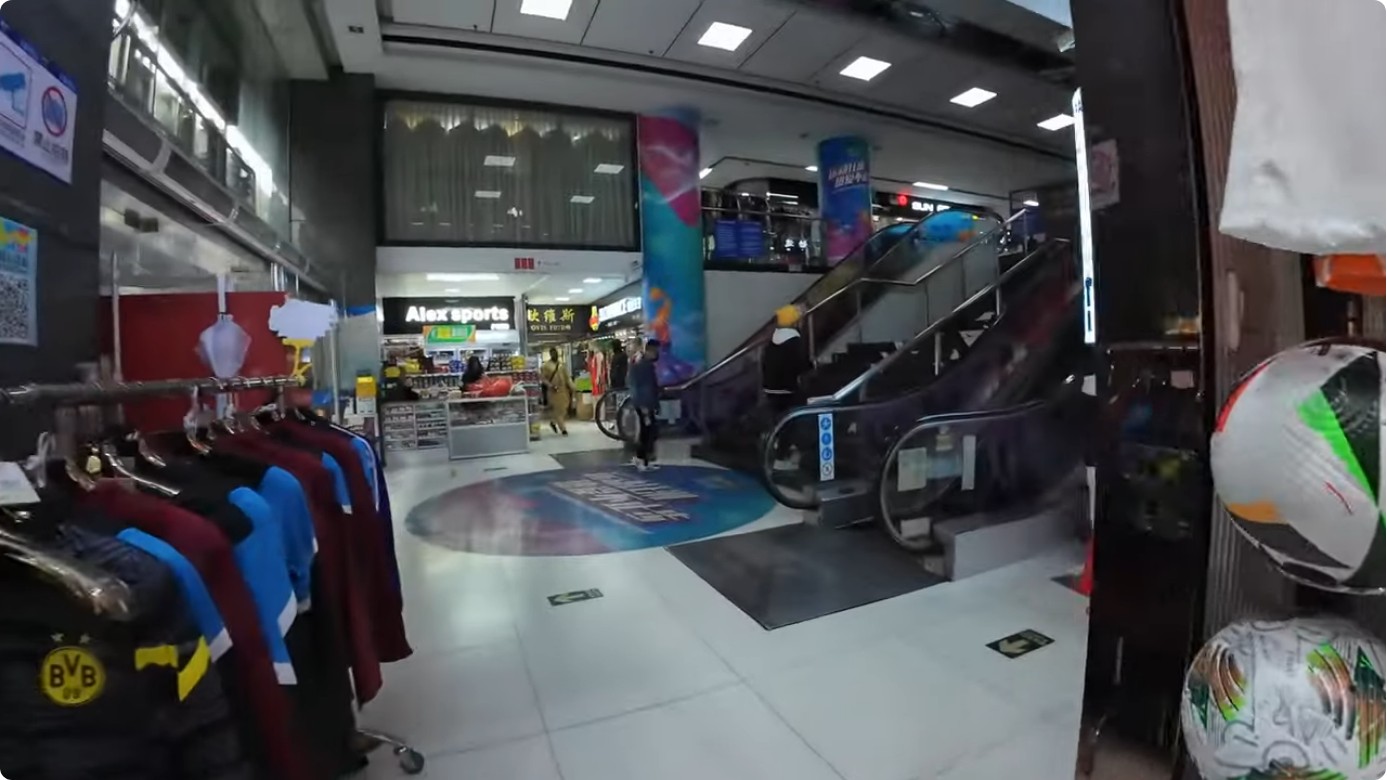
Fan T-Shirts and Hoodies
Casualwear with team colors, slogans, or player imagery. Lower MOQs (often 100-500 units) make these accessible for small brands. Customization is easier via screen printing or DTG (direct-to-garment). However, fabric choice impacts cost and feel—ring-spun cotton offers softness but less durability than blends. Consider ASTM standards for colorfastness if targeting humid climates where fans wear items outdoors.
Tracksuits and Activewear
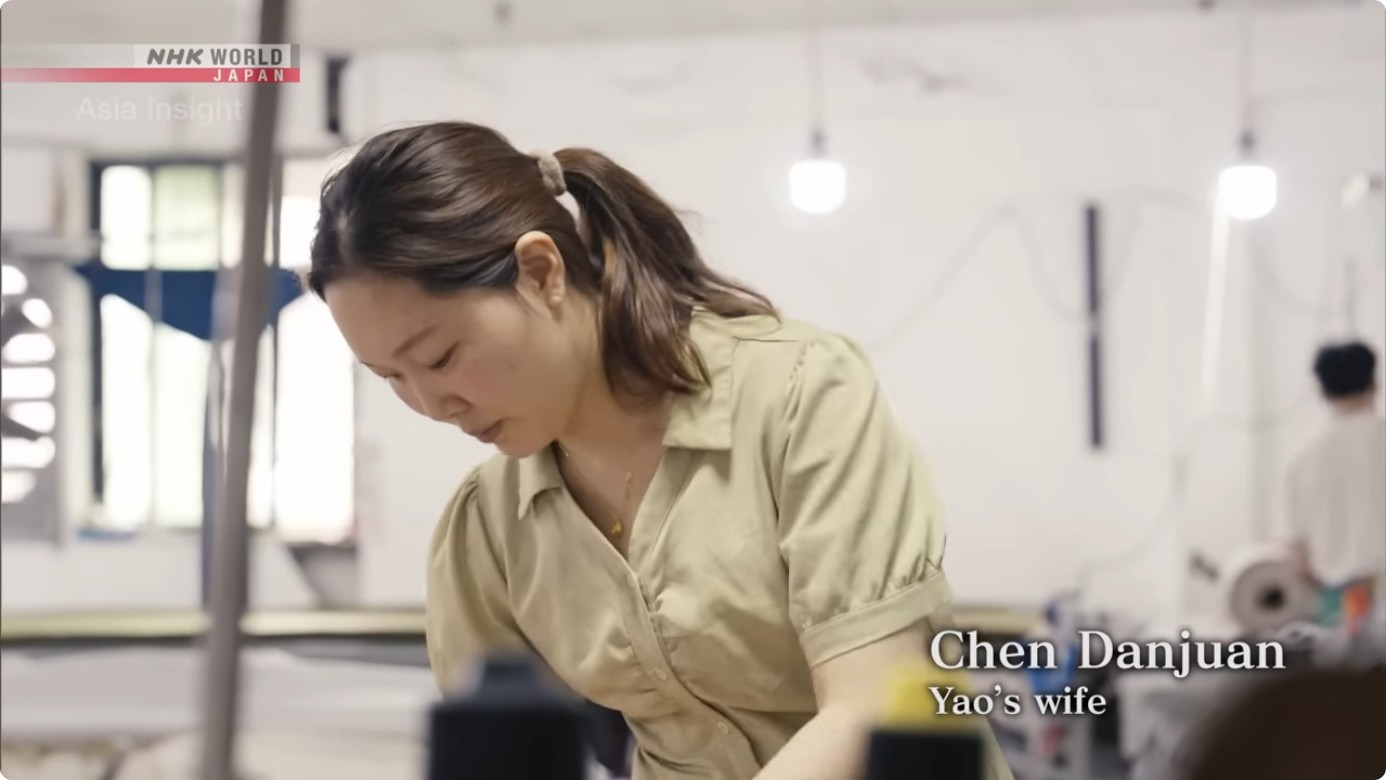
Matching sets inspired by national team training wear. These require consistent fabric sourcing across jackets and pants, with attention to zip quality, cuff finishes, and fit. ODM services can provide base designs that you customize with logos or colorways. Lead times may extend if sourcing specialized fabrics like brushed fleece.
| Apparel Type | Typical Use Case | Key Customization Options | Typical MOQ Range | Primary Quality Focus |
|---|---|---|---|---|
| Replica Jersey | Fans wearing to matches/events | Sublimation print, embroidery, player badges | 500-5,000+ units | Fabric performance, color accuracy, official licensing compliance |
| Graphic T-Shirt | Casual fan wear, street style | Screen print, DTG, appliqué | 100-1,000 units | Print durability, fabric comfort, design vibrancy |
| Hoodie/Sweatshirt | Cold-weather fan apparel | Embroidery, woven labels, color blocking | 200-2,000 units | Fabric weight (e.g., 280-320 GSM), seam strength, shrinkage control |
| Tracksuit Set | Athletic-inspired casual wear | Color matching, custom zippers, logo placement | 300-3,000 units | Fabric consistency, fit symmetry, hardware quality |
Customization Options: Navigating OEM vs. ODM
Choosing between Original Equipment Manufacturing (OEM) and Original Design Manufacturing (ODM) shapes your project’s flexibility and timeline.
- OEM: You provide complete designs, tech packs, and specs. Ideal for brands with in-house design teams wanting full control. Requires detailed communication: fabric swatches, trim samples, and fit charts. Higher risk of errors if specs are ambiguous, so use a standardized tech pack format.
- ODM: The factory offers pre-existing designs that you modify (e.g., change colors, add logos). Faster and lower MOQ, perfect for startups or retailers testing markets. Tradeoff: Design uniqueness may be limited; ensure the ODM partner has exclusive rights to modified designs to avoid副本 issues.
For World Cup projects, ODM can accelerate time-to-market with proven silhouettes, while OEM allows for unique storytelling around players like Ronaldo—imagine a jersey with subtle nods to his career milestones.
Production Considerations: From Sampling to Shipping
Manufacturing is where plans meet reality. Here’s what to verify at each stage.
Sampling and Approval
Always request pre-production samples (often called “approval samples” or “counter samples”). Check: fabric hand feel, print alignment, stitch density, and measurement compliance against your spec sheet. For jerseys, test moisture-wicking by simulating sweat (e.g., water drop test). Budget 2-3 revision cycles; each can add 1-2 weeks.
Also read: Sourcing a Custom ‘Bird Head’ Toque: From Arcteryx-Inspired Design to Production
Quality Control Markers
Beyond visual inspection, request lab tests for critical batches. Key markers include:
- Colorfastness: ASTM D4587 for lightfastness, D1308 for rubbing.
- Fabric Shrinkage: Pre-wash samples to ensure post-laundry fit.
- Seam Strength: ASTM D5034 to prevent splits during wear.
For large orders, hire third-party inspectors (e.g., SGS or Bureau Veritas”) during production and before shipment. This adds cost (typically $0.50-$2 per unit) but mitigates recall risks.
Logistics and Tariffs
World Cup shipments often coincide with port congestions. Choose Incoterms that clarify responsibilities (e.g., FOB vs. DDP). Research tariff implications—for example, importing jerseys into the EU may incur duties under HS code 6211.43.40. Factor these into your costing.
What to Communicate to Your Manufacturer: A Checklist
Clear specs prevent costly rework. Use this checklist when engaging a factory:
- Design Assets: Vector files (AI/EPS) for logos, Pantone color codes, and placement diagrams.
- Fabric and Trim Specs: Composition (e.g., 100% polyester, 140 GSM), feel (e.g., mesh vs. knit), and source requirements (e.g., recycled content).
- Quantity Breakdown: Sizes, colors, and any mixed-PO requirements.
- Packaging Instructions: Individual polybags, hangtags, or bulk carton dimensions.
- Compliance Documentation: Needed certifications (e.g., Oeko-Tex, CPSIA for children’s sizes) and testing protocols.
- Timeline Milestones: Sample approval date, production start, and final shipment deadline with buffer for delays.
Real-World Scenario: Launching a Limited-Edition Ronaldo-Inspired Line
Imagine a boutique fitness brand wanting to capitalize on Ronaldo’s enduring World Cup presence. They design a premium tracksuit with his signature number “7” subtly embroidered, using moisture-wicking fabric in Portugal’s national colors. Here’s how they might proceed:
- Manufacturing Path: ODM for the tracksuit base (reducing development time), with OEM elements for the embroidery.
- MOQ Negotiation: Starting with 300 units per style to test demand, leveraging the factory’s existing patterns.
- Quality Focus: Ensuring embroidery durability through double-stitch testing and fabric that meets ISO 9001 standards.
- Timeline: Initiate talks 12 months before the World Cup to secure fabric slots and align with the factory’s capacity.
The result: a product that feels exclusive without licensing hurdles, ready for sale during the tournament hype.
Final Considerations for Sourcing Success
Custom sportswear for events like the World Cup blends opportunity with complexity. Key takeaways:
- Start early: The earlier you engage a manufacturer, the better you can secure quality fabrics and competitive pricing.
- Prioritize transparency: Share your market goals (e.g., retail vs. team use) so the factory can advise on durability needs.
- Balance cost and quality: The cheapest quote may skimp on seams or dyes, leading to returns. Request detailed cost breakdowns.
- Stay adaptable: Have backup fabrics or colorways in case of supply chain disruptions, common during global events.
Ready to Source Your World Cup-Inspired Collection?
Whether you’re planning a full replica jersey line or a small batch of fan t-shirts, aligning with an experienced custom sportswear manufacturer is critical. Our OEM/ODM services handle everything from design consultation to bulk production, with flexible MOQs for brands of all sizes. We specialize in performance fabrics, licensed-compliant processes, and agile timelines to help you seize event-driven demand. Still have questions about how many World Cups Ronaldo has played in or how to translate that into apparel sales? Our team can discuss market trends and production feasibility.
Whether you’re a startup brand or an established retailer, we manufacture custom sportswear at competitive MOQs. Reach out to start your project.
Related guide: Acetate Fabric in Sportswear: A Sourcing Guide for Brands & Buyers