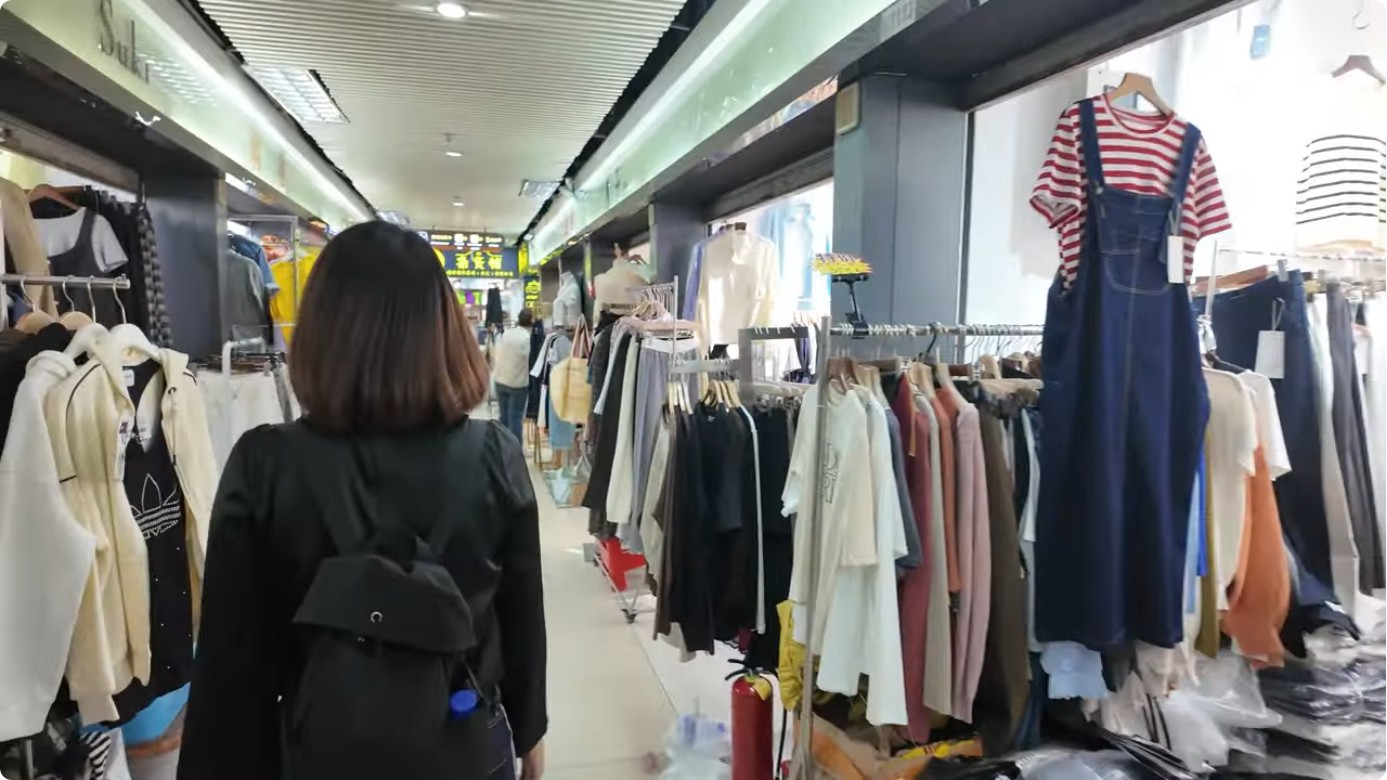
For brands, teams, and retailers, the term “sportswear” covers a vast landscape. It’s not just about basketball jerseys or running shorts; it’s a spectrum of garments designed for movement, comfort, and specific athletic contexts. Understanding these categories is critical for sourcing the right custom apparel. Whether you’re outfitting a CrossFit box, launching a streetwear line, or supplying a corporate wellness program, knowing the distinctions between performance, casual, and hybrid styles directly impacts your fabric choices, customization methods, and production costs.
This guide breaks down the major types of sportswear you’ll encounter in custom manufacturing. We’ll explore their defining features, typical use cases, and—most importantly—what they mean for your OEM/ODM project. From the moisture-wicking tee to the heavyweight hoodie, each category has specific production considerations that affect feasibility, durability, and final cost.
Quick Guide: At-a-Glance Comparison
More advice: Sourcing Sportswear from Italy: A Buyer’s Guide to Quality, Customization, and Production
| Sportswear Type | Primary Function | Key Fabric Families | Best For | Customization Notes |
|---|---|---|---|---|
| Performance Tees & Tops | High-intensity moisture management, temperature regulation | Polyester (micro-poly, Dri-fit), Nylon, Merino Wool blends | Running clubs, gyms, professional sports teams, race events | sublimation printing ideal; screen printing works on light colors; embroidery can be heavy on lightweight fabrics |
| Casual/Fashion T-shirts | Everyday comfort, brand expression | Cotton (ring-spun, combed), Cotton/Poly blends, Tri-blends | Brand merch, retail stores, casual team wear, corporate giveaways | Extremely versatile for all print types; embroidery is standard; fabric weight (GSM) is a key spec |
| Hoodies & Sweatshirts | Insulation, layering, casual style | French terry, fleece (brushed/unbrushed), loopwheeled fleece | School spirit wear, gym layers, streetwear brands, outdoor work | Large print areas possible; embroidery pops on chest/back; consider fabric density for stitch count |
| Tracksuits & Sets | Full-body coordination, warm-ups, athleisure | Polyester (often with stretch), velour, ribbed knits | Sports teams, dance crews, fashion collections, loungewear lines | Matching jacket & pant fabrics is crucial; contrast taping/stitching adds customization; zipper quality matters |
| Tank Tops & Singlets | Maximum mobility, ventilation for hot conditions | Lightweight polyester, nylon, mesh, cotton (less common for performance) | Triathlon teams, gym/yoga, wrestling, summer camps | Sleeve holes and necklines must be precisely specified; narrow straps limit print area; binding finish is key for durability |
| Cargo & Utility Pants | Storage, durability, rugged movement | Cotton canvas, ripstop nylon/polyester, cotton/poly twill | Workout apparel (functional fitness), tactical gear, outdoor brands | Multiple pockets mean more stitching; heavy fabrics can challenge embroidery machines; consider seam strength for squat movements |
| Compression & Base Layers | Muscle support, moisture wicking, thermal regulation | Spandex/Lycra blends, polyester with 4-way stretch, polypropylene | High-performance athletes, recovery wear, under-uniform layers | Fit is critical—provide detailed size charts; prints must be stretch-compatible; seams often flatlock for comfort |
| Jerseys & Uniforms | Team identity, sport-specific functionality | Polyester mesh (airmesh, micromesh), often with polyester knit panels | Amateur/pro sports teams, schools, corporate team-building events | Name/number application is core (sublimation, tackle-twill); fabric breathability dictates comfort; see our OEM uniform services for full kit production. |
Deep Dive: Core Categories & Manufacturing Context
Beyond the quick comparison, the nuances within each type define your project’s success. Here’s what to consider when specifying these garments for custom production.
Performance vs. Casual Fabrics: The Fundamental Divide
The first decision point is the garment’s primary role. Performance fabrics (engineered polyester, nylon, merino) are designed to move moisture away from the skin, dry quickly, and often include UV or antimicrobial treatments. They are essential for high-heat or high-exertion activities. However, they can be less soft initially and may have limited print absorption compared to natural fibers. Casual fabrics (cotton, cotton blends) prioritize softness, breathability, and printability but retain moisture and take longer to dry. Many modern “athleisure” items bridge this gap with triblends (cotton/poly/rayon) that offer a soft hand with some synthetic durability.
Production Note: Performance garments are frequently made via cut-and-sew from solid-color fabric, with designs applied through sublimation printing (where ink becomes part of the fiber). This allows for all-over, unlimited-color prints. Casual wear often uses pre-colored fabric with screen printing or embroidery. Your choice of fabric and print method are interdependent.
The Outerwear Spectrum: Hoodies, Jackets, and Soft Shells
This category varies dramatically in weight and technicality. A lightweight zip-up hoodie in 280GSM French terry is a casual staple. A fleece jacket at 300-350GSM provides serious insulation. A technical soft shell with a DWR (Durable Water Repellent) finish is for active outdoor use. For custom orders:
- Weight (GSM): Specify grams per square meter. Lighter weights (under 280GSM) are for mild climates or layering; heavier (300GSM+) are for standalone warmth.
- Fabric Construction: French terry has a looped inside; fleece is brushed and napped. Loopwheeled fleece is premium but has minimum order quantities (MOQs).
- Hardware: Zipper type (metal vs. plastic), puller material, and pocket style (kangaroo vs. split) are key custom specs. Cheap zippers are a common failure point.
Bottoms: From Track Pants to Tactical Cargos
Custom pants for sport require attention to gusset design (the diamond-shaped patch at the crotch for mobility), waistband construction (elastic vs. drawcord, 2-ply vs. 1-ply), and leg taper. Track pants typically use lightweight, breathable mesh or ribbed fabric with contrasting side stripes. Cargo pants demand robust fabrics (canvas, ripstop) and reinforced pocket bar-tacking. The rise (front crotch height) is a critical, often overlooked spec that affects fit and mobility. For active use, a mid-rise with a flex panel is common.
Sourcing Caution: Many generic “sweatpants” have narrow leg openings that restrict movement. Request pattern samples and, if possible, a fit garment before mass production. Ask about the fabric’s pilling resistance on friction areas like inner thighs.
Specialized Sportswear: Compression, Rash Guards, and Uniforms
This is where OEM expertise is most valuable. Compression garments require precise pattern engineering to provide graduated pressure without restricting blood flow. They use 4-way stretch fabrics with high spandex content (typically 15-25%). Rash guards for surfing or water sports need flatlock seams and chlorine-resistant fabric. Team jerseys involve complex color-blocking, name/number application, and sometimes performance testing for colorfastness and moisture management.
For these, a factory with sport-specific experience is non-negotiable. They will understand the need for reinforced stitching at stress points, tagless labels to prevent chafing, and seamless or low-profile construction where possible.
Decision Guide: Choosing the Right Type for Your Brand
Use this checklist when defining your custom sportswear project. Your answers will determine the factory, fabric, and cost structure.
- What is the primary activity? High-sweat cardio (performance fabrics), strength training (durable casual), yoga/barre (soft, flexible fabrics)?
- What is the climate/season? Hot weather (lightweight, UV-protective mesh); cold (fleece, brushed interiors); all-season (versatile mid-weight).
- What is the expected garment life? Event-based (single-use, focus on cost), seasonal (1-2 years, balance cost/quality), premium/permanent (high GSM, superior construction).
- What is your decoration priority? All-over, full-color graphics (sublimation); simple logo/chest print (screen); high-end, small logo (embroidery). Ensure your chosen fabric can support it.
- What are your order volumes? Sublimation often has higher MOQs (due to fabric and print setup). Screen printing has lower MOQs but color limitations. Embroidery is per-piece cost but has digitization fees.
Common Trade-off: You often trade fabric softness for performance (synthetic vs. cotton), or design complexity for production cost (sublimation vs. screen). Be explicit with your manufacturer about which attribute is non-negotiable.
Final Considerations for B2B Sourcing
When requesting quotes, provide as much detail as possible. Instead of “I want a hoodie,” specify: ” heavyweight (320GSM) cotton/poly fleece hoodie, 2-ply hood, metal zipper, kangaroo pocket, for screen printing a 4-color logo on the left chest.” This prevents miscommunication and ensures accurate costing.
Ask potential suppliers about their experience with your specific sportswear type. Request physical fabric swatches, not just photos. For performance claims (e.g., “moisture-wicking,” “anti-odor”), ask for test reports from recognized labs like AATCC or ASTM. For work-related or safety apparel, ensure compliance with standards from bodies like NIOSH or ANSI if applicable.
The “type” of sportswear is your starting blueprint. From there, every detail—fabric weight, stitch density, label type, seam finish—builds the final product. Partner with a manufacturer who asks the right questions and can guide you through these specifications to meet your brand’s functional and aesthetic goals.
Ready to Source Your Custom Sportswear Collection?
Planning to add these styles to your collection? We produce custom versions with your branding, fabric choice, and sizing — from sample to bulk. Contact our team for details.
Related guide: Sourcing Apparel with the Vineyard Vines Aesthetic: A Guide for Brands & Buyers