
For brands and buyers in activewear and casual apparel, the men’s sleeveless tank top is a foundational piece with surprising versatility. Often underestimated as merely gym wear, its simple silhouette serves as a blank canvas for branding, a performance staple, and a streetwear essential. Understanding its nuances—from fit and fabric to production realities—is crucial for sourcing a product that aligns with your brand’s quality standards and your customer’s expectations. This guide breaks down the key attributes of this style and explores the custom manufacturing decisions that define a successful bulk order.
Whether you’re outfitting a CrossFit box, launching a minimalist fashion line, or supplying a college sports team, the tank top’s minimalism presents both opportunity and constraint. The lack of sleeves means every other detail—neckline, armhole, fabric weight, and hem—receives greater scrutiny. This article will equip you with the vocabulary and considerations needed to communicate effectively with manufacturers, evaluate samples, and make informed sourcing choices for this core garment.
Deconstructing the Style: Silhouette, Fit, and Fabric
Before discussing customization, a shared understanding of the garment’s anatomy is essential. A “sleeveless tank top” for men typically refers to a ribbed or jersey-knit upper body garment with a crew neck or sometimes a athletic racerback. The defining feature is the armhole, which varies significantly in width and depth, dramatically altering the garment’s look and function.
Also read: What Fabric Are Hoodies Made Of? A Guide for Brands & Buyers
Key Physical Attributes
- Neckline: The most common is the crew neck (a round, close-fitting opening). A “racerback” features a narrower back with a T-shaped cutout, associated with athletic wear. The neckline’s binding or finishing method (e.g., cover-stitched, self-fabric) is a key quality indicator.
- Armhole: This is the style’s primary variable. A “standard” or “classic” armhole sits lower on the shoulder, offering more coverage. A “athletic” or “relaxed” armhole is cut higher and wider, allowing for greater shoulder mobility and a more ventilated feel—preferred for intense training but offering less modesty.
- Fit: Tanks can be cut “slim,” “regular,” or “loose/oversized.” The intended fit influences pattern grading and fabric choice. An oversized fit requires more fabric per garment, impacting cost and fabric consumption metrics.
- Hem: Typically a simple, raw-edge or cover-stitched hem at the bottom. The length can range from cropped to standard waist-length to an extended, tunic-style cut.
Fabric Foundations
Fabric selection dictates the tank’s performance, drape, durability, and cost. Here are the primary categories you’ll encounter:
| Fabric Type | Typical Use Case | Key Characteristics & Sourcing Notes |
|---|---|---|
| Cotton Jersey | Basic casual, promotional, everyday wear | Soft, breathable, familiar handfeel. Prone to shrinking. Look for combed cotton for smoother surface and ring-spun cotton for softer hand. Combed cotton is a premium upgrade over carded. Often used for 180-220 GSM (grams per square meter) weights. |
| Cotton/Polyester Blends (e.g., 60/40, 50/50) | All-purpose, team uniforms, fashion basics | Balances cotton’s comfort with polyester’s wrinkle resistance, shape retention, and lower cost. Dye uptake can vary from 100% cotton. Ideal for performance finishes like moisture-wicking or anti-odor treatments. |
| Performance Knits (Polyester, Nylon, Modal blends) | High-intensity gym, running, hot yoga | Engineered for moisture management, quick-drying, and sometimes UV protection. OEKO-TEX® Standard 100 certification is critical for skin-safe chemical content. These fabrics often have a slicker, less “cottony” handfeel. |
| Pima/Supima® Cotton | Premium fashion, luxury basics | Long-staple fiber yields a softer, stronger, and more lustrous jersey with better pilling resistance. Commands a significant price premium. Verify Supima® certification for authenticity. |
Who Buys and Wears It? Context Drives Specifications
The intended context for the tank top is the single most important factor in specifying its construction. A misunderstanding here leads to returns, complaints, and damaged brand reputation.
Performance & Sports
Gyms, sports teams (e.g., track, swimming, wrestling), and athletic clubs require function first. Key drivers:
- Mobility: Athletic armholes and racerback styles are non-negotiable for unrestricted shoulder movement.
- Moisture Management: A must-have feature. The fabric must wick sweat away from the skin to the outer surface for evaporation. This is a fabric property, not a post-production treatment.
- Durability: Reinforced seams (flatlock or cover-stitch) withstand repeated washing and intense movement. Look for high-stress point reinforcement.
- Lightweight & Breathable: Typically 140-180 GSM. Lighter fabrics reduce heat retention.
Casual & Streetwear
Fashion brands, lifestyle retailers, and promotional product companies prioritize aesthetics, comfort, and brand statement.
- Fit & Silhouette: The cut is key—classic, slim, or deliberately oversized. Fabric drape becomes important for the intended look.
- Fabric Feel: A soft, substantial cotton or cotton-rich blend is preferred for its familiar, premium handfeel. Heavier weights (200-240 GSM) convey quality.
- Print/Embroidery Canvas: Smooth jersey surfaces are ideal for detailed prints. For embroidery, a stable, medium-weight fabric (e.g., 200 GSM cotton jersey) prevents puckering.
- Color & Dye: Vibrant, consistent hues and garment-dyed options for a “lived-in” look are popular.
The Custom Manufacturing Landscape: Your Key Decisions
Once the style blueprint is defined, the customization process begins. This is where your partnership with a manufacturer is tested. Here’s what you control and what you must verify.
1. Logo Placement & Decoration
Common placements for men’s tanks include:
- Chest (left): Classic, subtle placement for logos.
- Center Back Neck: High-visibility placement, common for team names or large brand logos.
- Sleeve/Shoulder Seam: A small logo on the shoulder strap or along the armhole seam.
- Full Front/Back Print: Requires a very smooth, stable fabric to avoid cracking or peeling.
Production Note: Your choice of decoration (screen printing, DTG, embroidery, heat transfer) must be compatible with the fabric composition and color. For example, 100% polyester performance fabrics often require sublimation printing or specialized plastisol inks to achieve good opacity and durability. Always request a pre-production sample (a “strike-off” for print or a sewn sample for embroidery) on your chosen fabric.
2. Fabric & Trim Sourcing
You can typically choose from the manufacturer’s existing fabric library or, for larger volumes, source a custom fabric. The trade-off is cost vs. uniqueness.
- Mill Library: Faster, lower MOQ, cost-effective. You select from approved, performance-tested fabrics.
- Custom Knit: Allows for unique compositions (e.g., 70% organic cotton/30% Tencel®), weights, and finishes. Requires higher MOQ (often 5,000+ yards minimum), longer lead times, and significant development costs.
Don’t overlook trims: neck tape (the band inside the neckline), thread color, and labeling (main label, care label, size tag) are all branding opportunities or compliance requirements.
Helpful tip: The Fabric You Wear Without Noticing: A Practical Guide to Cotton French Terry
3. Fit & Pattern Development
For a true custom fit, you need a pattern made for your target demographic’s body measurements.
- Using Manufacturer’s Standard Pattern: The default. You accept their “standard” fit, which may be loose, athletic, or tailored. Request their size chart and spec sheet (with measurements for chest, body length, shoulder width) before committing.
- Providing a Tech Pack/Sample: You supply a detailed tech pack with measurements, construction notes, and fabric specs, or provide a physical sample to be replicated. This yields the most accurate fit but involves pattern-making fees.
- Graded Sizes: Ensure the manufacturer uses proper grading rules to scale the pattern from XS to XL or 2XL. Poor grading leads to disproportioned garments in larger or smaller sizes.
4. Minimum Order Quantities (MOQs) and Production Phasing
MOQs for custom tank tops vary wildly based on fabric sourcing, decoration complexity, and factory capacity.
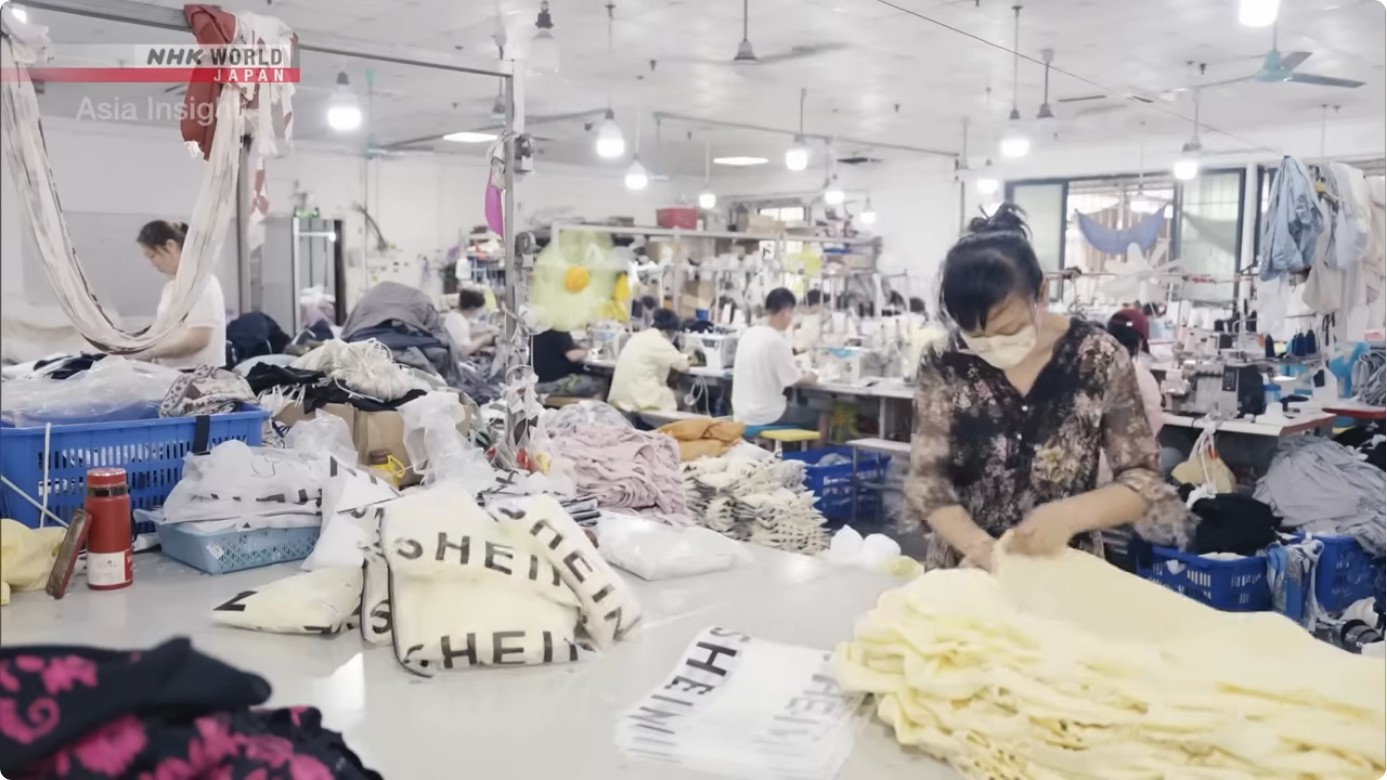
- Quick-Response/Small Batch: Some factories offer 50-100 piece MOQs using stocked fabrics and digital print/embroidery. Ideal for startups, brand launches, or test markets. Per-unit cost is higher.
- Standard OEM: Typical MOQs range from 300-1,000 pieces per style/color. This is the most common range for wholesale.
- Large Volume/ODM: For private label of a manufacturer’s own design, MOQs can be 3,000+ pieces but offer the lowest unit cost.
Critical Question: Ask about production phasing. Can your order be split into multiple shipments (e.g., 300 now, 700 later) to manage cash flow and storage? This is often negotiable.
Sourcing Checklist: What to Verify Before You Order
Use this list during your vendor evaluation and sample approval process.
- [ ] Fabric Specs Confirmed: Fiber composition, GSM (weight), and fabric source (mill name/number) are documented in your contract.
- [ ] Pre-Production Sample Approved: You have a physical sample with your exact fabric, trim, color, and decoration. It has been wear-tested and washed.
- [ ] Size Set Approved: You have measured a sample from each size (S, M, L, XL) against the approved spec sheet. Do not assume perfect grading.
- [ ] Decoration Durability Tested: The print/embroidery has survived at least 5 home-laundry wash cycles per AATCC test methods without significant fading, cracking, or peeling.
- [ ] Compliance Documentation: You have or will receive required labels (care, country of origin, fiber content) and any certifications (OEKO-TEX®, CPSIA for children’s if applicable, etc.).
- [ ] Clear Payment Terms: Understand the deposit (typically 30-50%) and balance payment schedule, often tied to a pre-shipment inspection.
Final Considerations: Balancing Cost, Quality, and Brand
Sourcing a custom men’s sleeveless tank top is a exercise in managing trade-offs. A higher GSM cotton jersey will feel premium but cost more and may not wick moisture as well as a lightweight polyester. A complex all-over print requires a flawless fabric base. A very low MOQ will increase your per-unit cost and may limit fabric choices.
Your brand’s positioning dictates the acceptable point on these spectrums. A premium performance brand must invest in fabric technology and seamless construction. A promotional brand can optimize for the lowest viable cost with a basic cotton/poly blend. A fashion brand may prioritize a unique garment dye process or an exclusive fabric finish.
Engage your manufacturing partner as a consultant. Share your why: “We need this tank for our yoga studio members—comfort and modesty during inversions are key,” or “This is for our skate team—durability and a relaxed fit are essential.” The right manufacturer will then guide you toward the optimal armhole cut, fabric weight, and seam type to meet that specific need, not just sell you a generic product.
Ready to Source Your Custom Tank Tops?
Navigating fabric swatches, tech packs, and MOQ negotiations can be complex. The right manufacturing partner simplifies this process, offering transparent specs, reliable sampling, and scalable production that matches your business stage. They should help you translate your brand’s vision into a tangible, high-quality garment that performs in your customers’ hands.
Planning to add these styles to your collection? We produce custom versions with your branding, fabric choice, and sizing — from sample to bulk. Contact our team for details.
You may also like: Home vs Away Jersey: A Custom Sportswear Buyer’s Comparison Guide
[…] Also read: The Men’s Sleeveless Tank Top: A Sourcing Guide for Brands & Buyers […]