
The modern woman’s wardrobe is built on versatility. Pieces that transition seamlessly from a client meeting to a casual Friday, from a smart lunch to a remote workday, are in high demand. At the center of this versatility is the business casual sweater for women. It’s not just a knitwear item; it’s a cornerstone of a functional, polished capsule wardrobe. For fashion brands, retailers, and corporate outfitters, understanding this specific category—its construction, fabrics, and design nuances—is critical to sourcing products that meet real-world expectations and stand out in a crowded market.
This guide bridges the gap between the end-consumer’s desire for style and comfort and the buyer’s need for reliable, customizable manufacturing. We will deconstruct what makes a sweater truly “business casual,” explore the key specifications that affect quality and cost, and outline the practical steps and considerations for bringing your custom vision to life with a manufacturing partner.
Defining the “Business Casual Sweater” for the Modern Woman
While “business casual” can be nebulous, for women’s sweaters, it converges on a specific set of characteristics: a polished aesthetic without being formal, comfortable enough for all-day wear, and constructed from fabrics that convey quality. It avoids overly casual elements like heavy graphics, distressed details, or sporty logos (unless subtly branded). It also avoids the stiffness of traditional tailored blazers or wool suits. The sweet spot is elevated knitwear that looks intentional and sophisticated in a professional setting.
For sourcing, this definition dictates your material and design choices. A factory needs to know if you’re aiming for the refined drape of a fine-gauge merino or the textured approachability of a cotton-modal blend. The target use case—daily office wear, travel, or smart-casual events—will guide these decisions.
Key Differentiators from Casual & Formal Knitwear
- Fabric Hand & Finish: Business casual sweaters prioritize a smooth, clean surface (no pilling, fuzzing, or heavy slubbiness) and a substantial, yet fluid, drape. They often use finer yarns and tighter knits than a chunky weekend sweater.
- Design Simplicity: Details are minimal and elegant. Think clean necklines (crew, V-neck, scoop), subtle肩线 (set-in or raglan for better mobility), and refined finishes like clean-bound edges or subtle ribbing. Pockets, if present, are often discreet (e.g., hidden side-seam pockets).
- Color Palette: The palette leans towards neutrals (black, charcoal, navy, camel, cream, grey) and sophisticated jewel tones or muted pastels. Bright, neon, or overly trendy seasonal colors are less common in core business casual lines.
Core Features & Specifications That Drive Sourcing Decisions
When requesting quotes or discussing production with a factory, the details you provide directly determine the product’s cost, quality, and market fit. Here are the primary levers you will pull.
1. Fabric & Fiber Composition
The fiber content is the single most important factor determining performance, feel, cost, and care requirements. Your choice signals the sweater’s price point and target customer.
| Fabric Type | Key Characteristics for Business Casual | Sourcing Considerations & Typical MOQ Impact |
|---|---|---|
| Merino Wool (Fine, e.g., 18-24 micron) | Natural temperature regulation, odor-resistant, soft next-to-skin, elegant drape. Premium perception. | Higher cost per meter. Requires careful handling in production to avoid shrinkage. May have higher MOQs due to specialized yarn sourcing. Ideal for high-end collections. |
| Wool Blends (e.g., Wool/Polyester, Wool/Nylon) | Improved durability, wrinkle resistance, and shape retention vs. 100% wool. Often more cost-effective. | Excellent balance of performance and price. Widely available. MOQs are standard. A very common choice for reliable business casual wear. |
| Cotton & Cotton Blends (e.g., Cotton/Modal, Cotton/Polyester) | Breathable, familiar hand feel, easy care. Blends add softness (Modal) or wrinkle resistance (Polyester). | Generally lower cost than wool. Very scalable production. Perfect for warm-weather or year-round basics. Watch for pilling on 100% cotton knits. |
| Performance Knits (e.g., Polyester with moisture-wicking finishes) | Highly wrinkle-resistant, quick-drying, often with four-way stretch. Best for travel or “athleisure” leaning business casual. | Can be very cost-effective at scale. Enables technical features. May lack the premium “natural” feel. Verify the finish’s durability through wash testing. |
Note: Always request and test fabric swatches. For wool-based fabrics, inquire about the Woolmark certification or equivalent to verify quality claims.
2. Fit & Construction
The silhouette is a major selling point. For women’s business casual, the trend is towards a “tailored relaxed” fit: not tight, but not boxy. It should skim the body and allow for layering.
- Pattern Making: A good pattern will have ease built in for movement (0.5-1.5″ depending on fabric stretch). Request the tech pack to include detailed measurement specs (bust, waist, hip, length, sleeve length).
- Seams & Finishing: Look for flatlock or covered seams on shoulders and sides for comfort and a clean interior. Necklines should be neatly bound or finished with a high-quality rib. Seam allowance consistency is a direct marker of factory quality control.
- Hem: A clean, even bottom hem is non-negotiable. It should lie flat without rolling.
3. Design Details & Branding
How will your brand be represented? Options range from minimalist to prominent.
- Labels: Woven labels (neck/shoulder), printed labels (care/brand), or hangtags. Discuss placement and material (twill, satin, cotton).
- Subtle Branding: Small embroidered chest logo, tone-on-tone jacquard pattern, or a unique button. These require precision and add cost per unit.
- No Visible Branding: A “stealth” option for wholesale to other brands or for a minimalist line. The quality of the knit and fit becomes the selling point.
Production & Sourcing: What You Need to Communicate
Translating a design concept into a production-ready order requires clear communication. Here is a checklist for your initial factory inquiry.
The Essential Pre-Production Checklist
- Tech Pack: Provide a comprehensive tech pack with flat sketches, detailed construction notes, fabric specs (weight, composition, finish), trim details, and a full size chart with grading rules.
- Reference Samples: If possible, provide a physical sample or high-resolution images of the exact look, feel, and construction you want. This is the single best way to avoid misinterpretation.
- Fabric Sourcing: Will you source and provide the fabric, or will the factory? If they source, specify the mill or at least the required performance standards (e.g., “150gsm, 80/20 cotton/poly, enzyme-washed finish”).
- Quantity & Size Break: Provide your target order quantity and the planned size distribution (e.g., XS:10%, S:20%, M:30%, L:25%, XL:15%). This affects fabric consumption calculations and pricing.
- Quality Standards: Define acceptable quality limits (AQL) for defects. Specify key inspection points: fabric inspection, first sample approval, mid-production check, final pre-shipment inspection.
Understanding MOQs and Cost Drivers
Minimum Order Quantities (MOQs) vary by factory, fabric availability, and customization level.
- Standard Knitwear MOQ: Typically 300-500 pieces per style/color for basic knitwear using standard fabrics.
- Lower MOQ Options: Some factories offer “mini” collections or have separate lines for smaller brands (e.g., 100-200 pcs), often at a higher per-unit cost.
- Cost Drivers: The main factors are fabric cost, yarn count/fabric weight, knitting complexity (simple jersey vs. textured stitch), number of colors (yarn dyeing is more expensive than piece dyeing), and embellishment (embroidery, special labels).
Trade-off: Lowering MOQ often means sacrificing some customization or accepting a higher unit price. Be transparent about your budget and volume goals to get realistic proposals.
Practical Use Cases: Who Buys This and Why?
Understanding the end-use helps you tailor your product line.
- Corporate & Uniform Programs: Companies outfitting employees in polished, branded apparel. They prioritize durability, easy care, and subtle, consistent branding. Sizing and consistent fit across orders are critical.
- Direct-to-Consumer (DTC) Fashion Brands: Building a core wardrobe collection. They focus on unique design twists, sustainable fabric stories, and strong branding. Flexibility and design collaboration with the factory (ODM) are key.
- Wholesale & Retail Boutiques: Buying in smaller, curated quantities to complement a larger assortment. They look for trendy-but-timeless styles, competitive pricing, and reliable quality to protect their reputation.
- Sports Teams & Clubs (Non-Athletic):strong>> For supporters’ gear or travel wear that looks smart but feels like activewear. Performance blends with a business casual cut are a perfect fit here.
Navigating Trade-offs and Pitfalls
Sourcing is a series of balanced decisions. Be aware of these common tensions:
- Cost vs. Quality: The cheapest fabric will often pill, lose shape, or feel harsh. Invest in a mid-range fabric for your base styles; it protects your brand’s reputation.
- Complexity vs. Reliability: Intricate stitch patterns or multiple color blocks increase production time and defect rates. For a first order or core item, simplify the design.
- Lead Time vs. Flexibility: Standard production from fabric to finish is 6-10 weeks. Rushing adds cost. Plan your collections accordingly. Textile Exchange offers resources on verifying sustainable material claims, which can add lead time but add significant brand value.
- Size Inclusivity vs. Pattern Costs: Offering a wide size range (e.g., XXS to 3XL) requires more pattern grading and fit testing, increasing development cost. Start with a core S-XL range and expand based on sales data.
Frequently Asked Questions
What is a realistic MOQ for a custom women’s business casual sweater?
For a standard style with common fabrics (cotton/poly blend, wool blend), expect an MOQ of 300-500 pieces per color. Factories with flexible “small batch” capabilities may go as low as 100 pieces, but the per-unit cost will be significantly higher. Complexity in knitting or dyeing will raise the MOQ.
How do I ensure consistent fit across production batches?
1) Insist on a pre-production sample (PP sample) made with the final fabric and approved by you. 2) Provide detailed, graded measurement specs in your tech pack. 3) Consider working with a factory that has an in-house pattern maker who can adjust for fit feedback. 4) Include a fit model specification (height, bust, waist, hip) in your tech pack.
Can I mix and match fabric sources with a factory?
Yes, and it’s common. You can source a specific organic cotton or recycled polyester fabric from a preferred mill and have it shipped to the factory. However, you must account for fabric lead time and ensure the factory is equipped to handle the fabric’s specific properties (e.g., a very delicate silk blend may require different machine settings).
What sustainability certifications should I ask about?
Ask about the specific certifications for the *fabric*, not just the factory. Common ones include GOTS (organic cotton), GRS (recycled materials), OEKO-TEX Standard 100 (harmful substance testing), and Bluesign (environmental & safety). These certifications add cost but are powerful marketing tools for conscious consumers.
Final Considerations: Your Path to a Premium Product
Sourcing the perfect business casual sweater is about aligning the end-user’s need for a polished, comfortable, and versatile garment with the practical realities of manufacturing. By focusing on clear specifications—starting with fabric quality and moving through fit, construction, and branding—you set the stage for a successful partnership. Remember, the sample approval process is your quality control checkpoint. Treat it with rigor. A well-defined tech pack and a transparent conversation about budgets, volumes, and timelines with your factory partner are the foundations of a product that delivers on its promise, for your brand and for the woman wearing it.
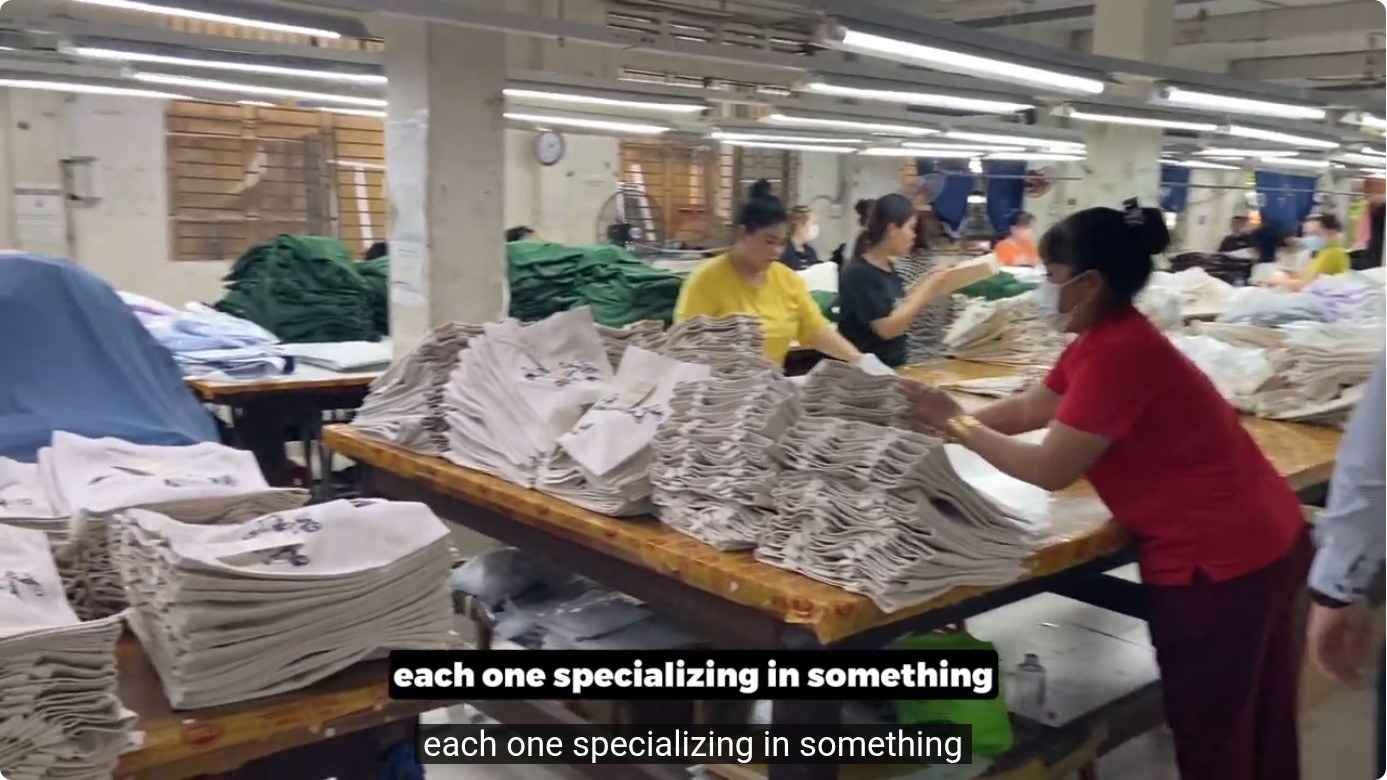
Need custom versions of any style covered here? Our sportswear factory handles everything from tech pack review to bulk delivery. Request a sample or quote.