
If you’re researching sportswear manufacturing, a common starting point is examining the supply chains of industry giants. The query “where are Nikes manufactured” reveals a complex, global network that has evolved over decades. For brands, gyms, and retailers exploring custom apparel production, understanding this landscape provides crucial context for making informed sourcing decisions. It highlights the scale, geographic strategies, and operational realities that define modern activewear production—and clarifies what that means for businesses that don’t operate at Nike’s volume.
Nike’s manufacturing model is built on a vast network of independent contract factories, not owned facilities. This “asset-light” approach means the company designs and markets products while outsourcing production to a curated roster of manufacturers worldwide. The geographical distribution of these factories is a strategic calculus of cost, expertise, logistics, and trade policy. For a custom sportswear buyer, the key takeaway is that the “where” is less about a single country and more about a tiered ecosystem of production capabilities, each with distinct implications for quality, cost, and lead time.
Quick Overview: Nike’s Global Manufacturing Footprint
Nike’s products are made across dozens of countries, with production heavily concentrated in Asia. The exact percentages shift yearly based on sourcing strategies, but the core regions remain consistent. This geographic spread is designed to mitigate risk, optimize costs, and be close to key textile hubs. Below is a snapshot of the primary manufacturing regions for Nike footwear and apparel.
Also read: From Sketch to Production: A Designer’s Guide to Custom Sportswear Development
- Vietnam: The single largest production hub for Nike, particularly for footwear. It accounts for roughly 50% of Nike’s footwear production. The country offers a skilled workforce, established supply chains for shoe components, and competitive costs.
- China: Historically the dominant manufacturer, China now represents a smaller but still significant share, especially for high-tech and complex footwear. Production has gradually shifted to other regions, but China remains critical for its advanced materials science and integrated manufacturing clusters.
- Indonesia: A major hub for both footwear and apparel. It shares similar advantages with Vietnam, including a large labor force and growing expertise in athletic shoe construction.
- Other Asia-Pacific: Countries like Thailand, Cambodia, and Malaysia host factories for specific product lines, often focusing on certain materials or assembly techniques.
- The Americas: A much smaller percentage, primarily in the United States, Mexico, and Brazil. This production is typically for niche, high-margin, or “reshored” products aimed at specific regional markets, allowing for faster response times.
This dispersion is a deliberate strategy. By not over-concentrating in one country, Nike protects itself from geopolitical tensions, tariff spikes, labor disruptions, or natural disasters in any single region.
What Nike’s Scale Means for Emerging Brands and Custom Orders
Nike’s supply chain is engineered for massive scale—producing hundreds of millions of units annually. Their contract factories are often immense facilities dedicated almost exclusively to their volume. This creates a fundamental mismatch for the majority of businesses seeking custom sportswear:
- Minimum Order Quantities (MOQs): Factories supplying Nike typically have MOQs in the tens of thousands of units per style, per color. A small brand or a gym ordering 500 custom hoodies cannot access this tier of manufacturing.
- Product Focus: These factories are optimized for a narrow set of high-volume, standardized designs. They lack the flexibility for frequent style changes, small batch runs, or the iterative prototyping that custom development requires.
- Communication & Access: As a tiny buyer amidst a sea of giant accounts, you would receive minimal technical support. Your ability to influence material selection, fit adjustments, or quality standards would be virtually nonexistent.
- Lead Times: While efficient for huge runs, the scheduling and logistics for these mega-factories are planned quarters in advance. There is no agility for a 6-8 week turnaround on a custom order.
In essence, Nike’s manufacturing geography is a map of industrial capacity for the global elite. For everyone else, the path to custom production involves finding the right partner within the next tier of manufacturers—those equipped to handle lower volumes, offer design collaboration, and provide direct access to production oversight.
The Smart Alternative: Partnering with a Dedicated OEM/ODM Sportswear Factory
This is where a specialized Original Equipment Manufacturer (OEM) or Original Design Manufacturer (ODM) becomes the strategic choice. Unlike a general trading company that merely brokers orders, a dedicated sportswear factory owns or directly controls its production lines. This structure delivers advantages that directly address the limitations of trying to tap into a Nike-tier supply chain.
Direct Control Over Quality and Process
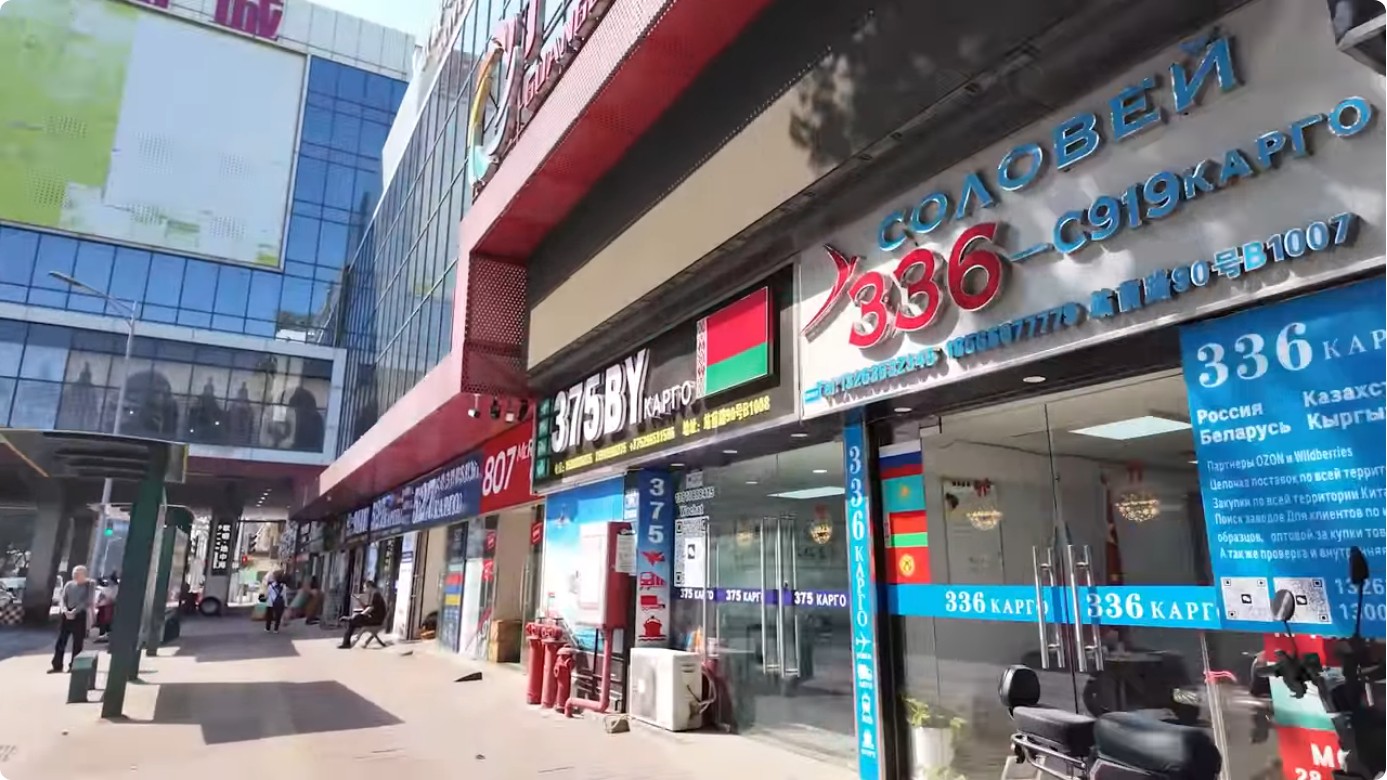
When you work directly with a factory’s engineering team, you can establish clear quality control checkpoints—from fabric inspection and pattern making to pre-production samples and final inspection. You are dealing with the people who will cut, sew, and finish your garments. This line of communication is irreplaceable for resolving fit issues, ensuring print/embroidery alignment, or verifying that performance features (like moisture-wicking treatments or seam taping) are executed correctly. A trading company acts as a filter, often diluting critical technical details.
Flexibility for Custom Development
A factory focused on custom work thrives on the prototype phase. They expect to adjust patterns, source alternative fabrics from their mill network, and produce multiple sample iterations to achieve your desired look and feel. This iterative process is built into their business model, not seen as a costly annoyance. They can accommodate smaller MOQs—often starting in the hundreds rather than thousands—making it feasible for a new brand launch or a corporate team order.
Intellectual Property and Supply Chain Transparency
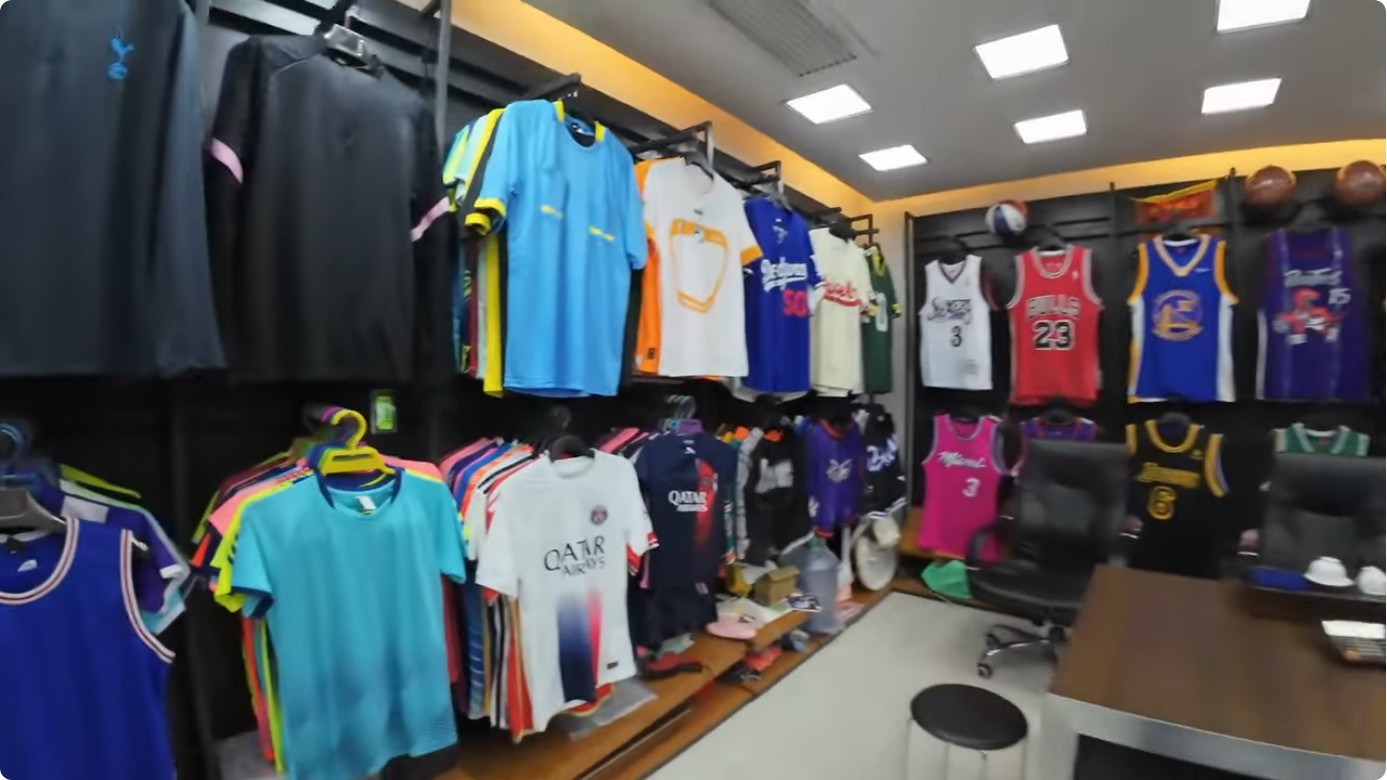
Your designs, tech packs, and brand-specific constructions are your intellectual property. A direct factory relationship, governed by a clear manufacturing agreement, offers better protection than a broker who may work with multiple, shifting sub-factories. Furthermore, you gain transparency. You can (and should) visit the facility, audit its conditions, and verify certifications firsthand. This level of due diligence is nearly impossible when your order is one of many scattered across anonymous subcontractors.
Key Factors in Choosing Your Manufacturing Partner: A Comparison
The decision on how to source your custom apparel should be based on a matrix of practical factors. The following table contrasts the outcomes of working with a dedicated factory versus a general trading company or attempting to engage an ultra-high-volume supplier.
| Sourcing Factor | Dedicated OEM/ODM Factory | General Trading Company | Ultra-High-Volume Supplier (Nike-tier) |
|---|---|---|---|
| Minimum Order Quantity (MOQ) | Flexible. Often 100-500 units/style, negotiable based on product complexity. | Varies widely, but often higher than a direct factory due to their markup layer. | Prohibitively high. Typically 10,000+ units/style/color. |
| Technical Collaboration | High. Direct access to pattern makers, sample machinists, and material sourcers. | Low to medium. Relays requests; may lack in-house technical expertise. | None. You must meet their exact specifications; no customization. |
| Quality Control | Direct &>;可控. You can set QC stages and inspect at source. | Indirect. Relies on the factory’s own QC; you may only see final goods. | World-class, but for their own standards, not yours. |
| Lead Time | Responsive. 4-8 weeks typical for firstorders; faster for repeats. | Longer. Adds communication layers and potential delays in specification clarity. | Very long (6+ months) due to production queue. |
| Cost Structure | Transparent. Factory-gate pricing; you control material and trim specs. | Opaque. Includes broker markup; harder to benchmark true production cost. | Not accessible; pricing is volume-based and confidential. |
| Intellectual Property Risk | Lower. Contractual relationship with the actual producer. | Higher. Broker may use different sub-factories each order; chain of custody is unclear. | Zero. They only produce their own designs. |
Note: “Ultra-High-Volume Supplier” represents factories like those making Nike’s core lines, not the brand itself.
A Practical Checklist for Sourcing Your Custom Sportswear
Before you request quotes, use this checklist to define your project and evaluate potential partners. Clarity here will save weeks of back-and-forth and prevent costly misunderstandings.
- Define Your Product Clearly: Start with a detailed tech pack. Include fabric specifications (weight, composition, feel), construction details (stitch type, seams), trim details (zippers, labels, hangtags), and precise artwork for prints/embroidery. A vague “like this Nike shirt” is useless.
- Determine Realistic Volume & Phasing: What is your initial order quantity? Do you plan repeat orders? Communicating this upfront helps a factory assess if you fit their production capacity and MOQ structure.
- Prioritize Your Must-Haves: Is it fit precision? Specific fabric hand? A particular eco-certification? Knowing your non-negotiables allows you to ask the right questions about a factory’s capabilities and certifications (e.g., Oeko-Tex Standard 100 for有害物质, ISO 14001 for environmental management).
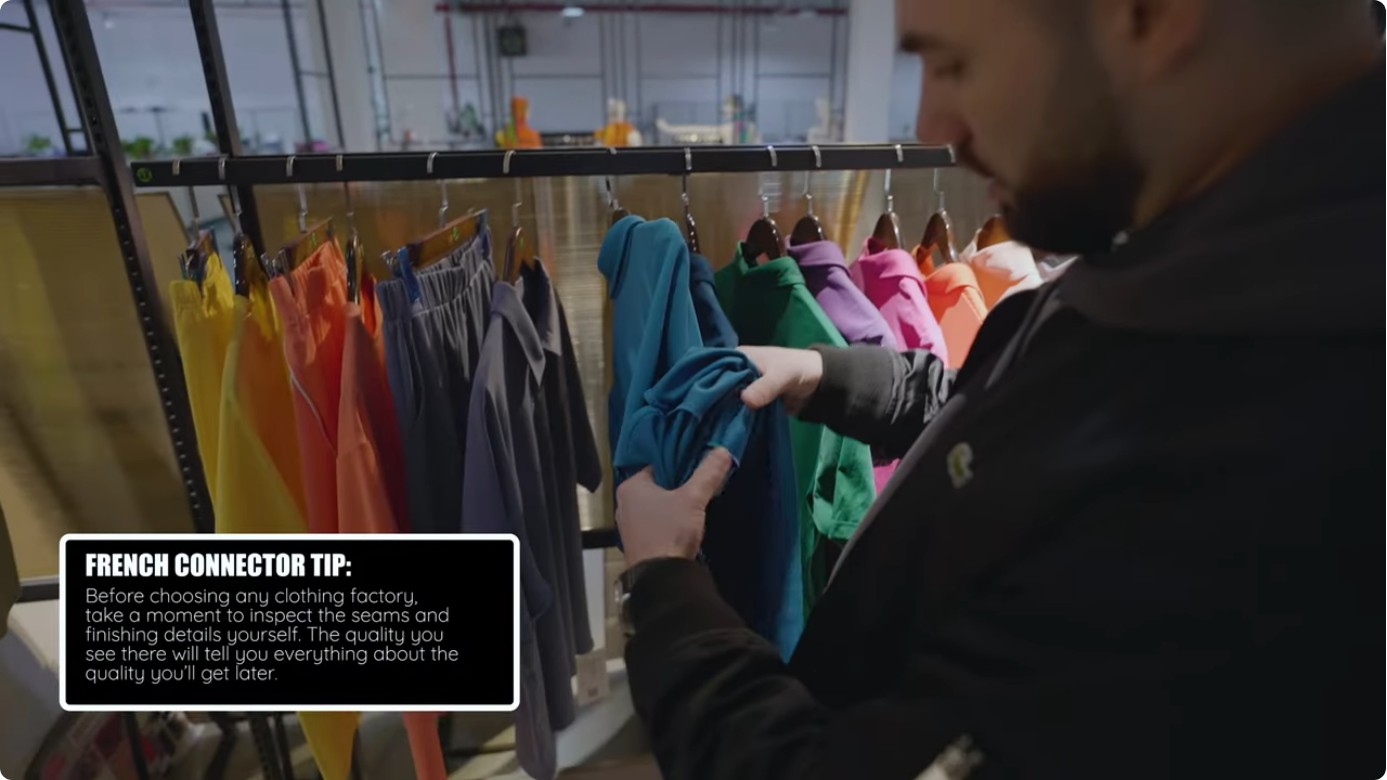
- Request and Evaluate Samples Rigorously: Never proceed without pre-production samples. Wash, wear, and test them. Check stitching, colorfastness, and print durability. Compare samples from 2-3 shortlisted factories.
- Audit or Request Proof: For first-time large orders, a factory audit is invaluable. If that’s not feasible, ask for recent photos/videos of their production floor, quality control station, and warehouse. Request certificates of compliance for any claimed standards.
- Clarify the Entire Cost Breakdown: Get a detailed proforma invoice listing unit cost, tooling/mold fees (if any), sampling costs, shipping terms (Incoterms), and payment schedule. Beware of quotes that seem too low—they often exclude key elements or will result in quality compromises.
Final Considerations: Your Sourcing Strategy Matters
The answer to “where are Nikes manufactured” is a list of countries, but the deeper answer is a lesson in supply chain strategy at scale. For your custom sportswear project, the “where” is less important than the “how” and “with whom.” The goal is to secure a manufacturing partner whose capabilities, scale, and communication style align with your business’s needs—not one that is designed for a multi-billion dollar brand.
A factory that specializes in OEM/ODM for activewear understands the nuances of technical fabrics, performance fits, and the rigors of athletic use. They are equipped to be a collaborative partner in your product development, not just an order fulfiller. This partnership is the foundation for consistent quality, reliable delivery, and a supply chain you can control and explain to your own customers.
Questions to Ask When Evaluating a Custom Sportswear Manufacturer
As you narrow down your options, these questions will uncover the true capacity and reliability of a potential factory partner:
- Can you provide references from clients with similar product types (e.g., performance hoodies, cotton t-shirts) and order volumes?
- What is your standard process for handling pattern revisions and fit approvals? Who is my point of contact for technical issues?
- Do you source fabrics and trims from specific mills? Can you provide material certifications for claims like moisture-wicking, UPF, or sustainable content?
- What are your typical lead times from approved sample to bulk shipment? What factors most commonly cause delays?
- How do you manage quality control for large orders? Is there a dedicated QC manager on my production line?
- What is your policy on defective goods or shipping errors? Is replacement or credit standard?
Getting clear, detailed answers to these questions will reveal whether you’re dealing with a professional manufacturing partner or a simple broker.
Need custom versions of any style covered here? Our sportswear factory handles everything from tech pack review to bulk delivery. Request a sample or quote.
You may also like: Uma Racing Roblox Tier List: Best Uma Ranked & How to Choose