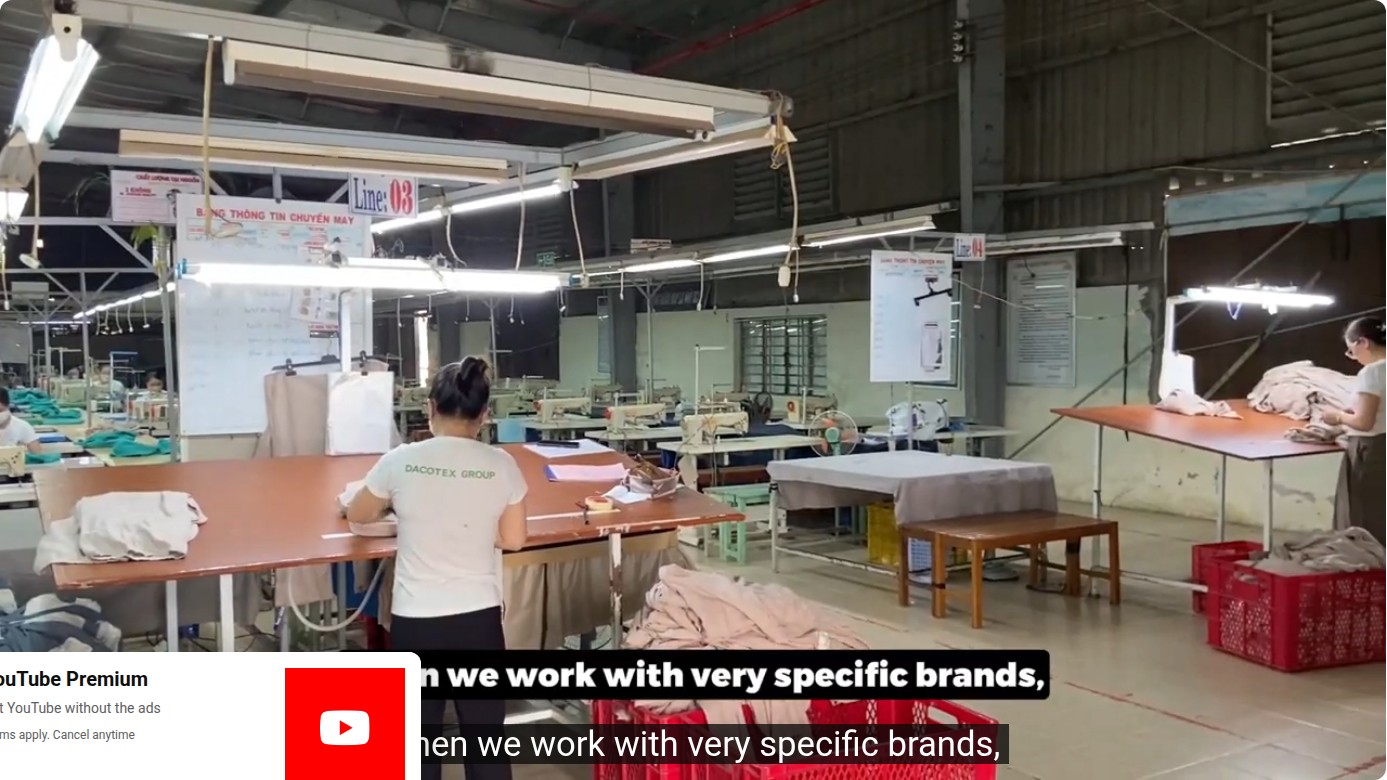
In 2024, the tracksuit has solidified its status as a versatile cornerstone of modern apparel, transcending its athletic origins to become a key item in streetwear, loungewear, and even elevated casual collections. For brands, gyms, and teams, this presents a significant opportunity. However, “new tracksuit design” isn’t just about aesthetics; it’s a complex equation of silhouette, fabric technology, construction, and customization potential. Successfully sourcing or designing one requires understanding the current trend landscape, the technical garment architecture, and the practical realities of manufacturing.
This guide cuts through the noise. We’ll break down the defining characteristics of today’s most relevant tracksuit styles, who is buying them, and the critical manufacturing considerations that will impact your cost, quality, and time to market. Whether you’re a startup brand launching a premium line or a fitness chain outfitting staff, this article provides the actionable framework needed to navigate custom tracksuit production effectively.
Quick Overview: The 2024 Tracksuit Landscape
Before diving into details, here’s a snapshot of the key design directions and their primary applications:
- Modern Retro/Modular: Features bold color blocking, contrast piping, and often mismatched top/bottom styles. Driven by 90s/Y2K nostalgia. Popular in fashion-forward streetwear.
- Technical Performance: Prioritizes advanced fabrics (e.g., moisture-wicking, breathable, 4-way stretch), clean lines, and functional details like zippered pockets. The go-to for gyms, sports teams, and performance-driven brands.
- Elevated Minimalist: Uses luxurious fabrics (e.g., French terry, velour, heavyweight cotton), tonal coloring, and refined finishes like covered seams or subtle branding. Appeals to premium lifestyle brands and resorts.
- Oversized/Relaxed: Characterized by a deliberately loose, comfortable fit across both jacket and pants. Often features dropped shoulders and tapered joggers. A dominant shape in casual and athleisure markets.
Deconstructing the Modern Tracksuit: Silhouette, Fabric & Features
A tracksuit is more than a jacket and matching pants. Its identity is defined by the interplay of fit, fabric, and detail. For a custom buyer, understanding these components is the first step to clear communication with your manufacturer.
1. Silhouette & Fit: The Foundation of the Design
The fit dictates the garment’s purpose and perception. The four primary categories are:
- Classic/Regular Fit: A timeless, slightly loose fit with standard sleeve and leg openings. It’s universally flattering, comfortable, and has the broadest manufacturing tolerance. Ideal for team uniforms, corporate apparel, and mainstream retail.
- Slim/Tapered Fit: Cut closer to the body with a narrower leg that tapers to the ankle. Projects a sleek, modern, and athletic appearance. Requires precise pattern making; a poor fit here is immediately noticeable. Common in fashion-brand tracksuits and performance lines.
- Oversized/Relaxed Fit: Features an intentionally large, boxy silhouette, often with dropped shoulders and wide-leg pants. This is a trend-driven fit that demands specific pattern adjustments to avoid looking simply ill-fitting. It’s a major style driver in 2024 but has a narrower market appeal.
- Athletic/Performance Fit: Similar to slim but engineered with articulated joints (like raglan sleeves) and strategic gussets for maximum range of motion. The priority is function over fashion, though it can be styled.
2. Fabric Selection: The Heart of Performance & Feel
Fabric is the single biggest determinant of cost, hand-feel, durability, and performance. Your choice should align with the end-use.
| Fabric Type | Key Characteristics | Best For | Considerations |
|---|---|---|---|
| Cotton Jersey / Fleece | Soft, breathable, familiar hand-feel. fleece provides brushed warmth. | Casual streetwear, loungewear, basic uniforms. | Can shrink, less moisture-wicking than synthetics, heavy when wet. |
| Polyester/Cotton Blend | Good balance of softness, durability, and wrinkle resistance. Common 60/40 or 80/20 blends. | All-purpose tracksuits, team wear, corporate branding. | Less breathable than pure cotton. Pill potential with lower-quality fleece. |
| Performance Knits (Polyester) | Engineered for moisture-wicking, quick-dry, 4-way stretch, and sometimes anti-odor. | Gym apparel, running teams, high-output activities. | Can feel synthetic/cool to touch. Environmental concerns with virgin polyester; recycled options available (look for GRS certification). |
| French Terry / Loopwheeled | Premium, heavyweight cotton with loops on the inside. Luxurious feel, excellent drape. | Premium lifestyle brands, boutique collections. | Higher cost, limited manufacturing partners, heavier weight. |
| Velour / Terry Velvet | Plush, soft pile surface. Highly tactile and premium-looking. | Luxury loungewear, resort wear, high-end casual. | Specialized production, prone to crushing, higher price point. |
3. Key Design Features & Details
The details transform a basic tracksuit into a branded product. Common features to specify include:
- Jacket Style: Full-zip vs. quarter-zip vs. pullover. Full-zip is most versatile for layering and ventilation.
- Collar & Cuffs: Rib-knit vs. self-fabric binding. Rib is more common and elastic; binding is a cleaner, minimalist detail.
- Pockets: Side slant pockets, zippered pockets, patch pockets, hidden pockets. Consider function (security vs. ease) and aesthetic impact.
- Pants Style: Joggers (elasticated cuffs) vs. straight-leg (open hem). Joggers dominate the market for their clean look.
- Waistband: Drawstring (elastic is common in cheaper versions). A covered elastic waistband with a functional drawstring is a mark of quality.
- Seams & Construction: Flatlock seams reduce chafing. Covered seams (where the raw edge is hidden) offer a cleaner, more premium look. ISO 13937 testing standards can guide seam strength requirements for performance gear.
The Customization Spectrum: From Logo to Full ODM
This is where your sourcing strategy comes alive. Customization exists on a spectrum, and your needs dictate where on that spectrum you should work with a factory.
OEM (Original Equipment Manufacturing) – The Standard Custom Path
You provide the complete design (tech pack, specs, fabric swatch). The factory produces it exactly to your instructions. This is ideal for brands with established design capabilities.
- What you customize: Every single detail—fabric, fit, color, trims (zippers, cord locks), logo placement (embroidery, screen print, heat transfer, woven label), and packaging.
- Key consideration: You are responsible for design accuracy and sourcing approved fabrics (unless the factory stocks them). Requires a detailed tech pack.
- Typical MOQ: Varies widely by factory and complexity, but often 300-500 units per style/color. Lower for basic items using stock fabrics.
ODM (Original Design Manufacturing) – The Partner Path
You work with the factory’s in-house design team to select or modify an existing style (their “catalog”). This is faster and less design-intensive for you.
- What you customize: Primarily fabric, color, and branding (logo, label). Fit and base silhouette are from the factory’s pattern.
- Key consideration: You are limited to the factory’s existing designs and their quality standards. Great for market testing or brands without in-house pattern makers.
- Typical MOQ: Often lower than pure OEM, sometimes as low as 100-200 units per style, as patterns and tooling already exist.
Critical Sourcing Decision Points
When engaging a factory, clarify these points upfront to avoid costly mistakes:
- Fabric Sourcing Authority: Who sources the fabric? If you source, can the factory approve it for production? Do they have a network of trusted mills? Ask for mill certifications.
- Pattern Making & Fit: Is the pattern made in-house? How many fit samples are included in your quote? Who pays for subsequent fit adjustments? A good factory will guide you on fit adjustments for different body types.
- Minimum Order Quantity (MOQ) by Component: MOQ isn’t just per garment. It’s also per fabric color, per fabric type, and per logo application method (e.g., embroidery thread colors). A “200-piece MOQ” might mean 200 pieces in one color using one logo placement technique.
- Lead Time vs. Seasonality: A “new tracksuit design for 2024” is only relevant if it’s ready for your season. Standard production from tech pack approval to delivery is 8-12 weeks, but can extend to 16+ for complex designs or during peak seasons. Factor this into your calendar.
- Quality Control Stages: Insist on pre-production sample approval (fabric, color, logo), and a mid-production sample check. Final inspection before shipping is non-negotiable. Understand what their QC process entails.
Who Is Buying What? Aligning Design with Buyer Persona
The “right” tracksuit design is entirely dependent on your customer. Here’s how needs differ:
- Fashion Brands & Streetwear Labels: Seek differentiation. They prioritize unique silhouette (oversized, cropped), premium fabrics (French terry, velour), and bold, strategic branding. They often work in smaller batches and value a factory’s ability to handle complex construction. Look for: Strong sample room, flexibility, experience with fashion-forward construction.
- Gyms, Sports Teams & Corporate Buyers: Prioritize consistency, durability, and performance. They need reliable sizing, colorfastness, and fabrics that withstand repeated washing and wear. Branding is usually large and central (chest logo, sleeve stripe). Look for: Experience with teamwear, knowledge of performance fabric certifications (Oeko-Tex Standard 100 for safety), robust quality control.
- Wholesalers & Retailers: Need cost-effective, crowd-pleasing designs with reliable sizing. They often order a wide size range (XS-5XL) and multiple colors. Trend adoption is key but must be balanced with fit reliability. Look for: Efficient production, consistent grading of patterns, ability to handle large volume with stable quality.
- Startups & Small Brands: Often constrained by budget and MOQ. They benefit most from the ODM model, selecting a high-quality base style and adding their unique logo and colorway. They must be extremely clear on cost breakdowns (fabric, cut, sew, trim, logistics).
Actionable Questions Before You Source
Before you contact a factory, answer these questions to ensure productive discussions:
- What is the primary use case and user? (e.g., “High-intensity gym session” vs. “Weekend errand wear”)
- What is our non-negotiable budget per unit, and what is our target retail price?
- Do we have a finalized tech pack, or do we need design partnership (ODM)?
- What is our absolute minimum order quantity to be viable?
- Which certifications are required for our market? (e.g., safety, sustainability, performance)
- Do we have a reference garment for fit and feel?
Answering these will filter manufacturers and lead to accurate quotes.
Need custom versions of any style covered here? Our sportswear factory handles everything from tech pack review to bulk delivery. Request a sample or quote.