
While the classic pullover hoodie is a staple in any activewear catalog, its shorter-sleeved counterpart offers a distinct blend of functionality and style that resonates across multiple markets. For brands, gyms, and teams sourcing custom apparel, the short-sleeve hoodie isn’t just a seasonal variant—it’s a strategic product that bridges the gap between a technical layer and a casual statement piece. Understanding its construction, audience, and customization potential is key to leveraging it effectively in your product line or uniform program.
This guide breaks down the short-sleeve hoodie from a manufacturer’s perspective. We’ll explore what defines the style, who buys it, and the critical production considerations—from fabric selection to logo placement—that impact your cost, quality, and time-to-market. Whether you’re a startup brand launching a streetwear collection or a fitness chain outfitting staff, this article provides the actionable insights needed to source this style with confidence.
Defining the Style: Silhouette, Fit, and Core Function
The short-sleeve hoodie, sometimes called a “short-sleeve hoody” or “sleeveless hoodie” (though true sleeveless is a different cut), maintains the essential DNA of its long-sleeve sibling: a hood with drawstrings, a kangaroo pocket (or split pockets), and a relaxed, often fleece-lined body. The key differentiator is, of course, the sleeve length, typically ending mid-bicep or just above the elbow. This silhouette creates a more breathable, less restrictive garment ideal for transitional weather or high-movement activities where full sleeves are cumbersome.
More advice: The Evans Group TEG: A Manufacturer’s Guide to This Performance Knit Fabric
The fit is generally relaxed or “athletic loose,” allowing for layering over tanks or tees. However, fit can be precisely tuned during the pattern-making phase of ODM services—from a slim, fashion-forward cut to a boxy, unisex streetwear profile. The lack of full sleeves also changes the garment’s drape and weight distribution, which influences how logos and graphics present on the chest and back.
Typical Fabrications and Their Implications
Fabric choice is the first major decision point, as it dictates cost, feel, durability, and customization compatibility. Short-sleeve hoodies commonly use:
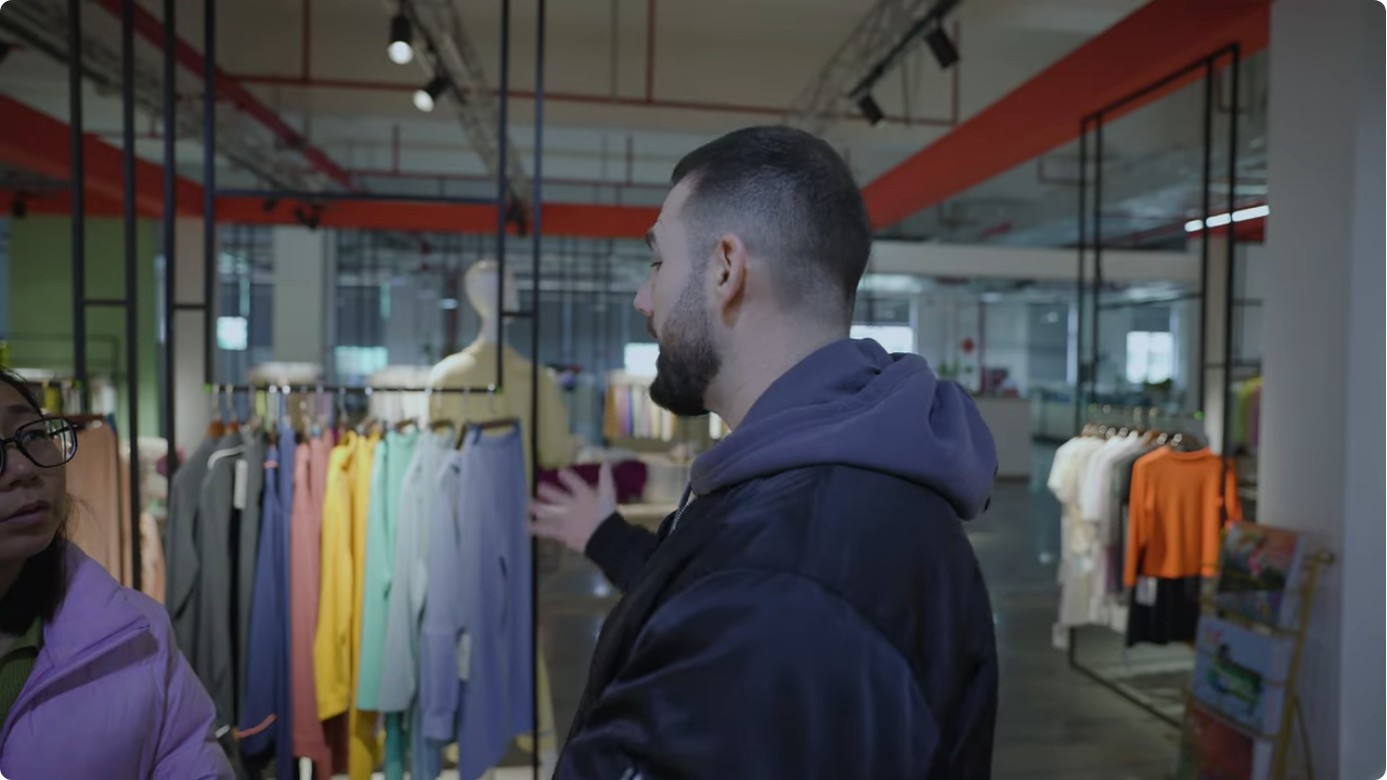
- French Terry / Loopwheeled Cotton: A premium, breathable knit with a smooth face and looped back. Highly valued for its natural feel and texture. Excellent for print and embroidery but can have higher shrinkage rates, requiring pre-shrinking processes.
- Brushed Fleece (Cotton/Poly Blend): The most common construction. Brushing creates a soft, insulating nap on the interior. A 60/40 or 80/20 cotton/poly blend offers a good balance of softness, durability, and reduced shrinkage. Polyester content enhances moisture-wicking and colorfastness.
- Performance French Terry / Moisture-Wicking Knits: Technical fabrics with polyester or nylon bases, often with added stretch (e.g., 5% spandex). These are engineered for gym and training use, prioritizing sweat management and range of motion. They require specific ink or branding techniques.
- Lightweight Jersey: Less common but used for summer-weight or fashion-forward versions. Lacks the insulation of fleece but offers maximum breathability and a cleaner drape for bold graphic prints.
Production Note: Fabric weight (GSM) is crucial. A 280-320 GSM fleece is standard for year-round wear. Lighter weights (220 GSM) may feel flimsy for some applications, while heavier (360 GSM) can be too hot for short sleeves, defeating their primary purpose. Request fabric swatches during your sampling phase to assess hand feel and thickness.
Primary Buyers and Use Contexts
The short-sleeve hoodie’s versatility drives demand across several B2B segments. Your target buyer likely falls into one of these categories:
| Buyer Segment | Typical Use Case | Key Sourcing Priorities |
|---|---|---|
| Fashion & Streetwear Brands | Seasonal collections, lifestyle drops, logo-centric designs. | Unique silhouettes, premium fabrics, bold graphic placement, trend-right colors. |
| Gyms & Fitness Studios | Staff uniforms, member merch, pre/post-workout layer. | Durability, moisture management, clean logo placement (chest/back), cost-effective bulk pricing. |
| Corporate & Promotional | Company swag, event giveaways, team building apparel. | Low cost per unit, straightforward branding (chest logo), quick turnaround, wide size range. |
| Sports Teams & Clubs | Warm-up tops, travel wear, fan apparel. | Team color accuracy, player name/number customization, consistent fit across sizes, breathability. |
Understanding your end-user’s environment is critical. A hoodie for a weightlifting gym needs different fabric durability than one for a casual skate shop. This context should directly inform your spec sheet to the manufacturer.
Customization Options: From Fabric to Final Stitch
OEM and ODM services for short-sleeve hoodies offer a spectrum of customization. Here’s where you can differentiate your product:
1. Fabric & Trim Sourcing
You can typically select from the factory’s in-house fabric library or, for larger volumes, source custom fabrics. Specify GSM, composition (e.g., 100% organic cotton), and finish (e.g., garment-dyed vs. piece-dyed). Trim includes hood drawstrings (material, color, aglet type), pocket style (kangaroo vs. welt), and rib knit at the hem/cuffs (width, elasticity). Trade-off: Custom fabric sourcing increases MOQ and lead time significantly.
2. Fit & Pattern Development
For ODM, you provide a tech pack or sample, and the factory develops or modifies a pattern. Key measurements include shoulder width, chest body, sleeve length, and hood depth. A “muscle fit” with broader shoulders and tapered sleeves differs from a “relaxed” boxy cut. Critical to verify: The factory’s pattern grading accuracy across sizes (S-5XL) to ensure consistent fit.
3. Branding & Graphics Placement
The short sleeve changes the “canvas.” Common placement zones include:
- Chest (left/right): Standard for logos. Works on all fabric types.
- Back (full back or yoke): High-visibility area. Requires careful design to avoid distortion over the shoulder blades.
- Sleeve: A popular spot for small logos, flags, or sleeve stripes. Ensure the manufacturer accounts for sleeve curvature in pattern making to prevent graphic warping.
- Hood: Interior or exterior lining prints, drawstring tip attachments.
Techniques include screen printing (cost-effective for high volumes), embroidery (premium feel, best on thicker fleece), and DTG (ideal for complex, multi-color graphics on light fabrics). Performance fabrics often require sublimation or specialized plastisol inks.
4. Color & Finishing
Choose from standard color cards or request custom dyeing (PMS match). Consider garment-dyeing for a softer, worn-in look, though it can cause slight color variations. Finishing details like double-needle stitching on seams and bar-tacking at stress points (pocket corners, hood juncture) signal quality.
Production & Sourcing Decision Points
Navigating production requires asking the right questions. Here’s a practical checklist for your vendor evaluation:
- Minimum Order Quantity (MOQ): Standard MOQs for custom hoodies can range from 50 to 500 units per style/color. Short-sleeve versions may have higher MOQs if using special fabrics or complex branding. Negotiate based on total annual volume.
- Sampling Process: Insist on a pre-production sample (PP sample) made with your exact fabric, trim, and branding. This is your final approval checkpoint before bulk cut.
- Lead Time: From approved sample to shipment, expect 4-8 weeks for standard production. Custom fabrics or intricate embroidery can extend this. Factor in shipping time (sea vs. air freight).
- Cost Drivers: The top three are fabric quality/type, branding technique (embroidery > print > DTG), and order volume. A simple chest logo on a 280 GSM cotton/poly blend will be the most cost-effective configuration.
- Quality Control: What are their AQL (Acceptable Quality Level) standards? Request photos of their inspection process. Pay special attention to stitch density, print adhesion, and hood symmetry.
- Compliance & Certifications: For brands targeting global markets, ensure the factory can provide relevant certifications, such as GOTS for organic cotton, bluesign® for sustainableChemistry, or SGS test reports for safety and performance standards.
Common Buyer Questions, Answered
Q: Can I get a low MOQ for a custom-fit short-sleeve hoodie?
A: Yes, but with caveats. Factories often have “standard fit” patterns with lower MOQs (e.g., 100 units). For a fully custom pattern (unique sleeve length, hood size), expect MOQs of 300-500 units as they must create and grade a new pattern. Some ODM specialists offer “development fees” that can be applied toward a larger first order to offset pattern costs.
Q: Is embroidery on short sleeves problematic because of the lack of fabric bulk?
A: It can be. Thin or stretchy fabrics may “puck” or show the backing material. Solution: Use a small, dense logo (under 3 inches), choose a fabric with at least 280 GSM, and request a stitch sample on your chosen fabric. Some manufacturers use a specialized stabilizer for thinner materials.
Q: How do I ensure consistent color across different fabric types (e.g., cotton vs. polyester)?
A: This is a common challenge. Always use a physical Pantone color swatch (TPG or TCX for textiles), not just a digital code. For blends, dyeing the cotton and polyester components separately and then blending them (heather effect) yields the most consistent result. For 100% polyester, use a polyester-specific dye process.
Q: What’s the biggest mistake buyers make when sourcing this style?
A: Under-engineering the hood. The hood is a critical, visible component. Specify the hood’s construction: is it a separate piece sewn on? Is it lined? What is the interior fabric? A flimsy, poorly shaped hood cheapens the entire garment. Request a close-up sample of the hood construction.
If you’re looking to source or customize any of the styles mentioned above, our factory offers low MOQ OEM/ODM production with full sampling support. Get a free quote today.
Helpful tip: The Strategic Guide to London Premier League Teams for Custom Sportswear Sourcing