
If you’re sourcing custom activewear, you’ve likely encountered the term “TEG” in fabric swatch books or supplier spec sheets. Often referenced in conjunction with “The Evans Group,” TEG denotes a specific category of performance knit fabric engineered for stretch, recovery, and comfort. It is not a single fabric but a family of constructions—typically a single or double knit with built-in elasticity, often using a blend of polyester, nylon, and spandex or elastane. For brands, gyms, and wholesale buyers, understanding TEG is crucial because it sits at the intersection of cost, performance, and manufacturability for custom sportswear. This guide breaks down what TEG is, where it excels, and the critical production considerations you must address when ordering it custom.
The name originates from textile engineering standards, with “The Evans Group” historically linked to fabric development and testing protocols that defined the performance benchmarks for such knits. Today, while the specific corporate entity may have evolved, “TEG” remains an industry shorthand for a reliable, mid-weight stretch knit. It is distinct from lightweight performance mesh or heavy fleece, offering a balanced hand feel and structure suitable for a wide range of apparel from yoga leggings to lightweight hoodies and tracksuit bottoms.
What Matters Most When Sourcing TEG Fabric
Before diving into details, focus on these three non-negotiable decision points. Your choice here will dictate your product’s feel, durability, and cost structure.
- Stretch & Recovery Ratio: This is the defining characteristic. You must specify the desired stretch percentage (e.g., 20%, 30%, 40%) and, more importantly, the recovery rate—how well the fabric returns to its original shape after stretching. Low recovery leads to bagging. A factory needs this target number to select the right elastane content and knit construction.
- Fabric Weight (GSM): TEG typically ranges from 220 GSM to 320 GSM. Lower weights (220-260 GSM) are ideal for warmer climates, base layers, and drapey fits. Higher weights (280-320 GSM) provide more opacity, durability, and structure for outerwear or colder conditions. Your choice impacts both performance perception and production cost.
- Composition & Mill Origin: The ratio of polyester/nylon to elastane is a primary cost driver. A 92% Polyester / 8% Elastane construction is a common, cost-effective baseline. For premium hand-feel and moisture management, consider nylon-rich blends (e.g., 80% Nylon / 20% Elastane). The fabric mill’s reputation is a major quality indicator; mills in Taiwan, South Korea, and China have varying specializations.
Technical Deep Dive: Deconstructing the TEG Construction
TEG fabrics are primarily produced via circular knitting machines. The “TEG” specification often refers to a particular gauge and stitch pattern that creates a smooth, stable face with a slightly textured back. Here’s what the technical specs mean for your final product:
Knitting Structure and Its Effects
The most common TEG construction is a single jersey with Lycra® (a branded elastane). However, for items requiring better shape retention and less curl, a double knit (or interlock) construction is used. This sandwiches the elastane yarn between two fabric layers, resulting in a thicker, more stable, and reversible fabric. For a buyer, the choice is:
- Single Jersey TEG: Softer hand, more drape, lower cost. Can curl at edges. Best for t-shirts, tank tops, and lightweight leggings.
- Double Knit TEG: Firmer hand, superior recovery, no curl. Higher cost and weight. Best for structured pieces like joggers, fitted hoodies, and performance bras.
Note: For a definitive understanding of construction terms, refer to resources from the Textile Institute or similar industry bodies.
Fabric Finishes: Beyond the Base Cloth
Raw TEG fabric undergoes post-processing that dramatically alters its performance and aesthetics. When specifying your custom order, you must decide on finishes:
- Brushed vs. Unbrushed: Brushing raises the fibers on one or both sides, creating a soft, suede-like hand (common in premium hoodies). Unbrushed is smoother and more technical. Brushing adds cost and can slightly reduce maximum stretch.
- DWR (Durable Water Repellent): A coating that causes water to bead and roll off. Essential for outdoor or all-weather tracksuits. Must be reapplied over the garment’s life; specify if you need this.
- Antimicrobial & Moisture-Wicking: These are chemical treatments applied to the yarn or fabric. They are standard for performance activewear. Verify the treatment’s durability through wash testing standards like AATCC 100 (antibacterial) or ASTM D 7378 (moisture management).
Primary Use Cases & Performance Trade-offs
TEG’s versatility is its greatest strength, but it has limits. Matching the fabric to the garment’s intended use is the first step in a successful custom order.
| Garment Type | Recommended TEG Spec | Why It Works | Key Trade-off |
|---|---|---|---|
| Yoga Leggings / Tights | Double Knit, 260-280 GSM, 20-30% Elastane, Nylon-rich | High recovery for fit retention, opacity, smooth hand. | Higher cost vs. single jersey; can feel warm in hot yoga. |
| Fitted T-Shirts & Tanks | Single Jersey, 220-240 GSM, 8-12% Elastane | Excellent drape, softness, and freedom of movement. | Less structure; may show sweat patches; edge curl possible. |
| Joggers & Sweatpants | Double Knit, 280-320 GSM, brushed face, 8-10% Elastane | Substantial feel, warmth, excellent shape hold in motion. | Heavier; less ideal for intense cardio due to weight. |
| Lightweight Hoodies | Single Jersey, 260-280 GSM, brushed, 8-10% Elastane | Soft interior, good drape, comfortable for casual wear. | Less durable at high-stress seams (shoulders, underarms). |
| Compression Base Layers | Double Knit, 240-260 GSM, high-compression Elastane % | Muscle support, minimal fabric shift, power return. | Very tight fit; requires precise grading; higher material cost. |
A critical note: TEG is generally not suitable for high-impact, abrasive sports like rock climbing, motocross, or heavyweight football padding. For these applications, you need reinforced fabrics (e.g., with Cordura® panels) or entirely different constructions like woven stretch canvas.
Custom Manufacturing: Options, MOQs, and Production Realities
When moving from a fabric swatch to a full production run, you enter the realm of OEM (Original Equipment Manufacturing) or ODM (Original Design Manufacturing). Here’s what to expect.
Customization Levers You Can Pull
A factory can customize TEG fabric in several ways, each affecting cost and lead time:
- Color: Custom dyeing is standard. Minimums apply (often 500-1,000 kg per color). Pantone® matching is typical; be prepared for lab dip fees.
- Weight (GSM): Mills can adjust knitting tension to hit targets within a range (e.g., 250 +/- 10 GSM). Significant deviations require machine re-tuning.
- Blend Ratio: You can specify the exact percentage of polyester, nylon, and elastane. However, mills have standard “recipes” that are most efficient. Deviating from these (e.g., 85% Nylon / 15% Elastane) can increase minimum order quantities (MOQs) by 2-3x due to the need for dedicated yarn sourcing.
- Fabric Width: Standard circular knit widths are ~150-160cm. Your pattern maker must account for this to maximize fabric utilization and minimize cost.
Understanding MOQs and Lead Times
“Minimum Order Quantity” is the floor that determines if a factory will engage. For custom-knit TEG fabric, the MOQ is typically based on total fabric weight.
- Fabric MOQ: For a standard TEG construction from a mill’s existing yarn inventory, expect 800-1,200 kg. For a fully custom composition or unusual width, the MOQ can jump to 2,000-3,000 kg.
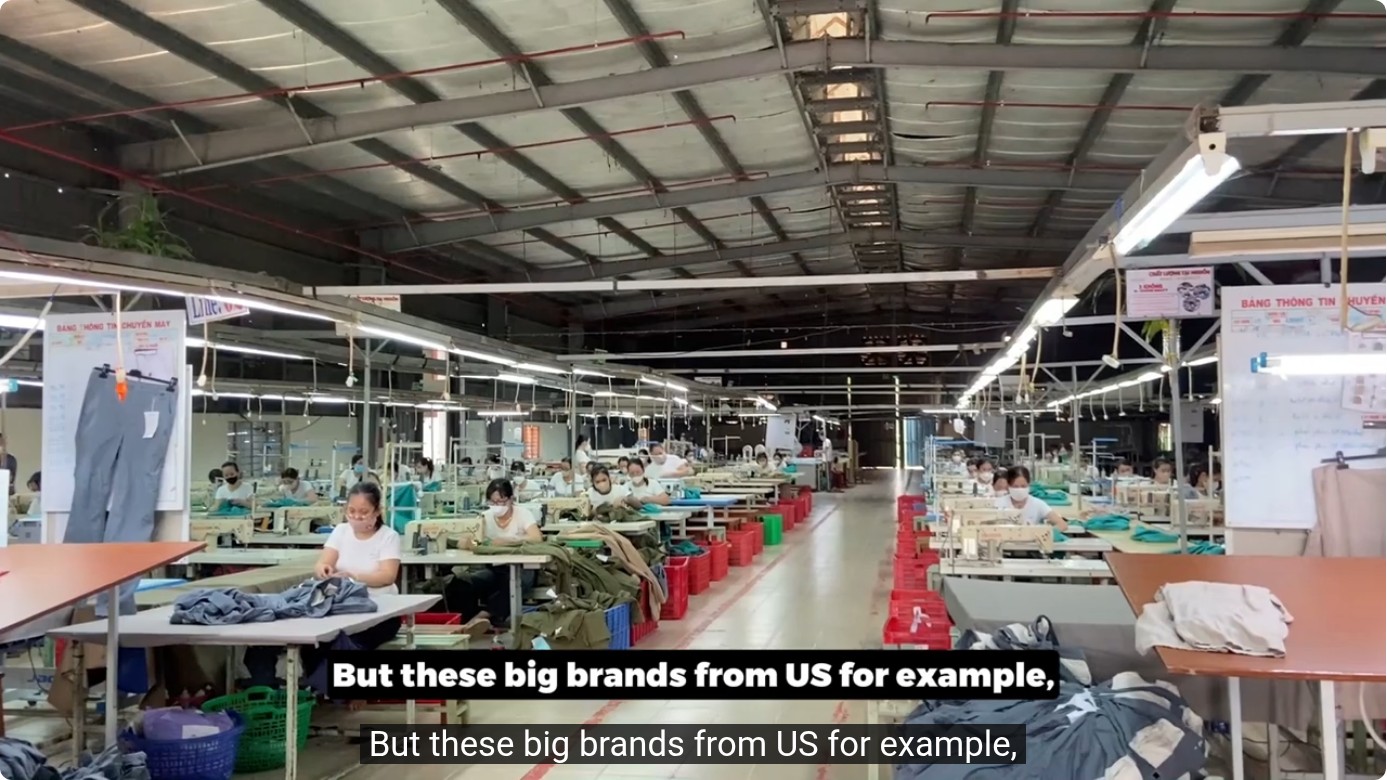
- Garment MOQ: This is separate and usually higher. A factory making custom garments from your custom fabric will have a per-style garment MOQ, often 300-500 pieces per style/color. This is where ODM services can help—some factories have pre-made TEG blanks in stock for smaller, faster runs.
- Lead Time: From fabric knitting to garment production, budget 8-12 weeks for a first custom order. This includes: yarn sourcing (2-3 wks), knitting (1-2 wks), dyeing/finishing (2-3 wks), cutting/sewing (2-3 wks), and QA/shipping.
Production Tip: For seasonal launches, order fabric at least 4-5 months ahead of your in-store date to account for delays in dyeing or fabric production.
Key Quality Markers to Specify and Test
You cannot inspect quality by touch alone. You must define and request testing for measurable performance criteria. Include these in your spec sheet.
- Stretch & Recovery: Test method: ASTM D2594 (for stretch) and a modified recovery test (measure return after 24hrs). Specify: “Must achieve X% stretch and Y% recovery after 5 wash cycles.”
- Abrasion Resistance: Test method: ASTM D3884 (Martindale). For durable items, target 25,000+ cycles without breakdown.
- Pilling Resistance: Test method: ASTM D3512 (Random Tumble Pilling). Rate on a scale of 1-5, with 4 or 5 being acceptable for premium apparel.
- Colorfastness: Test to laundering (AATCC 61) and light (AATCC 16). Minimum rating of 3-4 for wash, 4 for lightfastness.
- Seam Strength: Critical for TEG. Test using ASTM D1683 (seam efficiency). A value below 60% indicates the seam will likely fail before the fabric.
Always require a pre-production (PP) sample that has been laundered according to your care instructions. A raw, unwashed sample is meaningless for performance validation.
What to Communicate to Your Factory: A Buyer’s Checklist
Vague requests lead to costly mistakes. Use this checklist when initiating a custom TEG project.
- [ ] Provide a physical reference sample with your desired hand, weight, and recovery. “Like this, but in navy” is a starting point.
- [ ] Specify the garment type and use case. “For high-intensity training” vs. “for casual loungewear” changes everything.
- [ ] Define target fabric specs: GSM, exact composition (e.g., 88% Polyester / 12% Elastane), knit type (single/double), and finish (brushed/unbrushed, DWR).
- [ ] List required performance tests (from the section above) and your pass/fail criteria.
- [ ] Confirm the mill’s source. Ask which fabric mill will produce your knit. Reputable mills have consistent quality; unknown mills present risk.
- [ ] Discuss tolerance levels. What is the acceptable GSM variance (+/- 5%)? What is the acceptable color variance (using a grey scale)?
- [ ] Inquire about their in-house QA process. Who inspects the fabric? What are their pass rates? Can they provide past audit reports?
A transparent factory will answer all these questions and likely ask you clarifying questions in return. This dialogue is a strong indicator of a capable manufacturing partner.
Frequently Asked Questions
Is TEG fabric sustainable?
Base TEG is a synthetic blend, so it is not biodegradable. However, sustainability depends on the mill’s practices. You can request fabrics made with recycled polyester (rPET) or recycled nylon (ECONYL®). These perform identically to virgin fibers. Also, inquire about the mill’s wastewater treatment and energy sources. True sustainability requires a full life-cycle assessment, which most B2B buyers cannot conduct, but specifying recycled content is a meaningful step.
Can I get a small custom run of TEG apparel?
Yes, but with constraints. For runs under 300 pieces/style, look for factories that offer “blank stock” programs. They keep popular TEG fabrics in stock (common colors, standard weights) and can cut/sew your garments with a lower MOQ, often 50-100 pieces. The trade-off is less customization on the fabric itself (color and weight choices are limited to stock).
How do I handle shrinkage?
TEG with elastane shrinks less than 100% cotton, but it still shrinks. Your pattern maker must create a “shrinkage allowance” based on pre-shrunk fabric tests. Always request a “shrinkage sample” from the mill—a 1m x 1m piece laundered 5 times—and have your pattern adjusted accordingly. Failing to do this results in garments that are too small after the first wash.
The Bottom Line
“The Evans Group TEG” is a reliable, versatile workhorse of the performance apparel world. Its success in a custom project hinges not on the fabric itself, but on the precision of your specifications and the transparency of your manufacturing partner. By defining stretch, weight, and construction clearly, and by insisting on quantifiable quality markers, you transform TEG from a generic term into a tailored component of your brand’s product line. Remember, the cheapest option often sacrifices recovery and long-term fit, which directly impacts customer satisfaction and returns. Invest in the right specification upfront; the per-unit cost difference is minimal compared to the lifetime value of a garment that performs and fits as promised.
Whether you’re a startup brand or an established retailer, we manufacture custom sportswear at competitive MOQs. Reach out to start your project.