
The term “adidas brand country” is often misunderstood. It doesn’t refer to where the brand is headquartered (Herzogenaurach, Germany), but rather to the geographic origin of the manufactured product itself—the country where a specific t-shirt, hoodie, or pair of tracksuits was actually made. For wholesale buyers, fashion brands, gyms, and sports teams sourcing custom sportswear, this distinction is not a trivial detail. It’s a critical factor that influences cost, quality perception, logistical complexity, and even your brand’s story. This article breaks down what “brand country” or “country of origin” (COO) means in the context of activewear sourcing, why it matters, and how to navigate these considerations when partnering with a custom manufacturer for OEM or ODM projects.
Whether you’re comparing production quotes, evaluating quality, or crafting a “made in…” marketing message, understanding the global sportswear manufacturing landscape is essential. We’ll move beyond branding labels to examine the tangible production realities, tradeoffs, and decision points that impact your bottom line and your customer’s experience.
What “Brand Country” Actually Means for Sourcing
In global apparel manufacturing, the “country of origin” is the nation where a product undergoes its “substantial transformation.” For a basic t-shirt, this is typically where the fabric is cut and sewn. For more complex items like a technical tracksuit with bonded seams and multiple fabrics, it’s where the final assembly occurs that creates the finished article of commerce. This label is legally required on most imported garments in major markets like the US and EU.
Also read: What Is Swimwear Material Called? A Practical Guide to Fabric Names and Choices
For brands like adidas, their supply chain is vast and global. A single product line might be manufactured across several countries—from Vietnam and China for high-volume basics, to Indonesia, Cambodia, or India for certain categories, and even Germany or Portugal for premium or “heritage” lines. The “brand country” on the label tells you the last significant manufacturing stop, not necessarily where the raw materials (yarn, fabric) originated. A “Made in Vietnam” hoodie could contain cotton from the US, yarn from China, and fabric knitted in Malaysia.
Why the Manufacturing Country Matters to Buyers
While end consumers may associate “Made in Germany” with premium engineering, the reality in apparel is more nuanced. For a B2B buyer, the country of origin is a key specification that correlates with:
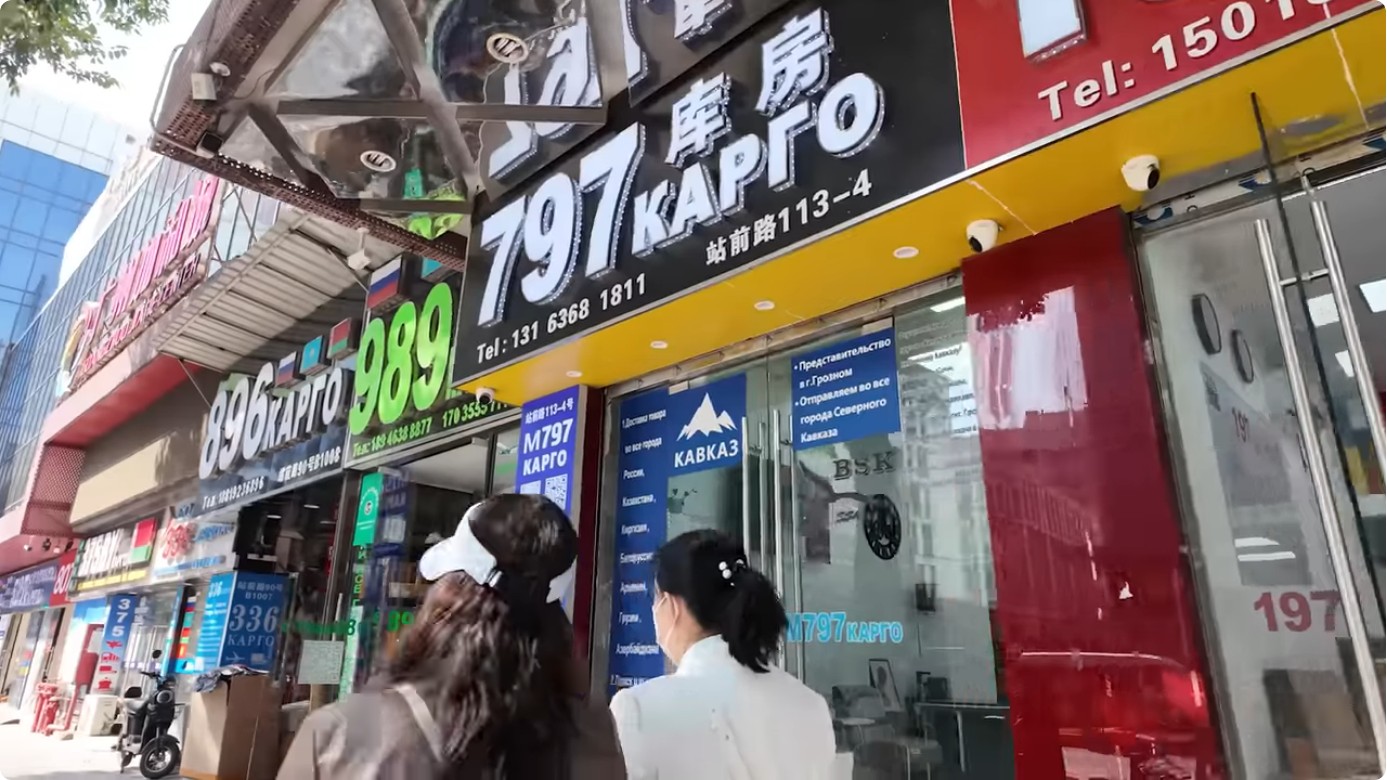
- Cost Structure: Labor rates, utility costs, and local operational efficiencies vary dramatically. A factory in Portugal generally has higher labor costs than one in Bangladesh but lower than one in Germany, leading to different baseline pricing for similar construction.
- Production Expertise: Certain regions have developed deep specializations. For instance, parts of China and Vietnam are renowned for high-volume, efficient production of basic cotton tees. Italy and Portugal are known for higher-end fashion-forward construction and attention to detail. Understanding these specializations helps you match your product’s requirements to the right factory.
- Lead Times & Logistics: Proximity to your target market affects shipping times and costs. Manufacturing in Mexico for the US market offers faster ocean freight (or even land crossing) versus shipping from Asia. This impacts inventory planning and responsiveness to trends.
- Compliance & Risk: Different countries have varying levels of enforcement regarding labor laws, environmental regulations, and safety standards. Sourcing from regions with stronger oversight (e.g., EU member states) may reduce your brand’s reputational risk, but often at a higher cost.
- Tariffs & Trade Policy: The country of origin determines applicable import duties. Trade agreements (like USMCA for Mexico) can eliminate or reduce tariffs, making certain manufacturing hubs financially compelling. This is a dynamic area requiring up-to-date knowledge.
Key Global Manufacturing Regions for Sportswear: A Comparison
The sportswear industry’s supply chain is concentrated in specific hubs. Here is a practical comparison of major regions, focusing on factors relevant to a custom buyer.
| Region | Typical Cost Position | Key Strengths & Specialization | Common Considerations |
|---|---|---|---|
| China | Mid to High (rising) | Unmatched scale and ecosystem; strong in technical fabrics, high-speed production, and integrated supply chains for complex items. | Rising labor costs; minimum order quantities (MOQs) often high; geopolitical and tariff factors can be volatile. Best for large-scale, technically demanding projects. |
| Vietnam | Mid | Major hub for footwear and apparel; strong capabilities in performance wear and knitting; generally seen as a cost-effective alternative to China with improving quality. | Capacity can be tight for peak seasons; infrastructure and skilled labor are still scaling to meet huge demand. Excellent for medium-to-large runs of activewear basics and performance pieces. |
| Indonesia | Mid-Low | Large workforce, competitive pricing; strong in woven garments like joggers and cargo pants; significant investment from major brands. | Logistical infrastructure can be a bottleneck; quality consistency can vary by factory. A strong contender for woven bottom categories. |
| Bangladesh | Low | Dominates the ultra-low-cost basic cotton tee and fleece market; massive scale for simple items. | Primarily focused on basic cotton goods; limited capacity for technical fabrics or complex construction; reputational risk regarding compliance is higher. Suitable for high-volume, price-sensitive basics only. |
| India | Low-Mid | Huge domestic market and textile base; strong in cotton, denim, and some knits; competitive on price. | Can be bureaucratic; quality and delivery reliability vary widely; often better for simpler styles or when combining with domestic Indian market sales. |
| Portugal/Spain | High | Proximity to EU/US; high regard for quality, fit, and fashion detail; strong in smaller batches and premium fabric usage. | Significantly higher cost; capacity limited for massive volumes. Ideal for premium brands, smaller runs, and “near-shoring” strategies. |
| Mexico/Central America | Mid (vs. Asia) | Tariff advantages for US market (USMCA); fast turnaround; good for basics and simple performance wear. | Higher cost than Asia; technical fabric and innovation capabilities may lag behind East Asian leaders. A strategic choice for North American brands prioritizing speed and tariff savings. |
The Middle Path: Regional Specialization Within a Country
It’s a mistake to judge a “country” monolithically. Within Vietnam, a factory in Ho Chi Minh City specializing in Nike tech fleece is worlds apart from a smaller workshop in a province making simple school uniforms. Your due diligence must focus on the specific factory’s capabilities, not just its national flag. A reputable custom manufacturer will be transparent about which of their partner factories they recommend for your specific style, quantity, and quality tier.
Custom Manufacturing: How “Brand Country” Informs Your Sourcing Strategy
When engaging a custom sportswear manufacturer for OEM (you provide the design) or ODM (you work from their template), the conversation about manufacturing location is central. Here’s what you need to consider and communicate.
1. Defining Your Project Parameters
Before discussing countries, be crystal clear on your internal requirements. Use this checklist to prepare:
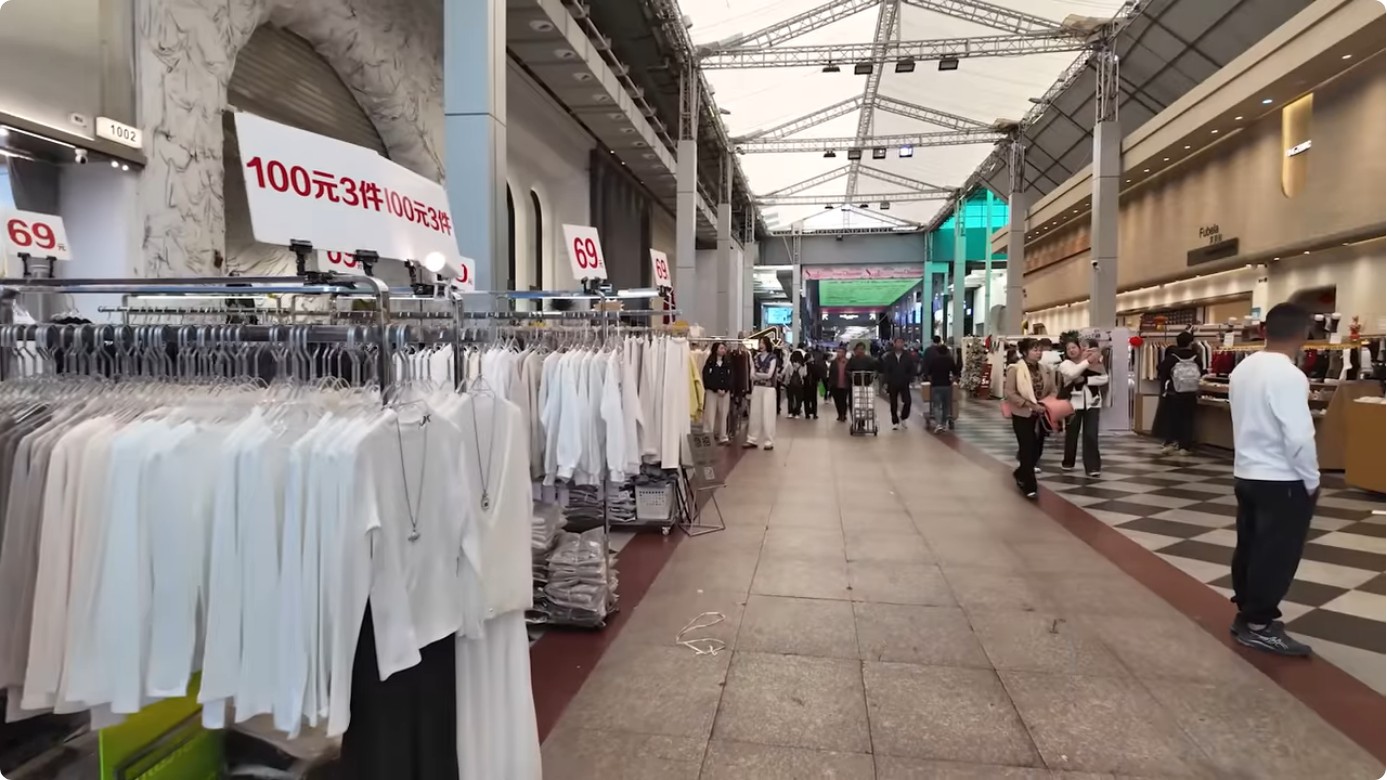
- Product Type & Complexity: Is it a 100% cotton jersey t-shirt, a multi-panel moisture-wicking tank top, or a heavyweight fleece hoodie with ribbing and kangaroo pocket? Technical complexity dictates the required factory expertise.
- Target Price Point: What is your landed cost target? This immediately narrows viable manufacturing regions and factory tiers.
- Order Quantity (MOQ): What is your minimum order quantity? Factories in China or Bangladesh may have MOQs of 5,000+ pieces per style, while those in Portugal or Mexico might accept 1,000 or even less for certain items. Understanding MOQs is fundamental to your negotiation.
- Timeline: When do you need the goods? Lead times from Asia can be 60-90+ days post-approval, while Mexico might be 30-50 days. Factor in sampling, production, and freight.
- Quality & Compliance Standards: Do you require specific certifications (e.g., ISO 9001, WRAP, BSCI)? Does your brand have a code of conduct? The manufacturing country’s typical compliance level sets the baseline, but individual factory certification is what matters.
2. Navigating Tradeoffs: Cost vs. Speed vs. Quality
There is rarely a perfect solution. You must prioritize.
Scenario A: A new streetwear brand launching a premium heavyweight hoodie.
Their priorities are: 1) exceptional fabric and construction quality, 2) a compelling “Made in Portugal” story, 3) moderate initial order (2,000 pcs).
Manufacturing Direction: They should seek a custom manufacturer with strong connections in Portugal or Italy. They will pay a premium (perhaps 30-50% more than Asian cost) for superior quality, fit development, and a powerful marketing narrative. Their MOQ is achievable in this region.
Scenario B: A regional gym chain needing 10,000 moisture-wicking t-shirts per season.
Their priorities are: 1) reliable performance and consistent fit, 2) competitive unit cost, 3) simple logistics.
Manufacturing Direction: Vietnam or China become the logical targets. They must rigorously vet the specific factory for its experience with performance knits and its quality control systems. The “Made in Vietnam” label carries no premium but is widely accepted for this category. They save significantly on unit cost, allowing for competitive pricing or higher margins.
3. Communicating with Your Manufacturer
When you approach a custom sportswear maker, don’t just ask “where do you make this?” Ask targeted questions:
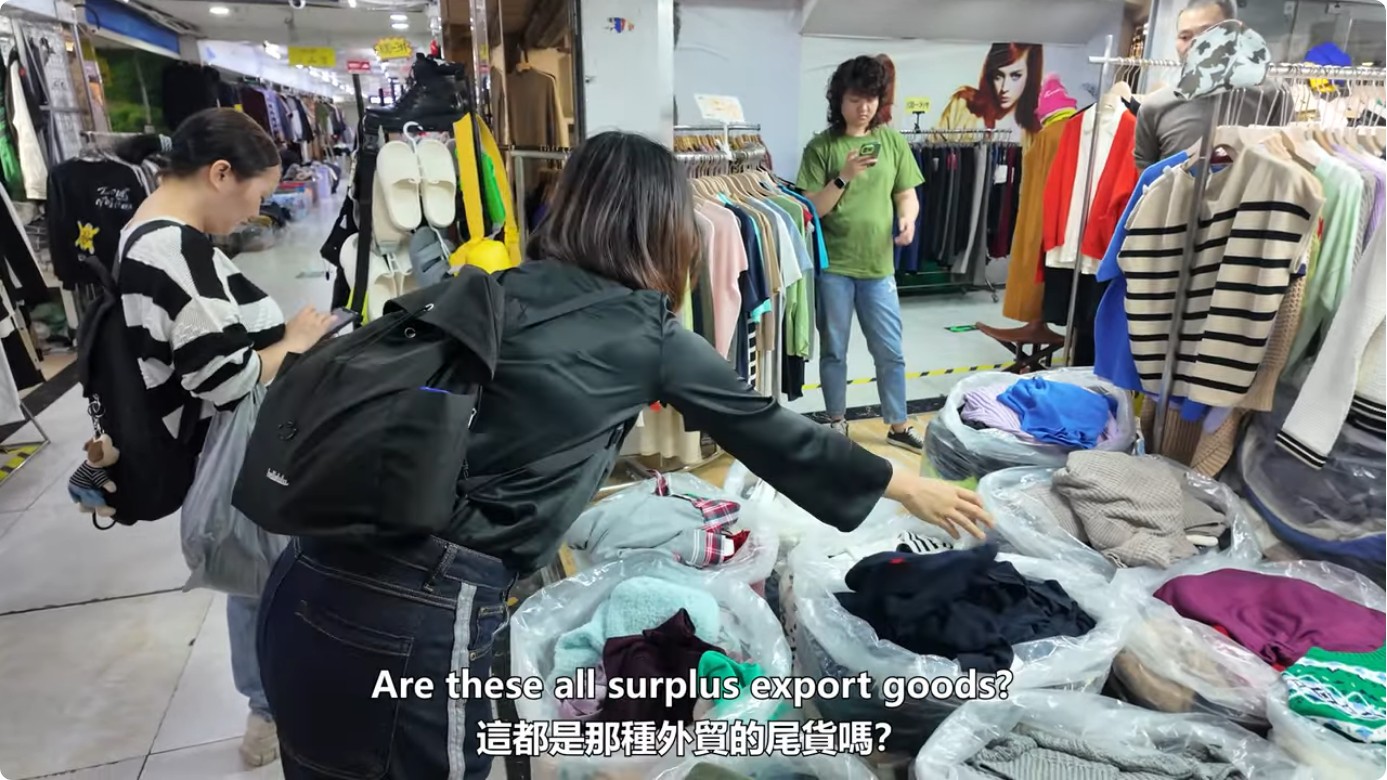
- “For an order of [your quantity] of [your style], which of your factory locations would you recommend and why?”
- “Can you provide examples of similar products you’ve produced from that specific factory?”
- “What are the standard compliance certifications for that factory, and can we audit reports?”
- “How does the cost, lead time, and quality profile differ between manufacturing in [Country A] vs. [Country B] for this specific item?”
- “If we want a ‘Made in [Preferred Country]’ label, what are the MOQs and cost implications?”
A trustworthy manufacturing partner will explain these tradeoffs transparently and steer you toward the solution that best fits your business goals, not just their existing capacity.
What Matters Most: The Factory, Not Just the Flag
While “Made in…” is a powerful signal, it is an imperfect proxy for quality. A poorly managed factory in Portugal can produce inferior garments to a world-class facility in Vietnam. Your ultimate goal is to secure a reliable manufacturing partner, regardless of geography.
The most critical factors are:
- The Factory’s Specific Expertise: Their portfolio, machinery (e.g., flatlock sewing for seams), and experience with your fabric type (e.g., French terry vs. single jersey).
- Quality Control Systems: Their in-line inspection processes, final AQL (Acceptable Quality Limit) standards, and how they handle defects. ISO 9001 certification is a good baseline indicator of a systematic approach.
- Communication & Project Management: Can you get clear, timely responses? Do they have dedicated personnel for your account? This is often the biggest differentiator between a smooth and a disastrous project.
- Transparency: Are they willing to share information about their sub-contracting (if any) and supply chain? Ethical sourcing requires visibility.
Think of the country of origin as a general neighborhood, and the specific factory as the exact house you’re buying. You need to inspect that house carefully.
Summary: Key Questions for Your Sourcing Journey
As you evaluate custom sportswear manufacturing, keep these decision points front and center:
- What is my non-negotiable quality standard? If premium construction is key, be prepared to pay for regions or factories known for it.
- What is my true cost target, and what am I willing to compromise on? Is it unit cost, or is it speed and flexibility? You usually have to choose two of the three: cost, speed, quality.
- Does the “Made in…” story align with my brand identity and customer expectations? A value brand might gain nothing from a “Made in Italy” label, while a luxury activewear brand cannot afford to have one.
- Have I vetted the specific factory, not just the country? Request a factory profile, audit reports, and samples from the exact line that will produce your goods.
- What are the total landed costs? Factor in manufacturing, freight, insurance, duties (based on HS code and country of origin), and any internal handling fees.
The landscape of global sportswear manufacturing is complex, but it’s navigable with clear priorities and the right partner. By understanding what “brand country” truly signifies and asking the right questions, you can make sourcing decisions that balance cost, quality, and brand narrative effectively.
Whether you’re a startup brand or an established retailer, we manufacture custom sportswear at competitive MOQs. Reach out to start your project.
Helpful tip: How to Find and Redeem Codes for Anime Fantasy (Roblox)