
The loose fit long sleeve shirt is more than just a garment—it’s a strategic piece in today’s versatile sportswear and casual apparel market. Its relaxed silhouette, comfortable drape, and functional coverage make it a staple for everything from athletic warm-ups to streetwear collections. For brands, gyms, and sports teams, this style offers a balance of comfort, mobility, and branding real estate. However, the term “loose fit” can vary significantly between manufacturers, and the choices you make around fabric, construction, and customization will directly impact the garment’s performance, cost, and appeal to your end customer. This guide breaks down what defines a true loose fit long sleeve, who wears it, and—most critically—what you need to know when sourcing it for your private label or team order.
Whether you’re a startup brand developing your first line or an established retailer expanding your activewear catalog, understanding the production realities behind this style is essential. From minimum order quantities to stitch integrity, the details determine whether your custom shirt feels premium or generic. We’ll navigate the key specifications, customization levers, and partner qualifications that separate a successful bulk order from a costly mistake.
What Matters Most When Sourcing a Loose Fit Long Sleeve Shirt
Before diving into styles, focus on three non-negotiable pillars that define the garment’s market readiness:
More advice: Understanding 100% Cotton French Terry: A Practical Guide to Fabric, Properties, and Sourcing
- Fit Tolerance & Pattern Making: A true loose fit isn’t just a larger size; it requires intentional pattern adjustments. The chest, shoulders, and sleeves should have ease (extra space) while maintaining a clean drape. Ask potential manufacturers for their spec sheets and grade rules. A poor pattern will result in a boxy, unflattering look or, worse, excess fabric that hampers movement.
- Fabric Performance vs. Cost: The fabric dictates everything—hand feel, durability, moisture management, and print compatibility. A 100% cotton jersey may be soft but absorbs sweat and shrinks. A polyester-spandex blend offers stretch and moisture-wicking but can feel synthetic. The right choice depends on the end use. For a high-intensity gym, performance blends are key; for a fashion-forward streetwear brand, brushed cotton or sustainable fabrics might take priority.
- Construction Quality: In a loose fit, seams and finishes are more visible and experience more stress due to the garment’s movement. Double-stitched seams, reinforced cuffs, and consistent stitching length (typically 3-4 SPI for casualwear) are indicators of quality. Request physical samples and inspect the inside—slack stitches or uneven seams are red flags.
Understanding the Style: Silhouette, Fabric, and Features
Silhouette and Fit Characteristics
A genuine loose fit long sleeve shirt features a body that falls straight from the shoulder to the hip with no taper, creating a relaxed, “overshirt” look. The sleeve is also cut wider, often with a slight drop at the shoulder. This contrasts with a “regular fit” or “classic fit” which has more contouring. Key measurements to verify on a spec sheet are the chest width (usually 2-4 inches over body circumference for loose fit) and sleeve width (often 1-2 inches over arm circumference). The length should be standard or slightly longer to accommodate the relaxed style—hitting at the hip or below.
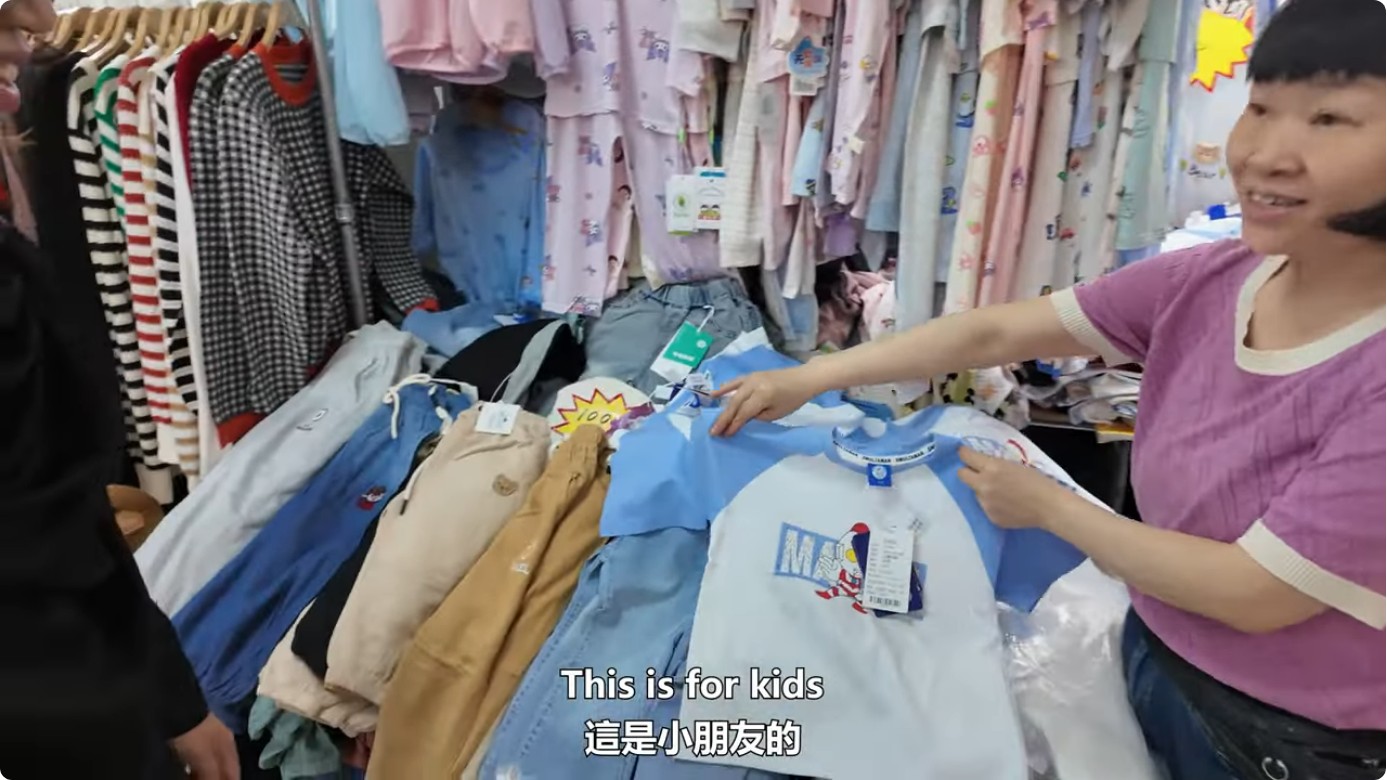
Trade-off: Excessive ease can make the shirt look sloppy and add bulk under layers. The goal is comfortable volume, not swimming in fabric. Work with your manufacturer to define the exact ease percentages based on your target demographic.
Fabric Choices and Their Practical Implications
The fabric selection for a loose fit long sleeve directly influences its seasonality, care instructions, and customization compatibility. Here’s a comparison of common options:
| Fabric Type | Typical Use Case | Pros | Cons | Customization Notes |
|---|---|---|---|---|
| 100% Cotton Jersey | Casual streetwear, basic team layers | Soft, breathable, familiar hand feel | Shrinks, wrinkles, less moisture management | Excellent for screen printing; embroidery may cause pull |
| Cotton/Poly Blend (e.g., 60/40) | All-purpose activewear, corporate apparel | Reduced shrinkage, better drape, durable | Less soft than pure cotton, potential pilling | Good for both print and embroidery; test for adhesion |
| Performance Knit (Polyester/Spandex) | Gym wear, training, outdoor activities | Moisture-wicking, 4-way stretch, quick-dry | Can retain odors if low-quality, less breathable | Must use print techniques compatible with synthetic fibers; embroidery requires stabilizer |
| French Terry / Terry Cloth | Premium loungewear, cooler weather layers | Textured hand feel, good insulation, stylish | Heavier, slower drying, can snag | Embroidery looks premium; printing may sink into loops |
For brands focusing on sustainability, consider GRS-certified recycled polyester or organic cotton. These often come at a 10-20% premium but can be a significant selling point.
Key Construction Details That Define Quality
In a loose fit, construction details are more visible and contribute to longevity. Pay attention to:
- Cuffs and Hem: Ribbed cuffs with high elastane content (at least 8%) maintain shape and provide a secure fit. A double-needle topstitched hem prevents curling.
- Neckline: A 1×1 rib or self-fabric neckband with a coverstitch finish lies flat and resists stretching. For performance shirts, a tagless label or printed care info reduces irritation.
- Seams: Flatlock seams in high-mobility areas (like underarms) reduce chafing. For standard seams, a 3-thread overlock is durable and clean.
- Reinforcements: Stress points—like the neckline join and shoulder seams—should have bar tack stitching or reinforced tape, especially for team sports where gear sees heavy use.
Who Buys and Wears Loose Fit Long Sleeve Shirts?
This style’s adaptability makes it a top seller across multiple B2B segments:
You may also like: The Essential Fashion Materials List for Sportswear Sourcing & Custom Manufacturing
- Fitness & Gym Brands: Used as warm-up layers, post-workout cover-ups, or branded merchandise for members. The loose fit accommodates movement without restricting, and the fabric choice often prioritizes moisture-wicking and odor resistance.
- Streetwear and Fashion Brands: The oversized silhouette is a current trend. Designers play with fabric textures (like slub cotton or washed denim), graphic placements, and asymmetric details. Here, fabric hand feel and drape are paramount.
- Sports Teams and Clubs: For travel, sideline, or casual team wear. Logos are often embroidered for durability. The shirt must withstand frequent washing and layering over uniforms.
- Corporate and Event Apparel: Company-branded layers for conferences, team building, or promotional giveaways. Cost and logo clarity are key drivers.
- Retailers and Multi-Brand Stores: As a staple private-label item. Sizing consistency and a gender-neutral fit are often required to simplify inventory.
Practical Scenarios: A CrossFit affiliate might order 50 unisex loose fit long sleeves in a heather grey performance fabric with a small embroidered logo for coaches. A streetwear label might produce 300 units in a deadstock cotton jersey with a large screen-printed back graphic. Each use case dictates different fabric, fit, and decoration priorities.
Customization Options: From Tech Pack to Final Stitch
When working with an OEM/ODM partner, you have several levers to tailor the shirt to your brand:
- Fabric Development: You can source custom jersey knits—adjusting weight (GSM), blend ratios, and finishes (e.g., brushed interior for warmth, antimicrobial treatment). Some factories will source to your spec; others provide a fabric library. Minimums for custom fabric can be high (often 5,000+ yards), so stock fabrics are common for smaller runs.
- Fit Adjustments: Provide a reference garment or detailed measurements. A good manufacturer will create a custom pattern for you, but this typically increases pattern-making fees and may raise MOQs. For smaller orders, they may modify an existing loose fit pattern—ask to see the base pattern’s measurements first.
- Logo Placement and Decoration:
- Embroidery: Ideal for logos on chest, sleeve, or back neck. Requires digitization. Best on medium-weight fabrics. Adds stiffness.
- Screen Printing: Cost-effective for large designs and high volumes. Requires color separation. Test for bleeding on performance fabrics.
- Heat Transfer / DTG: Good for full-color, complex graphics. Durability varies; request wash tests. DTG works best on 100% cotton or high-cotton blends.
- Placement Options: Common spots: left chest, full back, sleeve, yoke (upper back). Consider the shirt’s loose fit—large graphics may distort if placed on a highly stretchy fabric.
- Color and Dyeing: Standard color cards (like Pantone TPX or Cotton/Color Card) are used for matching. For custom dyeing (piece dyeing), expect higher MOQs (often 1,000+ pieces per color). Garment-dyed effects (like acid wash) require separate processing and increase cost.
- Added Features: Thumb holes, kangaroo pockets, drawstring hems, or zippered plackets are all possible but add cost and complexity. Specify these clearly in your tech pack.
Production Realities: MOQs, Lead Times, and Cost Drivers
Understanding production constraints helps you plan realistically:
- Minimum Order Quantities (MOQ): Vary widely by factory and customization level. A stock-style loose fit shirt in a standard color with a simple print might have an MOQ as low as 50-100 units. Custom patterns, fabrics, and embroidery can raise MOQs to 300-500 units per style/color. Always confirm.
- Lead Times: Typically 6-12 weeks from approval of fit sample and bulk fabric. Custom fabric sourcing adds 4-8 weeks. Plan for seasonal delays.
- Cost Breakdown: The major cost drivers are fabric price (per yard), decoration method (embroidery is most expensive per piece), number of colors in the design, and order volume. Expect $8-$25 per unit for blanks depending on fabric quality; decoration adds $3-$10+. Request a detailed quote with unit costs at different volume tiers.
- Samples: Always order a pre-production sample (pp sample) after fabric and trim approval. This is your last chance to check fit, construction, and decoration before full production. Factor sample costs and shipping into your budget.
What to Look for in a Manufacturing Partner
Not all factories excel at loose fit activewear. Prioritize partners who:
- Have a portfolio showing similar loose fit styles (ask for samples).
- Understand the difference between “loose” and “oversized” fits and can provide clear measurements.
- Are transparent about their fabric sourcing—can they provide Oeko-Tex Standard 100 or similar safety certificates?
- Have experience with your target market’s requirements (e.g., NCAA team gear, sustainable fashion, etc.).
- Offer clear communication on fit approval process and sample timelines.
- Are willing to adjust patterns based on your feedback (within reason).
Key Questions to Ask Before You Commit
Use this checklist when evaluating manufacturers and finalizing your design:
- Do you have an existing loose fit pattern, or will you develop a new one? What are the associated costs and MOQs?
- Can you provide fabric swatches for hand feel and performance testing? What are the standard fabric options for loose fit shirts in your catalog?
- What is your standard chest and sleeve ease for a loose fit? Can you share the spec sheet for the base style?
- How do you ensure consistent sizing across production runs? What is your quality control process at each stage?
- What decoration methods do you recommend for my chosen fabric, and can you provide samples of each?
- What are the exact costs for pattern making, grading, and any custom trim?
- Can you accommodate my required delivery date, and what are the penalties for delays?
- Do you have experience with [my specific use case, e.g., “gym wear” or “sustainable fashion”] and understand any relevant compliance or performance needs?
Getting clear, detailed answers to these questions will prevent miscommunication and ensure your final product aligns with your brand’s standards.
Need custom versions of any style covered here? Our sportswear factory handles everything from tech pack review to bulk delivery. Request a sample or quote.
Related guide: Italian Sportswear Brands: A Sourcing Guide for Buyers and Brands