
At first glance, the term “soccer ball squishmallow” might seem like a simple product description—a plush toy combining the iconic pattern of a soccer ball with the signature soft, squeezable texture of a Squishmallow. However, for wholesale buyers, fashion brands, sports teams, and retailers, it represents a niche but potent piece of licensed or branded merchandise with specific sourcing and manufacturing considerations. This guide moves beyond the basic definition to break down the product’s anatomy, market applications, and the critical factors you must evaluate when approaching a factory for custom production. Whether you’re looking to create a promotional giveaway for a youth soccer club, a retail item for a sports-themed store, or a custom-branded comfort product for a gym, understanding the details is key to a successful order.
This article will serve as your practical framework, covering material science, construction techniques, customization levers, and the essential communication points between a buyer and a manufacturer. We will clarify common misconceptions, outline production trade-offs, and provide a clear path from concept to delivered goods.
What Exactly Is a “Soccer Ball Squishmallow”?
Technically, a “Squishmallow” is a trademarked brand of ultra-soft plush toys known for their marshmallow-like texture, round shapes, and cuteness factor. A “soccer ball squishmallow” in the generic sense refers to any plush item that mimics the rounded shape and classic black-and-white pentagon/hexagon pattern of a traditional soccer (football) ball, but constructed with similarly soft, often high-pile, fabrics. For sourcing purposes, you are not necessarily procuring a licensed KellyToy Squishmallow (unless you secure that specific license), but rather a category of product: a soft, spherical, soccer-ball-patterned plush.
This distinction is crucial. It means your sourcing options are broad, spanning from factories that produce generic plush toys to those specializing in licensed character goods. Your customization capabilities—from exact pattern replication to fabric softness—will depend entirely on the manufacturer’s expertise and the materials they source.
Key Features and Construction: A Manufacturer’s Breakdown
To have a productive conversation with a factory, you must speak their language regarding construction. The perceived quality and feel of the final product are direct results of these component choices:
1. Outer Fabric (The “Skin”)
The signature softness comes from the outer shell. Common options include:
- High-Pile Plush (Faux Fur): The most common for this style. The long, dense fibers create the deep, tactile softness. Key specifications are pile height (e.g., 10mm, 20mm) and fiber composition (100% polyester is standard). Trade-off: Longer pile can be less durable and more prone to shedding if not quality-controlled.
- Minky (Microfiber Polyester): A shorter, softer, and more durable pile. It’s less “fluffy” but incredibly smooth and washable. Often used for a premium, less messy alternative.
- Velour: A smooth, dense fabric with a short nap. Less commonly used for “squishy” types but offers a classic, sleek look.
Note on Pattern Printing: The classic soccer ball pattern can be achieved in two ways: A) Printed fabric where the black pentagons are printed onto a white base fabric before cutting. This is cost-effective for complex patterns but can feel stiff if over-printed. B) Piece construction using pre-colored black and white fabric panels sewn together. This is more authentic to a real ball and often feels softer, as there’s no print layer, but it increases cutting and sewing complexity.
2. Inner Filling (The “Squish”)
The filling determines the product’s firmness, weight, and longevity.
- Polyester Fiberfill (Standard): The industry standard. Lofty, lightweight, and hypoallergenic. The density (measured in GSM – grams per square meter) dictates firmness. A 300GSM fill will be plush and huggable; 600GSM+ will be firmer and more “squishy” resistant.
- EPS Beads (“Pellets”): Small, round polystyrene beads. Creates a uniquely malleable, “bean bag” feel. Major consideration: These pose a severe choking hazard if the seam fails and are subject to CPSIA safety regulations for children’s products. Generally not recommended for generic merchandising unless for an adult collector market with clear warnings.
- Combination Fill: A core of denser fiberfill with a layer of softer, lower-density fiber. Balances structure and cloud-like softness.
3. Size and Scale
Sizes are typically measured in diameter. Common retail sizes are 8″ (small, keychain-style), 12″ (classic hand-held), and 16″-20″ (large, floor cushion). For custom production, any size is possible, but tooling (patterns) and material yardage costs scale with size. The choice depends on your target price point and use case.
Primary Use Cases and Sourcing Implications
Your intended use drastically impacts your sourcing requirements, material choices, and compliance needs.
| Use Case | Key Sourcing Priorities | Typical Customization Level |
|---|---|---|
| Youth Sports Team Merchandise | Durability (rough handling), safety (no small parts), cost-effectiveness. Must meet CPSIA if intended for children 12 and under. | Team logo/name embroidery or patch, team colors. Often a simple, licensed soccer ball pattern without complex branding. |
| Retail/Collectible Item | Premium feel, aesthetic accuracy, tactile experience. Brand alignment is key. | High. Can include custom embroidery/patches, specific Pantone color matching for the “soccer” panels, unique hangtags, and custom polybags. |
| Promotional Giveaway | Low unit cost, small size, logo visibility. Speed of production may be a factor. | Low to Medium. Typically a small, simple plush with a single embroidered logo or a printed brand patch. |
| Gym/Yoga Studio Comfort Item | Washability, odor resistance, medium durability. | Low. Studio logo. Focus on fabric that can withstand frequent washing (e.g., Minky). |
Custom Manufacturing: Levers, MOQs, and Communication
When engaging a factory for OEM (Original Equipment Manufacturer) or ODM (Original Design Manufacturer) production, you move from buying a stock item to creating one. Here is what you can control and what you must ask.
Customization Levers
- Pattern & Color: Provide a vector file (AI/EPS) of your soccer ball pattern. Specify Pantone colors for black and any accent colors. Confirm if the factory will print or piece-construct.
- Logo/Branding: Decide between embroidery (premium, durable), woven label sewn in, printed patch (lower cost), or direct printing on the plush (less common, less soft).
- Fabric & Fill: Request fabric swatches and fill samples. Specify pile length, GSM, and hand feel. Ask for a pre-production sample (PP sample) to approve these tactile elements.
- Accessories: Can include a keychain clip, a branded ribbon, or a custom hangtag with care instructions and your branding.
Minimum Order Quantities (MOQ) and Production Costs
MOQs are the single biggest barrier for small brands. For plush toys, MOQs are driven by fabric cutting lay plans and sewing efficiency.
- Generic Style (using factory’s standard pattern): MOQs can be as low as 500-1,000 pieces, especially for smaller sizes (8″-12″).
- Fully Custom Pattern/Size: Expect MOQs of 3,000-5,000 units. Creating a new pattern, testing it, and laying out fabric cuts efficiently requires volume to justify the upfront engineering cost.
- Cost Drivers: 1) Fabric quality/type, 2) Fill density, 3) Complexity of sewing (piece construction > printed), 4) Branding method (embroidery > patch), 5) Size.
Critical Tip: Always ask for a detailed cost breakdown. A good factory will provide a “tech pack” quote itemizing fabric cost, labor per unit, cutting cost, and shipping estimates. This transparency helps you adjust specifications to meet budget targets.
Essential Pre-Order Checklist: What to Verify
Before placing a deposit, ensure you have clear answers to these questions:
- Compliance & Safety: Has this style (or a very similar one) been tested for CPSIA/CPSC compliance? Can they provide a previous test report? Who will pay for and manage the new product testing if required?
- Sample Approval: Will you receive a pre-production sample with your exact fabric, fill, and branding? Do you have a written process for approving or rejecting this sample? Never proceed to bulk without a signed-off PP sample.
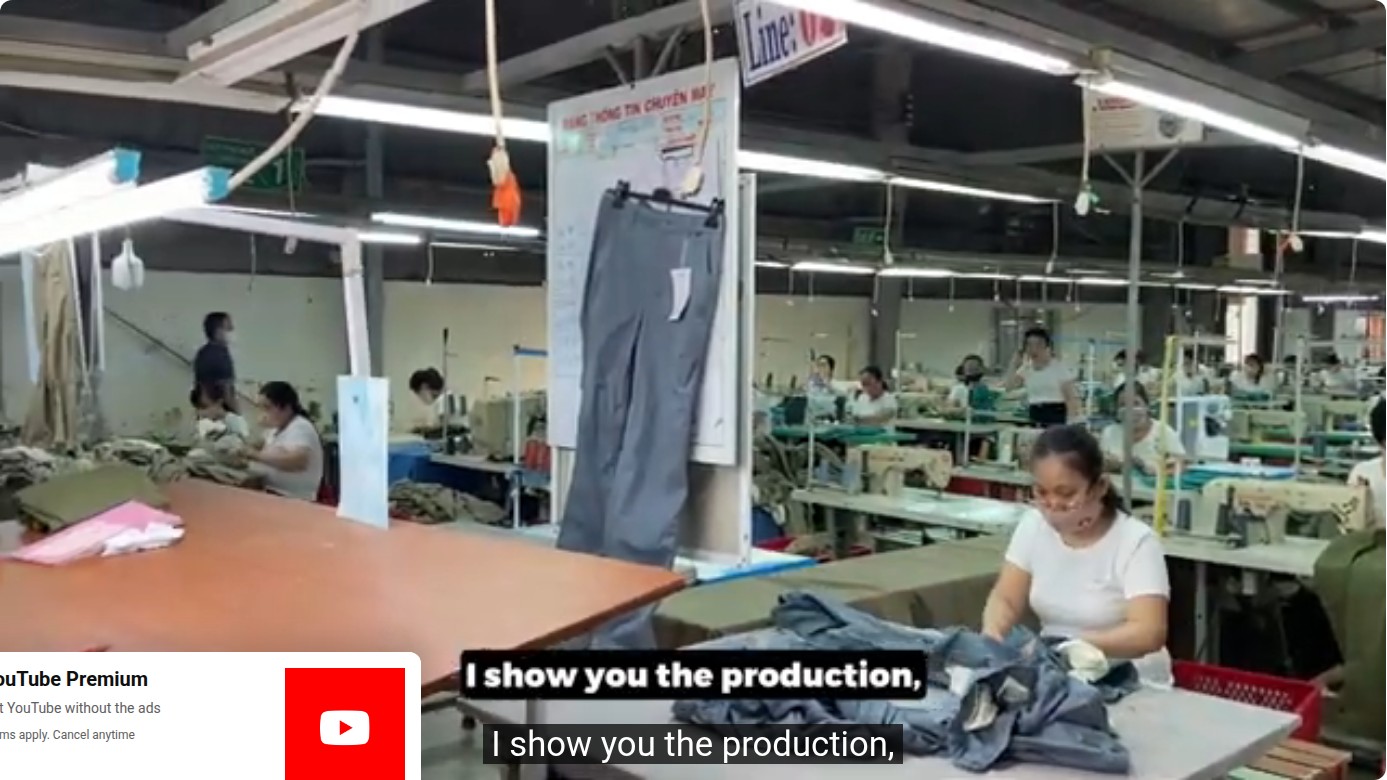
- Quality Control Plan: What is their in-line and final QC process? Will they provide photos/videos of the production line? Is there an AQL (Acceptable Quality Level) standard we both agree to? (e.g., 1.5 for major defects, 4.0 for minor).
- Intellectual Property: If using a licensed soccer ball pattern (e.g., from FIFA, a league, or a club), who holds the license? You must secure the rights; the factory cannot. For generic geometric patterns, ensure your design doesn’t infringe on a specific trademarked arrangement.
- Logistics & Packaging: What are the packaging specifications? Are polybags individual? Can they be barcoded? What are the incoterms (FOB, EXW)? Confirm the shipping method and estimated transit time.
Decision Points: Navigating Trade-offs
Sourcing this product involves balancing several competing factors. Use this table as a quick reference when negotiating specs.
| Priority | Recommended Choice | Impact on Other Factors |
|---|---|---|
| Ultra-Soft Feel | Long-pile plush (20mm+), low-density fill | Lower durability, higher cost per yard, potential for shedding. |
| Durability & Washability | Minky fabric, medium-density fill, piece-constructed pattern | Less “fluffy” look, higher sewing labor cost. |
| Lowest Cost | Short-pile printed fabric, standard fill, simple size (8-12″) | Stiffer feel, less premium perception. |
| Fastest Production | Use factory’s standard soccer ball pattern & size, no custom branding | No differentiation, no brand ownership. |
| Small Batch Feasibility | Seek factories specializing in small-batch plush or use a stock blank. | Higher per-unit cost, limited customization options. |
Frequently Asked Questions from Buyers
Q: Can I get a sample made before committing to a large MOQ?
A: Absolutely. A reputable factory will produce a PP sample for a fee (often credited toward the final order). This is non-negotiable. Use this sample to test feel, size, branding placement, and construction quality.
Q: How do I ensure the soccer ball pattern looks authentic?
A: Provide a high-resolution, vector-based reference file. Specify that you want the traditional truncated icosahedron pattern (20 hexagons, 12 pentagons). Confirm with the factory’s pattern maker that the panels will be sized correctly for your chosen plush diameter to avoid distortion.
Q: What’s the single biggest cause of delays in plush toy production?
A: Fabric sourcing. Custom-dyed plush fabrics can have long lead times (4-8 weeks). Using a factory’s stock fabric in a close color can save significant time. Always ask about fabric lead time upfront.
Q: Are there any “gotchas” regarding shipping?
A: Yes. Plush toys are bulky. Volume is measured in cubic meters (CBM), not weight, for sea freight. A container can fill up on volume before reaching weight capacity. Get a CBM quote based on your final packed dimensions.
If you’re looking to source or customize any of the styles mentioned above, our factory offers low MOQ OEM/ODM production with full sampling support. Get a free quote today.