
While the term “women’s world cup 2010” is a common point of curiosity—the actual FIFA Women’s World Cup was held in 2011 in Germany—the intent behind the search typically points to the iconic apparel associated with that tournament cycle. For wholesale buyers, fashion brands, and sports retailers, this presents a specific opportunity: sourcing high-quality, tournament-inspired activewear and fan merchandise. This guide moves beyond the historical footnote to explore the product category itself—team jerseys, training kits, and casual fan apparel—through the lens of custom manufacturing. We will break down the technical features, market applications, and critical production considerations you need to navigate when ordering or creating custom sportswear inspired by major global tournaments.
Whether you’re a brand looking to launch a retro-inspired collection, a team needing authentic-feeling kits, or a retailer sourcing fan gear, understanding the specifications and manufacturing pathways is key to a successful product line. This article serves as a practical framework for evaluating fabrics, fits, finishes, and factory capabilities to ensure your final product meets both consumer expectations and your business margins.
Quick Summary: Key Points for Buyers & Brands
- Product Focus: Primarily refers to performance jerseys, casual fan t-shirts, and training apparel modeled after 2011 Women’s World Cup team aesthetics.
- Core Features: Moisture-wicking fabrics, team color accuracy, authentic badge/logo replication, and fit tailored for female athletes or fans.
- Sourcing Path: OEM (using factory’s standard templates) vs. ODM (factory develops your custom design). MOQs vary widely by garment type and decoration method.
- Critical Considerations: Fabric feel and durability, print/embroidery quality on stretchy materials, compliance with league/trademark rules (for authentic replicas), and clear tech pack communication.
Understanding the Product Category: From Authentic Kits to Fan Fashion
The apparel associated with a tournament like the Women’s World Cup spans a spectrum. On one end are official licensed replicas, which require strict authorization from FIFA and national federations. On the other end are inspired fashion pieces that capture the color schemes, minimalist aesthetic, or patriotic motifs without using protected trademarks. For a custom sportswear manufacturer, the bulk of B2B demand falls into the latter category: creating custom-branded activewear for gyms, local teams, or fashion labels that want the “world cup vibe”—think bold color blocking, performance fabrics, and athletic cuts—without licensing restrictions.
Related guide: T-Shirt Necklines: A Buyer’s Guide to Styles, Fabrics, and Custom Manufacturing
Typical items sourced under this theme include:
- Performance Jerseys: Lightweight, breathable shirts designed for play, often with mesh panels.
- Fan T-Shirts & Tank Tops: Casual wear using softer cotton blends or tri-blends, featuring tournament-inspired graphics or slogans.
- Training Tracksuits & Jackets: Full-zip or pullover hoodies and pants in team colors, emphasizing comfort and brand visibility.
- Cargo Pants/Shorts: Utility-style bottoms that align with the athletic, practical trends from that era’s soccer fashion.
When sourcing, you must first define which segment you’re targeting. A performance jersey for a women’s soccer team has vastly different technical requirements than a fashion-forward t-shirt for a retail brand. This definition dictates your fabric choices, construction details, and minimum order quantities (MOQs).
Key Technical Features & Material Considerations
The feel, fit, and function of tournament-inspired apparel are defined by its materials and construction. Here’s what separates premium custom sportswear from basic blanks.
Fabric Technology: Beyond Basic Cotton
The 2011 Women’s World Cup era saw a mainstream shift toward performance synthetics in fan apparel, not just on the field. For custom orders, you’ll primarily choose between:
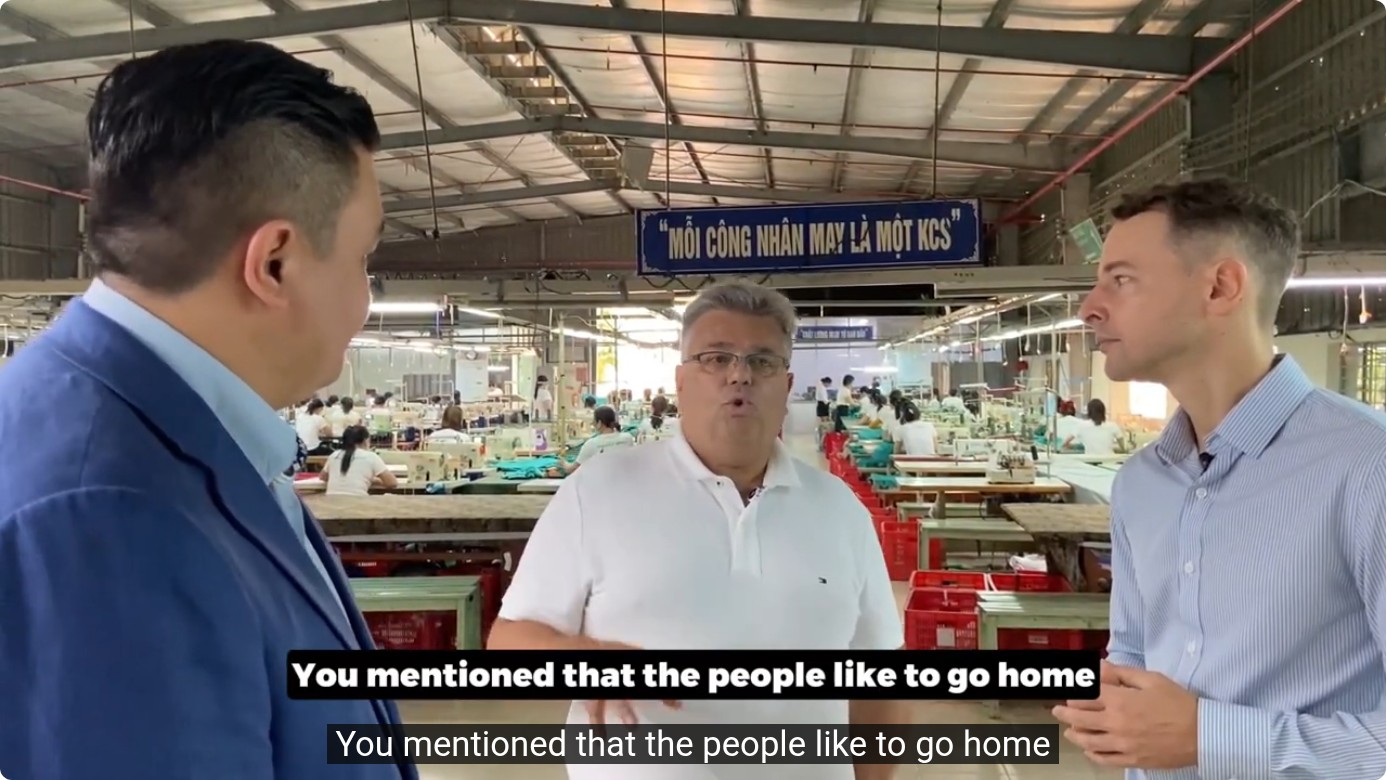
| Fabric Type | Best For | Key Properties | Customization Notes |
|---|---|---|---|
| 100% Polyester (Microfiber) | Authentic-feel jerseys, training tops | Excellent moisture-wicking, durable, lightweight, holds vibrant prints well. | Can feel plastic-like if low-grade. Specify breathable mesh inserts for comfort. Ideal for sublimation printing, which allows all-over, fade-resistant designs. |
| Polyester-Cotton Blend (e.g., 60/40) | Fan t-shirts, casual hoodies | Softer hand, more breathable than 100% poly, good drape, reduced static. | Requires screen printing or DTG (direct-to-garment). Blends can handle embroidery but require stabilizers. Offers a premium retail feel. |
| Tri-Blend (Cotton/Poly/Rayon) | Fashion-forward t-shirts, tanks | Extremely soft, vintage drape, comfortable stretch, heather texture. | Challenging for detailed prints (DTG works best). Embroidery can pucker if not stabilized. Higher cost, but high perceived value. |
| Brushed Fleece (for hoodies/sweatshirts) | Warm-up suits, casual wear | Insulating, soft inner nap, classic athletic look. | Ensure consistent fleece weight (e.g., 280gsm). Heavy embroidery needs careful placement to avoid stretching the fabric. |
For a truly tournament-authentic feel, request fabric samples from your factory. Feel for weight (measured in GSM – grams per square meter), stretch, and recovery. A performance jersey should feel lightweight (140-160 GSM) and slick, while a fan hoodie should feel substantial and plush.
Fit & Construction: The Female Form Factor
“Women’s fit” is not merely a smaller men’s cut. Key differentiators include:
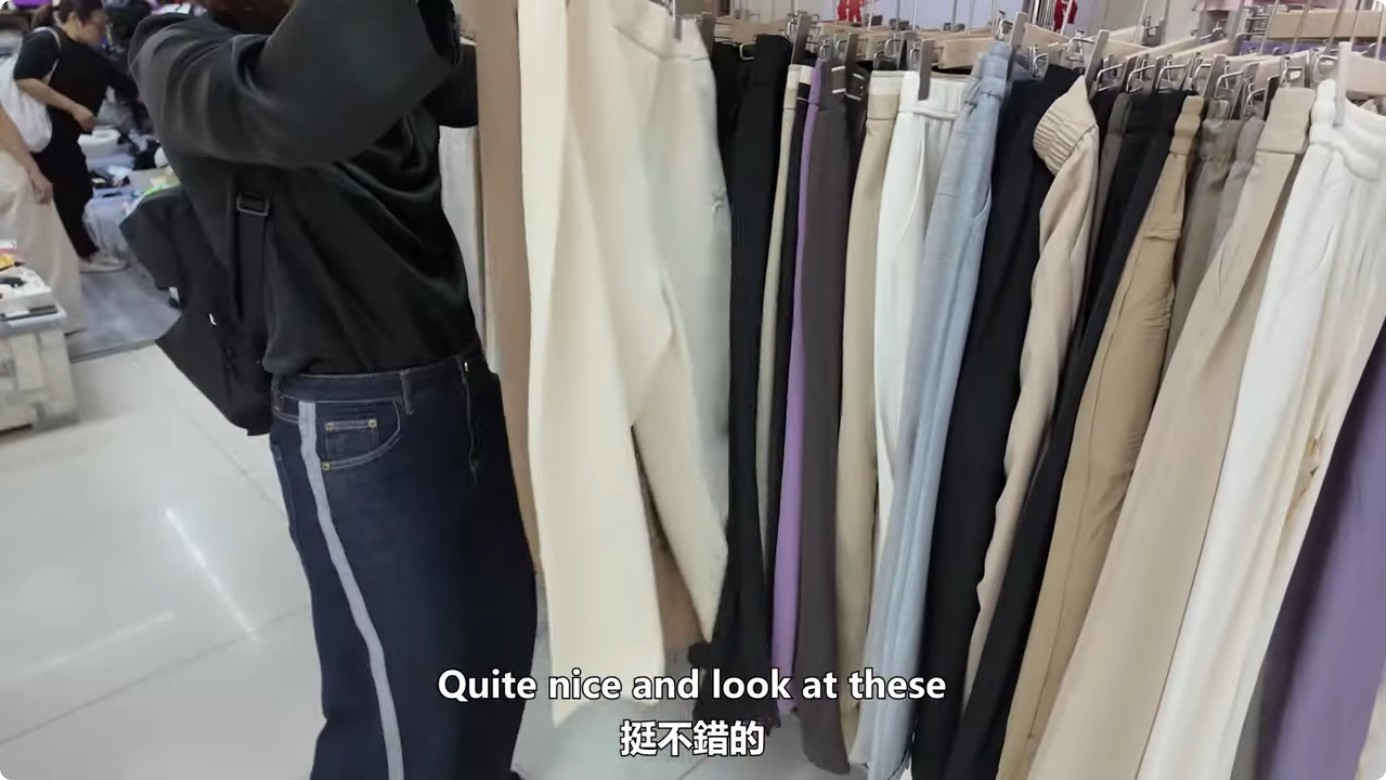
- Curved Hemlines: Often shorter in front, longer in back.
- Defined Waist: Tapered or elasticated waists on pants/shorts.
- Shoulder & Armhole Design: Narrower shoulders, differently sloped armholes for greater range of motion.
- Seam Placement: Avoid side seams that rub on the hips or thighs.
When working with a factory, always provide a tech pack with precise measurements (chest, waist, hip, length, sleeve) for each size, not just a sample. Ask if they have a standard “women’s athletic fit” block you can modify, which is often more cost-effective than a full custom pattern (ODM service).
Decoration Methods: Print vs. Embroidery
How logos, numbers, and graphics are applied is a major cost and durability driver. Your choice depends on design complexity, fabric, and budget.
- Sublimation Printing: The gold standard for all-over polyester jerseys. Dye becomes part of the fabric, so no feel, unlimited colors, and superb durability. Requirement: 100% polyester, light-colored fabric (or use a white sub-layer). Not suitable for cotton blends.
- Screen Printing: Best for bold, solid-color logos on cotton, polyester, or blends. Cost-effective for mid-to-high volumes (typically 50+ pieces per design/color). Each color adds a setup fee. Can crack on highly stretched fabrics if improper ink is used.
- DTG (Direct-to-Garment): Like an inkjet printer for fabric. Excellent for full-color, photographic designs on cotton-rich garments. Feels soft. Lower MOQs possible (often 1+). Durability can be less than screen print on performance wear.
- Embroidery: The premium look for logos (e.g., on a chest or sleeve). Works on most fabrics but requires stabilizer. Critical on knits/stretch fabrics: Use low-density designs and avoid placing over seams to prevent puckering. 3D foam embroidery adds dimension but increases cost and stiffness.
Trade-off Decision: For an authentic-feel replica jersey, sublimation on polyester is non-negotiable. For a casual fan t-shirt, screen print on a cotton/poly blend offers the best balance of cost and feel. Always request a physical sample of your exact design on your chosen fabric before full production.
Sourcing Custom Production: OEM vs. ODM and Practical MOQs
This is where your business model meets the factory’s capabilities.
Also read: Sourcing L.L.Bean-Inspired Styles: A Manufacturing Guide for Brands & Buyers
- OEM (Original Equipment Manufacturer): You provide the complete design (tech pack, patterns, fabric specs). The factory builds it exactly to your specs. This offers maximum control but requires significant design expertise and higher MOQs (often 300-500 units per style) as you’re essentially creating a new product line.
- ODM (Original Design Manufacturer): You select from the factory’s existing catalog of styles (e.g., a women’s racerback tank or a classic jersey cut) and then customize it with your colors, logos, and trims. This is the fastest, most cost-effective path for brands entering the market. MOQs can be as low as 50-100 units per style because you’re using their established patterns and fabric sourcing.
Typical MOQ Tiers (Varies by Factory):
- High-Volume OEM: 1,000+ units per style (for basic blanks with print).
- Standard ODM/Custom Print: 100-300 units per style/color.
- Sample/Prototype: 1-10 units, at a high per-unit cost, for fit and quality approval.
What to Communicate to a Factory: Your initial inquiry should include: 1) Garment type (e.g., “women’s performance soccer jersey”), 2) Target quantity per style/color, 3) Primary decoration method, 4) Any critical fabric requirements (e.g., “must be 100% poly, 150 GSM”), and 5) Your target market (e.g., “for gym retail in North America”). This allows them to give an accurate quote and assess feasibility.
Quality Markers & Common Pitfalls
Inspecting samples is non-negotiable. Look for these quality indicators:
- Seam Quality: Flatlock or cover-stitched seams for movement and comfort. No loose threads or crooked stitching.
- Print/Embroidery: No cracking, peeling, or puckering when stretched. Ink should be fully cured (no smell). Embroidery should be dense and flat on the garment surface.
- Fabric Consistency: Check color matching between fabric panels and across multiple samples. Look for pilling resistance by rubbing a fabric swatch.
- Trims: Zippers should run smoothly, drawstrings should be secured at ends, and labels should be stitched neatly (or use tear-away tags for a cleaner feel).
Common Pitfall: A factory uses a cheaper, less breathable fabric to hit a price point. Always specify fabric brand or mill (e.g., “Tactel® nylon” or “Korean poly mesh”) if you have a preference, and insist on a pre-production fabric swatch approval.
Questions to Ask Before You Order
Use this checklist during your factory vetting process:
- Do you have experience producing women’s-specific athletic cuts? Can you provide fit samples?
- What are your standard fabric sources? Can you provide test reports for shrinkage, colorfastness, and pilling (e.g., OEKO-TEX Standard 100 for harmful substances)?
- What is your process for color matching? Is there a fee for Pantone matching?
- Can you produce a full fit-and-style sample (not just a printed sample on a different garment) for approval before cutting the bulk fabric?
- What is your typical lead time from sample approval to shipment?
- What are your quality control procedures at each stage (cutting, sewing, finishing)?
Clear, documented answers to these questions prevent costly miscommunication and ensure the final product aligns with your brand’s quality standards.
Final Considerations: Beyond the Product
Sourcing custom sportswear inspired by a global event like the Women’s World Cup involves more than just specs. Consider the narrative: Are you tapping into nostalgia for the 2011 tournament? Are you targeting the growing market for women’s-specific athletic wear? Your design and marketing should resonate with that audience. For factories, be prepared to discuss your brand’s story—they can often suggest construction details or fabric innovations that enhance your product’s market appeal.
Finally, understand the intellectual property landscape. If you want to replicate exact team kits, you must secure licenses. For inspired designs, avoid using official FIFA trademarks, team crests, or player names. Focus on generic patriotic color schemes, geometric patterns, or event-specific slogans that are not trademarked. When in doubt, consult a legal expert on trademark law in your target markets.
Ready to Create Your Custom Tournament-Inspired Line?
The process of bringing a custom sportswear line to life requires a manufacturing partner who understands both the technical demands of performance apparel and the aesthetic drivers of sports fashion. From selecting the right moisture-wicking fabric to ensuring your logo placement doesn’t distort on a stretchy jersey, every detail matters.
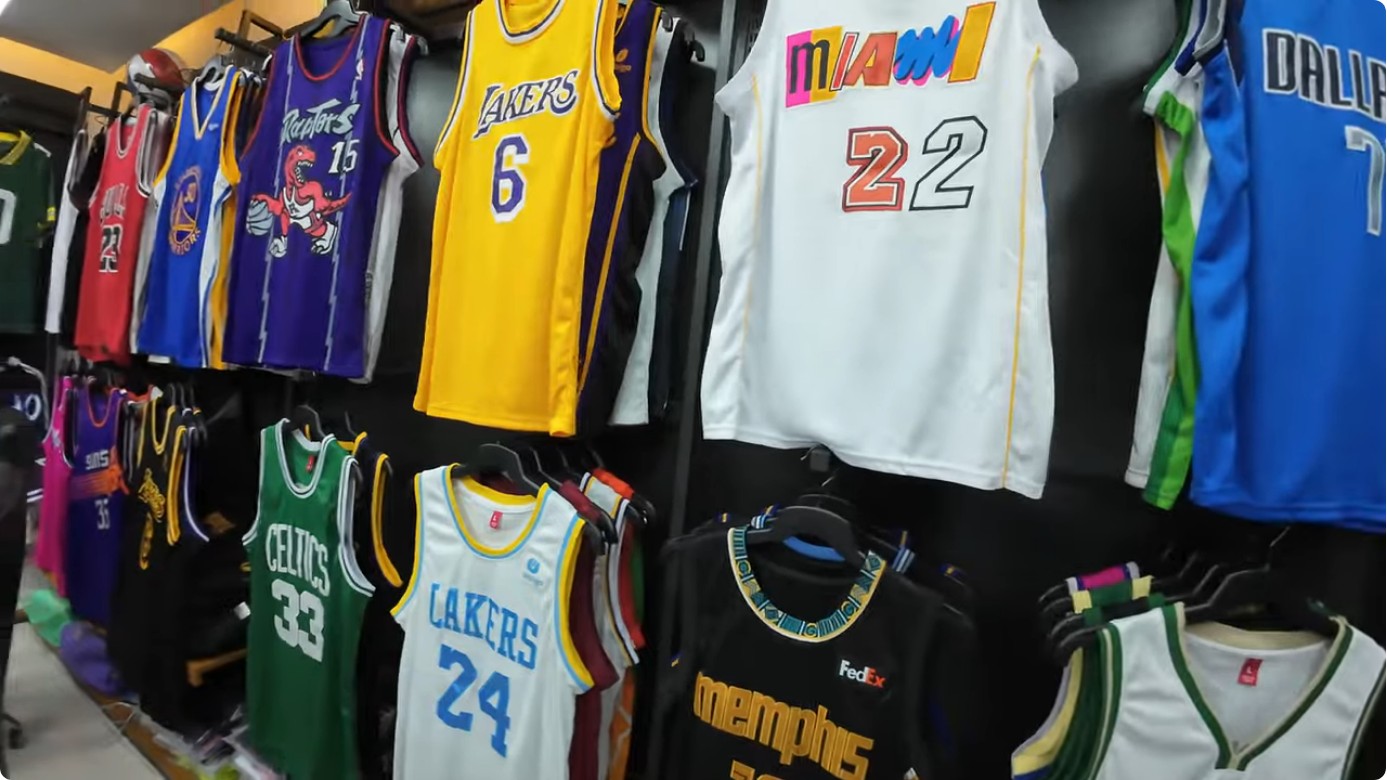
We manufacture all the styles discussed in this guide — with custom labels, fabric options, and print or embroidery finishing. Tell us what you need.
Related guide: The Complete Guide to Custom Esports Jerseys: From Design to Production