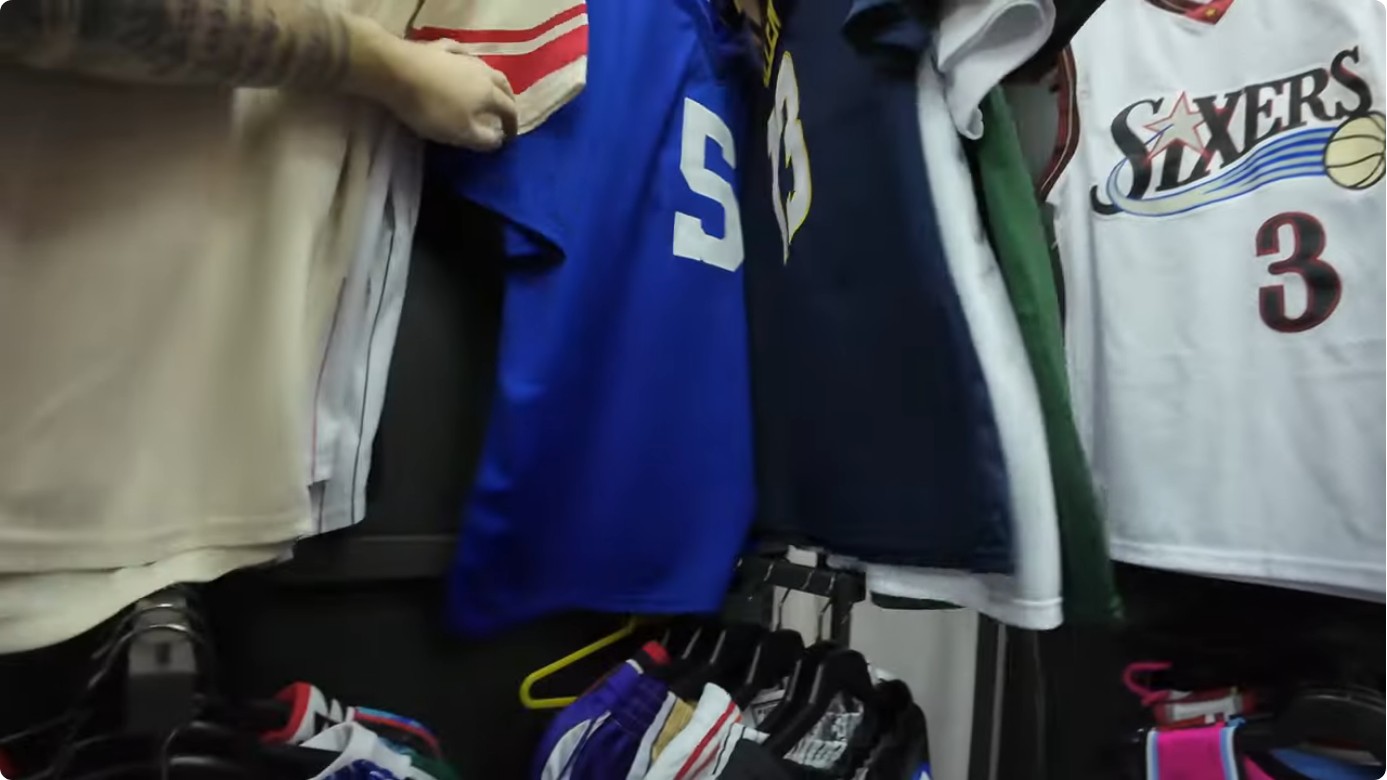
For esports organizations, gaming teams, and brands entering the competitive gaming space, a jersey is more than just a uniform—it’s a mobile billboard, a team identity, and a performance garment rolled into one. Unlike traditional sports apparel, esports jerseys operate at the intersection of high-energy digital culture and athletic functionality. They must breathe during long tournament sessions, showcase bold graphics that pop on camera, and represent a brand with precision. Whether you’re a team manager sourcing your first kit or a fashion brand launching a gaming-inspired line, understanding the nuances of custom esports jersey production is critical to getting a product that performs on stage and resonates with fans.
This guide breaks down the essential elements of sourcing and manufacturing custom esports jerseys. We’ll cover the technical fabric choices, decoration methods that impact both look and longevity, key production metrics like MOQ and lead times, and the specific information you need to provide to a factory to get an accurate quote. Our goal is to equip you with the knowledge to make informed decisions, avoid common pitfalls, and secure a high-quality jersey that meets the unique demands of the esports ecosystem.
• The core performance and branding requirements of esports jerseys
• How fabric and print technology choices affect cost, feel, and durability
• Typical production parameters (MOQ, timelines) for B2B custom orders
• A checklist of details to prepare for your factory inquiry
• Tradeoffs between different customization approaches
What Defines an Esports Jersey? Key Features & Requirements
An esports jersey is a specialized activewear top designed for competitive gaming. While it shares a silhouette with athletic jerseys, its functional priorities are distinct. The primary environment is climate-controlled, but players experience high stress and minimal physical exertion during matches. Therefore, the garment must prioritize moisture management to handle nervous perspiration, range of motion for seated gamer postures, and a lightweight, non-restrictive fit that doesn’t distract during critical moments.
From a branding perspective, the jersey is the most visible piece of team merchandise. It must:
• Display logos, player names, and numbers clearly on camera from a distance.
• Offer a canvas for complex, colorful graphics that reflect team or brand identity.
• Be durable enough for regular wear during tournaments, streaming, and fan interactions.
• Often include functional details like headset-compatible collar openings or thumbholes.
For a manufacturer, the challenge is balancing these performance and aesthetic needs with production efficiency and cost. This starts with fabric selection.
Fabric Fundamentals: Performance Meets Printability
The base fabric dictates everything from feel and drape to how graphics can be applied. The two dominant categories for esports jerseys are:
- 100% Polyester (or Poly Microfiber): The industry standard. It’s exceptionally lightweight, dries quickly, and holds vibrant sublimated prints perfectly. It has a smooth, slightly slick hand feel and is highly durable. The tradeoff is that it can feel less “natural” and may generate static.
- Polyester Blends (e.g., Poly-Cotton): A mix like 60/40 or 65/35 polyester/cotton offers a softer, more traditional t-shirt feel while retaining decent moisture-wicking properties. However, it is not suitable for sublimation printing. Graphics on blends must be applied via screen printing, heat transfer vinyl (HTV), or embroidery, which limits color complexity and can add rubbery texture or stiffness.
For players, the pure polyester knit is almost universally preferred for its featherlight, cool-to-the-touch feel. For brands targeting a “lifestyle” or streetwear crossover appeal, a soft-touch blend with screen prints might be a strategic choice, understanding the technical print limitations. You can learn more about the properties of technical fabrics from resources like the Journal of the Textile Institute.
Decoration Methods: From Sublimation to Embroidery
How your design gets onto the jersey is the most critical customization decision. The method determines color vibrancy, durability, feel, and cost structure.
| Method | How It Works | Best For | Key Considerations |
|---|---|---|---|
| All-Over Sublimation | Dye is turned into gas and infused into polyester fibers under heat and pressure. The graphic becomes part of the fabric. | Complex, multi-color, all-over patterns. True “dye-sublimated” esports jerseys. | Requires 100% polyester. No feel—the fabric remains soft. Extremely durable, won’t crack or fade. Most common for pro-level kits. |
| Cut & Sew Sublimation | Fabric panels are printed separately, then sewn together, allowing for sharp seams and pattern matching. | High-end jerseys with intricate designs that cross seams. | Higher cost and longer lead time than direct-to-garment sublimation. Requires advanced pattern-making. |
| Screen Printing | Ink is pushed through a mesh stencil onto the garment surface. | Simple, bold logos and text on any fabric, including blends. | Setup cost per color. Ink can feel rubbery. Limited detail in small runs. Not ideal for photo-realistic gradients. |
| Embroidery | Thread is stitched directly into the garment. | Small, high-value logos (e.g., chest sponsor, sleeve logo). Adds perceived quality. | Stiffens the area. Not suitable for large, detailed images. Cost depends on stitch count. |
Decision Point: If your design features gradients, photorealism, or many colors, sublimation is your only viable path for a professional esports look. If your design is a simple 1-3 color logo on a solid base, screen printing on a blend is cost-effective for small runs.
Production Realities: MOQs, Timelines, and Quality Markers
When engaging a custom sportswear manufacturer, several standard production parameters will shape your order. Understanding these upfront prevents budget and timeline surprises.
Minimum Order Quantities (MOQ)
MOQs vary dramatically by factory and process. For esports jerseys:
- Digital Sublimation (direct-to-garment): Can be as low as 10-30 pieces per design/colorway. This is ideal for new teams, trial runs, or brands testing a design.
- Cut & Sew Sublimation: Typically starts at 50-100 pieces per style due to the patterning and cutting process.
- Screen Printing on Blank Goods: MOQs are based on the blank garment order (often 30-50) plus a setup fee per color. Total cost-per-unit drops significantly at 100+ units.
Always ask if the MOQ is per style, per color, or per total order. A factory with low MOQs for sublimation is a strong indicator they are geared for B2B custom work and prototyping.
Lead Times & Sampling
Production time is a function of quantity, complexity, and factory capacity.
- Sampling: Expect 5-10 business days for a digital sample (printed on a blank jersey) and 10-15 days for a full prototype (custom fabric & construction). Sampling is non-negotiable for verification.
- Production: After sample approval, a standard sublimated order of 100 units might take 3-4 weeks. Larger cut-and-sew orders (500+) can take 6-8 weeks. These timelines extend during peak seasons (Q3/Q4 for holiday).
Quality You Can Feel & See
Request or inspect samples for these markers of quality:
- Fabric Weight: Esports jerseys typically range from 130-160 GSM (grams per square meter). Lighter is cooler but can feel flimsy; heavier feels more premium but warmer.
- Stitch Density & Seams: Flatlock seams are standard for mobility and comfort. Check for consistent, tight stitching with no loose threads.
- Print Penetration: On sublimated jerseys, the color should be fully infused—scratch it firmly. If color comes off on your fingernail, the process was faulty.
- Labeling: Custom woven labels or printed neck tapes are standard. Ensure care instructions are accurate for the fabric (e.g., “Do not bleach, tumble dry low”).
- Fit Consistency: Order a full size set (S-XXL) in your sample to check grading accuracy.
The Sourcing Checklist: What to Communicate to Your Factory
A clear, detailed inquiry gets you an accurate quote and a smooth production process. Use this checklist when contacting manufacturers.
- Final Design Files: High-resolution vector files (AI, EPS, SVG) for sublimation or crisp raster files (300 DPI) for screen printing. Include a fabric layout mock showing where graphics fall on the garment panels.
- Target Fabric & Weight: Specify (e.g., “160 GSM 100% polyester micromesh”). Request fabric swatches from the factory if unsure.
- Target Quantity & Sizing: Total units and a breakdown by size (e.g., 50 total: 10 S, 15 M, 15 L, 10 XL).
- Decoration Method: State your preference (sublimation, screen print, etc.) and ask for their recommendation based on your design.
- Special Construction Details: Mention any unique features: raglan sleeves, thumbholes, specific collar type, hidden headset loops, tagless label.
- Color Standards: Provide Pantone (PMS) color codes for all critical colors. For sublimation, the factory will match these as closely as possible.
- Timeline: Your desired delivery date. This impacts production scheduling and potential rush fees.
- Budget Range: Being transparent about your target cost-per-unit helps the factory suggest feasible options.
A responsive factory will ask clarifying questions based on this information. Their questions are a good test of their expertise. For instance, they should ask about panel layout for sublimation or confirm if your design has large solid-color areas that might cause “bleeding” during the dye process.
Navigating Tradeoffs: Cost, Speed, and Customization Depth
Sourcing custom esports jerseys involves balancing several competing factors. Your project’s priority—whether it’s absolute lowest cost, fastest turnaround, or maximum design complexity—will dictate your path.
Consider this simplified decision framework:
- If your priority is MAXIMUM DESIGN FREEDOM & VIBRANCY: You must choose 100% polyester and sublimation. Accept the typically higher MOQ (unless you find a digital shop) and slightly longer lead time for cut-and-sew patterns. This is the non-negotiable standard for authentic esports kits.
- If your priority is LOWEST MOQ & FASTEST PROTOTYPE: Seek a factory that offers direct-to-garment digital sublimation on blanks. You can get 10-20 samples in 2 weeks. Design complexity is still high, but panel seams will show the print boundary.
- If your priority is SOFTEST HAND-FEEL & BLEND FABRICS: You sacrifice all-over sublimation. Opt for premium cotton/poly blanks with screen printing. This path is best for lifestyle brands making a “gaming-inspired” casual item, not a performance esports jersey for competition.
- If your priority is PER-UNIT COST for a LARGE RUN (500+): A hybrid approach can work. Use sublimation for the main body panels (maximizing visual impact) and screen print or embroider smaller logos on sleeves/hem to reduce overall sublimation area and cost.
Final Considerations: Beyond the Jersey
For a complete team or brand look, remember that the jersey is often part of a cohesive kit. Factories that offer OEM/ODM services for full tracksuits, jackets, and pants can ensure fabric and color consistency across all pieces. Matching warm-up gear is a common request from esports teams. Similarly, consider how your jersey design will scale down to smaller items like hats or practice scrims.
Finally, clarify intellectual property (IP) and copyrights upfront. If you are reproducing licensed game art, character logos, or league trademarks, you must have written permission from the IP holder. Reputable factories will ask for proof of licensing to protect themselves and you from legal risk.
What’s Your Esports Jersey Project?
Are you launching a new team, rebranding an existing organization, or creating a gaming fashion line? Your answers to these questions will determine your optimal sourcing strategy:
- What is your approximate budget per jersey?
- What is your target timeline for first samples and final delivery?
- Does your design require all-over, seamless graphics, or are localized logos sufficient?
- Will this jersey be used for high-level competition (requiring strict performance fabrics) or more for fan merchandise and content?
- Do you need help with design adaptation for garment panels, or do you have production-ready files?
If you’re looking to source or customize any of the styles mentioned above, our factory offers low MOQ OEM/ODM production with full sampling support. Get a free quote today.
Related guide: Where to Measure Your Thigh: A Guide for Custom Activewear Buyers & Brands