
If you’ve heard the term “Justin Bieber hat and hoodie” in fashion circles, it refers to a specific, influential streetwear silhouette that dominated the 2010s and remains a staple. It’s not about licensed celebrity merchandise but a distinct style combination: a structured, often brimmed snapback or dad hat paired with a relaxed-fit, mid-weight hoodie. For brands, gyms, and retailers, understanding this look’s construction and audience is key to manufacturing a version that resonates with today’s consumers. This guide breaks down the style’s anatomy, its market, and the critical custom manufacturing decisions you’ll face when bringing your own version to market.
Quick Summary: The “Justin Bieber” style pairs a structured snapback/dad hat with a relaxed, heavyweight hoodie, often in monochrome or tonal looks. It appeals to a broad youth and streetwear audience. For custom production, focus on fabric weight (280-320gsm for hoodies), hat structure (structured vs. unstructured crown), and fit (oversized vs. relaxed). MOQs typically start at 50-100 units per style. Key decisions involve fabric blends, print/embroidery placement, and whether to source as separate items or a matched set.
Deconstructing the Style: Hat and Hoodie Anatomy
The power of this combination lies in its deliberate casualness and unified aesthetic. It’s a coordinated look that feels effortless but requires specific construction details to achieve the authentic vibe.
More advice: The No Hoodie Sweatshirt: A Crewneck Guide for Brands & Buyers
The Hoodie: Foundation of the Look
The hoodie is the anchor. Its defining characteristics are:
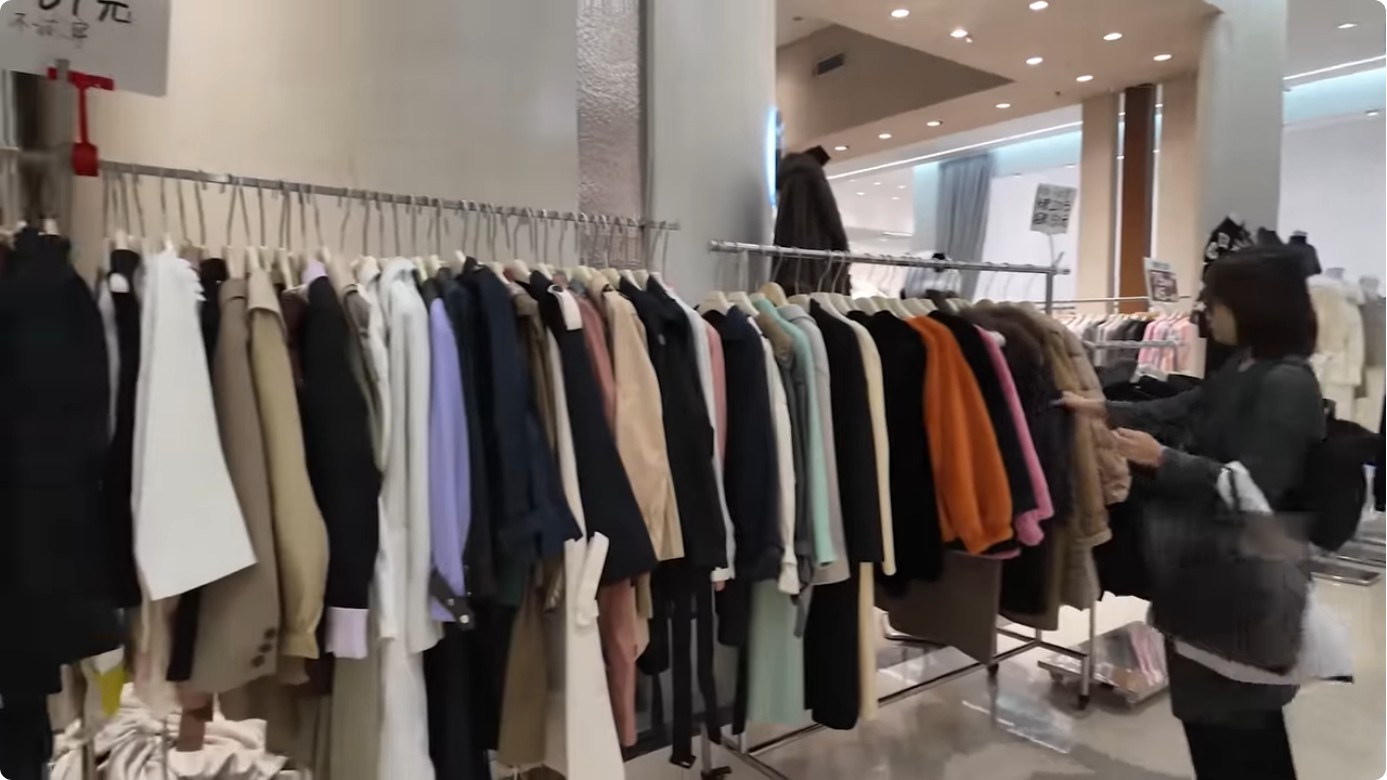
- Fit: Relaxed or oversized. It’s not a tight athletic cut. The shoulder seams often drop slightly, the body is roomy, and the sleeves are full. This allows for layering and a “dropped” shoulder silhouette that is central to the style.
- Fabric Weight & Blend: Typically a mid-to-heavyweight French terry or fleece, around 280-320 grams per square meter (gsm). This provides substantial drape and warmth without being overly bulky. Common blends are 80% cotton/20% polyester for softness and shape retention, or 100% cotton for a more premium, simple feel. The interior can be brushed (fleece) or unbrushed (French terry).
- Key Features: A large, layered kangaroo pocket is standard. The hood is substantial, often with a two-panel construction and a drawstring with metal or plastic aglets. The cuff and hem are usually 1×1 or 2×2 ribbed for elasticity and a clean finish. Minimal branding is a hallmark—often just a small chest logo or none at all.
The Hat: The Structured Counterpart
The hat provides a structured contrast to the soft hoodie. The classic version is:
- Style: A snapback or dad hat. The crown is structured (with a stiff front panel) or semi-structured, giving it shape that doesn’t collapse. The brim is flat or slightly curved.
- Panels: Usually a 5-panel or 6-panel construction. The front panel is where embroidery typically goes.
- Adjustment: A plastic snap closure at the back is iconic for snapbacks. Dad hats often use a fabric strap with a metal buckle or a velcro closure.
- Fabric: Sturdy cotton twill, polyester mesh (for ventilated versions), or wool blends. The fabric should hold its shape.
The coordination between the two items is often tonal (same color) or in a complementary neutral palette (black, grey, navy, olive, cream). This monochromatic or limited palette is a core part of the style’s appeal.
Who Buys This Style and Why?
This isn’t just a celebrity trend; it’s a commercial staple with a clear customer base.
- Streetwear & Fashion Brands: For these buyers, the style is a core seasonal product. It’s a canvas for subtle branding that aligns with “quiet luxury” or minimalist trends. They seek high-quality fabrics and perfect fits to justify premium pricing.
- Gyms & Fitness Studios: The relaxed fit is perfect for pre- and post-workout wear. Selling a branded hoodie and matching hat creates a strong community uniform. Durability and moisture-wicking blends (like cotton/poly with moisture management) become critical sourcing points here.
- Sports Teams & Esports Organizations: While not athletic performance wear, it’s ideal for fan merchandise, travel gear, or content creation “drip.” Team colors and logos are applied prominently, often on the chest of the hoodie and the front of the hat.
- Retailers & Wholesalers: They understand this is a high-volume, repeat-purchase item. They look for manufacturers who can offer consistent quality, flexible order quantities, and quick turnaround to match seasonal trends.
The context is primarily casual, street, and athleisure wear—think running errands, hanging out, traveling, or as part of a layered outfit. It’s less about intense sport performance and more about lifestyle expression.
Custom Manufacturing: From Concept to Bulk
Sourcing this style as a custom OEM (Original Equipment Manufacturer) or ODM (Original Design Manufacturer) product involves navigating a series of interconnected decisions. Your choices here directly impact cost, lead time, and the final product’s market fit.
1. Fabric and Material Selection
This is your first and most impactful decision. A change in fabric alters the hoodie’s hand feel, drape, durability, and price point.
- Hoodie Fabric:
- 100% Cotton: Classic, breathable, pre-shrinks well. Can be heavier and less soft than blends initially but ages well. Trade-off: May shrink more, less moisture-wicking.
- Cotton/Polyester Blend (e.g., 80/20, 65/35): The industry standard for a reason. Offers softness, reduced shrinkage, better color retention, and easier care. The polyester component improves durability and can add moisture-wicking properties if specifically engineered.
- Organic Cotton or Recycled Polyester: For brands with sustainability certifications (like GOTS or Textile Exchange standards). These command a premium but meet specific consumer demands.
- Hat Fabric:
- Cotton Twill: The classic, structured choice. Holds embroidery well.
- Performance Mesh: For a more athletic, ventilated version. Often used for custom team hats.
- Wool Blends: For a premium, colder-weather variant.
Production Note: Request fabric swatches and pre-production samples (” strikes” or “lab dips”) from your manufacturer. Feel the weight, stretch, and drape. For hoodies, ask about the rib knit quality at the cuffs and hem—cheap rib can stretch out and look sloppy quickly.
2. Fit and Sizing Specifications
“Relaxed fit” is subjective. You must provide clear specs.
- Provide a Tech Pack: A detailed document with measurements (body length, chest width, sleeve length, shoulder drop) for each size (S, M, L, XL, etc.). Specify if it’s intended to be oversized (e.g., “+2” chest measurement compared to a standard fit).
- Model for Target Audience: Are you designing for a teenage streetwear audience (who may prefer extreme oversize) or for gym members (who might want a more functional, still-relaxed but not baggy fit)? Your sample approval should be on a model that represents your customer.
- Hat Fit: Most structured hats are “one-size-fits-most” (OSFM) with an adjustable back. Confirm the head circumference range the adjustment mechanism accommodates (typically 56-60cm). For a premium look, consider offering small/medium/large sizes with no adjustment, which requires more precise manufacturing.
3. Customization Methods and Placement
How and where you apply branding defines the product.
Helpful tip: The Strategic Guide to Selecting the Best Jersey Colors for Teams & Brands
| Method | Best For | Durability & Feel | Minimum Order Impact |
|---|---|---|---|
| Embroidery | Hoodie chest/ sleeve; Hat front panel. Classic, premium look. | High durability, raised texture. Can be stiff on thin fabrics. | Typically no extra cost per piece for standard designs, but digitization fee applies. Very low impact on MOQ. |
| Screen Printing | Large graphics on hoodie back or front. Cost-effective for bulk. | Vibrant, sits on fabric. Can crack over time if low-quality ink/ cure used. | Cost per piece decreases with volume. Setup fees per color can add cost for small runs. |
| DTG (Direct-to-Garment) | Full-color, complex artwork on hoodies. No setup fees for multiple colors. | Soft, almost like a second skin. Best on 100% cotton or high-cotton blends. | Higher cost per piece than screen printing for large runs. Excellent for samples and small batches (e.g., 25+ units). |
| Woven Labels / Hangtags | Neck branding, care labels, price points. Subtle, professional. | Integrated look. Woven labels are durable and soft. | Very low MOQ impact. Often included in base cost per unit. |
Key Sourcing Question: Will your manufacturer handle all decoration in-house, or will you need to subcontract embroidery/printing? A single-vendor solution simplifies logistics and quality control.
4. Minimum Order Quantities (MOQs) and Production
MOQs are the gatekeeper for custom production.
- Standard OEM: Factories often have MOQs of 50-100 units per style/color for hoodies and hats. For a matched “set” (hoodie + hat in same color), some may require 100+ of each.
- ODM (Using Their Design): If you select a factory’s existing hoodie and hat style and only customize the logo, MOQs can sometimes be lower, as they are producing from existing patterns and fabric stocks.
- Sample Process: Always approve a pre-production sample (PP sample) before bulk. This is a fully made garment with your chosen fabric, fit, and decoration. Factor sample cost (often $100-$300 each) and shipping time (2-4 weeks) into your timeline.
- Lead Time: From approved sample to bulk delivery typically takes 8-12 weeks for a standard order, depending on factory load and fabric sourcing. Plan for seasonal delays.
Sourcing Checklist: Questions to Ask Your Manufacturer
Before committing, vet potential partners with this practical checklist:
- Fabric Sourcing: Can you provide fabric composition certificates? Do you stock fabrics in the weights we need (e.g., 300gsm French terry), or will we need to custom order (which increases MOQ and lead time)?
- Fit Expertise: Can you share your standard tech pack for a “relaxed fit” hoodie? What is your typical shoulder drop measurement? Do you have experience producing for the streetwear/athleisure market?
- Decoration Capabilities: Is embroidery done in-house? What is your maximum stitch count for hat panels? Do you use eco-friendly, low-VOC inks for screen printing?
- Quality Control: What is your AQL (Acceptable Quality Level) for defects? Can we inspect the PP sample at your facility or via a third-party service like Intertek or QIMA?
- Logistics: Do you handle customs clearance for export? What are your typical Incoterms? (FOB is common for B2B).
- Flexibility: What is your policy if the bulk order has a 3% defect rate? Can you accommodate a 10% overrun/underrun on the final order quantity?
The Bottom Line: Making the Style Your Own
The “Justin Bieber hat and hoodie” is a proven commercial silhouette because it balances comfort, style, and wearability. Its success as a custom product hinges on nailing the details: the precise weight of the hoodie fleece, the structured yet comfortable hat crown, and the subtle but effective branding placement.
For a fashion brand, this might mean sourcing an ultra-premium 100% organic cotton slub hoodie with a unique garment-dye finish and a wool-blend hat. For a gym, it could mean prioritizing a performance-blend hoodie with anti-pill properties and a moisture-wicking hat. Your target customer dictates every specification.
The biggest tradeoff is often between cost, quality, and order quantity. A factory with very low MOQs might use generic fabrics and looser tolerances. A premium OEM will demand higher volumes but deliver exceptional consistency and fabric quality. Start with a clear prototype budget and a realistic sales forecast to find your sweet spot.
Ready to Produce Your Version?
Do you have a clear vision for the fabric weight, fit, and branding placement? Have you considered whether you need a fully matched set or can mix and match existing inventory? Evaluating these factors upfront will streamline your communication with manufacturers and get you to a quality sample faster.
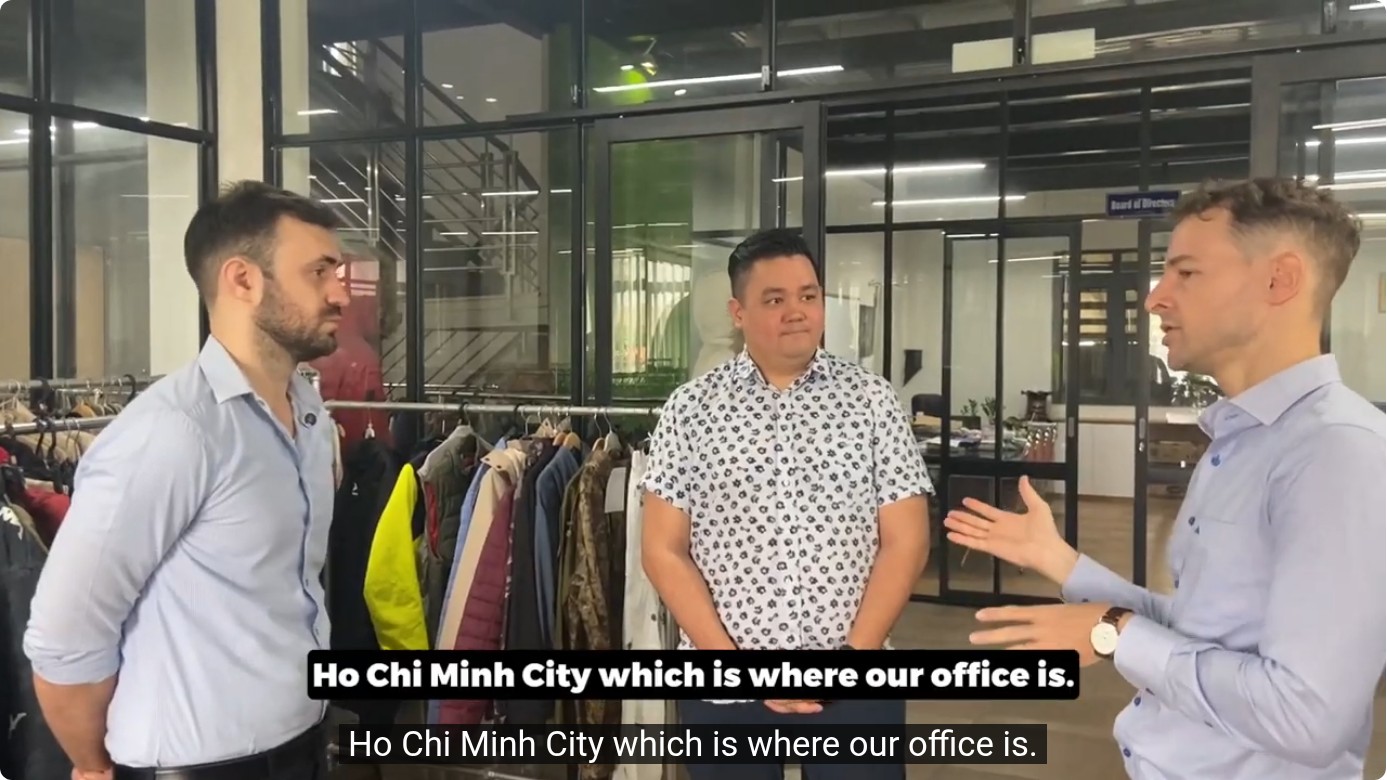
Planning to add these styles to your collection? We produce custom versions with your branding, fabric choice, and sizing — from sample to bulk. Contact our team for details.
Tags: justin bieber hat and hoodie
Helpful tip: Japan Running Brands: A Guide for Wholesale Buyers & Custom Apparel Sourcing