
The men’s short sleeve sweatshirt without a hood—commonly referred to as a crewneck sweatshirt or sweat tee—has cemented its place as a essential hybrid piece in modern wardrobes. It bridges the gap between a classic t-shirt and a full-zip hoodie, offering the structured comfort of fleece with the casual ease of short sleeves. For brands, gyms, and wholesale buyers, this style represents a high-utility item that performs well across multiple seasons and contexts, from athletic warm-ups to streetwear layering. Its simplicity, however, belies the crucial manufacturing decisions that determine its final quality, fit, and cost-effectiveness for custom production.
As a custom sportswear manufacturer, we work extensively with this style. This guide breaks down its construction, typical use cases, and the key variables you must evaluate when sourcing it for your brand or organization. Whether you’re a startup fashion label or a large sports team, understanding these fundamentals will help you communicate effectively with manufacturers and secure a product that meets your exact specifications.
What Matters Most When Sourcing This Style
Before diving into details, focus on these three non-negotiable factors that will frame your entire custom order. Getting these right from the start prevents costly revisions and ensures the final garment aligns with your brand’s intent.
Helpful tip: Sourcing Custom Sportswear: A Buyer’s Guide to Garment Factories in India
- Fabric Weight & Composition: This dictates drape, durability, warmth, and cost. A 280gsm (grams per square meter) 100% cotton fleece will feel and perform differently than a 320gsm 80/20 cotton-polyester blend. Your choice depends on the intended use—lightweight for layering vs. heavier for standalone wear.
- Fit Profile: “Relaxed fit” is the industry standard for this style, but the specifics vary. Is it a modern, tapered silhouette or a classic, boxy cut? You must define shoulder width, chest circumference, and body length. A sample is essential to verify.
- Customization Method & Placement: The logo or design application (screen printing, embroidery, sublimation) interacts with fabric choice and affects cost, durability, and aesthetic. Placement (chest, sleeve, back yoke) also influences pattern making and production efficiency.
Deconstructing the Garment: Style & Construction
A men’s short sleeve sweatshirt with no hood is defined by a few core construction elements. It typically features a crewneck (a round, ribbed neckline), short sleeves with ribbed cuffs, and a ribbed hem at the bottom. The body is cut from a single piece of fabric or with a slight side seam. The absence of a hood simplifies the pattern and reduces fabric waste, often making it a more cost-effective option than a hooded counterpart for custom runs.
The fabric is almost always a knit fleece, which has a brushed, insulating interior and a smooth exterior. The weight of this fleece is the primary determinant of the shirt’s character. Lighter weights (240-280gsm) are breathable and ideal for transitional weather or athletic layers. Mid-weights (280-320gsm) offer the classic sweatshirt feel and structure. Heavier weights (320gsm+) are for premium, standalone warmth.
Key details include the neck tape (a fabric strip inside the neckline for stability and comfort), the quality of the rib knit (tighter ribs mean better shape retention), and stitch density. For custom orders, you can specify these details, but they often correlate with price point and factory capability.
Fabric Fundamentals: Cotton, Polyester, and Blends
The fabric choice is your first major decision. Each option has tradeoffs in performance, feel, and production complexity.
| Fabric Type | Characteristics | Best For | Custom Considerations |
|---|---|---|---|
| 100% Cotton (e.g., 100% Cotton Fleece) | Soft hand-feel, breathable, natural. Prone to shrinkage (pre-wash is critical). | Brands emphasizing a “natural” or vintage aesthetic. Casual wear. | Requires pre-shrinking or over-sizing. Screen printing works well; embroidery needs stable fabric. |
| Cotton-Poly Blend (e.g., 80/20, 60/40) | Reduced shrinkage, increased durability, easier care. Slightly less soft than 100% cotton. | Teams, gyms, and retailers needing garments that withstand frequent washing. Cost-effective. | Very reliable for all customization methods. Blends with higher polyester content can be more compatible with sublimation printing. |
| Performance Polyester (e.g., Moisture-Wicking Fleece) | Lightweight, quick-drying, wicks moisture. Often has a smoother, less bulky feel. | High-intensity athletic wear, warm climates, performance-focused brands. | Must verify the fabric’s suitability for your chosen print method (some dyes/inks require special treatment). Often higher cost per meter. |
Typical Buyers & Use Cases
This style’s versatility makes it a staple across several B2B segments:
- Fitness & Gym Brands: Used as a warm-up layer or casual post-workout top. Often customized with a small logo on the chest or sleeve. Performance blends are popular here.
- Sports Teams & Clubs: A non-hooded option for fanwear or team-issued casual gear. The lack of a hood makes it simpler for team logos and numbers, especially on the back.
- Streetwear & Fashion Brands: A core layering piece. Fit is paramount—brands may request a specific “drop shoulder” or “cropped” variation. Fabric weight and texture are key differentiators.
- Corporate & Event Apparel: For company giveaways or team-building events. A cost-effective, wearable item that accommodates logos well.
- Retailers & Wholesalers: Sourcing as a basic inventory item, often in heather grey or navy, with minimal branding for broad appeal.
Understanding your end-user’s context should directly inform your fabric and fit specifications. A gym’s needs differ from a streetwear label’s.
Customization: Your Options & Their Implications
This is where OEM/ODM services add value. You’re not just buying a blank garment; you’re specifying its entire identity.
Logo Placement & Application
Common placements include the left chest (most popular), sleeve (upper arm or cuff), center back (full chest or yoke), and small labels inside the neck. The chosen location dictates the artwork size and the production step (some placements are done after assembly).
Also read: Sourcing Sportswear from Italy: A Buyer’s Guide to Quality, Customization, and Production
- Screen Printing: Best for bold, opaque designs on light and medium fabrics. Cost-effective for larger runs (typically >50 pcs). Setup fees per color. Not ideal for highly detailed photographic images.
- Embroidery: Provides a premium, durable finish. Works best on stable fabrics like mid-weight cotton or twill. Cost is based on stitch count and number of pieces. Can add significant perceived value.
- Direct-to-Garment (DTG) & Sublimation: DTG is great for full-color, complex designs on 100% cotton or high-cotton blends. Sublimation requires polyester fabrics and transfers the ink into the fibers, resulting in a very soft hand feel. Both are excellent for small runs and photorealistic art but have higher per-unit costs.
Critical Sourcing Tip: Always request a physical sample of your logo on the exact fabric and in the specified placement before approving the full production run. Color matching and detail clarity can vary dramatically between fabric types and print methods.
Fit & Pattern Adjustments
While factories have standard patterns, most offer customization for an additional pattern-making fee. You can request adjustments to:
- Body length (short, standard, long)
- Sleeve length and width
- Shoulder drop (set-in vs. raglan vs. drop shoulder)
- Chest and waist taper
- Neckline height and rib tightness
For brands, a unique fit is a key competitive advantage. However, deviating from a standard pattern increases development time and cost. For teams or corporations, a standard “athletic” or “relaxed” fit from the factory’s catalog is often sufficient and more economical.
Color & Fabric Sourcing
You can choose from the factory’s standard fabric colors (often a Pantone-matched portfolio) or commission a custom-dyed run. Custom dyeing has a higher MOQ (Minimum Order Quantity) and longer lead time but ensures exact color uniqueness. For a quick, cost-effective order, selecting a stock color is the path of least resistance. Always request a fabric swatch to verify color and hand feel in person, as digital representations are unreliable.
Sourcing & Production Decision Points
Navigating a custom manufacturing quote requires clarity on several variables that directly impact price and timeline.
- MOQ (Minimum Order Quantity): This is the floor. For standard styles in stock fabrics, MOQs can be as low as 50-100 pieces. For custom-dyed fabrics, unique fits, or intricate embroidery, expect MOQs of 300-500 pieces or more. Be upfront about your quantity needs.
- Timeline: A typical custom order from approval to shipment takes 8-12 weeks. This includes: sample approval (1-2 weeks), fabric sourcing (1-3 weeks), cutting & sewing (3-4 weeks), and final quality check & shipping (1-2 weeks). Custom dyeing or complex embroidery adds time.
- Cost Drivers: The final price per unit is a sum of: garment cost (fabric + cut/sew), customization cost (per-color print setup, embroidery stitch count), and value-added services (custom labels, hangtags, polybagging). Ask for a breakdown.
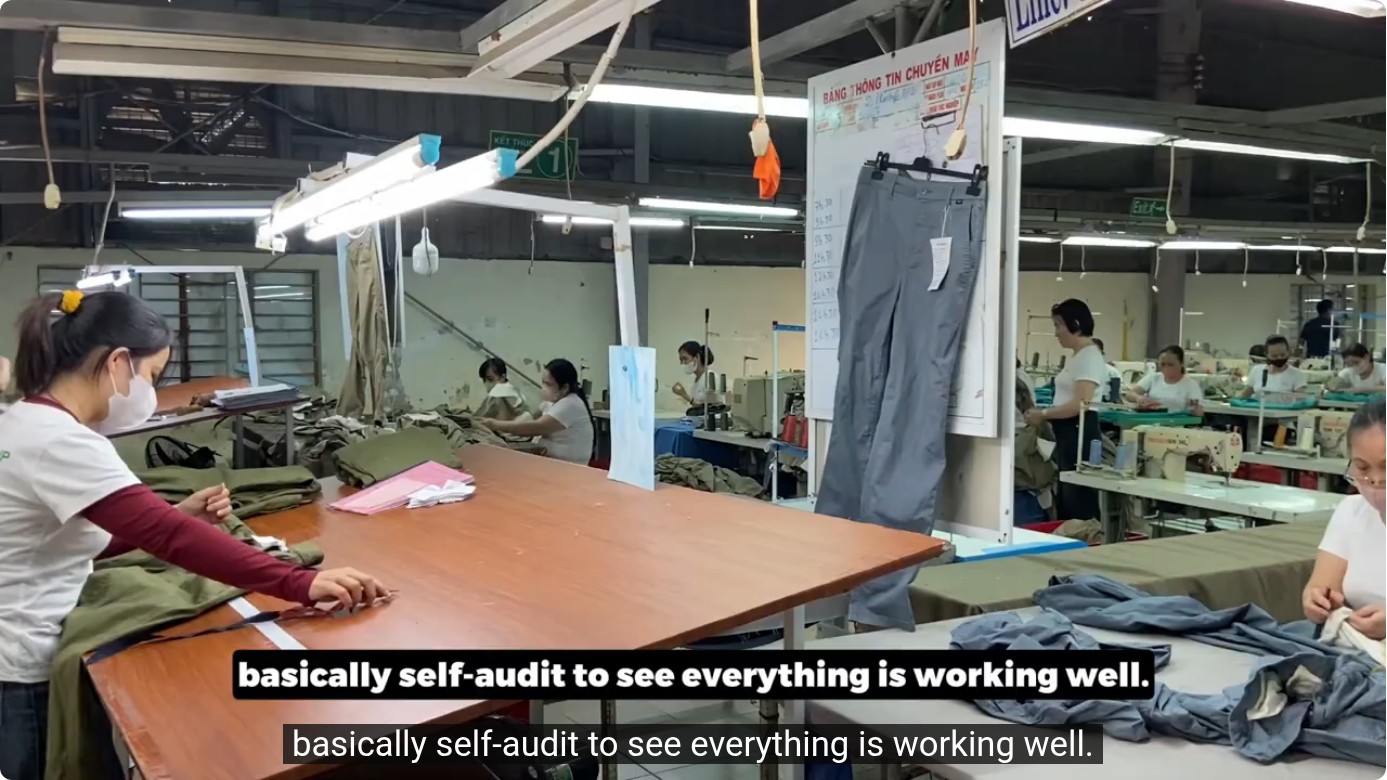
- Quality Control: Reputable factories have in-line and final inspection processes. Ask for details: Who inspects? What are the acceptable quality limits (AQL)? Are there extra charges for third-party inspection? For a first order, a pre-production sample (“PP sample”) and an approved fabric swatch are non-negotiable.
Questions to Ask Your Potential Manufacturer
Use this checklist when vetting suppliers to ensure alignment.
- Do you have experience producing this specific style (short sleeve crewneck) in volume?
- Can you provide fabric swatches with weight and composition clearly labeled?
- What is your standard MOQ, and is it flexible for first-time buyers?
- How do you handle color matching? Do you use a system like Pantone?
- What is your process for sample approval? How many revisions are included?
- Do you own the factory or act as a trading company? (Direct factory relationships often mean better communication and cost control).
- Can you provide references from clients in my industry (e.g., fitness, streetwear)?
- What is your warranty or defect policy for custom work?
We manufacture all the styles discussed in this guide — with custom labels, fabric options, and print or embroidery finishing. Tell us what you need.
Related guide: The Big Hood Hoodie: A Sourcing and Design Guide for Oversized Hoods