
For anyone sourcing custom activewear, the neckline is far more than a stylistic afterthought. It’s a critical interface between the garment and the wearer, influencing comfort, performance, branding potential, and production complexity. A poorly chosen or constructed neck can lead to discomfort, premature failure, and a finished product that falls short of both athletic and aesthetic expectations. This guide breaks down the essential neckline styles in sportswear, translating their functional attributes into actionable specifications for manufacturers. We’ll explore fabric pairings, construction techniques, and the key quality markers that distinguish a durable, professional neck from a weak point destined to stretch or fail.
Whether you’re a brand launching a premium athleisure line, a gym ordering team uniforms, or a retailer filling a private label order, understanding necks of shirts from a production standpoint is non-negotiable. It directly impacts your unit cost, minimum order quantity (MOQ), and the long-term satisfaction of your end customer. This article equips you with the vocabulary and technical insight needed to communicate precisely with your factory, ensuring your custom sportswear meets the exacting demands of performance and style.
Why Neckline Design Matters in Performance Apparel
In activewear, the neckline endures constant stress from putting on and taking off the garment, as well as from movement during exercise. This makes its construction a primary determinant of a shirt’s lifespan. From a sourcing perspective, the neckline choice dictates several downstream factors:
You may also like: How to Identify the Best Sportswear Manufacturers in China for Your Brand
- Fabric Selection: Not all fabrics are suitable for every neck type. Heavy knits may require specific stabilization, while lightweight jerseys need careful handling to avoid distortion.
- Construction Method: The technique—whether it’s a simple band, a fully-fashioned knit, or a layered facing—affects both the garment’s feel and the manufacturing steps, influencing cost and lead time.
- Branding Area: The shape and size of the neckline define the primary real estate for logos, labels, and design details. A crew neck offers a broad, rectangular space, while a V-neck creates a pointed accent zone.
- Perceived Value: Details like a contrast neck rib, a clean finished edge, or a branded neck tape signal quality to the consumer and can justify a higher retail price.
Common Neckline Styles in Sportswear: Features & Production Notes
Below is a breakdown of the most prevalent neckline types in custom activewear, focusing on their characteristics from a buyer’s and manufacturer’s perspective.
Crew Neck (Round Neck)
The classic crew neck is the undisputed workhorse of sportswear. It’s defined by a round, symmetrical opening that sits at the base of the neck.
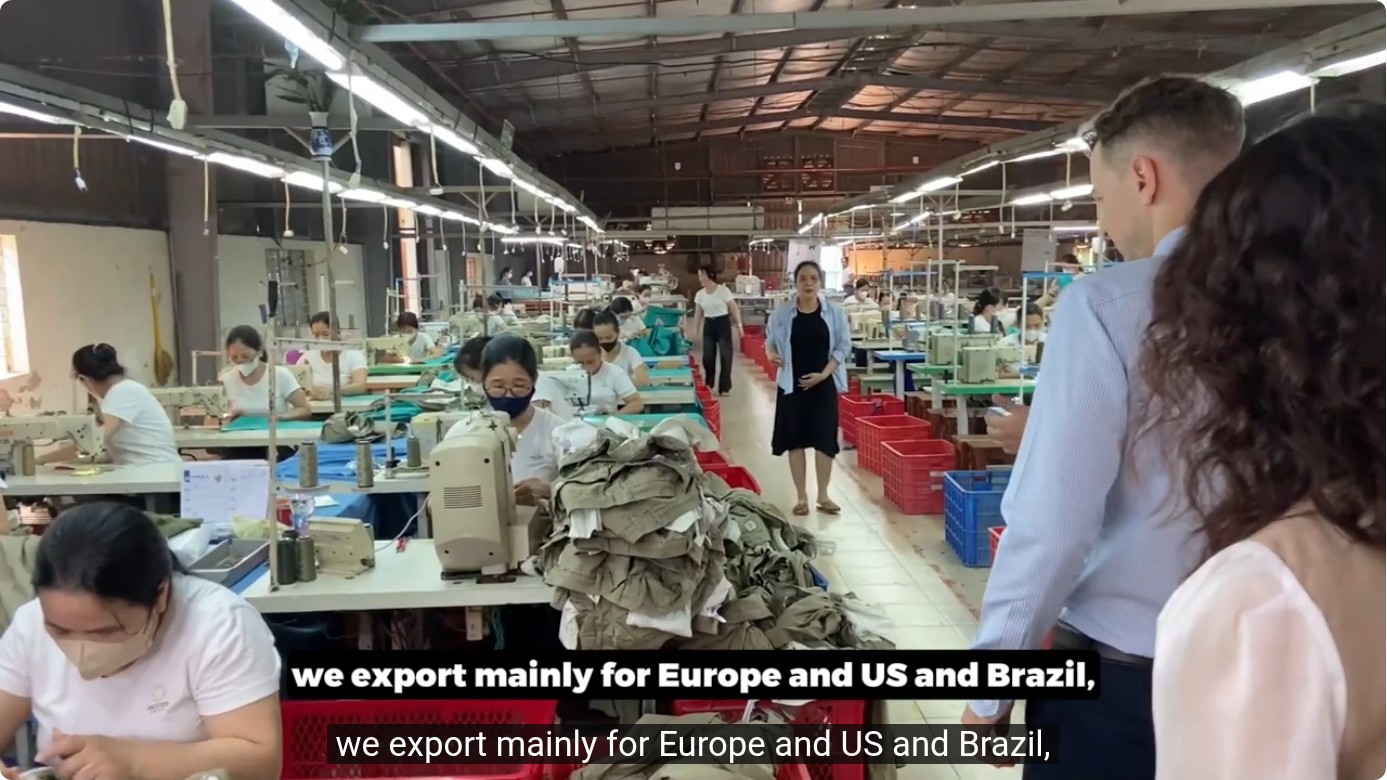
- Best For: T-shirts, sweatshirts, hoodies, and basic tanks. Universally flattering and suitable for almost any activity.
- Fabric Pairing: Works with virtually all knits—single jersey, fleece, French terry, performance mesh. The fabric’s weight often dictates the rib weight needed for the neckband.
- Customization Notes: Provides the largest, most straightforward area for chest logos. The neckband itself can be a prime spot for subtle contrast colors or branded jacquard ribbing. For high-stretch performance fabrics, a stabilization tape (often a non-stretch fusible or woven tape) is typically sewn between the fabric and the rib to prevent stretching and seam failure. This is a critical quality specification to request.
- Production Consideration: Generally has a lower MOQ impact compared to more complex styles. The band is cut and sewn as a separate piece.
V-Neck
Characterized by a V-shaped opening that dips down the chest, the V-neck adds a stylistic element that can elongate the neck and torso.
- Best For: Fashion-forward athletic wear, tank tops, and performance polos. Common in yoga and studio apparel.
- Fabric Pairing: Most common with lighter knits and wovens. The point of the “V” is a stress concentration, requiring precise engineering. The neckband is typically a continuous piece of rib that forms the “V” shape.
- Customization Notes: Logos are often placed above the point of the V. The depth of the V is a key spec—buyers must provide a measurement (e.g., “3-inch drop from base of neck”). Deep Vs require more careful stabilization. The inner facing at the V’s point must be securely finished to prevent unraveling.
- Tradeoff: Compared to a crew, a V-neck has less surface area for large chest logos but offers a more distinctive silhouette. The point is a common failure point if rib density is too low or stabilization is omitted.
Henley (Button Placket Neck)
A Henley features a placket with 2-5 buttons (or snaps) and no collar. It bridges the gap between a t-shirt and a polo.
- Best For: Casual athletic wear, golf apparel, and rugged workwear-inspired active lines.
- Fabric Pairing: Heavier knits like fleece, thermal jersey, and chambray. The fabric must be sturdy enough to support the buttonhole placket without distortion.
- Customization Notes: Branding is typically on the chest left of the placket. The placket itself can feature contrast stitching or branded buttons. This is a higher-complexity style due to the buttonhole addition (laser-cut, bar-tack, or sewn). Button quality and security must be specified (e.g., “metal shank buttons, 100 wash test guarantee”).
- Production Impact: Increases sewing steps and often MOQ by 5-15% due to the added componentry and labor. Buttonhole type must be confirmed with the factory.
Tank Top / Sleeveless Necklines
Tank tops feature a neckline that is essentially a crew or scoop, but the finish is critical due to the lack of sleeves to help distribute strain.
- Variants: Classic crew, wide scoop, racerback (with a “T” or “Y” back).
- Fabric Pairing: Performance mesh, lightweight jersey, ribbed knits. The neckband and shoulder straps experience high tension.
- Customization Notes: For racerbacks, the back neck join is a major stress point and requires robust stitching (often a “bar tack” reinforcement). Neckband width is a key spec—narrow bands can feel restrictive, wide bands can roll.
- Sourcing Tip: Specify the neck drop (distance from shoulder seam to bottom of neck hole) and neck width (measured flat). These are fundamental fit specs that must be provided in your tech pack.
Polo & Knit Collar
While technically a collar, the knit collar on a performance polo is an extension of the neckline system and presents unique challenges.
Helpful tip: The Men’s Crewneck Sweatshirt: A Sourcing Guide for Brands & Buyers
- Construction: Typically involves a separate, ribbed collar and a placket with 2-3 buttons. The collar is attached to a collar stand (a short band of fabric) that sits against the neck.
- Critical Specs: Collar stiffness (often controlled by rib gauge and interlining), collar roll (should lie flat), and placket alignment. A poorly attached collar will gap or flop.
- Fabric Pairing: Pique knits, moisture-wicking polyester blends. The collar fabric must match the main fabric’s stretch and recovery properties to avoid pulling.
- Production Note: One of the most complex neckline constructions in sportswear. Expect higher MOQs and unit costs. Requires a very skilled sewing operator.
| Neckline Style | Key Manufacturing Complexity | Typical MOQ Impact | Primary Branding Zone | Critical Quality Spec |
|---|---|---|---|---|
| Crew Neck | Low-Moderate | None | Center chest, neckband | Rib density, stabilization tape use |
| V-Neck | Moderate | Low (+5-10%) | Above V point | V-point finishing, depth tolerance |
| Henley | Moderate-High | Moderate (+10-15%) | Chest left of placket | Buttonhole type, button security |
| Tank/Racerback | Moderate | Low | Center chest, back strap | Neckband width, back join reinforcement |
| Polo Collar | High | High (+15-25%) | Left chest on placket | Collar stand alignment, placket stay |
Sourcing Custom Necklines: What Buyers Must Specify
To get an accurate quote and a consistent product, your communication with the factory must be precise. Vague requests like “make a nice crew neck” lead to assumptions and inconsistent results. Use this checklist when preparing your tech pack or inquiry.
Essential Technical Specifications
- Neckband Fabric & Composition: Specify the exact rib knit (e.g., “1×1 24oz cotton/poly rib”). The weight and elastane content determine stretch and recovery. AATCC standards for stretch recovery can be referenced for testing protocols.
- Neckband Width: Provide the finished width (e.g., “3/4″ or 20mm”). This affects comfort and branding area.
- Construction Method: “Band sewn to neck opening” vs. “fully-fashioned knit neck.” Fully-fashioned (knit-in-the-round) eliminates a side seam and is higher quality but has much higher MOQs (often 5,000+ pieces).
- Stabilization: Explicitly state if a non-stretch tape is required in the seam. For performance wear or deep V-necks, this is not optional for quality.
- Labeling: Will you have a woven neck tape? A printed care label sewn in? Specify location (center back neck is standard).
- Color Matching: Neckband color must be specified as a separate color code (e.g., PMS 547C), not just “same as body.” Slight shade variation is common; controlling it requires separate knitting dye lots.
- Stitch Type & Thread: Typically a 3- or 4-thread safety stitch for strength. Thread type (polyester vs. cotton) and color must be specified.
Production & Cost Considerations
Complex necklines drive up costs through multiple channels:
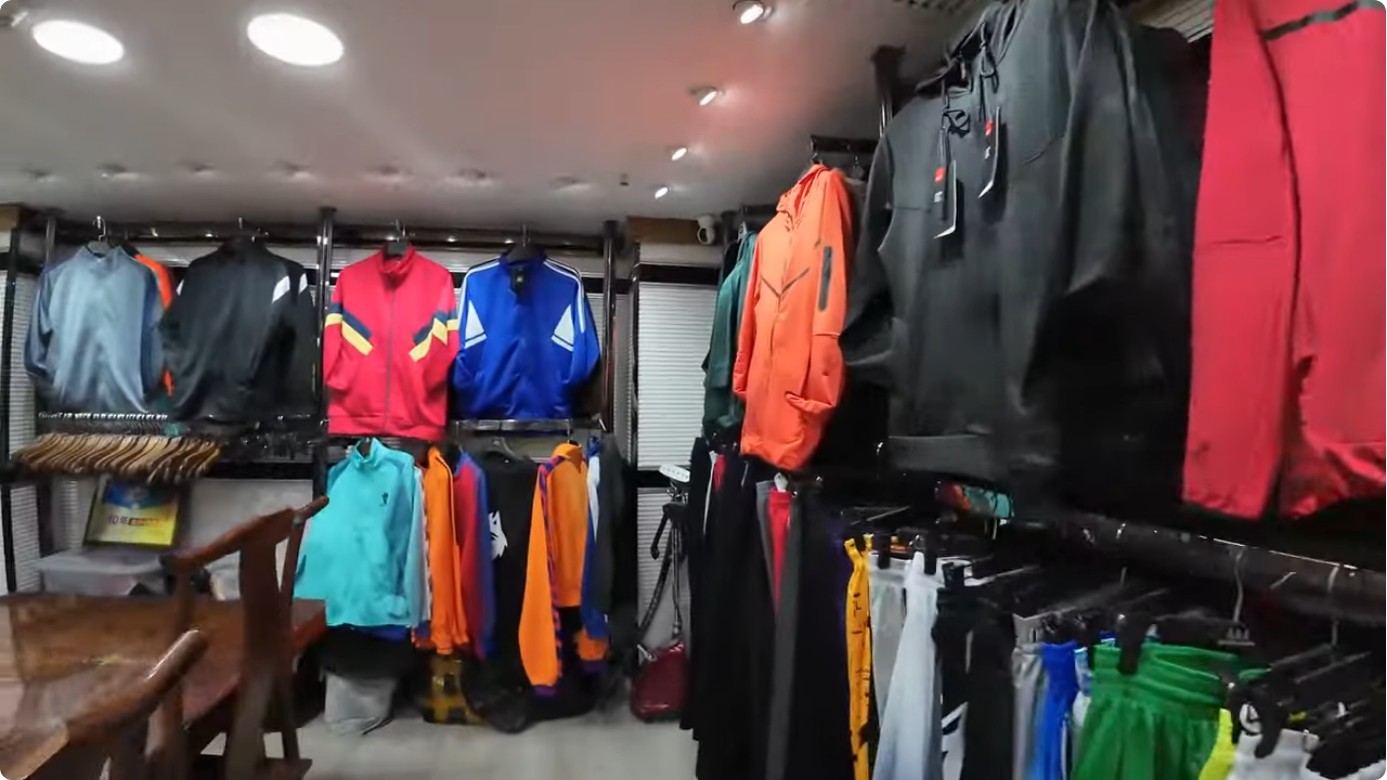
- Labor: A polo collar or Henley placket can add 30-60 seconds of sewing time per garment versus a simple crew.
- Material: Specialty ribs, branded buttons, and stabilization tape are separate cost items.
- Yield & Waste: Complex pattern cutting for neckbands can increase fabric waste.
- MOQ: Factories set higher minimums for styles requiring special machinery (e.g., automatic buttonhole attachers) or skilled operators to justify the setup. Always ask how the neckline choice affects the MOQ.
Quality Markers: Inspecting the Neckline
When reviewing samples or inspecting bulk goods, pay close attention to these details that separate professional from subpar manufacturing.
- Rib Density & Uniformity: The ribs should be even, straight, and tightly packed. Low-density rib (fewer ribs per inch) will stretch out and lose shape quickly. A rib density of 22-30 courses per inch is typical for quality sportswear.
- Seam Flatness & Stability: The seam where the neckband meets the body fabric should lie flat without twisting or rolling. There should be no visible puckering. The seam should not stretch excessively when pulled perpendicular to the seam line.
- Edge Stability: The raw edge of the neckband (if not bound) should be clean and not prone to fraying. A serged edge is standard, but the overlock stitch should be neat and not overly tight, which can cause fabric draw.
- Reinforcement at Stress Points: For V-necks, the point should have a small bar tack or a tight lockstitch. For racerbacks, the intersection of the straps and the back neck should be reinforced, often with a small diamond of bar tacks.
- Recovery Test: Stretch the neckline manually. It should return to its original shape promptly without lagging. Poor recovery indicates low-quality elastane or insufficient rib construction.
Making the Right Choice: A Buyer’s Decision Framework
Your neckline selection should be a deliberate trade-off between brand identity, function, and budget. Ask yourself these questions:
- What is the primary use case? A high-intensity running shirt needs a secure, stable crew neck with moisture-wicking rib. A boutique yoga brand might prioritize a soft, dropped V-neck in a modal blend, accepting a slightly shorter lifespan for premium feel.
- What is the branding strategy? If the logo is large and central, a crew is optimal. If the branding is subtle and collar-based, a polo or Henley might be better. Can the neckband itself be a branding element (e.g., a contrast color)?
- What is the target price point? For budget-friendly bulk orders (e.g., team uniforms), a simple crew neck with basic rib and no stabilization tape may be acceptable. For premium DTC brands, investing in stabilization, finer rib, and finished edges is necessary to meet consumer expectations.
- What are the factory’s capabilities? If you’re working with a new factory, start with simpler necklines (crew, basic V) to gauge quality. Complex styles like polos should only be commissioned after a solid track record is established. Ask for samples of their previous work in that specific neckline.
Your Custom Neckline Questions Answered
Selecting the right neckline is one of the first and most important design decisions for your custom sportswear line. It sets the tone for the garment’s performance, fit, and visual impact. The key is to move from a vague aesthetic preference to a precise technical specification that your manufacturing partner can execute flawlessly.
Need custom versions of any style covered here? Our sportswear factory handles everything from tech pack review to bulk delivery. Request a sample or quote.
Related guide: The Hidden Architecture: How Sleeping Bag Patterns Dictate Fabric Choice and Performance