
For a soccer team, the kit is its visual identity on the pitch. The color purple, in its many shades from vibrant violet to deep plum, carries a unique blend of prestige, creativity, and power that many clubs and brands find compelling. But sourcing a professional-grade purple soccer kit that performs, lasts, and represents a brand correctly involves navigating a complex world of fabric technologies, customization methods, and production logistics. This guide cuts through the noise, serving both team managers equipping their squads and wholesale buyers or brand owners looking to source or manufacture custom purple soccer kits at scale.
We will move beyond simple aesthetics to examine the technical considerations that separate a kit that fades and balloons after five washes from one that maintains its fit and color season after season. From the molecular structure of your dye to the stitch density of your badge, every decision impacts the final product’s performance, cost, and perceived value.
What Matters Most: The Buyer’s Priority Checklist
Before diving into styles, establish your non-negotiables. For any custom soccer kit—purple or otherwise—these are the core pillars of a successful sourcing project. Use this as your initial brief.
Also read: Sourcing & Manufacturing Vineyard-Style Apparel: A Guide for Brands & Buyers
- Performance Fabric First: The base fabric dictates moisture management, weight, and durability. Do not compromise here for the sake of a lower cost.
- Color Consistency & Fastness: “Purple” is not a single color. Specify Pantone codes. Demand guarantees on colorfastness to washing and light (ISO standards apply).
- Customization Method Alignment: Your logo complexity and budget will dictate whether embroidery, sublimation, or heat transfer is best. Each has different MOQs and durability profiles.
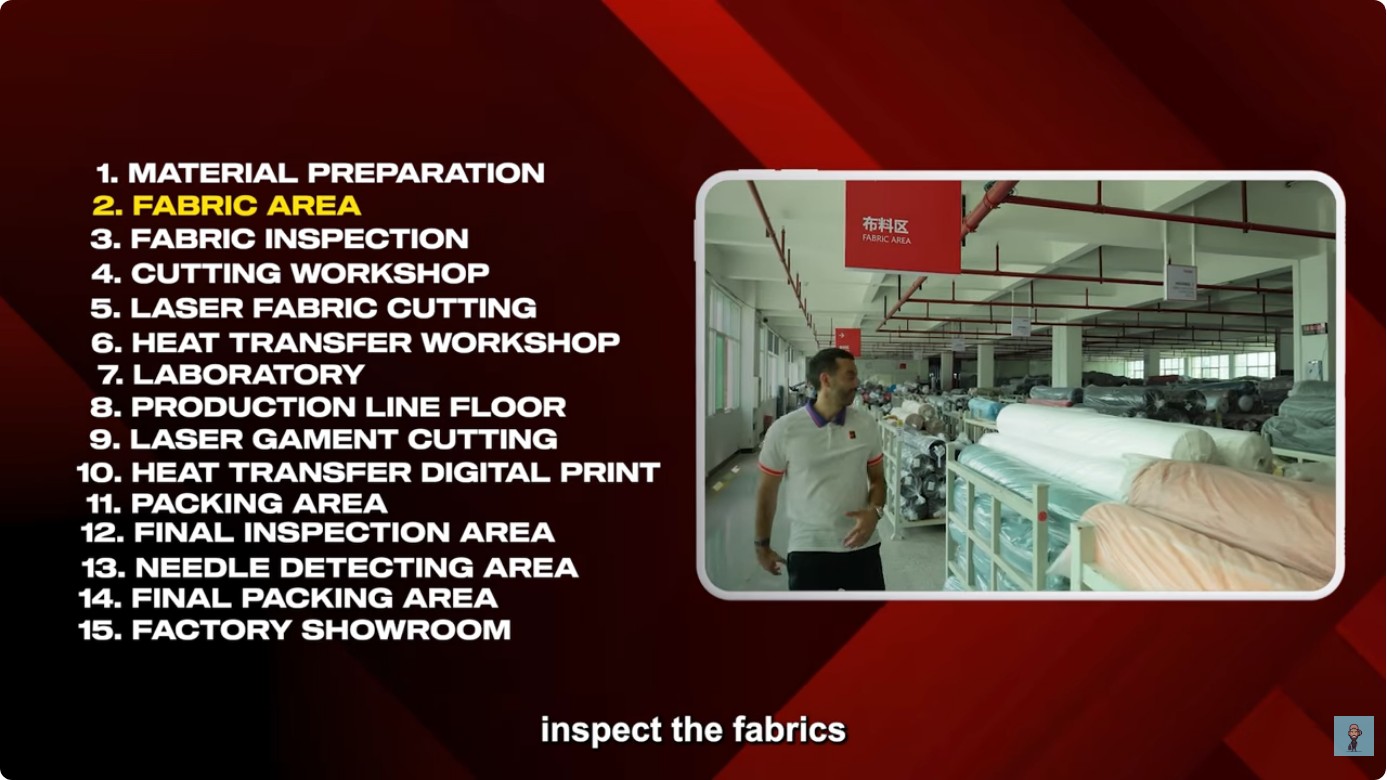
- Production Transparency: Understand the factory’s capabilities, lead times, and quality control process. Request samples of previous work, especially for purple color matching.
- Total Cost of Ownership: Factor in sampling, tooling (for screen printing), shipping, duties, and potential waste. The quoted unit price is rarely the final cost.
The Science of Purple: Color, Psychology, and Practicality
Purple has historical ties to royalty and luxury, making it a powerful branding tool for teams wanting to project an elite image. In modern soccer, it’s associated with clubs like Juventus ( Bianconeri with purple accents) and LAFC. For brands, it offers a distinctive alternative to dominant blues and reds.
However, from a manufacturing standpoint, purple is a complex color to produce consistently. It is typically created by combining red and blue dyes. The exact shade is highly sensitive to dye chemistry, water temperature during dyeing, and the base fabric’s original color (most performance fabrics are dyed from white or undyed greige goods). A slight variance in red dye lot can shift a royal purple to a magenta. This makes rigorous color matching with a physical Pantone TCX or TPX swatch absolutely critical. Always approve a lab dip (a pre-production fabric sample dyed to your specification) before giving the go-ahead for bulk production.
Performance Fabric Fundamentals for Soccer Kits
The modern soccer kit is an engineering marvel. The fabric is not just a canvas for color; it is an active component. For purple kits, the fabric choice also affects how the color appears under different lighting (stadium floodlights vs. daylight).
The industry standard is 100% polyester or polyester blends, woven or knitted. Key properties to specify:
- Moisture-Wicking (Hydrophilic Finishes): Fabrics treated to pull sweat away from the skin. Look for descriptions like “Dri-FIT,” “Climalite,” or generic terms like “moisture management.”
- Weight & Breathability: Match weight to climate. 135-150 GSM (grams per square meter) is common for match kits; heavier 180-220 GSM for training apparel or cooler climates. Mesh panels are often added for ventilation in high-sweat zones.
- 4-Way Stretch: Essential for unrestricted movement. Check the fabric’s recovery rate—low-quality stretch will bag out after wear.
- Durability & Abrasion Resistance: For tackles and slides. Double-knit or interlock constructions are more robust than single-knit.
Fabric Technology Comparison
| Fabric Type | Key Characteristics | Best For | Sourcing Note |
|---|---|---|---|
| 100% Polyester (Microfiber) | Lightweight, excellent wicking, durable, holds vibrant sublimation prints perfectly. Can feel less soft than blends. | High-performance match kits, sublimation-heavy designs. | The most cost-effective and common choice for custom purple sublimation kits. Color pop is excellent. |
| Polyester-Cotton Blend (e.g., 65/35) | Soother hand feel, more breathable natural fiber, but lesser wicking and shrinkage risk. Sublimation print quality is inferior. | Casual training wear, fan replica jerseys, fashion-focused items. | Not recommended for elite performance. Color can be less vibrant on heather blends. |
| Recycled Polyester (rPET) | Identical performance to virgin polyester, with sustainability credentials. May have a slightly different dye uptake. | Eco-conscious brands, teams with green initiatives. | Increasingly available. Verify certifications (e.g., GRS). Lab dip is essential for purple color matching. |
| Nylon/Spandex Blends | Extreme stretch, silky feel, very durable. Often used for tight-fitting base layers or specific shorts. | Compression wear, goalkeeper kits, fashion-forward designs. | Higher cost. Sublimation requires specific equipment. Less common for standard kits. |
The Anatomy of a Kit: Components and Customization Points
A full “kit” typically includes a jersey, shorts, and socks. Each component offers different customization opportunities and production considerations, especially for a bold color like purple.
1. The Jersey: Your Primary Canvas
This is where most branding lives. Key zones:
- Body & Sleeves: The main field. Sublimation is the dominant method for all-over, multi-color designs on performance polyester. It dyes the fabric fibers directly, resulting in a permanent, breathable print with no feel. Ideal for complex gradients involving multiple shades of purple.
- Collar & Cuffs: Often a contrasting color or pattern. Can be a separate fabric piece (piping) or part of the sublimated design.
- Sponsor Logos & Badges: Usually embroidered for a premium, durable feel or applied via heat transfer for complex, multi-color logos on a budget. Embroidered patches on purple require careful thread color selection to ensure visibility and harmony.
2. Shorts
Typically a simpler panel construction. Can be sublimated for a fully custom look or made from a solid-color fabric with printed/embroidered logos. Consider:
- In-seam vs. Out-seam: In-seam is traditional and less abrasive; out-seam is more modern but can cause chafing if not finished well.
- Liner: Brief-style liner is standard for performance; compression-style liner is a premium upgrade.
- Color Blocking: Using different fabric panels (e.g., purple shorts with a contrasting side panel) requires precise sublimation or cutting/sewing, adding cost.
3. Socks
Often overlooked but part of the unified look. Can be knitted in the yarn (best for color integrity) or made from white/black fabric with printed patterns. Knit socks offer the best color saturation for purple but have higher MOQs.
Customization Methods: Sublimation, Embroidery, and More
Your choice here is a direct function of design complexity, order quantity, and budget.
- All-Over Sublimation (AOS): The gold standard for custom soccer jerseys. The design is printed onto paper and then heat-pressed into white or light-colored polyester fabric, dyeing it permanently. Perfect for purple kits as you can achieve precise shades, gradients, and intricate patterns that won’t crack or fade. MOQs are relatively low (often 10-50 pieces per design). The limitation is that you cannot easily change the base fabric color—it starts white and gets dyed. For a deep, rich purple, the fabric must be able to accept a high dye saturation.
- Cut & Sew with Solid Colors: You order fabric already dyed in your specific purple shade (from a mill). Panels are cut and sewn together, with logos applied via embroidery, screen printing, or heat transfer. This allows for different fabric weights in different zones (e.g., lighter mesh on sides) and is traditional for higher-end pro kits. MOQs for custom-dyed fabric are very high (often 1000+ meters), making it suitable only for large orders.
- Embroidery: For badges, club crests, and small logos. Provides a premium, tactile feel. On purple, thread color selection is critical for contrast. Metallic threads can pop beautifully but increase cost and require a sturdy fabric base.
- Screen Printing: Best for bold, single-color logos (e.g., a white logo on a deep purple jersey). Cost-effective for medium runs (50+). Not suitable for multi-color or gradient logos. Feel can be plasticky if not done with high-quality, thin inks.
- Heat Transfer (Vinyl): Good for small, multi-color logos. Durability can be an issue with repeated washing and abrasion, especially on stretchy fabrics. Use premium PU vinyl for better results.
Production Realities: MOQs, Lead Times, and Quality Control
Understanding factory constraints is key to a realistic sourcing plan.
Minimum Order Quantities (MOQs)
- Sublimated Jerseys: Factories often have a low MOQ of 10-20 pieces per size/design, as it’s a digital process. However, total order MOQs of 50-100 pieces per style are common to make the production run viable.
- Custom-Dyed Fabric & Cut & Sew: MOQs are high due to the dye lot and cutting setup. Expect 500-1000 pieces per style to get a reasonable price.
- Embroidery: Low MOQs (even 1) are possible, but the cost per piece is high. It’s economical when added to a larger garment order.
Pro Tip: For a new brand or a small team, starting with sublimation is almost always the most feasible path to a custom purple kit.
Lead Times
A typical custom production cycle (from approved design and fabric swatch) is 4-8 weeks. This includes:
- Fabric sourcing/dyeing (2-3 weeks if custom color)
- Sample making (1 week)
- Bulk production (2-4 weeks)
- Quality control, packing, and shipping (1 week)
Plan accordingly, especially for seasonal launches or tournament deadlines.
Quality Control Markers to Specify
In your purchase order or spec sheet, demand checks for:
- Seam Strength: Stitches per inch (SPI) should be high (8-12 SPI for lockstitch). Seams should be tested for burst strength.
- Color Consistency: Use a spectrophotometer for objective measurement against the lab dip, not just visual inspection.
- Print/Embroidery Quality: No loose threads, puckering, or misregistration. Embroidery should lie flat.
- Sizing Compliance: Provide a detailed measurement spec chart (chest, length, sleeve). Factories should measure a sample from each size batch.
- Fabric Shrinkage: Pre-washed fabrics should have shrinkage below 3% in both directions.
Sourcing Scenarios: From Small Club to Large Brand
Your approach changes dramatically based on your scale.
| Sourcing Scenario | Recommended Path | Key Considerations |
|---|---|---|
| Small Youth/Training Club (10-50 kits) | Work with a supplier offering low-MOQ sublimation. Use their standard template with your colors and logos. Avoid custom fabric dyeing. | Focus on durability over ultra-lightweight tech. Get a sample. Simplify design to control cost. |
| Amateur/Semi-Pro Team (50-250 kits) | Full custom sublimation jersey + solid-color shorts/socks. Provide precise Pantone for purple. Request pre-production samples of logo application on the fabric. | Budget for a full design set (home, away, third). Negotiate package pricing. Plan 6+ weeks lead time. |
| Fashion Brand/Retailer (500+ units) | Consider hybrid: custom-dyed fabric for a unique purple base (non-white), with cut & sew for premium feel. Or high-volume sublimation on a proprietary fabric blend. ODM services (using factory’s existing styles) can reduce cost. | Deep dive into mill certifications for fabric. Requires serious QC oversight. Shipping logistics (consolidation, customs) become critical. |
Critical Questions & The Path Forward
Before you commit to a factory, have clear answers to these:
- Can you provide a lab dip for my specific Pantone purple (e.g., PMS 2685 C) on the exact performance fabric we will use?
- What is your standard process for ensuring color consistency across a 500-piece order? Do you use a spectrophotometer?
- For sublimation, what is your maximum repeat size for pattern continuity? (Important for vertical stripes or repeating logos).
- Can you provide a sample of a previous purple kit to assess the final color result and fabric hand?
- What are your payment terms? (Typically 30% deposit, 70% before shipment or against Bill of Lading copy).
- What warranties do you offer on print/embroidery cracking or peeling?
Navigating these technical and commercial details is where a true manufacturing partner adds value. They don’t just execute a design; they guide you toward the most efficient, high-quality realization of it.
We manufacture all the styles discussed in this guide — with custom labels, fabric options, and print or embroidery finishing. Tell us what you need.
Common Follow-Up Questions
Q: Is a darker purple (like plum) easier to manufacture than a bright purple?
A: Yes, generally. Darker shades have more pigment density and can better mask minor variations or the underlying white fabric in sublimation. Bright, electric purples require perfect color matching and a fabric that takes dye brilliantly to avoid looking washed out.
Q: Can I mix sublimation and embroidery on the same jersey?
A: Absolutely, and it’s common. Typically, the main design is sublimated, while the club crest and sponsor logo are embroidered. The key is ensuring the embroidery placement doesn’t interfere with the sublimated pattern’s registration.
Q: What’s the biggest mistake buyers make when ordering custom purple kits?
A: Approving a digital mock-up without a physical lab dip and fabric sample. The color on your screen will never match the final product exactly. A physical, dyed fabric sample is the only reliable reference point for a critical color like purple.
More advice: How to Choose and Own a Sports Brand Name: A Guide for Buyers and New Apparel Ventures