
When buyers or brands search for “vineyard vines similar brands,” they’re typically not looking for a direct competitor list. Instead, they’re identifying a distinct, popular category of casual, resort-inspired apparel—think lightweight polos, relaxed chinos, breezy button-downs, and performance swim trunks. This style prioritizes comfort, a preppy aesthetic, and versatile fabrics suited for warm climates or leisurely activities. For a custom sportswear manufacturer, this presents a clear opportunity: replicating the *essence* of that style for private label, team gear, or resort wear collections.
This guide bridges the gap between a consumer’s desire for that aesthetic and a buyer’s need for a reliable, scalable manufacturing solution. We’ll deconstruct the key characteristics of vineyard-style apparel, explore the critical production decisions that define quality and cost, and outline exactly what you need to communicate to your factory to get the custom pieces you envision—whether you’re launching a new brand or outfitting a golf course pro shop.
Defining the “Vineyard Vines Style” for Custom Production
Before discussing manufacturing, we must clarify the product. The term points to a specific category of apparel, not a trademarked design. It’s characterized by:
More advice: Sourcing ‘Preppy’ Style Apparel: A Manufacturer’s Guide to Vineyard Vines-Inspired Looks
- Fabric First: An emphasis on soft, breathable, and often performance-oriented materials. This includes cotton-polyester blends, bamboo viscose, linen blends, and technical fabrics with moisture-wicking or UV protection properties.
- Relaxed Fit: A silhouette that is comfortable but not sloppy—think “tailored comfort.” For polos and shirts, this often means a slightly looser cut through the body and arms. For shorts and pants, a straight or relaxed taper is standard.
- Subtle Branding: Minimalist logos, often embroidered (for a premium feel) or printed with soft-hand techniques. Classic color palettes dominate: navy, heather grey, khaki, white, and pastels.
- Functional Details: Considered construction like reinforced seams, sturdy buttons, clean finishes, and practical pockets (e.g., welt pockets on shorts).
For sourcing, this means you’re not just buying a generic t-shirt; you’re specifying a category with established consumer expectations. Your manufacturer must understand these nuances to avoid producing a garment that feels or looks “off.”
The Critical Role of Fabric Selection
Fabric is the non-negotiable foundation of vineyard-style apparel. A poor fabric choice will undermine the entire garment’s perceived value. Here’s what separates a premium custom piece from a basic one:
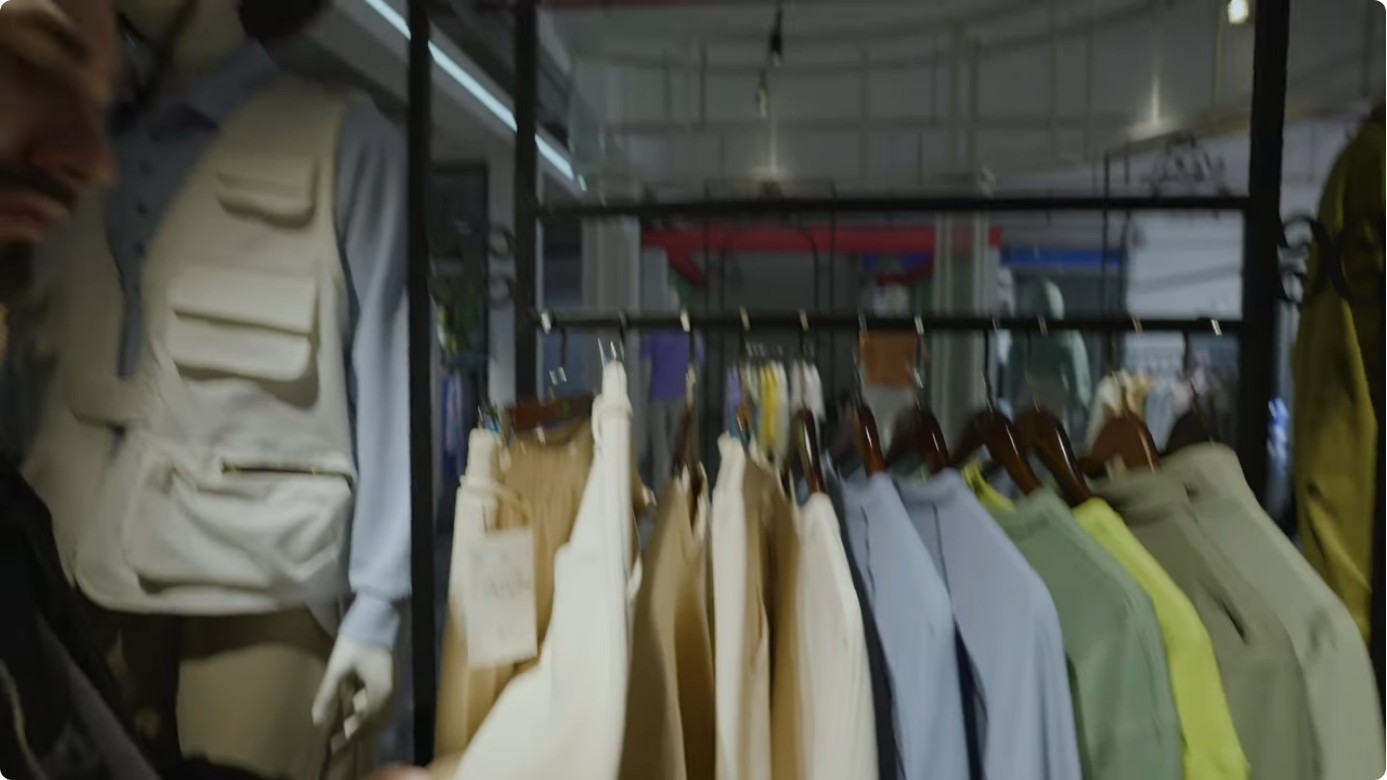
- Single-Jersey vs. Pique Knit: For polos, pique is the classic texture. Its honeycomb structure is more breathable and holds structure better than a flat-knit jersey. For t-shirts and henleys, a high-quality, brushed single-jersey provides exceptional softness.
- Blend Ratios: A 60/40 cotton-polyester blend offers a good balance of softness and wrinkle resistance. For performance wear, a 90/10 or 85/15 poly-spandex blend provides stretch and recovery. The AATCC provides standards for testing fabric properties like moisture management and pilling.
- Weight & Drape: A lighter weight (e.g., 140-180 GSM for polos) feels more appropriate for resort wear than a heavy 200+ GSM knit. The drape—how the fabric falls—is crucial for shirts and shorts; a stiff fabric reads as cheap.
- Finishing: Garment-washed or enzyme-washed fabrics achieve that lived-in softness from the first wear. This is a key processing step you must request.
Production Tradeoff: Higher-quality, specialized fabrics (e.g., organic cotton, Tencel™ blends) often come with higher minimums (MOQs) from textile mills and longer lead times. You must balance your target retail price with these fabric costs.
Key Construction & Quality Markers Buyers Should Verify
Two garments made from the same fabric can feel worlds apart based on construction. When evaluating samples or discussing specs with a factory, scrutinize these elements:
| Feature | Premium/Vineyard-Style Standard | Cost-Cutting Alternative |
|---|---|---|
| Seams | Flat-felled or French seams (clean, durable, flat inside). | Standard overlock/serger seam (can be bulky and less durable). |
| Hem | Double-needle topstitched hem (straight, professional). | Single-needle or coverstitch hem (can roll or look casual). |
| Buttons | Mother-of-pearl, corozo, or high-grade poly resin. Secure stitching (“button & buttonhole” shank). | Standard plastic, loosely attached. |
| Plackets & Collars | Interfaced for structure. Clean, sharp collar roll. | No or light interfacing; collars may wilt. |
These details aren’t just about aesthetics; they directly impact durability and customer satisfaction. A factory experienced in mid-tier to premium casualwear will inherently build these in. Always request pre-production samples (often called “counter samples” or “approval samples”) to verify every construction point.
Customization Options & Manufacturing Considerations
This is where your project’s feasibility is determined. You must align your design vision with practical manufacturing capabilities.
1. Branding Methods & Placement
The minimalist ethos of vineyard style favors subtlety. Your branding options are typically:
- Embroidery: The gold standard for polos, hats, and outerwear. Discuss thread type (rayon vs. polyester vs. metallic), stitch count (more = more detailed but costly), and placement. A small, tonal chest logo is classic.
- Screen Printing: Best for larger, bold graphics on t-shirts or tanks. Soft-hand inks (water-based or discharge) are essential to avoid a stiff, plastic feel that contradicts the style’s softness.
- Heat Transfer/DTG: Ideal for intricate, multi-color designs or small runs. Durability can vary; request testing standards for wash fastness.
- Woven Labels: For a high-end feel, specify damask or satin woven labels. Ensure they are sewn-in, not iron-on.
2. Understanding MOQs and Production Scaling
Minimum Order Quantities (MOQs) are driven by your fabric and trim sourcing. A factory’s generic MOQ might be 500 pieces per style, but this can vary.
- Fabric MOQ: Mills often have a minimum yardage for custom-dyed fabrics (e.g., 2,000-5,000 yards). Using a stock fabric (in the mill’s existing color) can drastically lower your order MOQ.
- Style Complexity: A simple t-shirt has a lower MOQ than a 5-button chino with a back welt pocket. Each additional operation (sewing step) adds cost and can raise minimums.
- Typical Ranges: For standard styles using stock fabrics, expect MOQs of 100-300 units per style/color from many capable OEMs. For fully custom fabrics and complex designs, 500-1,000+ units is common.
3. The Tech Pack: Your Most Important Communication Tool
You cannot verbally describe “make it feel like vineyard vines.” You must provide a detailed tech pack (technical package). This is the single document that prevents misinterpretation and costly sample revisions. A complete tech pack must include:
- Flat Sketch: A clean, accurate 2D drawing of the garment front and back, with all seams, stitches, and construction details clearly marked.
- Fabric & Trim Specs: Exact composition (e.g., 65% Polyester, 35% Cotton), weight (GSM), yarn count, and finish (e.g., garment-washed). Include供应商 or mill numbers if you have them.
- Point of Measure (POM) Chart: A list of every critical measurement (e.g., chest width, body length, sleeve length, inseam) with exact tolerances (±0.5 cm, etc.).
- Color Standards: Provide Pantone Color Matching System (PMS) codes for all colors. For critical colors, send a physical fabric swatch.
- Branding Placement Guide: Precise measurements (from neckline, sleeve seam, etc.) for logo placement. Include artwork files in vector format.
- Packaging Instructions: How each garment is folded, bagged (poly bag type and closure), and packed per carton.
Pro Tip: Use your initial sample round to test not just the look, but the feel. Is the fabric as soft as the reference? Does the collar stand correctly? This is your only chance to make major changes before committing to bulk production.
Who is Sourcing This Style? Practical Use Cases
The appeal of vineyard-style apparel spans several B2B sectors:
- Golf & Country Clubs: For pro shop retail or member uniforms. They need durable, comfortable polos and performance shorts that look polished on the course and in the clubhouse.
- Resort & Hospitality: Hotels, cruise lines, and beach clubs require uniforms and guest apparel (like cover-ups and swim trunks) that embody a relaxed, upscale vacation vibe.
- Direct-to-Consumer (DTC) Brands: Startups building a “lifestyle” brand around coastal, preppy, or athleisure aesthetics. They often start with low-MOQ custom production to validate the market.
- Corporate & Team Apparel: Companies wanting casual, branded uniforms for staff that are more distinctive and comfortable than standard polos. Sports teams for non-athletic wear (travel gear, fan apparel).
- Retail Boutiques & Department Stores: Sourcing private-label lines to compete with established preppy brands on their own shelves.
Each use case subtly shifts the priority. A golf club prioritizes durability and wrinkle resistance. A DTC brand prioritizes fabric hand feel and unique colorways. A resort prioritizes quick-dry fabrics and UV protection. Your factory should be able to advise on fabric choices based on your end-use.
Navigating Tradeoffs: Cost, Speed, and Quality
Sourcing custom apparel is a series of balanced decisions. Here’s a framework:
- If you prioritize lowest cost per unit: Opt for stock fabrics in common colors, simpler construction (fewer pockets/buttons), and standard screen printing. Expect longer lead times as your order may be grouped with others. MOQs can be lower with stock fabrics.
- If you prioritize premium quality & uniqueness: Invest in custom-dyed fabrics, specialized finishes (garment-wash,硅酮 softening), intricate embroidery, and meticulous construction details. This increases cost per unit and MOQ, but creates a differentiated product. Lead times are longer due to fabric mill minimums.
- If you prioritize speed to market: Choose a factory that stocks “blank” garments in the style you want (e.g., blank heavyweight polos). You only pay for the branding service (printing/embroidery). This is the fastest route (2-4 weeks) but limits fabric and style choices to what the blank supplier offers.
A key warning: Be wary of factories that quote an impossibly low price for a complex, custom-style garment. The compromise is almost always in fabric quality, construction neatness, or both. Requesting a physical sample before any bulk payment is non-negotiable.
Frequently Asked Questions (FAQs)
How do I find a factory that truly understands the “vineyard style” and not just basic casualwear?
Look at their portfolio. Ask specifically for examples of work with pique polos, garment-washed twill shorts, or performance linen blends. A reputable OEM will have samples to show. Ask about their typical clientele—do they serve resort wear brands or golf apparel companies? Their answer will tell you everything.
What is a realistic timeline for a custom vineyard-style polo shirt order?
From tech pack approval to bulk shipment, expect 8-12 weeks. This breaks down roughly: 1-2 weeks for fabric sourcing/knitting, 1-2 weeks for sample making and approval, and 4-6 weeks for bulk production and finishing. Custom-dyed fabrics add 1-2 weeks. Always build in buffer time for logistics.
Can I mix and match fabrics and colors within my MOQ?
Yes, but it complicates production. Factories prefer fewer styles and colors to maximize efficiency. If your total order is 600 pieces, a common approach is 2 styles (e.g., polo and shorts) x 3 colors each, with 100 units per style/color. Discuss your ideal mix with the factory; they will propose the most cost-effective breakdown.
What quality control steps should I insist on?
At minimum: 1) Approval of pre-production (counter) sample. 2) Inspection of bulk fabric rolls for color consistency and defects. 3) In-line inspection during first production run (first 30-50 units). 4) Final random inspection before shipment (AQL 1.0 or 1.5 for major defects). You can hire a third-party inspection company (e.g., QIMA, SGS) for an unbiased report, especially for larger orders.
Whether you’re a startup brand or an established retailer, we manufacture custom sportswear at competitive MOQs. Reach out to start your project.
Tags: vineyard vines similar brands
More advice: I’m Not a Robot Level 33: Complete Walkthrough, Tips, and Troubleshooting