
For fashion brands, retailers, and emerging labels, the “Madewell aesthetic” has become a shorthand for a highly desirable, commercially viable style of modern casualwear. It’s more than just jeans and t-shirts; it’s an ethos of effortless, timeless pieces built on quality fabrics, relaxed fits, and a curated, neutral palette. For a B2B buyer, understanding how to source or manufacture apparel that captures this essence is key to capturing a loyal customer base. This guide breaks down the tangible components of that aesthetic—from garment-dyed knits to relaxed denim—and translates them into actionable specifications for your custom sportswear manufacturer, covering fabrics, fits, finishes, and the critical production questions to ask.
Whether you’re building a brand from the ground up or expanding an existing line, replicating this look requires moving beyond generic blanks. It demands intentional design choices and clear communication with your OEM or ODM partner. We’ll explore the core garments, the material science behind the drape, and the commercial trade-offs you’ll navigate when bringing a “Madewell-esque” collection to life.
Deconstructing the ‘Madewell Aesthetic’ for Production
Before discussing factories, we must define the product. The Madewell style is characterized by a few consistent pillars: a focus on fabric quality and handfeel, relaxed, contemporary fits, subtle, intentional finishes (like garment dyeing or stone washing), and a versatile, earthy color palette. For a manufacturer, each pillar is a specification. Your goal is to articulate these sensory and visual qualities into technical packs that a factory can execute consistently at scale.
What Matters Most When Sourcing This Style
For a buyer, the highest-leverage decisions happen early. The three factors that most determine whether your custom production will feel authentic to this aesthetic are:
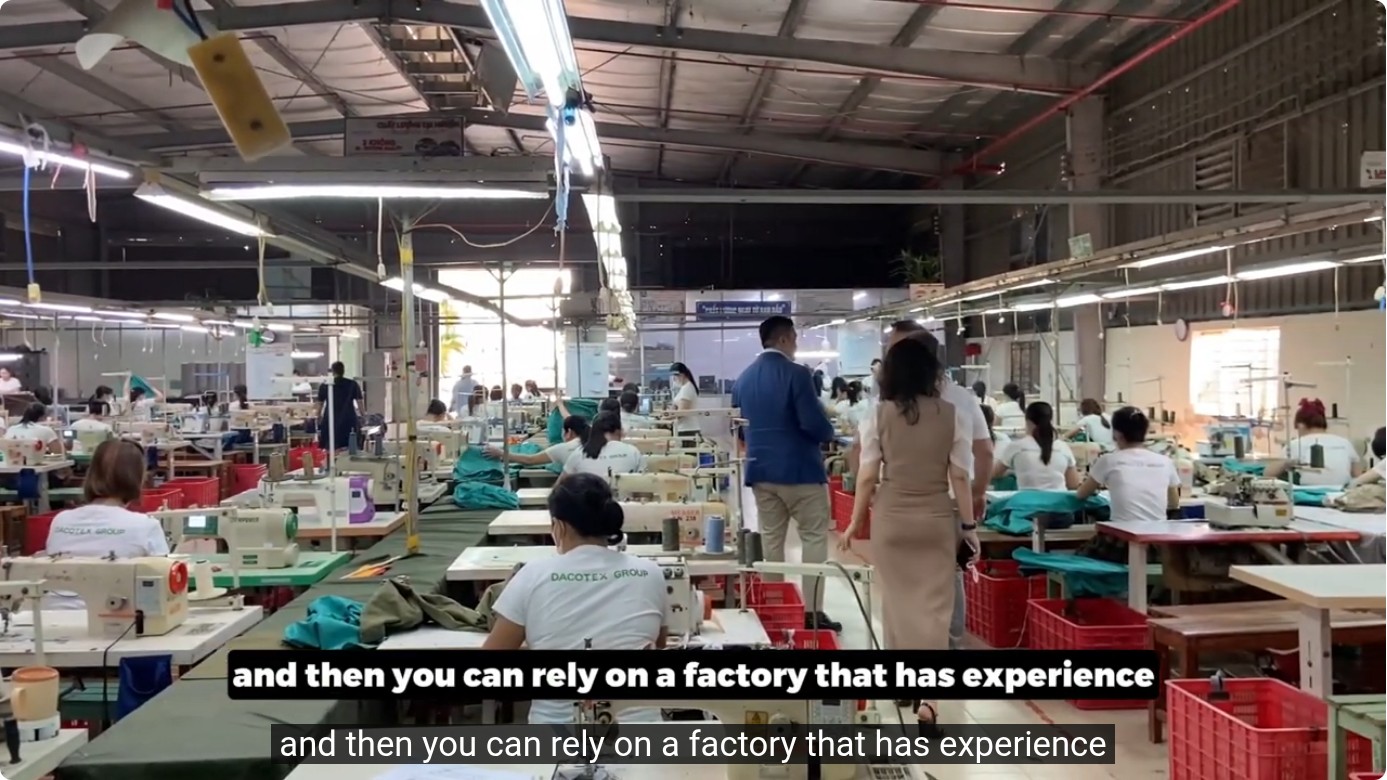
- Fabric Foundation: The weight, weave, and fiber blend of your knit and woven fabrics. A 100% cotton t-shirt will never have the drape of a cotton-poly blend, and a lightweight denim will lack the structure of a 12oz+ pair.
- Fit & Pattern Engineering: This is not just about size. It’s about the relationship between measurements—shoulder drop, sleeve length, torso taper, and rise. A “relaxed fit” is a vague instruction; a pattern with a 2-inch shoulder drop and a 26-inch body width at the chest is a concrete specification.
- Finish & Color Development: The difference between a standard garment and one with this aesthetic often lies in the post-knitting or post-weaving process. Garment dyeing, enzyme washes, and specialized pigments create the lived-in, nuanced colors that define the look. This is a separate and often costly production step.
Key Garments & Their Manufacturing Signatures
Let’s translate the aesthetic into specific product categories. For each, we’ll highlight the defining features and what to specify to your factory.
The Perfect T-Shirt & Sweatshirt
The bedrock of the category. The goal is a substantial, comfortable feel with a flattering drape.
- Fabric: Look for mid-weight jersey (around 5-6 oz/yd² for tees, 10-12 oz/yd² for crewnecks). Ring-spun cotton is non-negotiable for softness and durability. Consider small percentages of poly (5-10%) for enhanced shape retention and a smoother hand, though purists may opt for 100% combed cotton. Organic cotton and recycled poly are standard sustainability claims in this space.
- Construction: Double-stitched seams, reinforced neck tape (not just a simple coverstitch), and a robust collar rib are markers of quality. For sweatshirts, French terry or loopback cotton are the classic fabrics; fleece is a warmer, heavier alternative.
- Fit: A “classic” or “relaxed” fit with a slight drop shoulder. Specify the chest width and body length from the high point of the shoulder. Avoid overly tapered or athletic cuts.
- Finish: Garment dyeing is the gold standard here. It dyes the assembled garment, creating subtle color variations and a softer feel. It requires a factory skilled in this process and increases MOQs and lead times.
Denim: The Core Pant
Jeans are the anchor. The Madewell look favors straight, wide-leg, or boyfriend fits in non-stretch or low-stretch (1-2%) denim.
- Fabric: Weight is key (12-14oz is common). The weave should be a classic 3×1 twill. For authenticity, specify non-stretch or minimal elastane. The denim mill matters; mills like Kaihara or Candiani are benchmarks for quality.
- Wash & Finish: This is where the magic happens. Indigo, stone, and enzyme washes create the signature faded, worn-in look. You must provide a physical approved sample (a “golden sample”) as the factory’s color and abrasion guide. Each wash recipe (time, temperature, stone size, enzyme type) is a proprietary formula.
- Hardware: Simple, antiqued copper or nickel-tone buttons and rivets. Avoid excessive branding; a small leather or woven patch is typical.
Outerwear & Cargo Pants
Hoodies, chore coats, and cargo trousers extend the utility-driven, relaxed vibe.
- Hoodies: Similar fabric specs to sweatshirts. Look for a dense, plush loopback. A kangaroo pocket and a drawstring with metal or aglet tips are standard details. The hood should be substantial, with a two-piece construction for better drape.
- Cargo Pants: Fabric is often a sturdy cotton twill or ripstop, sometimes with a light poly blend for wrinkle resistance. The fit is loose, with a mid-rise. Pocket design is critical—functional flap pockets with press-studs or hidden snap closures are common. Seam integrity on stress points (pocket corners, seat) must be specified with bar-tacking or reinforced stitching.
Production Realities: Customization, MOQ, and Trade-offs
Bringing this aesthetic to life through OEM/ODM services involves navigating several practical considerations. Here is a comparison of common approaches.
| Customization Path | Typical MOQ (per style/color) | Lead Time | Best For | Key Trade-off |
|---|---|---|---|---|
| Modifying a Factory’s Existing Blank | 100-300 units | 4-8 weeks | Startups, small batches, testing a new style | Limited to the factory’s existing fabric and pattern options. Less unique. |
| ODM (Full Design from Factory’s Catalog) | 300-500 units | 8-12 weeks | Brands wanting a proprietary style without full design costs | You share the design with other buyers unless you pay a premium for exclusivity. |
| Full OEM (Custom Pattern & Fabric) | 500-1000+ units | 12-16+ weeks | Established brands, unique branding, full quality control | High upfront cost for pattern making, fabric sourcing, and sampling. |
Fabric & Dye Sourcing: For the most authentic look, you may need to source a specific fabric or dye recipe. Many factories have preferred mills and dyers they work with, which streamlines communication and quality assurance. Insisting on an external, unvetted fabric source can complicate logistics and warranty if issues arise.
The Essential Buyer Checklist: Communicating with Your Factory
To get consistent results, you must provide clear, tangible references. Use this list when preparing your tech pack or inquiry.
- Provide Physical References: Send 2-3 garments that embody the desired feel, fit, and finish. A photo is insufficient for judging fabric weight or stitch density.
- Specify Fabric by Metrics, Not Just Name: Instead of “heavy cotton,” provide: “100% combed ring-spun cotton, 5.5 oz/yd², 30/1 yarn count, garment-dyed.” Request the mill’s fabric swatch and certification (e.g., Oeko-Tex Standard 100) before approval.
- Demand a Pre-Production Sample (Golden Sample): This is the single most important step. Approve a finished sample from the actual production fabric and dyes. This sample becomes the quality control bible for the entire run. Sign and date it.
- Detail Finishes Precisely: Specify topstitch thread color (e.g., “gold-tone,” “tone-on-tone”), button/zipper brand and color (e.g., “YKK #5 brass, antiqued”), and label types (woven, printed, care instructions content).
- Ask About Their Wash Capabilities: If garment dyeing or stone washing is required, ask to see examples of their previous work. Inquire about their wastewater treatment processes, especially if targeting eco-conscious markets.
- Clarify Quality Control Points: At what stages will they inspect? (Fabric incoming, post-cutting, pre-sewing, post-wash, final). Will they provide an inspection report? Who bears the cost of rework for defects?
Is This Approach Right for Your Business?
Consider the commercial alignment. The “Madewell” model relies on perceived premium quality at a mid-tier price point. The production costs for the fabrics, specialized washes, and robust construction will be higher than for basic, unwashed blanks. Can your retail price point support that cost structure? Additionally, the longer lead times for garment-dyed or custom-washed items require more accurate forecasting and inventory planning, which can be challenging for small businesses or fast-moving trends.
Ask yourself: Is my target customer willing to pay more for the specific feel and story of a garment-dyed, relaxed-fit tee, or are they primarily driven by the lowest cost? Your answer determines whether investing in these production details is strategic or an unnecessary expense.
Whether you’re a startup brand or an established retailer, we manufacture custom sportswear at competitive MOQs. Reach out to start your project.