
The debate over who is the Greatest Of All Time (GOAT) in soccer is more than just fan chatter—it’s a global cultural force that drives merchandise sales, team identity, and brand marketing strategies. For businesses in the sportswear space, understanding this phenomenon isn’t about picking a side between legends like Pelé, Maradona, Messi, or Ronaldo. It’s about recognizing how the GOAT narrative fuels consumer demand for iconic, personalized, and tribute apparel. Whether you’re a fashion brand launching a capsule collection, a sports team sourcing kits, or a retailer stocking fan merchandise, the GOAT conversation directly influences your product development and sourcing decisions.
This article breaks down the practical intersection of soccer’s biggest debate and the custom apparel manufacturing process. We’ll explore how the GOAT legacy shapes jersey design, fan gear, and performance wear, and what buyers need to know to successfully source and manufacture these high-demand items. From fabric technology to minimum order quantities (MOQs), we provide the actionable insights needed to capitalize on this enduring cultural momentum.
From Legend to Logo: How the GOAT Drives Custom Apparel Demand
The “GOAT” status is often tied to specific iconic moments—a World Cup win, a record-breaking goal, a legendary club tenure. These moments become visual shorthand for fans and brands alike. A number 10 jersey, a specific colorway, or a retro kit can instantly evoke a player’s legacy. For custom sportswear manufacturers, this translates into recurring requests for:
- Player tribute designs: Replicas of kits worn during a player’s peak season, often with subtle nods (like a specific stitching pattern or collar style) rather than direct licensing.
- “GOAT” statement pieces: T-shirts, hoodies, and tracksuits featuring the acronym, silhouettes, or statistical comparisons (e.g., “751” for Ronaldo’s international goals, “672” for Messi’s at a certain point).
- Club and national team heritage wear: Sourcing classic designs that represent the eras when these legends played, which often have their own cult followings.
For brands, tapping into this allows them to connect with emotionally engaged fan bases. The key is moving beyond generic soccer apparel to pieces that tell a specific story, which in turn impacts design complexity and production requirements.
Sourcing Custom Soccer Jerseys: Key Features and Production Realities
A custom soccer jersey is the centerpiece of GOAT-themed apparel. Sourcing these requires a clear understanding of the balance between authentic performance, visual fidelity, and cost.
Material and Fabric Technology
The choice of fabric is a primary decision point with significant tradeoffs:
| Fabric Type | Best For | Key Consideration for Buyers |
|---|---|---|
| 100% Polyester (Micro-Mesh) | High-performance team kits, professional replica feel | Excellent moisture-wicking, durable, but can feel less soft. Verify the GSM (grams per square meter)—lighter (140-160 GSM) for hot climates, heavier (180-200 GSM) for durability and a premium feel. |
| Polyester-Cotton Blend (e.g., 65/35) | Casual fan wear, training tops, lifestyle collections | Softer hand feel, more breathable like a regular t-shirt, but less effective at wicking sweat and can shrink more. Specify pre-washed or garment-dyed finishes to minimize shrinkage. |
| Recycled Polyester | Eco-conscious brands, sustainable collections | Performance nearly identical to virgin polyester. Ask for certification (e.g., GRS – Global Recycled Standard) to validate claims. Typically commands a 10-20% price premium. |
Production Note: Performance fabrics often require specific dyeing and printing processes. Sublimation printing, where dye is bonded into the fabric fibers, is ideal for all-over patterns and vibrant colors that won’t crack. However, it locks in design before cutting, so pattern making must be precise. For smaller runs or complex multi-color logos, screen printing or DTG (Direct-to-Garment) may be more suitable but can have feel and durability limitations.
Design and Branding Application
When ordering, you must specify how logos, numbers, and names will be applied:
- Heat Transfer Vinyl (HTV): Cost-effective for short runs. Can feel like a plastic layer and may peel over time with heavy wear or improper washing.
- Embroidery: Premium feel for club logos on chest or sleeve. Adds significant cost and weight. Best for hats, jackets, and thicker fabrics like sweatshirts.
- Tackle Twill: The standard for professional team jerseys. Stitched-on fabric patches that are durable and have a classic look. Requires precise placement and is labor-intensive.
- Sublimation (for jersey panels): Allows for intricate, fade-proof designs integrated into the fabric.
Decision Point: For a high-quality fan replica, a combination is common: sublimated jersey body with stitched twill crest and screen-printed sponsor/numbers. Clearly communicate your desired look, feel, and durability expectations to your factory.
Beyond the Jersey: Expanding the GOAT-Themed Product Line
The GOAT narrative extends to a full range of activewear and casual wear. Sourcing these items has different considerations.
Tracksuits, Hoodies, and Sweatshirts
These are staple items for soccer-inspired lifestyle wear. Key factors include:
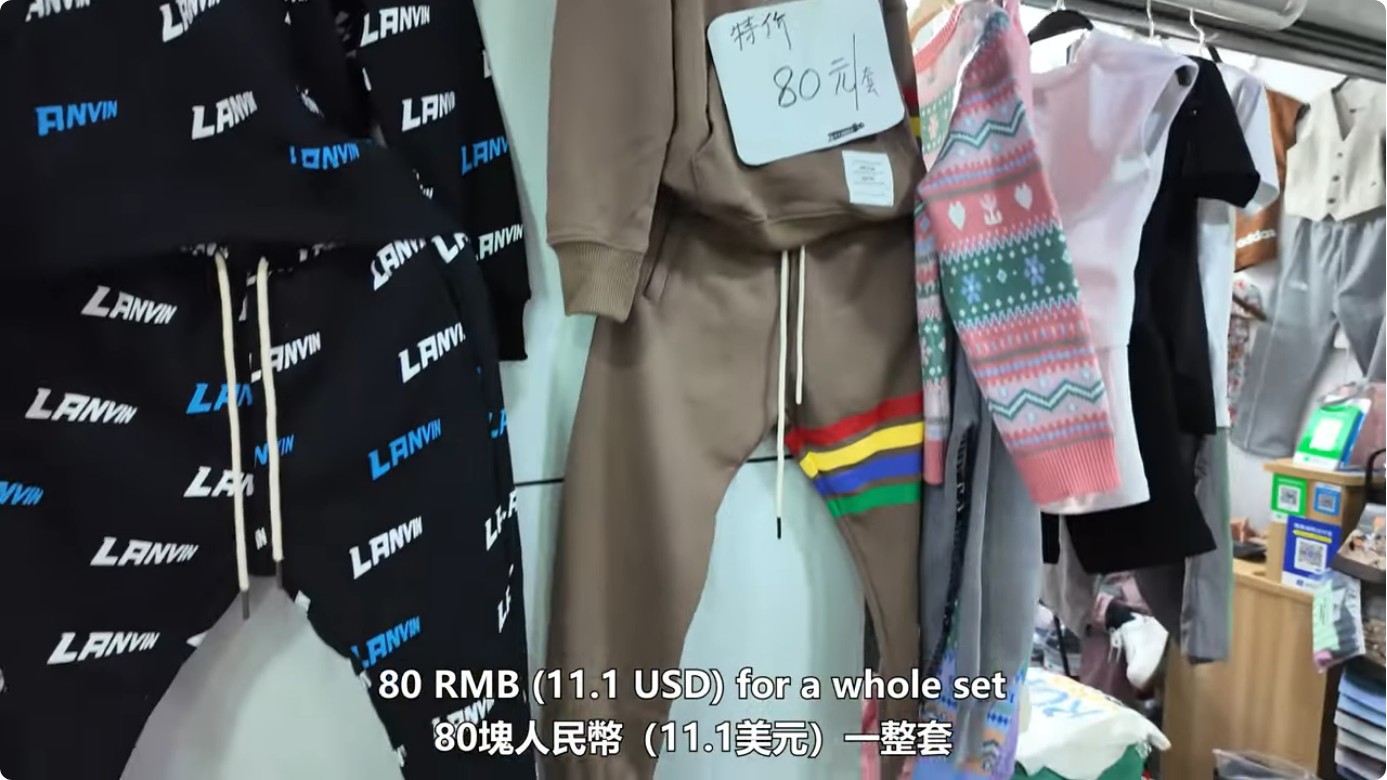
- Fabric Weight & Brush: For hoodies, 280-320 GSM French terry or fleece is standard. A brushed interior adds softness. Specify whether you want a “loose” or “tight” knit for texture and warmth.
- Ribbing Quality: Cuffs and waistbands on tracksuit bottoms and hoodies need high-elasticity, durable rib (often 1×1 or 2×2 cotton/spandex blend) to maintain shape. Request a fabric swatch and test the recovery.
- Pocket and Zipper Hardware: For premium lines, specify YKK or similar brand zippers. Metal vs. plastic pulls change the aesthetic and cost.
Tank Tops and Training Gear
Ideal for gym wear or summer fan gear. Prioritize:
- Side Seams vs. Tubular: Tubular construction (no side seams) is cheaper but can distort printing. Seamed construction offers better fit and print quality.
- Strap Width & Finish: For racerbacks, the strap width and binding (covered vs. raw edge) affect both look and comfort. Provide a detailed tech pack with measurements.
- Moisture Management: Even casual tank tops benefit from polyester blends with moisture-wicking treatments. Clarify if this is a requirement.
Critical Sourcing Considerations for GOAT-Inspired Collections
Manufacturing apparel tied to specific players or historic moments requires navigating a few key hurdles.
Related guide: Finding & Working with Sports Clothing Manufacturers in the UK: A Practical Guide
Licensing and Legal Boundaries
This is the most critical caveat. Officially licensed merchandise featuring team crests, player names, or league logos requires contracts with the rights holders (FIFA, UEFA, clubs, player image rights agencies). Unlicensed production must:
- Avoid registered trademarks: This means no official team crests, exact kit designs with registered patterns, or use of player names/images without permission.
- Rely on generic inspiration: Focus on color schemes (e.g., “Argentine blue and white”), generic soccer iconography (cleats, goals, abstract shapes), or statistical references that are factual and not proprietary.
- Use original artwork: All designs must be created by your team or a commissioned artist, not copied from existing licensed products.
Actionable Step: Before finalizing a design, conduct a trademark search. A reputable factory will advise on potential IP issues but the legal responsibility lies with the brand. For a licensed product, be prepared for high MOQs (often 2,000-5,000 pieces per style), long lead times (6+ months), and royalty fees.
Quality Markers to Specify to Your Factory
To ensure your GOAT-themed apparel feels premium and lasts, communicate these details in your tech pack:
- Fabric Composition & Construction: Don’t just say “polyester.” Specify the exact yarn type (e.g., “150GSY textured polyester”), weave (e.g., “double-knit jersey”), and any special finishes (e.g., “anti-pill,” “UV protection”).
- Stitch Density and Thread: For embroidery and seams, specify stitches per inch (SPI) and thread type (e.g., “40-weight polyester”). Higher SPI means smoother, more durable embroidery.
- Color Matching: Use Pantone (PMS) codes for all colors, especially for team-adjacent shades that are iconic (e.g., “Barcelona Blue” Pantone 2685C). Request a lab dip for approval before bulk production.
- Wash Testing Standards: Require the factory to conduct wash tests (e.g., 5-10 home washes) and report on colorfastness, shrinkage, and print/embroidery integrity. Reference standards from ISO or AATCC.
Decision Guide: Custom vs. Blank Sourcing for Fan Collections
Businesses often face a choice between ordering fully custom-manufactured garments or sourcing premium blank apparel and adding their own branding later.
| Aspect | Fully Custom OEM/ODM Production | Blank Garment Sourcing & Customization |
|---|---|---|
| Best For | Unique designs, proprietary fits, integrated all-over prints, full control over fabric and trim. | Quick market entry, lower initial investment, flexibility to test multiple designs on one garment style. |
| Typical MOQ | Higher (500-1,000+ per style/color). | Very low (50-100+ per blank style), but customization adds a second MOQ. |
| Lead Time | Longer (8-12 weeks from approval). | Shorter for blanks (2-4 weeks), plus separate time for printing/embroidery. |
| Cost Per Unit | Lower at high volumes, includes all components. | Higher total cost combining blank garment + customization service. |
| Control | Total control over every detail, from fabric weight to label placement. | Limited to the blank supplier’s available styles, fabrics, and colors. |
Strategic Takeaway: For a dedicated “GOAT” capsule collection with a unique aesthetic, full custom OEM is usually more cohesive and cost-effective at scale. For a brand testing the soccer lifestyle market with a few graphic tees, starting with high-quality blanks (e.g., from a known brand’s blank program) is a lower-risk path.
What to Communicate to Your Factory: A Buyer’s Checklist
To get an accurate quote and avoid production surprises, provide your manufacturing partner with a comprehensive tech pack. Use this checklist:
- [ ] Clear, vector-based artwork files for all logos, graphics, and placements (with exact measurements from seams/edges).
- [ ] Pantone codes for every color in the design and for the base fabric.
- [ ] Detailed fabric spec: Material, GSM, weave, stretch percentage (if any), and any special certifications (e.g., OEKO-TEX Standard 100, moisture-wicking).
- [ ] Size specification and grading: Provide a sample or a complete size chart with measurements for all sizes (S-XXL, etc.).
- [ ] Trim and accessory list: Buttons, zippers, labels (main, care, size), hangtags, packaging. Specify materials and colors.
- [ ] Packaging instructions: Individual polybags? How folded? Bulk box count?
- [ ] Target price point and quantity: Be upfront about your target cost and initial order quantity to see if the factory’s capabilities align.
- [ ] Reference samples: If possible, send a physical sample of a similar item you like (from a competitor or another product) to communicate your quality expectations.
FAQs: Your Questions on Manufacturing GOAT-Inspired Sportswear
Q: Can I manufacture jerseys that look like a famous player’s national team kit without a license?
A: You must be extremely careful. While you can use a color combination (like Brazil’s yellow/green/blue), you cannot copy the exact pattern of the current Nike/Adidas kit, which is copyrighted. You also cannot use the federation crest or player name/number. Creating an “inspired by” design with original graphics and a different collar/sleeve style is the safer route.
Q: What’s a realistic MOQ for a custom sublimated soccer jersey with player-name customization?
A: For a fully custom sublimated jersey (where the pattern is dyed into the fabric), expect a MOQ of 1,000 pieces per design/color combination from most overseas factories. Some may go as low as 500 for an additional surcharge. This is because sublimation setup is done on large fabric rolls. If you want to offer personalized names/numbers, that is an additional variable usually handled via heat press after the main garment is made, which has its own, lower MOQ.
Q: How do I ensure color consistency across different garment types (jersey, hoodie, t-shirt) in a collection?
A: This is a common challenge. The same Pantone color will look different on a shiny polyester mesh versus a matte cotton fleece. The solution is to request lab dips and fabric swatches for every fabric type before production. A good factory will dye small batches of each fabric to match your target color and send samples for your approval. Be prepared for slight, unavoidable variations.
If you’re looking to source or customize any of the styles mentioned above, our factory offers low MOQ OEM/ODM production with full sampling support. Get a free quote today.