
In the world of performance and casual apparel, the short sleeve hooded shirt occupies a unique and versatile niche. It’s not quite a traditional hoodie, nor is it a simple tee. This hybrid garment combines the casual comfort and elemental protection of a hood with the breathability and range of motion of short sleeves, making it ayear-round staple for activewear lines, team uniforms, and contemporary streetwear. For brands, retailers, and sports organizations, understanding this product’s construction, market applications, and—most critically—its customization potential is key to sourcing a garment that aligns with your quality standards, brand identity, and budget.
This guide moves beyond basic descriptions to provide a practical framework for evaluating and ordering custom short sleeve hooded shirts. We’ll break down the components that define quality, explore fabric and fit tradeoffs, and outline the critical specifications you must communicate to your manufacturing partner to ensure a successful production run.
Deconstructing the Product: Core Features & Construction
A well-made short sleeve hooded shirt is defined by the synergy of its parts. Each component presents an opportunity for customization that impacts both function and final cost.
The Hood: Function Meets Style
The hood is the garment’s signature element. Key considerations include:

- Panel Construction: A two-piece hood (front and back) is standard and offers good drape. A three-piece hood (with a separate crown panel) provides a more structured fit and is common in premium athletic wear, allowing for better shape retention.
- Lining: Unlined hoods are lighter and more breathable but can show stitch lines. Jersey-lined or brushed fleece-lined hoods add warmth, structure, and a premium feel, increasing material and labor costs.
- Drawcords: Options include no drawcord (clean, minimalist look), basic round drawcord, or flat drawcord. Consider safety: for youth or team sports, many organizations specify ”free-knot” or ”no-drawcord” hoods to comply with safety regulations.
Sleeves & Body: The Foundation
While short sleeves suggest simplicity, the cut and fabric choice dramatically alter the garment’s performance.
- Sleeve Length & Cut: Standard short sleeve ends above the elbow. A “cap sleeve” is shorter and more fitted. For athletic use, raglan sleeves (which extend in one piece from the collar to the underarm) offer superior mobility and are a classic baseball-style feature.
- Body Fit: The silhouette can be loose/relaxed, standard/regular, or slim/athletic. This is often dictated by the target market—streetwear leans relaxed, while performance gear favors athletic fits that reduce fabric flap during movement.
- Side Seams vs. Tubular: Side-seamed construction allows for more precise patterning and fit but requires more sewing. Tubular knit body (common in basic tees) is less expensive but can result in a less structured, sometimes boxy fit.
Fabric Selection: The Heart of Performance & Cost
Fabric is the single largest driver of cost, feel, durability, and performance. Your choice here communicates your brand’s quality tier.
| Fabric Type | Key Characteristics | Best For | Sourcing Note |
|---|---|---|---|
| 100% Cotton Jersey | Natural feel, breathable, less moisture-wicking. Can shrink. | Casual basics, corporate wear, low-intensity use. | Widest availability, lowest base cost. Specify ring-spun cotton for a softer, less pills-prone finish. |
| Cotton/Poly Blend (e.g., 60/40, 80/20) | Balances cotton feel with polyester durability, shape retention, and moisture management. | General athletic wear, team practice gear, all-purpose activewear. | Industry workhorse. Excellent price/performance ratio. Higher poly content = more wicking, less shrinking. |
| Performance Knits (Polyester, Mesh) | High moisture-wicking, quick-dry, lightweight. Often includes UV or antimicrobial treatments. | High-intensity training, running, hot climates, professional sports. | Higher material cost. Crucial to specify if you need AATCC-certified wicking or specific grams per square meter (GSM) for weight. |
| French Terry (Cotton/Poly) | Textured, loopedback interior provides softness and warmth. Smooth, sleek exterior. | Premium casual, loungewear, cooler-weather training. High perceived value. | More expensive due to specialized knit structure. Ideal for fashion-forward brands targeting a luxe-athleisure look. |
Target Use Cases & Buyer Profiles
Your intended use directly informs every other decision. Here’s how different buyers approach this garment:
- Fitness Brands & Gym Chains: Prioritize performance fabrics (moisture-wicking, anti-odor), raglan sleeves for mobility, and a fit that allows layering. Decision Point: Do you need a lightweight version for summer training or a mid-weight for year-round studio use? Branding often includes small embroidered logos on the chest and a larger print on the back.
- Sports Teams: Value durability, team color matching (Pantone codes are essential), and player comfort. Names and numbers are typically heat-pressed or embroidered. Consideration: Ordering “practice” vs. “game” versions? Practice gear can use more cost-effective blends, while game-day might require specific performance metrics.
- Corporate/Event Promoters: Seek a clean, professional look that works for staff uniforms or event swag. Cotton/poly blends are common for easy care. Large logo prints on the back are standard for visibility. Tip: Provide your factory with a clear mockup showing logo placement to avoid surprises.
- Fashion Brands & Retailers: Focus on silhouette, fabric hand-feel (e.g., heavyweight slub cotton, garment-dyed French Terry), and unique details like contrast hood lining, special stitch patterns, or branded hardware. ODM Opportunity: Many factories have blank or sample styles you can adapt. Ask for their catalog of existing short sleeve hoodie constructions to potentially save on pattern-making costs.
Manufacturing & Sourcing: Critical Considerations
Transitioning from a sample to a bulk order requires navigating practical constraints.
Understanding MOQs (Minimum Order Quantities)
MOQs are non-negotiable starting points for factory negotiations. They vary wildly based on:
- Factory Scale: Large, integrated mills may have MOQs of 5,000+ pieces per style/color. Smaller, specialized workshops may offer 500-1,000 piece MOQs.
- Customization Level: A stock blank from a catalog has the lowest MOQ. Introducing custom colors, custom labels/tags, or special trims (like a specific zipper pull) will increase the MOQ as the factory must source minimums for each unique component.
- Fabric: If you require a specific performance fabric with a custom finish, the mill supplying that fabric will have its own MOQ, which the garment factory must meet.
Action: Be upfront about your volume expectations. A reputable OEM/ODM partner will tell you if your target quantity is feasible for your desired customization.
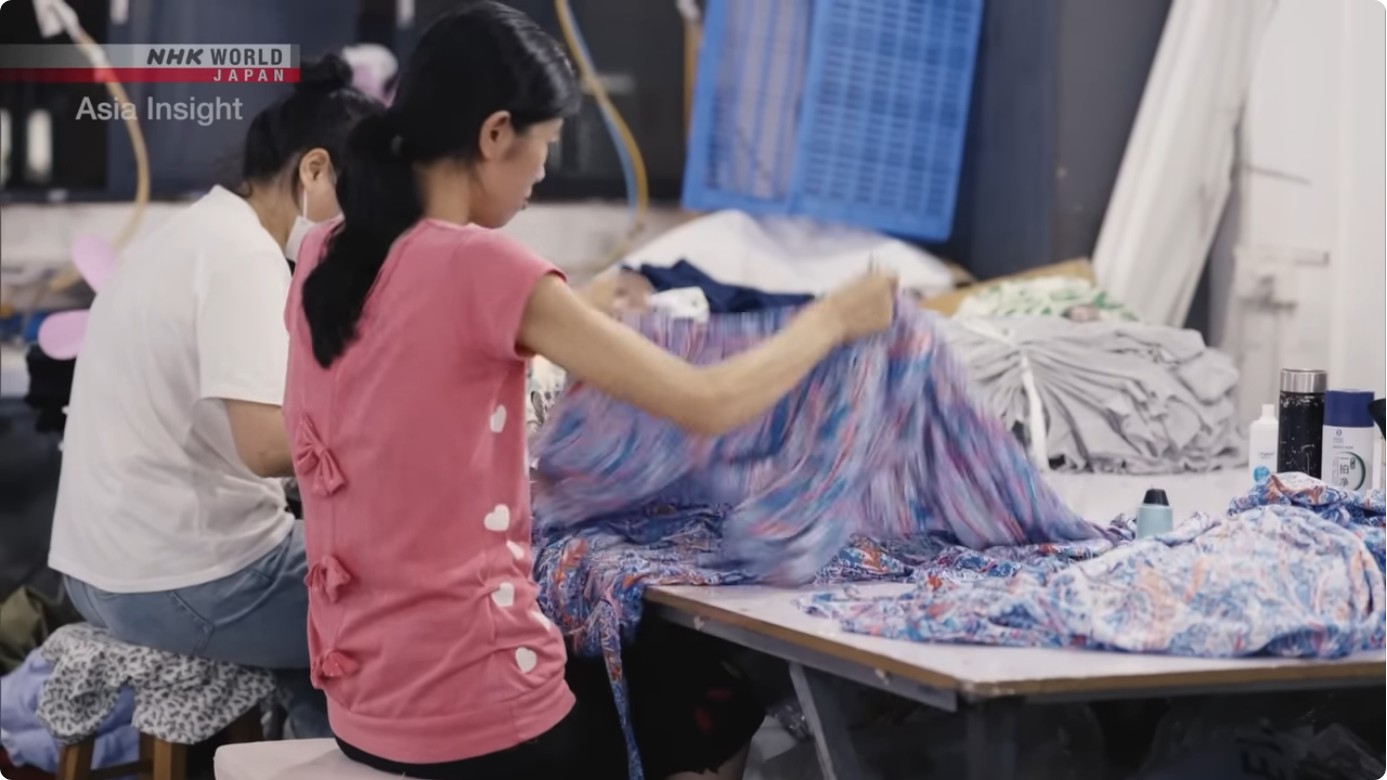
The Customization Spectrum: From Print to Label
Every element can be customized, but each adds cost and complexity:
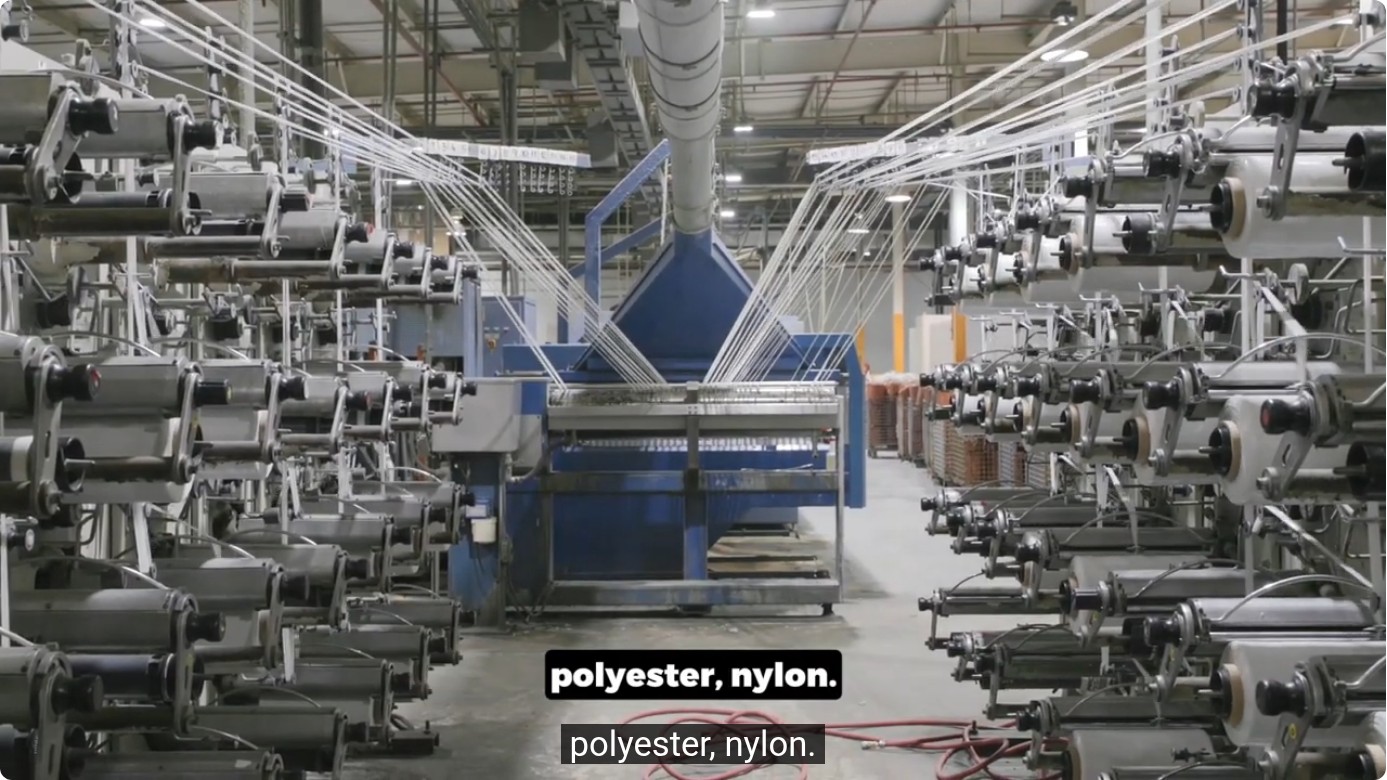
- Print/Embroidery: Screen printing is cost-effective for simple, high-volume logos. Digital printing handles complex, full-color artwork but has higher per-unit cost for small runs. Embroidery conveys premium quality but is limited by stitch count and placement (hoods can be tricky).
- Labels & Tags: Options range from no label (blank) to woven neck tape, printed care labels, and custom hangtags. Important: If you need your own branded care labels, you must provide the exact text and care symbols compliant with FTC regulations.
- Color: Standard colors from the factory’s fabric library are cheapest. Custom dyeing requires large fabric Minimums (often 1,000+ yards per color) and longer lead times.
- Packaging: Individual polybagging, folded vs. rolled, and bulk carton labeling are all customizable logistics details.
Key Quality Markers to Specify
Don’t just approve a sample; define the quality standards for the bulk run. Specify:
- Stitch Density & Type: E.g., “3-4 stitches per inch on all seams,” “chainstitch on hem.”
- Thread Type: Polyester thread is standard for durability and colorfastness. Cotton thread may be specified for a vintage look but has lower durability.
- Hood & Pocket Construction: “Two-piece hood with jersey lining,” “kangaroo pocket with double-stitched bottom.”
- Washing/Finishing: Will the garments be enzyme-washed for softness? Garment-dyed for a unique color? This must be agreed upon in advance.
- Quality Inspection Standard: Refer to an ASTM or industry standard (e.g., “no holes, stains, or misprints greater than 1/4 inch”).
Pre-Order Checklist: What to Communicate to Your Factory
Before a quote is finalized, have these answers ready. A clear brief prevents costly sampling iterations.
- Target Quantity: Total units per style/color. Be clear if this is a first order or a reorder.
- Fabric Specs: Desired composition (e.g., 80% cotton/20% polyester), GSM weight (e.g., 280 GSM), and specific performance claims (wicking, anti-pill). If you have a fabric mill in mind, provide the details.
- Fit Model & Sizing: Provide a fit sample or detailed measurement chart (chest, body length, sleeve length) for each size (S-XXL, etc.). Specify if you follow a standard (e.g., “AAFA” sizing) or have proprietary measurements.
- Artwork & Placement: High-resolution vector files (.ai, .eps) for prints. Precise placement measurements from seams (e.g., “logo 3″ below collar, centered”). For embroidery, provide a thread color chart (Pantone to embroidery thread conversion).
- Labels & Packaging: Specify all label types (woven, printed), their locations, and any required compliance text. Detail how items should be folded and polybagged.
- Timeline: Your required delivery date. Remember, production typically takes 4-8 weeks after approval of all samples and confirmed fabric sourcing.
Conclusion: Sourcing as a Strategic Partnership
The short sleeve hooded shirt is a canvas for brand expression and functional utility. Success in sourcing it hinges on moving from a vague idea to a precise technical specification. The most productive relationships with OEM/ODM manufacturers are built on clear communication, realistic volume expectations, and a shared understanding of the quality benchmarks that define your brand.
By treating the order not as a transaction but as a collaborative development process—where you provide the market vision and the factory provides the technical execution—you secure a product that performs well, looks intentional, and resonates with your end-user, whether that’s a gym member, a sports fan, or a fashion consumer.
What’s your primary use case for a short sleeve hooded shirt? Are you prioritizing cost-efficiency for a large team order, premium fabric handfeel for a retail line, or specific performance certifications for an athletic brand?
We manufacture all the styles discussed in this guide — with custom labels, fabric options, and print or embroidery finishing. Tell us what you need.
Related guide: The See-Through Knitted Sweater: A Sourcing and Style Guide for Brands and Buyers