
For sports fans, the Philadelphia Phillies away jersey—typically in grey with red and blue accents—is an iconic piece of baseball merchandise. But for wholesale buyers, fashion brands, and sports organizations, it represents a specific product category with distinct manufacturing and customization considerations. This guide moves beyond fandom to explore the jersey as a producible item: its defining characteristics, the technical choices involved in production, and the practical questions you must answer when sourcing it for resale, team use, or private labeling.
Understanding the nuances of this specific jersey style is crucial. The “away” designation isn’t just about color; it dictates specific design elements, fabric performance expectations, and branding placements that must be replicated accurately for authenticity. Whether you’re ordering 500 jerseys for a recreational league or 5,000 for a retail collection, the specifications you provide to your manufacturer will determine the final product’s look, feel, and durability.
This article breaks down the Phillies away jersey from a supply chain perspective. We’ll examine its key visual markers, explore fabric and construction options, discuss customization pathways (OEM vs. ODM), and outline the critical production factors—from minimum order quantities to quality control—that impact your project’s success and cost.
What Makes a Phillies Away Jersey Distinct for Manufacturing?
Before discussing customization, you must establish a baseline of authenticity. The standard MLB away jersey for the Phillies features a grey base, “Philadelphia” script across the chest in red lettering with a blue outline, and the player’s number on the back. The left sleeve typically features the “Phillies” wordmark patch, and the right sleeve bears the MLB “Majestic” logo (or current supplier patch). The collar is a v-neck style, often with a contrasting trim. For a manufacturer, each of these elements—color codes (Pantone references), font styles, patch placement, and stitch density—must be precisely defined. Any deviation is immediately noticeable to fans and can invalidate licensing agreements if you’re producing officially licensed goods.
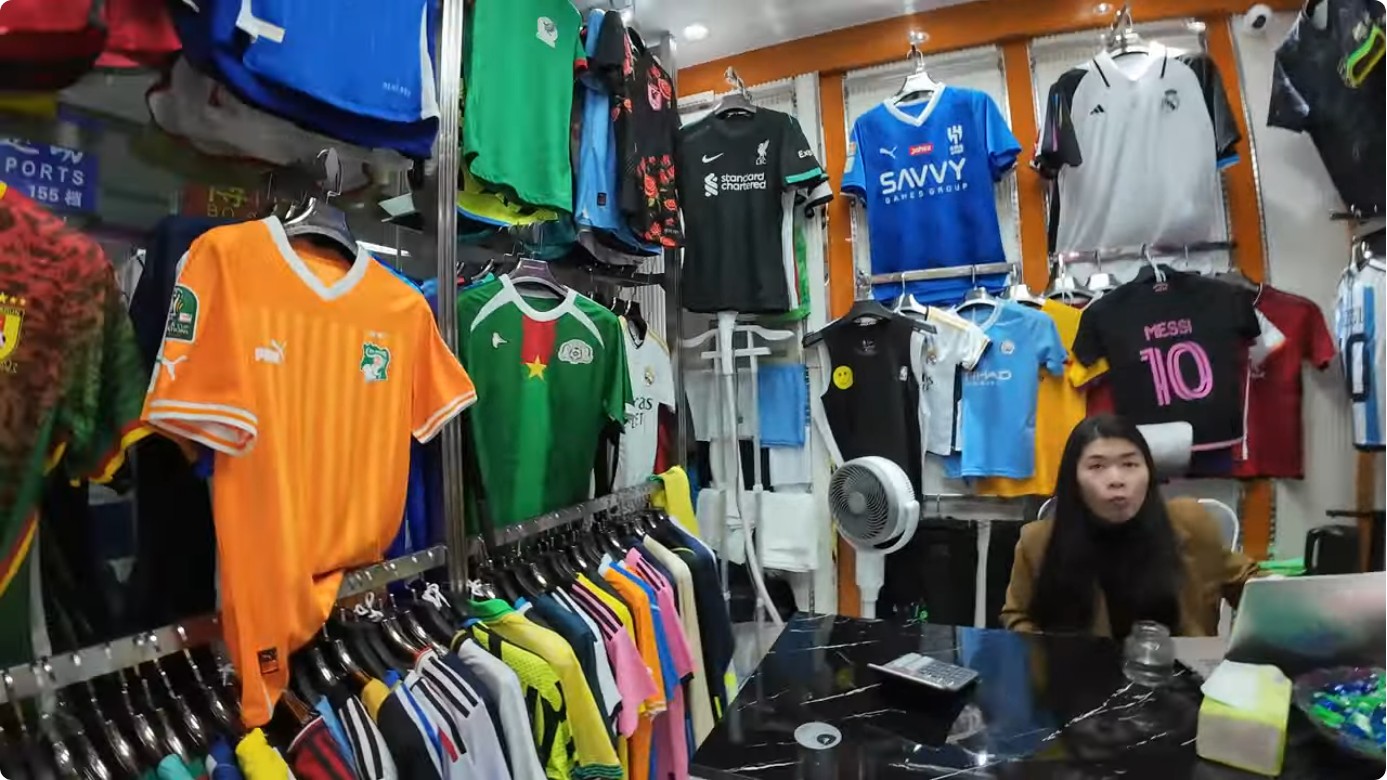
For unlicensed or “inspired-by” production, you have more flexibility but must still navigate design mimicry carefully. Your factory needs clear vector art files and a specifications sheet detailing every element. The complexity here lies in translating a 2D design into a garment that withstands wear without cracking, fading, or peeling, which is where fabric and print/embroidery choices become critical.
Design Fidelity and Key Visual Markers
For a product like this, visual accuracy is non-negotiable. A manufacturer’s ability to reproduce the jersey’s iconic details separates a professional product from a disappointing one. Here’s what to scrutinize:
Color Schemes and Typography
The Phillies away jersey relies on a specific tri-color palette: the primary grey (often a heather grey), the red of the lettering, and the blue outline. These colors must match official team standards. You’ll need to provide your factory with exact Pantone Color Matching System (PMS) codes for both fabric dye and thread/print colors. Fonts are equally important; the distinctive “Philadelphia” script is a custom typeface. Your manufacturer must use licensed vector art or a precise digital replica to avoid legal issues and aesthetic errors. Ask your factory how they handle font licensing and art preparation.
Patches and Branding Details
The sleeve patches are often the most complex part to produce. The Phillies “P” logo and the MLB patch are typically woven or embroidered. The quality of a patch is judged by its stitch count, edge definition, and backing material ( sew-on vs. heat-applied). For high-volume production, discuss with your manufacturer which patch type offers the best balance of durability and cost. Embroidered patches have a premium feel but higher MOQs; woven labels applied via heat seal can be more cost-effective for larger runs but may have different longevity.
Fabric and Construction: The Foundation of Performance
The choice of fabric directly impacts the jersey’s suitability for its intended use—be it on-field performance, gym wear, or casual streetwear. The classic Phillies away jersey uses a lightweight, breathable polyester mesh. However, your sourcing decision should align with your target buyer’s needs.
| Fabric Option | Performance Benefits | Typical MOQ Impact | Best For |
|---|---|---|---|
| 100% Polyester Mesh | Maximum breathability, lightweight, excellent moisture-wicking, vibrant dye acceptance. | Standard MOQ (often 300-500 pcs per style/color). Widely available. | Authentic sports team uniforms, athletic wear, warm- climates. |
| Polyester-Cotton Blend (e.g., 60/40) | Softer hand feel, more traditional “t-shirt” comfort, moderate breathability, less shiny. | May have slightly higher MOQ (500+ pcs) due to blending process. | Retail fashion lines, casual fan apparel, brands prioritizing comfort over peak performance. |
| Performance Knit (Dri-FIT style) | Advanced moisture management, 4-way stretch, reduced chafing. | Often higher MOQ (1,000+ pcs) as it’s a specialized fabric. | High-performance athletic teams, premium activewear brands. |
| Eco- Recycled Polyester | Similar performance to virgin polyester with sustainability credential. | MOQ can be higher (1,000+ pcs) due to sourcing and certification costs. | Brands with a sustainability mission, eco-conscious retailers. |
Construction notes: Double-stitched hems and seams are a mark of quality. For jerseys intended for active use, flatlock seams reduce irritation. Discuss with your factory their standard construction practices and available upgrades. The collar and cuff ribbing should be substantial enough to retain shape after repeated washing.
Use Cases: From Team Uniforms to Fashion Statements
The Phillies away jersey template has utility far beyond baseball fandom. Recognizing these use cases will help you communicate your needs to a manufacturer more effectively:
- Amateur & Recreational Sports Teams: Softball, baseball, and kickball leagues often adopt classic MLB styles for their uniforms. Here, durability and cost-effectiveness are key. A standard polyester mesh with screen-printed names/numbers is a common specification.
- Corporate & Event Apparel: Companies hosting team-building events or corporate outings may order custom jerseys with their company logo replacing or supplementing the team branding. This requires clean space on the garment (e.g., the chest or sleeve) and an understanding of how your logo will be applied (embroidery vs. print).
- Fashion & Streetwear Brands: Designers often use the iconic “away” template as a canvas for reinterpretation—changing colors, fabric textures, or graphic placements. This is where ODM (Original Design Manufacturing) services shine. You provide a concept; the factory’s pattern makers and sample teams develop a new pattern and execute it.
- Retail & E-commerce: Stores selling licensed sports merchandise must adhere to strict league guidelines. Your manufacturer must be licensed and able to provide all necessary holograms, tags, and labels proving authenticity. Unlicensed “inspired-by” versions can be sold but must avoid direct trademark infringement.
Customization Pathways: OEM vs. ODM
This is the core decision for any buyer. Do you provide a complete, ready-to-manufacture spec sheet (OEM), or do you need the factory’s design and engineering expertise (ODM)?
- OEM (Original Equipment Manufacturing): You supply all assets: final vector artwork, fabric swatches, tech packs with measurements, and trim specifications. The manufacturer executes precisely to your blueprint. This is ideal if you have an in-house design team or a clear, finalized vision. It requires more upfront work from you but offers tight control.
- ODM (Original Design Manufacturing): You provide a concept, mood board, or reference images. The factory’s design department creates initial sketches, develops patterns, and produces samples. This path is better for buyers with market knowledge but limited technical design capacity. It often involves a longer sampling phase and may have higher NRE (Non-Recurring Engineering) costs, but it leverages the factory’s expertise in fit, construction, and manufacturability.
Key questions for your factory: Do you offer both OEM and ODM? What is included in your ODM service (number of design revisions, pattern making)? What is the sample approval process and timeline?
You may also like: Sourcing Plus Size Women’s Activewear: A Wholesale Buyer’s Guide
Production Logistics, MOQs, and Quality Control
Turning a design into a delivered product involves navigating several operational realities.
Minimum Order Quantities (MOQs)
MOQs are driven by fabric sourcing, cut-and-sew setup, and print/embroidery run costs. For a standard jersey, expect MOQs of 300-500 pieces per style/color combination from most mid-sized factories. Smaller specialty workshops may go lower but at a premium per-unit price. Eco-fabrics or unique performance knits often have higher MOQs. Always confirm the total “per style” MOQ and understand what constitutes a “style” (e.g., is a different sleeve color a new style?).
Communication is Everything
To get an accurate quote and avoid costly mistakes, your initial inquiry must include:
- Artwork: High-resolution, layered vector files (AI/EPS) with all text outlined and colors specified in PMS.
- Tech Pack: A document containing flat sketches, point-of-measurement diagrams, fabric and trim specifications (with approved swatches), and construction details.
- Quantity Breakdown: Sizes (S,M,L,XL, etc.) and color distribution.
- Target Retail/Wholesale Price Point: This helps the factory suggest appropriate fabric and construction tiers.
- Intended Market: US, EU, etc. This dictates compliance needs (e.g., CPSIA tracking labels for children’s sizes, REACH compliance for EU).
Quality Control Checkpoints
Institute QC at three stages:
- Pre-production: Approve fabric swatch, trim sample, and a pre-production (“PP”) sample that is made on the actual production line.
- During Production: Consider an inline inspection mid-sewing to catch pattern or construction issues early.
- Final Inspection: A random inspection of finished goods before shipping, checking measurements, color consistency, print/embroidery quality, and overall workmanship.
Many factories offer these services for an additional fee; factor this into your cost.
Tradeoffs and Decision Guide
Sourcing this jersey involves balancing several competing factors. Use this guide to align your priorities:
| Priority | Recommended Choice | Tradeoff |
|---|---|---|
| Lowest Unit Cost | Standard polyester mesh, screen printing, basic construction, highest feasible MOQ. | Softer hand feel, less premium look/feel, longer lead times for fabric dyeing if custom colors. |
| Fastest Time to Market | Use factory’s in-stock fabrics and standard colorways. Avoid custom patches; use printed logos. | Less uniqueness, may not match exact Phillies grey if custom color is required. |
| Premium Retail Feel | Performance knit or heavy-weight cotton blend, embroidered patches, tackle-twill letters, clean finished seams. | Significantly higher cost per unit, likely higher MOQ, longer production lead time. |
| Maximum Design Flexibility (ODM) | Partner with a factory strong in ODM. Provide a mood board, not a final design. | Less control over initial direction, longer sampling phase, potential for design revision costs. |
Practical Sourcing Scenarios
Scenario 1: A Local Softball League
Needs: 50 jerseys per team, 10 teams, budget-conscious, needs team name/player numbers.
Manufacturing Path: OEM with simplified specs. Use factory’s stock grey mesh. Opt for screen-printed team name/numbers instead of tackle-twill. Order in a single batch to meet MOQ. Skip official Phillies patches to avoid licensing issues; use a generic baseball-style number on the sleeve.
Scenario 2: A Streetwear Brand Launch
Needs: 1,200 jerseys for a summer drop, unique color variation (e.g., black away jersey), premium feel, brand logo on sleeve.
Manufacturing Path: ODM. Work with factory to adapt the Phillies pattern to a black base, choose a heavier, structured polyester twill. Replace the Phillies sleeve patch with a custom embroidered brand patch. Plan for multiple fit samples. Budget for higher NRE and per-unit cost.
What Should You Ask Your Manufacturer?
Before committing, get clear answers on:
- What is your experience producing MLB-style or licensed sports jerseys? Can you provide references?
- What is your standard lead time from approved sample to shipment?
- How do you handle color matching? Do you use lab dips?
- What is your policy on defective units or shipping damages?
- Can you handle all value-add services (custom labels, hangtags, polybags, barcoding)?
- Are you able to freight-forward or do I need to arrange my own logistics?
We manufacture all the styles discussed in this guide — with custom labels, fabric options, and print or embroidery finishing. Tell us what you need.