
When fashion-forward activewear brands and wholesale buyers search for “flowers by kenzo,” they’re often referencing a specific aesthetic: bold, graphic, and artistic floral prints that transcend traditional feminine sportswear. This pattern, famously popularized by the luxury fashion house Kenzo, has become a shorthand for a vibrant, painterly flower motif applied to contemporary silhouettes. For manufacturers and buyers in the activewear space, this translates into a high-demand custom product category: athletic and leisurewear featuring large-scale, expressive botanical prints. Sourcing this style isn’t just about finding a pre-made garment; it’s about understanding the interplay between design intent, fabric technology, and production methods to achieve a quality product that resonates with a target market. This guide breaks down the key considerations for brands, gyms, and retailers looking to develop or source custom floral-patterned activewear, from initial design to final production quality.
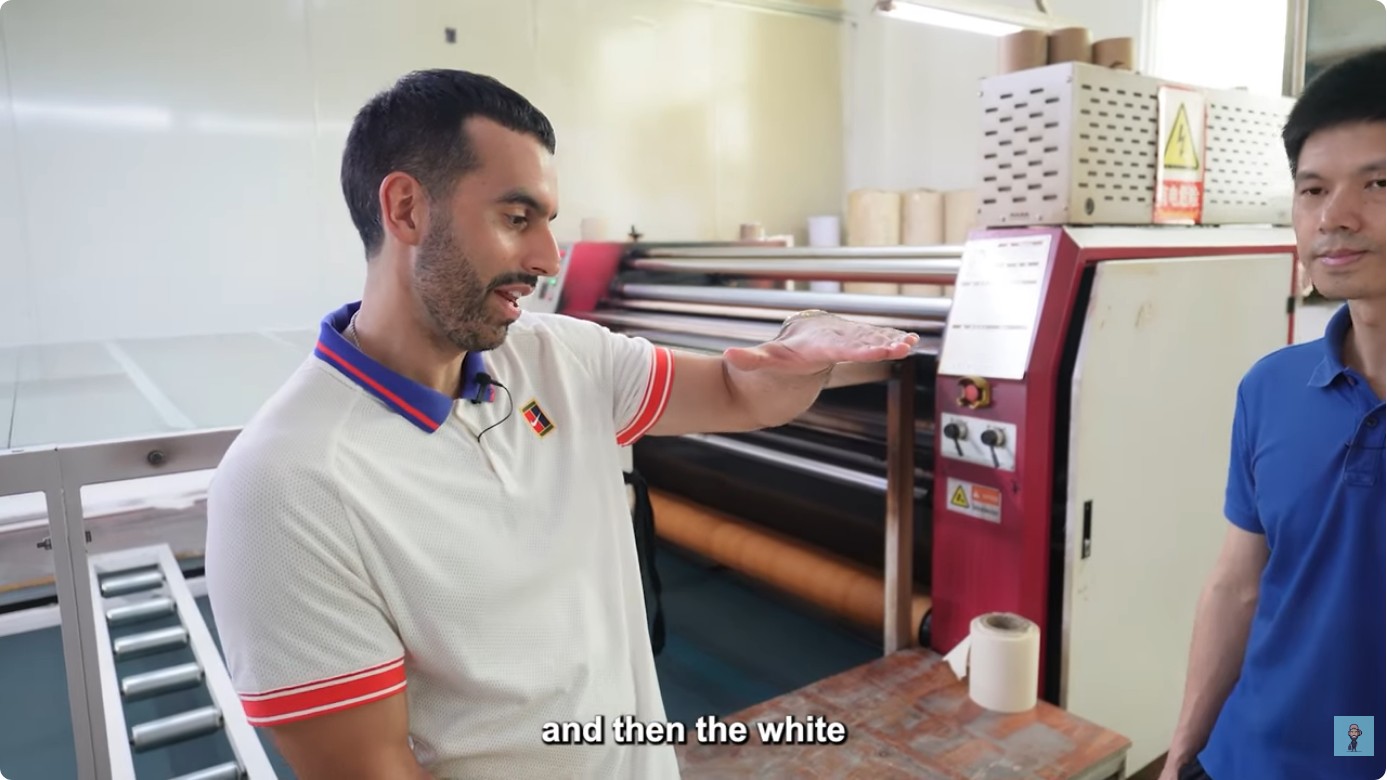
This article serves two audiences: the end consumer or designer researching this popular style, and the B2B buyer tasked with sourcing it. We will explore what defines the “Kenzo floral” look in an activewear context, the critical technical decisions that affect look and feel, and the practical questions you must answer when engaging a custom manufacturer. Successfully producing this style requires clear communication about print type, fabric, and placement to avoid costly revisions and ensure the final product matches the high-fashion inspiration.
Defining the “Flowers by Kenzo” Aesthetic in Activewear Context
The original Kenzo print is a trademarked, large-scale, multicolored floral graphic often resembling wildflowers or poppies with a hand-painted feel. In the activewear and custom apparel world, “flowers by Kenzo” has evolved into a broader style category. It typically signifies:
- Graphic Scale: Bold, oversized floral motifs that make a statement, as opposed to small, all-over ditsy prints.
- Artistic Rendering: Prints that mimic watercolor, brush strokes, or vintage botanical illustrations, giving a curated, artistic vibe.
- Color Palette: Often vibrant and contrasting, though modern interpretations may use monochromatic or pastel schemes for a softer look.
- Placement: Used as a statement panel (e.g., across the chest, down the leg) or as an all-over (AOP) print covering the entire garment.
For a custom sportswear manufacturer, replicating this aesthetic means mastering advanced digital printing techniques on performance fabrics. The goal is to achieve color vibrancy, detail clarity, and durability that withstands repeated washing and movement without cracking or fading. This is a significant step above basic logo embroidery or simple single-color screen printing.
Why This Style Resonates in Activewear
Floral patterns break the mold of typical geometric or abstract activewear designs. They appeal to consumers seeking individuality and a connection to nature in their fitness wardrobe. For brands, this style offers:
- Strong Brand Identity: A distinctive, memorable print can become a signature for a label.
- Premium Positioning: The complexity and visual impact justify higher price points.
- Cross-Utility: While perfect for yoga and pilates studios, bold florals also translate to streetwear-inspired athleisure and resort wear.
Key Production & Sourcing Considerations
Ordering custom floral activewear is a multi-variable process. The final product’s success hinges on decisions made early in the sourcing phase. Here are the pivotal factors to discuss with your manufacturing partner.
1. Print Method: Sublimation vs. Digital Direct-to-Garment (DTG)
The choice of printing technology is the most critical decision, as it dictates fabric compatibility, cost, and the final look.
| Feature | Sublimation Printing | Digital DTG Printing |
|---|---|---|
| Best For | All-over prints (AOP), complex multi-color designs | Placement prints, smaller designs, simpler color counts |
| Fabric Requirement | Must be polyester or high-poly blend (min. 80% polyester). The ink bonds with synthetic fibers during the heat press process. | Can work on cotton, cotton blends, and some treated synthetics. Best on light-colored fabrics. |
| Feel & Durability | Ink becomes part of the fabric yarn. No feel, excellent wash fastness. Ideal for performance wear that wicks moisture. | Ink sits on top of fabric. Can have a slight plasticky feel (though premium inks reduce this). Durability is good but can crack if not properly cured. |
| Color Vibrancy | Extremely vibrant, especially on white or light-colored base fabrics. | Vibrant on light fabrics; less so on dark garments without a white underbase. |
| MOQ & Cost | Higher MOQ (often 100-500 pcs/design) due to setup of custom transfer paper. Cost per piece is lower at volume. | Lower MOQ possible (can be as low as 10-50 pcs). Cost per piece is higher, especially for large designs. |
| Design Limitations | No limit on colors; perfect for the multi-hued “Kenzo” look. | Color count can affect cost and detail; very large AOP is inefficient and costly. |
Bottom Line: For authentic, vibrant, all-over “Kenzo-style” prints on leggings, joggers, or hoodies, sublimation on white or light-colored polyester is the industry standard. For a placement print on a cotton t-shirt or tank top, DTG is often the more accessible entry point.
2. Fabric Selection: The Foundation of Feel and Function
The fabric base is non-negotiable for performance and print quality. A common mistake is prioritizing print design over fabric hand feel. For custom floral activewear, consider:
- Performance Knits: 4-way stretch polyester or nylon/spandex blends (e.g., 180-230 GSM) are ideal for leggings, yoga pants, and fitted tops. They provide the necessary stretch and moisture-wicking.
- French Terry & Fleece: For hoodies and sweatshirts, a brushed back French terry or lightweight fleeece offers comfort. Ensure the fabric is polyester-rich for sublimation compatibility if going for AOP.
- Mesh & Single Jersey: Used for tank tops and lighter pieces. Again, polyester composition is key for sublimation.
Trade-off: 100% polyester yields the best sublimation results but can feel less natural. Blends with cotton (e.g., 80/20 poly/cotton) offer a softer hand but may slightly mute color vibrancy and require specific sublimation processes. Always request fabric swatches from the factory to test the print result and hand feel before committing.
3. Design & Color Application Strategy
Translating an artistic floral design to a technical print file requires precision.
More advice: Decoding the ‘Abercrombie Aesthetic’ for Custom Sportswear Production
- File Preparation: Provide the factory with a high-resolution (min. 300 DPI) vector file (AI, EPS) or a large, layered PSD. Raster files can pixelate when scaled for AOP.
- Color Matching: Pantone (PMS) color codes are the gold standard for accuracy. If you have a specific inspiration image, a skilled factory can help isolate and match key colors. Be aware that screen displays and printer outputs vary.
- Placement vs. AOP: Clearly define the print area on a technical flat (tech pack). For AOP, specify if the pattern needs to be “engineered” (seamless repeat) or if a specific motif placement is required across seams. This affects fabric usage and cost.
What to Verify: A Quality & Fit Checklist
Before approving bulk production, rigorous sample approval is essential. Use this checklist:
- Print Clarity & Color: Check for blurriness, banding, or color shift compared to your approved art. View under both natural and factory lighting.
- Fabric Hand & Stretch: Does the fabric feel as expected? Does it recover well after stretching?
- Seam & Print Alignment: On AOP garments, check that the pattern matches across side seams and at the crotch/ inseam junction. Misalignment is a common flaw.
- Wash Test: Request a washed sample (or wash your approved sample yourself). Look for fading, ink transfer, or cracking.
- Sewing & Construction: Inspect stitches, hem finishes, and tag application. Custom activewear should feel as well-made as it looks.
Sourcing Scenarios: Typical Buyers & Their Needs
The approach to sourcing custom floral activewear varies by business model:
- For an Emerging Fashion Brand (ODM Path): You likely have a mood board and design sketches but no patterns. Seek a factory with strong ODM (Original Design Manufacturer) capabilities. They can help translate your “Kenzo-inspired” vision into a tech pack, suggest suitable fabrics, and manage the entire development cycle. MOQs here might start at 300-500 pieces per style.
- For a Gym or Sports Team (OEM Path): You need a specific garment (e.g., a moisture-wicking racerback) with your team’s floral logo or a small floral accent. This is classic OEM (Original Equipment Manufacturer). You provide the garment spec and art; the factory sources the blank and applies the print. MOQs can be lower (50-100 pcs) for simple placements using DTG or screen printing.
- For a Large Retailer/Wholesaler: Volume and cost per unit are paramount. You may license a specific floral print design or have your own. You’ll need a factory with high-capacity sublimation lines and robust quality control for consistent AOP across thousands of units. Expect MOQs in the thousands.
Communicating with Your Factory: Essential Questions to Ask
To get an accurate quote and avoid missteps, your initial inquiry should include:
- Garment Specifications: Exact style name/number, fabric composition (e.g., 92% polyester, 8% spandex), GSM, and fit type.
- Print Details: “All-over sublimation print, engineered repeat, based on this artwork file [attach].” or “Left chest placement, 4-inch diameter, DTG on 100% cotton.”
- Color Standards: “Please match these Pantone colors: PMS [code], PMS [code].”
- Quantity & Timeline: Target quantity per size/color and desired delivery date.
- Special Finishes: Matte vs. glossy print finish? Any specific tagging, labeling, or packaging requirements?
A reliable factory will respond with questions to clarify these points. Their answers on sample lead time, bulk production timeline, and cost breakdown (fabric, cut & sew, print, finishing) will indicate their professionalism.
Navigating Trade-offs: Cost, Quality, and Time
Sourcing this style involves balancing several factors:
- Cost vs. Volume: AOP sublimation has high fixed costs (transfer paper, machine time). Lower quantities dramatically increase the unit price. For a first order, consider a smaller placement print or a simpler design to test the market.
- Fabric Choice vs. Performance: A 100% polyester scuba knit will hold a vibrant print perfectly but may be too heavy for some applications. A 200 GSM lightweight French terry is more versatile but may require a premium sublimation process to prevent ink bleed.
- Speed vs. Customization: Factories with pre-existing “stock” floral patterns can offer faster turnaround but less uniqueness. True custom art and AOP add 2-4 weeks to the development timeline.
Ultimately, the “flowers by kenzo” style in activewear represents a premium custom product tier. It commands a higher price point due to the technical demands of the print and the fabric. The key to a successful sourcing partnership is finding a manufacturer who understands both the artistic reference and the technical realities of performance apparel production.
How to Source Custom Floral Activewear Effectively?
When vetting potential partners, prioritize factories that specialize in sublimation and digital print on performance fabrics. Ask for their portfolio specifically featuring all-over floral or large-scale graphic prints. Request fabric and print samples from a current production run to assess true quality. Be prepared to invest in the sampling process; a $100-$300 sample fee for a custom AOP garment is standard and protects both parties. Clear, detailed communication from the outset—using tech packs, Pantone codes, and physical references—is the single biggest factor in achieving the desired outcome on time and within budget.
Planning to add these styles to your collection? We produce custom versions with your branding, fabric choice, and sizing — from sample to bulk. Contact our team for details.