
For brands, teams, and retailers navigating the custom apparel market, understanding sweater terminology is more than a vocabulary lesson—it’s a strategic necessity. The specific style you choose dictates fabric options, customization potential, production complexity, and ultimately, how your target audience perceives the final product. Whether you’re sourcing premium fleece for a luxury streetwear drop or durable wool-blends for a corporate gifting program, knowing the precise name and construction of each sweater type ensures you communicate effectively with manufacturers and achieve the desired outcome.
This guide cuts through the ambiguity, providing a clear, manufacturer-focused breakdown of common sweater styles. We’ll move beyond simple labels to explore construction details, typical fabric pairings, and critical sourcing considerations for each type. Our goal is to equip you with the knowledge to make informed decisions when requesting quotes, approving tech packs, or sampling garments for your brand.
A Framework for Classification: Style, Construction, and Fabric
Before diving into specific styles, it’s helpful to understand the three primary axes along which sweaters are categorized in a manufacturing context:
- Silhouette & Closure: This defines the overall shape and how the garment is put on/taken off (e.g., crewneck, cardigan, pullover).
- Construction Details: This includes sleeve type (raglan, set-in), neckline finish (ribbed, self-fabric), and knit pattern (cable, jersey, rib).
- Fabric & Weight: The yarn and knit structure—from lightweight cotton jersey to heavy wool bouclé—fundamentally change a style’s purpose, cost, and customization surface.
A savvy buyer considers all three. A “hoodie” (silhouette) made from a lightweight French terry (fabric/weight) with a raglan sleeve (construction) will have a completely different look, feel, and cost than a heavyweight fleece hoodie with set-in sleeves. We’ll integrate these factors as we explore each style.
The Core Pullover & Cardigan Styles
These are the foundational categories most sweater discussions begin with. Their names are widely recognized, but their manufacturing specifics vary greatly.
1. Crewneck Sweater
The classic, round-neck pullover. It’s the most versatile and ubiquitous style.
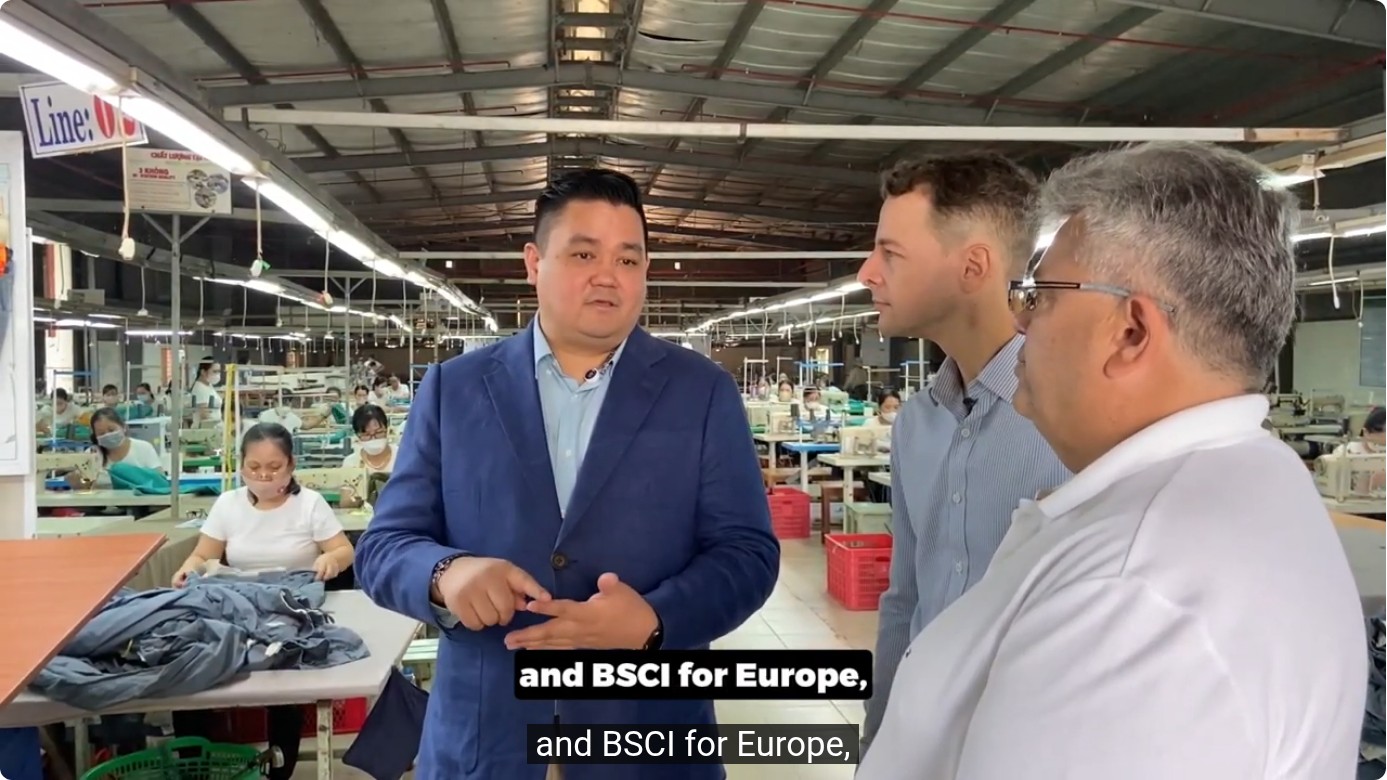
- Construction: Typically features a ribbed crew neckline and cuff/hem. Can be made from jersey knit (t-shirt-like) for a lightweight “sweatshirt” feel, or from heavier knits like fleece or wool.
- Customization Context: The large, flat front and back panels make it ideal for large-format screen printing, DTG (direct-to-garment) printing, and embroidery. The ribbed neck and cuffs offer smaller surfaces for subtle branding.
- Sourcing Tip: Specify the neck rib knit width (1×1, 2×2) and fabric composition (e.g., 100% cotton vs. cotton/polyester blend). The rib quality significantly impacts durability and appearance.
2. V-Neck Sweater
A pullover with a V-shaped neckline. Often perceived as more tailored or classic than a crewneck.
- Construction: The V-point can be finished with a simple bind-off or, more commonly for custom apparel, with a ribbed or self-fabric V-panel. Depth of the V varies (shallow vs. deep).
- Customization Context: The V-shape creates two triangular front panels. Logos are often centered on the upper chest or placed on one of the panels. The neckline finish is a key detail to specify in your tech pack.
- Sourcing Consideration: Deeper V-necks may require a different pattern cutting approach to maintain stability. Less common in heavy fleece, more typical in fine-knit wools or cotton jersey.
3. Hoodie (Hooded Sweatshirt)
Undoubtedly the powerhouse of the custom activewear and streetwear market. A pullover with an attached hood.
- Construction: Key variations include: hood style (two-piece with center seam vs. one-piece), drawcord type (flat, round, with/without aglets), pocket style (kangaroo, split hand-warmer, or none), and cuff/hem (ribbed or raw-edge).
- Customization Context: The hood’s interior and exterior, chest, back, and sleeves are prime real estate. The pocket can be a branding canvas or a constraint. High production volume makes hoodies a cost-effective choice for custom work.
- Trade-off Alert: Adding a heavy, all-over print to a thick fleece hoodie can stiffen the fabric and reduce drape. Discuss fabric weight and print coverage with your manufacturer.
4. Zip-Up Sweater / Zip-Up Hoodie
A sweater or hooded style with a full-length zipper closure.
- Construction: The zipper type (#5 coil, #8 metal, YKK vs. generic) is a critical specification. The placket (fabric covering the zipper) can be wide or narrow. Often features a ribbed or stand-up collar at the top.
- Customization Context: The zipper creates a vertical seam that can interrupt large designs. Branding is typically placed on the chest, back, and sleeves, avoiding the placket area. The interior of the unlined hood is a common spot for small, woven labels.
- Production Note: Zipper insertion is an additional labor step. Ensuring zipper alignment and secure stitching is a key quality control point for ODM suppliers.
5. Cardigan
A sweater that opens fully down the front, usually with a button or snap placket. The term often implies a more refined, “shirt-like” knit.
- Construction: Button placket (number and spacing of buttons matters), pocket style (patch, flap, welt), and collar type (notched, shawl, turtleneck). Can be lightweight (cotton pique) or heavyweight.
- Customization Context: The front panels are separated by the placket. Embroidery or small prints are common on the left chest. Button plackets are rarely printed over unless using a special process. The collar and cuffs offer subtle branding opportunities.
- Sourcing Insight: For a premium look, specify mother-of-pearl or horn-style buttons. For athletic use, consider snap closures for faster on/off.
Specialty & Performance Sweater Styles
This category includes styles defined by their functional design, often blurring the line between a traditional sweater and technical outerwear.
6. Raglan Sweater / Raglan Hoodie
Identified by the sleeve that extends in one piece from the collar to the underarm, creating a distinctive diagonal seam from the collar to the armpit.
Related guide: Sourcing ‘Brands Like Theory’ Style: A Manufacturer’s Guide to Minimalist Elevated Basics
- Construction: The raglan seam allows for greater range of motion. A staple in baseball uniforms and athletic wear.
- Customization Context: The large, uninterrupted back panel is a prime canvas. The raglan seams themselves can be used design-wise (e.g., with contrast stitching). Very popular for team sports apparel.
- Why Brands Choose It: The cut is inherently comfortable and sporty. It’s a standard option for custom tracksuit tops and athletic pullovers.
7. Mock Neck / Turtleneck Sweater
A sweater with a tall, folded collar that stands up around the neck. A “mock” turtleneck typically has a shorter, less voluminous collar than a traditional turtleneck.
- Construction: The collar is a separate ribbed piece, folded and stitched. Can be found in lightweight merino for base layers or heavy wool for cold weather.
- Customization Context: Offers a sleek, minimalist silhouette. Branding is usually restricted to the chest or upper back, as the high collar dominates the upper body view. Favored by techwear and modern minimalist brands.
- Fabric Consideration: For custom production, the collar’s recovery is crucial. A rib with high elastane content will hold its shape better after repeated wear.
8. Fisherman’s Sweater / Aran Sweater
A traditional, heavyweight wool sweater characterized by complex, chunky knit patterns (cables, honeycombs, diamonds).
- Construction: Typically made from wool yarns using a knit-and-purl technique to create raised, textured patterns. Often features a shawl collar.
- Customization Context: This is one of the most difficult styles to customize. The dense, textured knit makes screen printing challenging (requires special mesh counts and inks) and often impossible for embroidery. Customization is usually limited to small, subtle labels or contrast stitching at the seams.
- Manufacturing Reality: Due to the complex knit patterns, these are rarely made from scratch for OEM. Sourcing is typically from pre-knit blanks, which limits size and color range. Higher MOQs apply.
Material-Driven Style Classifications (From a Manufacturer’s Lens)
In the factory, the fabric often dictates the machine settings, sewing techniques, and even which styles are feasible. Here’s how material intersects with style naming:
| Fabric Type | Resulting Garment Name | Key Properties & Sourcing Notes |
|---|---|---|
| Fleece (brushed, plush knit) | Fleece Hoodie, Fleece Sweatshirt, Performance Pullover | Excellent for warmth. Great for screen printing. Can be anti-pill treated. Weight (e.g., 280gsm, 320gsm) is a critical spec. Polyester blends wick moisture; 100% cotton is softer but heavier. |
| French Terry (unbrushed terry knit) | French Terry Hoodie, Terry Sweatshirt | Lighter, more breathable than fleece. Has a distinct looped underside. Popular for year-round layering. Prints well. Less insulating. |
| Jersey Knit (like a t-shirt fabric) | Sweatshirt (lightweight), Raglan Tee (if short-sleeve), Hoodie (lightweight) | Very versatile for printing. Used for athletic «warm-up» layers. Not for cold weather. Stretch and recovery depend on elastane content. |
| Wool / Wool Blend | Wool Crewneck, Merino Mock Neck, Aran Sweater | Natural temperature regulation, odor resistance. More expensive. American Wool Standard certifies quality. Can be felted or knitted. Requires special handling for prints (likely embroidery only). |
| Rib Knit | Ribbed Sweater, often used for trim on other styles | High stretch, used for cuffs, necks, and form-fitting body panels. Often an elastane-blend. The 1×1 vs. 2×2 rib pattern changes the visual texture and stretch. |
Fit & Scale: The Modern Variations
Beyond style, the cut dramatically alters perception. These are essential to specify in your tech pack.
- Classic/Regular Fit: Standard, comfortable cut with room for movement. The safest, most popular choice for team and corporate apparel.
- Slim Fit: Tapered through the body and arms. Requires precise pattern making. Risk of being too tight if customer’s size chart is inaccurate. Popular for fashion-forward brands.
- Oversized Fit: Deliberately loose, with dropped shoulders and longer lengths. Often uses larger size runs (e.g., an “oversized L” may have the body measurements of a standard XL). Critical to specify exact measurements, not just “oversized.”
Sourcing & Production Decision Checklist
When you approach a manufacturer with a sweater style in mind, verify these points to avoid costly samples and delays:
- Fabric Swatch Approval: Always approve a knitted fabric swatch, not just a paper. Hand feel, weight (grams per square meter – GSM), and color match are paramount.
- Trim Specification: Confirm rib knit type for neck/cuffs, zipper brand/type, drawcord material, and button quality. These details define perceived value.
- Print/Embroidery Compatibility: Ask the factory for their recommendation based on your chosen fabric. A heavyweight cable-knit will not take a detailed DTG print. AATCC test methods can be referenced for colorfastness and durability of applied decorations.
- Pattern Making: Ensure the factory uses a pattern graded for your intended fit (slim, regular). Poor grading is a common cause of fit issues across a size range.
- Minimum Order Quantities (MOQ): MOQs vary wildly by style and fabric. A simple crewneck in stock fabric may have an MOQ of 50, while a custom-knit wool cardigan could require 500+. Clarify this upfront.
What Should You Consider When Sourcing Custom Sweaters?
Synthesizing the information above, your style selection should answer these practical questions:
- What is the primary use case? Team uniform (prioritize durability, moisture management, raglan sleeves), corporate gift (prioritize fabric feel, classic style, easy logo placement), or fashion retail (prioritize unique silhouette, fabric story, fit)?
- What is the target price point? Basic fleece hoodies are the most economical. Complex knits, wool, and intricate constructions (like cardigan plackets) increase cost.
- What is your decoration method? Large screen prints need large, flat panels. Embroidery works on textured fabrics but adds stiffness. For complex knits, consider a woven label or subtle contrast taping instead.
- What is your timeline and volume? Stock fabric styles can ship faster. Custom-knit fabrics require yarn sourcing and knitting time, adding weeks to the lead time.
By articulating your needs in this nuanced way, you empower your manufacturing partner to offer the best solutions rather than just the most basic options.
If you’re looking to source or customize any of the styles mentioned above, our factory offers low MOQ OEM/ODM production with full sampling support. Get a free quote today.