
In fashion design, a mood board is far more than an inspiration collage. It is the foundational communication tool that translates a creative vision into a tangible, manufacturable product. For brands and designers partnering with a custom sportswear manufacturer, a well-constructed mood board is the single most important document you can provide to ensure your activewear line—whether it’s a performance tracksuit, a graphic hoodie, or a set of cargo pants—is produced accurately, efficiently, and cost-effectively. It bridges the gap between abstract idea and technical specification, aligning your creative team with the factory’s production team from day one.
This guide moves beyond basic Pinterest scraping. We’ll explore how to build a production-ready mood board specifically for OEM and ODM sportswear projects, detailing what manufacturers actually need to see, common pitfalls that lead to costly sampling errors, and how to transform your visual narrative into a clear brief for your factory partner.
Quick Summary: Your Mood Board as a Manufacturing Blueprint
Think of your mood board as the visual executive summary of your design brief. For a custom apparel factory, it must answer key questions before a single pattern is cut:
- What is the core aesthetic and target customer? (e.g., “techwear minimalist” vs. “90s retro gym”)
- What are the non-negotiable fabric properties? (e.g., 4-way stretch, moisture-wicking, heavyweight fleece)
- What are the key design details and construction methods? (e.g., raglan sleeves, bar-tack reinforcements, specific hem finishes)
- What is the intended color story and palette? (with specific references, not just “navy blue”)
A board that answers these points becomes a proactive tool, reducing miscommunication and sample revisions. One that doesn’t becomes a source of guesswork, delays, and unexpected costs.
The Anatomy of a Production-Ready Sportswear Mood Board
For custom activewear, your mood board must be a strategic document, not just a beautiful one. It should be organized into clear, logical sections that a product developer or pattern maker can systematically review. Here is the essential framework.
1. The Hero & Customer Avatar
Begin with 1-2 strong “hero” images that capture the feeling and context of your garment. This isn’t about the garment itself yet, but the person wearing it and where they are. Is it a yogi in a serene studio? A streetwear enthusiast in an urban landscape? A construction worker in rugged cargo pants? This sets the tone for functionality and style.
Manufacturing Insight: The hero image informs decisions on fit (athletic vs. relaxed), fabric weight, and durability requirements. A board focused on a “mountain athlete” will immediately signal needs for weather-resistant shells and articulated knees, while a “lounge wear” board points to softer knits and comfort-driven construction.
2. Fabric & Trim Reference Library
This is the most critical section for a factory. Avoid generic terms.
- Fabric Swatches: Include actual small swatches if possible (pinned or taped). If not, use high-resolution photos of fabrics with specific, verifiable names (e.g., “280gsm brushed fleece,” “97% polyester/3% spandex performance mesh”). Reference known fabric codes from mills if you have them.
- Performance Specs: List required technical properties: moisture-wicking (and ideally, a AATCC test method reference like TM195 for evaporation), UPF rating, wind resistance, etc.
- Trim & Hardware: Show close-ups of zippers (YKK® or similar brand/spec), drawcords, toggles, labels (woven vs. printed), and any reflectives. Specify colors and finishes (matte vs. glossy).
Caveat: A fabric that looks perfect in a photo may not be available from your manufacturer’s nominated suppliers or may be prohibitively expensive. This section forces an early conversation about sourcing and budget.
3. Silhouette, Fit & Construction Details
Use line drawings, tech sketch references, or photographs of similar existing garments (from brands you admire) to communicate shape.
- Fit: Specify “slim,” “regular,” “oversized,” or “athletic.” Use fitting terminology like “tapered leg,” “drop shoulder,” or “high-rise waist.”
- Key Construction: Annotate photos or sketches to highlight: seam types (flatlock, coverstitch), hem finishes (ribbed, blindstitch), pocket styles and placements, collar types (crewneck, funnel neck), and any unique features like gussets, knee patches, or hidden pockets.
Production Note: Construction details directly impact cost and production time. A simple coverstitch hem is standard; a complex multi-panel yoke with bonding will require specialized equipment and higher MOQs. Your mood board should hint at this complexity.
4. Color Palette & Application
Present a cohesive color story, not a random list.
- Use Pantone® TCX (Textile Paper Extended) or TPX codes. This is the industry standard for communicating color to mills and dyers. Never rely on screen approximations.
- Show a “color callout” layout: a small square of each color with its Pantone code, next to a photo showing where that color is used (e.g., “Body: PANTONE 19-4052 Classic Blue,” “Ribbing: PANTONE 19-4030 Twilight Blue”).
- Indicate if colors are for fabric, prints, or sublimation.
Warning: Color matching has costs. Specifying 5+ unique dye colors for a single style will significantly increase the per-unit cost compared to a 2-color palette. Your mood board should reflect a considered, feasible color strategy.
5. Graphics, Prints & Embellishments
For graphic tees, hoodies, or sublimated all-over prints:
Related guide: The Polyester Mesh Shirt: A Technical Guide for Brands, Teams, and Buyers
- Provide vector files (AI, EPS) of logos and graphics at final print size.
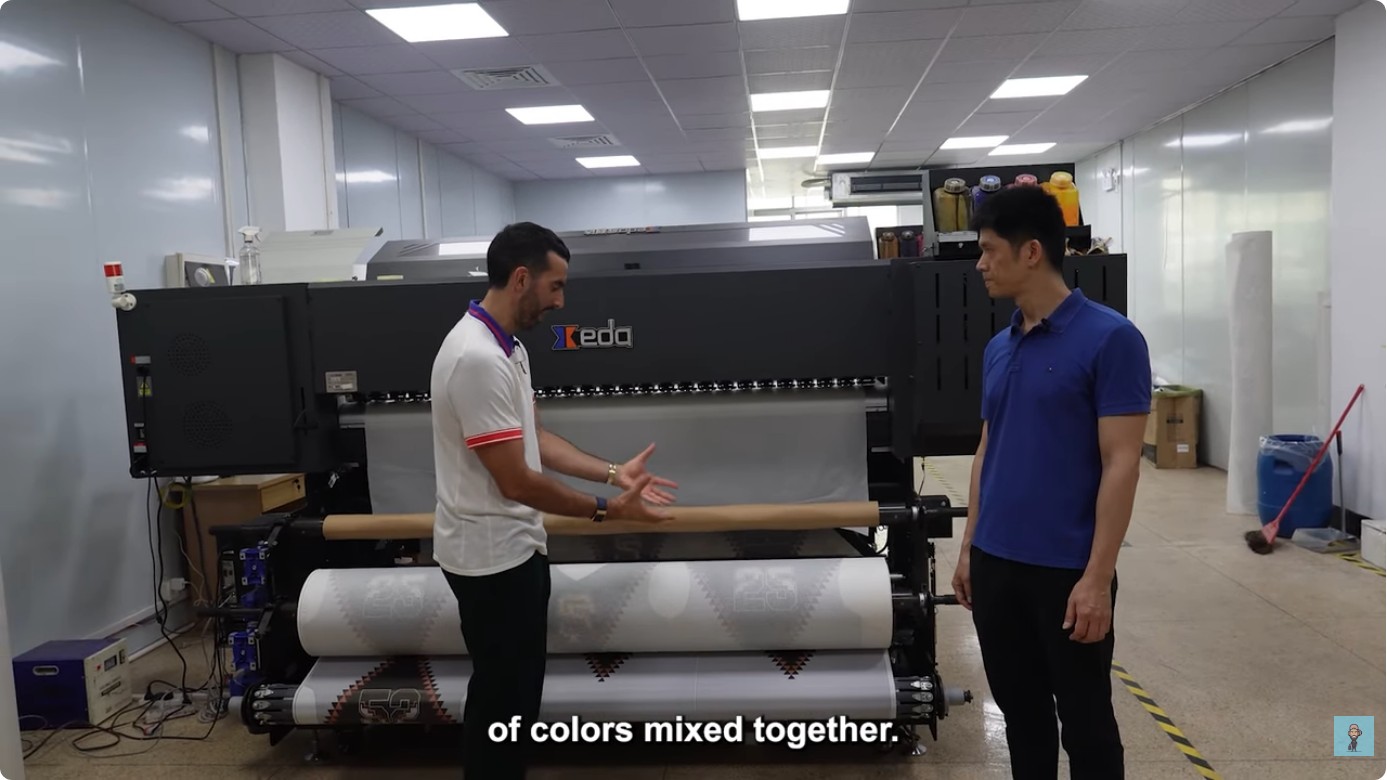
- Specify the print technique: screen printing (and number of colors/plates), DTG (direct-to-garment), sublimation, or embroidery.
- For sublimation, note if the design is “all-over” (full garment) or “placed.” Placement requires precise pattern making.
- For any appliqué, patches, or sequins, include close-up references and attachment methods.
ODM Consideration: If you’re using a factory’s ODM services, this section should also reference their existing print archives or graphic libraries you wish to adapt, making the process faster and cheaper.
From Mood Board to Tech Pack: The Next Handoff
A mood board is the “what” and “why.” A tech pack is the “how” and “how many.” A strong mood board makes creating an effective tech pack smoother. Your manufacturer will use your board to inform:
- Bill of Materials (BOM): The exact fabric and trim specs you highlighted.
- Construction Specifications: Stitch types, seam allowances, and finishing details you annotated.
- Colorways: The Pantone-based color calls for each style variation.
When you submit your mood board to a factory for a quote, expect them to ask clarifying questions based on it. A good factory will review it and say: “We see you want a bonded zip pocket here—our standard is a patch pocket. This will add $X to the cost. Is that acceptable?” This is the value of a detailed board: it surfaces these decisions early.
Common Mistakes That Derail Custom Projects
Even experienced designers can create mood boards that are more inspirational than informative. Here are the frequent gaps that cause production hiccups:
| Mistake | What the Factory Sees | Result |
|---|---|---|
| Vague color descriptions (“a nice blue,” “sunset orange”) | Guesswork. They will source a standard fabric in a close color, which may be wrong. | Color rejection, fabric waste, delays in dyeing. |
| Only showing final runway looks, no detail shots | No understanding of internal construction, seam finishes, or lining. | Samples that look right on the outside but are poorly made inside; incorrect fit. |
| Mixing incompatible fabric types in one board (e.g., heavy wool next to silk) | Unclear material direction. Are you proposing a blend? A collection with different fabric needs? | Inconsistent quality across styles; supply chain confusion. |
| No clear “hero” or target customer | Ambiguous design intent. Is this for high-performance or fashion? | Inappropriate fabric/trim choices (e.g., using cheap rib for a premium yoga line). |
| Using only low-resolution internet images | Inability to discern texture, true color, or print detail. | Misinterpretation of sheen, drape, or graphic scale. |
Practical Scenario: Building a Board for a Custom Performance Hoodie
Let’s apply this. You’re designing a mid-layer performance hoodie for a running club.
- Hero: Photo of a runner in a misty forest, mid-stride, hood up. Shows movement.
- Fabric: Swatch of a lightweight, brushed-back fleece (e.g., 280gsm). Note: “Must be breathable, not thermal.” Reference a specific performance fabric from a brand like Polartec® or The North Face®.
- Trim: Photo of a low-profile, anti-snag zipper (e.g., YKK® #5 Vislon®). Spec for flat, wide drawcords (not round). Label: “Neck tape: same fabric as body. No main label; tagless.”
- Fit/Construction: Sketch showing raglan sleeves for mobility. Annotate: ” thumbholes at cuff,” “lined hood with 2-panel construction,” “side-seam pockets with hidden zippers.”
- Color: Palette of 3: PANTONE 19-4052 Classic Blue (body), PANTONE 16-0107 TCX Bright White (lining/rib), PANTONE 19-4016 Graphite (zipper/drawcord).
This board immediately tells a factory: this is a technical product with specific performance needs, not a casual fleece. They can source appropriate fabrics, calculate costs for the special zipper and thumbholes, and understand the clean, minimalist aesthetic. The sample you receive will be far closer to your vision on the first try.
Is Your Mood Board Production-Ready? A Final Checklist
Before sending your board to any potential manufacturing partner, run through this list:
- [ ] Does it have a clear hero image defining the user and use-case?
- [ ] Are all fabrics described with weight, composition, and a visual/tactile reference?
- [ ] Are trims (zippers, labels, cords) specified by brand, type, and color?
- [ ] Are key construction details (seams, pockets, collars) clearly indicated?
- [ ] Is every color identified with a Pantone Textile code?
- [ ] Are graphics provided as vector files at print size?
- [ ] Does the overall board feel cohesive and intentional, not like a random collection of images?
If you can answer “yes” to these, your mood board is a powerful procurement tool. It demonstrates professionalism, reduces risk, and invites manufacturers to engage with your project based on clear, actionable data. It transforms the quoting process from a speculative guess to an informed proposal.
Whether you’re a startup brand with your first design or an established retailer expanding into custom activewear, a meticulous mood board is your first step toward a flawless production run. It is the universal language that speaks to both your creative team and your manufacturing partner.
Ready to translate your vision into a manufactured reality? Whether you’re a startup brand or an established retailer, we manufacture custom sportswear at competitive MOQs. Reach out to start your project. Provide us with your mood board, and we’ll provide a detailed, transparent quote that addresses every specification you’ve laid out.