
Japanese sports brands occupy a unique and influential space in the global athletic and lifestyle apparel market. They are celebrated not for flashy logos or transient trends, but for a philosophy that merges minimalist design, exceptional fabric technology, and meticulous construction. For wholesale buyers, fashion brands, and sports teams, understanding this aesthetic and its manufacturing roots is key to sourcing or creating apparel that carries that coveted blend of performance, understated style, and durability. This guide breaks down what defines Japanese sportswear and how you can leverage those principles in custom production.
Whether you’re looking to stock inventory that resonates with a design-conscious audience or develop a private-label line with a distinct premium feel, the ‘Japanese’ aesthetic offers a powerful blueprint. It extends far beyond the running shoes of Asics or the basics of Uniqlo’s UT line, influencing everything from high-performance training gear to streetwear-inspired tracksuits. The core challenge—and opportunity—for buyers lies in translating these often intangible brand values into concrete, customizable product specifications with a manufacturing partner.
What “Japanese Sports Brands” Really Means: Beyond the Label
The term isn’t just about geographic origin; it describes a design and engineering ethos. When consumers and fashion editors refer to “Japanese sportswear,” they typically mean apparel characterized by:
You may also like: The Real Science Behind UV Protection Fabric: What You Need to Know Before You Buy
- A minimalist, tonal, or monochromatic palette: Think heather grey, navy, black, and natural whites, often with subtle texture variations rather than bold prints.
- Architectural silhouettes: Clean lines, precise fits (often slightly more tailored than standard US/European athletic wear), and a focus on how garments drape and move.
- Fabric-first innovation: Heavy investment in proprietary textiles—lightweight yet warm insulation, moisture-wicking with a soft hand feel, four-way stretch with recovery, and durable woven fabrics for outerwear.
- Exacting construction: Flatlock seams to prevent chafing, reinforced stress points, hidden pockets, and a general absence of unnecessary labels or tags.
This creates a “quiet luxury” in sportswear—products that feel considered and premium without being loud. For a brand or retailer, this aesthetic commands a higher price point and builds strong customer loyalty based on perceived quality and timeless design.
What Matters Most for Buyers: The Core Decision Points
Before diving into styles, wholesale buyers must decide which pillars of the “Japanese” ethos are non-negotiable for their line. Your choices here directly impact factory selection, cost, and minimum order quantities (MOQs).
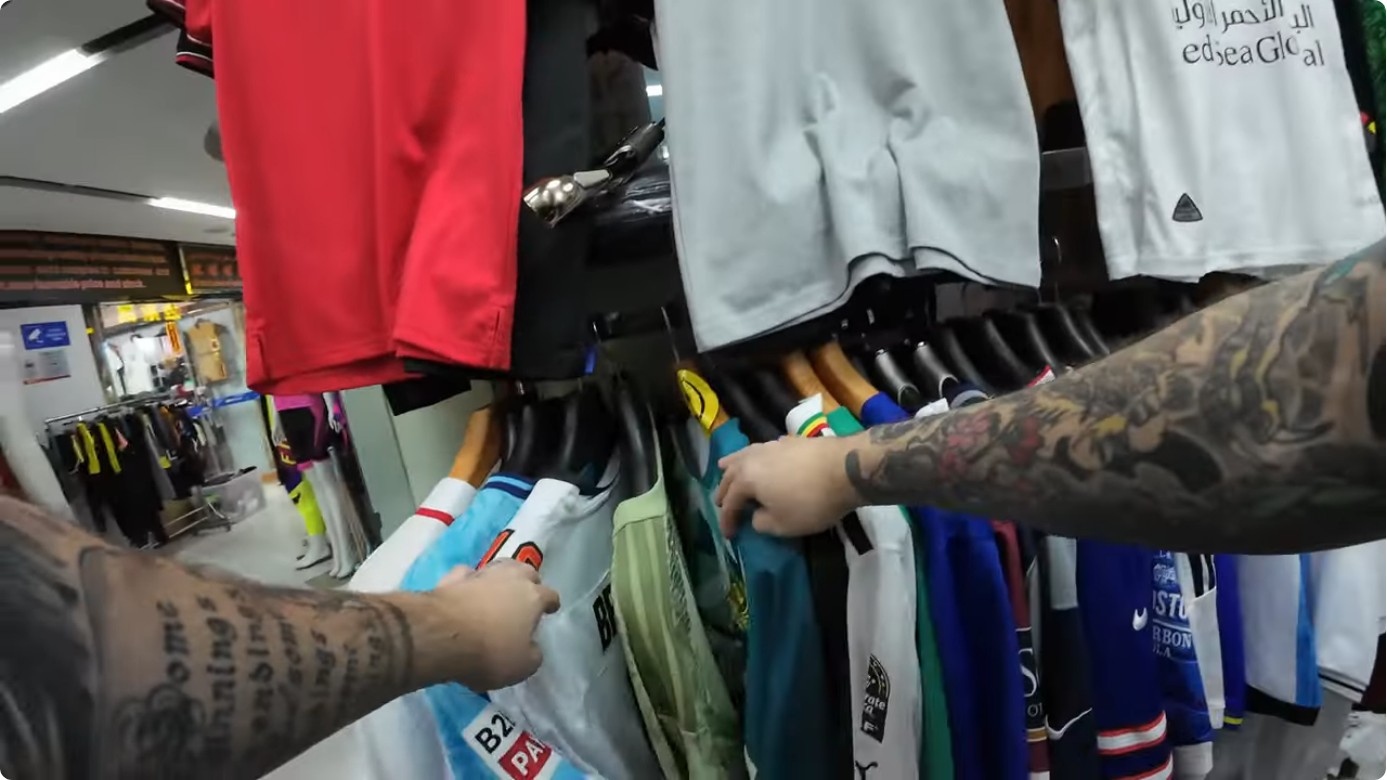
- Fabric vs. Fit Priority: Is the defining feature going to be a revolutionary textile (e.g., a Japanese-developed mesh, a proprietary thermal weave) or a perfectly engineered cut? Fabric innovation often requires closer collaboration with specialized textile mills and can increase MOQs. A focus on fit allows more flexibility with standard fabric bases but demands precise pattern-making and sampling.
- Performance vs. Lifestyle Balance: Will the garment be used for actual high-intensity sport (requiring specific moisture management, stretch, and durability certifications), or is it primarily for athleisure and casual wear? A performance claim requires testing and often specific fabric certifications (e.g., for UV protection, antimicrobial treatment). Lifestyle pieces have more leeway in fabric choice but must still meet expectations for comfort and durability.
- Price Point Anchor: The Japanese aesthetic is inherently a premium signal. Attempting to execute it at a fast-fashion price point will likely fail in the eyes of the target consumer. Your target retail price will dictate your production cost ceiling, which in turn influences fabric choices, construction details, and the need for automated vs. hand-finished sewing.
Key Product Categories & Their Manufacturing Context
Let’s examine how the Japanese design philosophy applies to common custom apparel categories, with an eye on production realities.
T-Shirts & Tops: The Foundation of the Aesthetic
This is where the philosophy is most visible. A “Japanese-style” t-shirt is rarely a basic cotton jersey. Key characteristics include:
- Fabric: Often a heavier, compacted cotton (e.g., 6.5+ oz) with a structured, non-stretchy feel, or a premium cotton/polyester blend for specific performance. Rarely see thin, “cheap” feeling fabric.
- Construction: Double-stitched hems, shoulder-to-shoulder taping, and a clean, often slightly shorter body. Neckline is a major focus—a firm, well-stitched ribbed crewneck that holds its shape.
- Details: Minimalist label solutions (printed care instructions, tear-away tags).
Sourcing Note: For an authentic feel, specifying fabrics from renowned Japanese mills (like Toray, Teijin, or specific cotton suppliers) is a major selling point. However, these can have high MOQs (often 5,000+ yards per color). Many factories in Vietnam, China, and Bangladesh can source “Japanese-style” compacted cotton jerseys from local or regional mills that mimic the hand-feel at lower volumes, though the true mill origin may be different. Transparency with your buyer about this trade-off is important.
Hoodies & Sweatshirts: Precision in Comfort
The Japanese take on casual knitwear emphasizes weight, texture, and fit.
- Fabric: French terry (with a looped interior) is a staple for its texture and breathability. Fleece, when used, is often a lighter, brushed variety that feels luxurious, not bulky. Weight is a key spec—typically mid-weight (300-350 GSM) for year-round versatility.
- Fit: Often a “slim” or “regular” fit that is not tight but avoids the boxy, oversized look common in some streetwear. The cut is clean through the body and sleeves.
- Details: Kangaroo pockets or clean, welt pockets. Hoods are substantial with double-layered fabric. Drawstrings are often flat, wide, and made from the same fabric as the hoodie.
Production Consideration: Knitwear construction has higher unit costs than woven. The quality of the loop-knit (for French terry) or brushing process (for fleece) varies greatly. Requesting fabric swatches from the factory’s nominated mill is non-negotiable. MOQs for custom knit fabric runs are significantly higher (often 10,000+ yards) than for woven fabrics.
Tracksuits & Joggers: Tailored Athleisure
The tracksuit is a cornerstone of the look, moving away from the baggy, athletic-team aesthetic toward a refined, coordinated set.
- Jacket: Often has a standing collar, clean front (no bold stripes), and subtle branding placement (chest, sleeve). Fabrics are lightweight, woven stretch twills or technical jerseys with a sleek drape.
- Pants: The tapered-leg jogger is key. Fabric matches the jacket. Details include zippered side pockets, elastic or ribbed cuffs at the ankle, and a clean, often interior drawstring waistband.
Manufacturing Complexity: A matching tracksuit set requires coordinating two garments, often in the same fabric. This doubles the pattern-making and sampling effort. The fabric must perform well for both a jacket (which may need a slight DWR finish for light weather) and pants (which need stretch and recovery). Communicating the intended paired use to your factory is critical for fabric selection.
You may also like: The Essential Guide to Cargo Pants Material for Custom Sportswear Sourcing
Custom Production: Translating Aesthetic into Specs
For brands and buyers, the path to a custom “Japanese-inspired” garment is a conversation with your factory. Here’s what you must communicate.
The Essential Specification Checklist
Vague requests like “make it like a Japanese brand” will fail. You need to provide:
- Reference Garments: Provide physical samples or high-resolution images of specific items from brands like Asics (for performance), Uniqlo (for basics), Fred Perry (for polo heritage), or Visvim (for high-end interpretation). Point to specific details: “the weight of this hoodie,” “the neckline on this t-shirt,” “the pocket style on these pants.”
- Fabric Requirements: Specify weight (GSM for knits, oz for wovens), composition (e.g., 100% cotton, 88% polyester/12% spandex), and hand feel (“structured, not stretchy” vs. “soft, with stretch”). If you have a specific mill in mind, name it. If not, ask the factory to source based on your reference sample’s properties.
- Construction Details: Stitch type (e.g., 4-thread overlock for seams, 2-needle flatlock for activewear), number of rows of stitching on hems, type of ribbing (1×1, 2×1), and any special finishes (garment-washed, enzyme-washed for softness).
- Fit Profile: Provide a graded spec sheet with measurements for each size (chest, body length, sleeve length, etc.) from your reference garment. Do not rely on the factory’s “standard” fit, which will likely be more generic.
- Branding Application: Decide on embroidery (thread type, stitch density, placement), screen printing (plastisol vs. water-based, feel), woven labels, or printed neck tapes. Japanese aesthetics often favor subtlety—small, tonal embroidery or a small, high-quality woven label.
MOQs, Timelines, and Cost Tradeoffs
Authenticity has a price, both financially and in terms of time.
| Priority | Typical Impact on MOQ | Impact on Unit Cost | Key Tradeoff |
|---|---|---|---|
| Custom Knit Fabric (unique yarn, weight, loop) | Very High (10,000+ yds) | High | Authenticity vs. Inventory Risk |
| Custom Woven Fabric (technical twill, unique weave) | High (5,000+ yds) | Medium-High | Unique look vs. Flexibility |
| Special Construction (flatlock, specific taping) | Medium (500-1,000 pcs/style) | Medium | Detail quality vs. Order Size |
| Standard Fabric + Standard Construction | Low (100-300 pcs/style) | Low-Medium | Cost/Speed vs. Differentiation |
The reality: To achieve the full, mill-origin, custom-construction package, you are looking at MOQs that are 5-10x higher than a basic promotional t-shirt order. Most buyers starting out or with a small brand should prioritize fit and fabric hand-feel over absolute mill authenticity. Work with a factory that has experience in the mid-to-premium activewear market; they will have relationships with mills that produce “Japanese-style” fabrics in more accessible yardage.
Quality Markers to Insist On
When reviewing sample garments, look for these hallmarks of higher-quality construction that align with the aesthetic:
- Seam Finishing: Inside seams should be neat, with no raw edges. Flatlock seams should lie flat and not roll.
- Stitch Density: Stitches per inch should be high and even. Loose or irregular stitching is a red flag.
- Fabric Consistency: Check for color matching across fabric rolls and garment panels. Any variegation or slubs should be intentional and uniform.
- Print/Embroidery Quality: Embroidery should be dense, with no gaps or floating threads. Prints should be soft to the touch (discharge or water-based) and not crack when stretched.
- Fit Consistency: Measure 5 random samples from an order. They should all match the spec sheet within 0.5 cm tolerance.
Frequently Asked Questions
Can I get a true Japanese mill fabric without a 20,000-yard MOQ?
Directly, no. Japanese textile mills typically cater to large, established brands. However, many global mills (in Taiwan, Korea, China) produce “Japanese-style” fabrics that mimic the aesthetics—compacted cotton, specific jersey knits, performance weaves—at much lower MOQs (often 1,000-3,000 yards). Your best strategy is to work with a factory that has these alternative sources and can provide swatches that match the feel you’re targeting.
Is the “Japanese fit” just for slim people?
No. It’s about a tailored, clean silhouette, not extreme slimness. It’s a “regular” fit with less excess fabric than a traditional American “athletic” or “classic” fit. For a global brand, you must grade this fit properly across your full size range (XS-4XL or beyond). A good factory will use your provided spec sheet and ensure the proportions are maintained across sizes, not just scaled up linearly.
How do I communicate the minimalist branding requirement?
Be explicit: “Branding should be subtle and high-quality. Max logo size is X cm. Preferred placement is left chest or nape of neck. No large back prints or sleeve stripes.” Provide a branding guide if you have one. Show examples of what you don’t want (e.g., large graphic tees, all-over prints) to avoid misinterpretation.
Whether you’re a startup brand or an established retailer, we manufacture custom sportswear at competitive MOQs. Reach out to start your project.
Also read: Thermal Waffle Fabric: A Practical Guide to Properties, Uses, and Sourcing