
If you’re exploring custom apparel for your brand, gym, or team, you’ve likely encountered the term “DTG printing.” It’s a common method, but its strengths, limitations, and cost structure are often misunderstood, especially when compared to more traditional techniques like screen printing. For buyers and brands sourcing activewear—from detailed graphic tees to limited-run hoodies—understanding DTG is crucial for making cost-effective, quality-driven decisions. This guide breaks down exactly what DTG is, how it fits into the custom sportswear manufacturing landscape, and what you need to know to specify it correctly for your project.
We’ll cover the technical process, ideal use cases, key production considerations like fabric choice and minimum order quantities (MOQs), and the essential information you must provide to your manufacturer to get consistent, professional results. Whether you’re a startup brand testing a design or an established retailer needing intricate, full-color prints, this article will equip you with the practical knowledge to source DTG-printed apparel effectively.
What is DTG Printing? The Core Technology Explained
DTG, or Direct-to-Garment, is a digital printing process where specialized aqueous inkjet technology prints directly onto fabric, much like a high-resolution inkjet printer applies ink to paper. Unlike screen printing, which uses physical stencils and layers ink, DTG printers operate from a digital file (typically a high-resolution PNG or TIFF with a transparent background). The printer’s printhead, moving precisely over the garment laid flat on a platen, sprays tiny droplets of CMYK (and often white) ink to build the full-color image directly onto the textile fibers.
This method is inherently suited for complex, full-color artwork—photographs, gradients, detailed illustrations—that would be prohibitively expensive or technically challenging with traditional screen printing due to the number of color separations required. The digital nature of the process means there are no setup screens, which fundamentally changes the economics and flexibility of production.
How DTG Works: A Step-by-Step Overview
For a manufacturer, the DTG workflow is straightforward but requires specific equipment and preparation:
- Garment Preparation: The garment, typically 100% cotton or a high-cotton blend, is loaded onto the printer’s platen. Crucially, it must be properly pre-treated. Pre-treatment is a liquid solution applied (often via spray) to the garment’s print area. It acts as a bonding agent, allowing the water-based DTG inks to sit on top of the fibers rather than soaking in and spreading. This step is non-negotiable for vibrant, durable prints on dark garments.
- Printing: The digital artwork is sent to the printer. The machine first lays down a layer of white ink (if needed) to create an opaque base on dark fabrics, then prints the full-color image on top. For light-colored garments, white ink is often unnecessary, saving ink and cost.
- Curing: The freshly printed garment is immediately transferred to a conveyor dryer or heat press. The high heat (typically 320-350°F / 160-175°C) for a precise duration (e.g., 60-90 seconds) permanently cures the ink, making it wash-fast and bonded to the fabric.
DTG vs. Screen Printing: The Sourcing Decision Matrix
As a buyer, your choice between DTG and screen printing hinges on order volume, design complexity, garment type, and budget. Here is a practical comparison to frame your sourcing discussions.
| Feature | DTG Printing | Traditional Screen Printing |
|---|---|---|
| Best For | Complex, full-color designs; photographic art; small to medium runs; all-over patterns; personalized/variable data. | Simple designs with few solid colors (1-6); high-volume runs; cost-effective bulk production. |
| Minimum Order Quantity (MOQ) | Extremely low, often 1 piece. Makes prototyping and small batches viable. | High due to screen setup costs (per color). Typically 50-100+ pieces per design/color. |
| Setup Cost | Low/none (digital file prep only). | High (creating physical screens for each color). |
| Color Limitations | Virtually unlimited (CMYK gamut). Excellent for gradients and photorealistic images. | Limited by number of screens. Each color requires a separate screen and pass. Gradients are difficult/impossible. |
| Fabric Constraints | Primarily 100% cotton or high-cotton blends (65%+). Performance on synthetics is poor without special treatments. | Versatile. Works on cotton, polyester (with discharge/plastisol), nylon, etc. |
| Feel/Hand | Softer, more breathable. Ink sits on fiber surface. Can feel slightly plasticky on dark garments due to white base layer. | Heavier hand, especially with multiple layers of plastisol ink. Can crack/peel over time if not cured properly. |
| Durability | Very good on cotton when properly cured. Can fade or crack on dark garments if the white base layer is thick. | Generally very durable on cotton. Can be stiff. Discharge printing on dark cotton offers a softer, more durable alternative to plastisol. |
| Cost Per Unit | Relatively flat. Economies of scale are minimal beyond the first few pieces. Cost driven by garment base + ink usage. | Drops dramatically with volume. Unit cost is primarily driven by number of colors and quantity. |
Critical Production Considerations for Custom Sportswear Buyers
Specifying DTG for your activewear order requires more than just sending a logo file. The final quality and cost depend on several technical decisions you’ll need to make in collaboration with your manufacturer.
1. Fabric is the Foundation
The single most important factor for successful DTG is fabric composition. DTG inks are water-based and are designed to bond with cellulose fibers found in cotton. Performance on polyester is notoriously poor because the ink sits on the synthetic fiber’s smooth surface rather than bonding, leading to rapid fading and poor wash resistance.
- Ideal: 100% combed cotton, organic cotton, high-quality cotton jersey.
- Acceptable: Cotton/poly blends with at least 65% cotton. The print will have a slightly softer hand on blends but may not be as vibrant as on 100% cotton.
- Problematic: Polyester, nylon, moisture-wicking synthetics. For these, ASTM standards for colorfastness are harder to meet. You must discuss alternatives like sublimation (for 100% polyester) or specialized DTG-compatible polymer-treated garments with your supplier. These treated synthetics exist but are a niche, often more expensive product.
Practical Takeaway: If your design calls for DTG, source garments specifically labeled as DTG-ready or with a high cotton content. Do not assume a standard athletic moisture-wicking shirt will work.
2. Garment Color Drives Process and Cost
The color of the garment you choose dictates the entire DTG process:
- Light Garments (White, Light Gray, Pastels): The simplest and most cost-effective scenario. Often, no white ink underlay is needed. The CMYK inks are printed directly, resulting in a soft, breathable print with excellent color vibrancy and a minimal hand.
- Dark Garments (Black, Navy, Heather Gray): Require a white underbase. The printer first lays down a solid (or sometimes halftoned) layer of white ink to create an opaque canvas, then prints the color image on top. This process uses significantly more ink, increases print time, and adds a noticeable layer that can affect the garment’s drape and feel, especially if the white layer is heavy. This is the primary reason DTG on dark garments costs more.
3. Artwork Preparation: The Buyer’s Responsibility
Your digital file is the master template. Providing a poorly prepared file guarantees a subpar print. Here is your pre-flight checklist for DTG artwork:
Related guide: Sourcing Apparel Like Abercrombie: A Manufacturer’s Guide to Style, Quality, and Custom Production
- Resolution: 300 DPI at actual print size. Never upscale a low-res image.
- File Format: PNG with a transparent background (no JPEGs with white boxes). TIFF is also acceptable.
- Color Mode: Convert all artwork to CMYK. RGB colors will not preview accurately and may print with a color shift.
- Bleed and Safe Zone: Understand your manufacturer’s print area. Provide artwork that covers the entire printable area with a small bleed (typically 0.125″) to account for slight registration shifts. Keep critical text and logos within a safe inner margin.
- Complexity: Extremely detailed gradients or tiny text may not render as sharply as expected on fabric. A test print on a sample garment is highly recommended for intricate designs.
4. Durability and Wash Care: Setting Realistic Expectations
While modern DTG inks and curing are excellent, the “wash-fastness” of a DTG print is not infinite like a dye-sublimated print. The industry standard is to expect 50+ washes with minimal fading when following proper care instructions. However, several factors influence longevity:
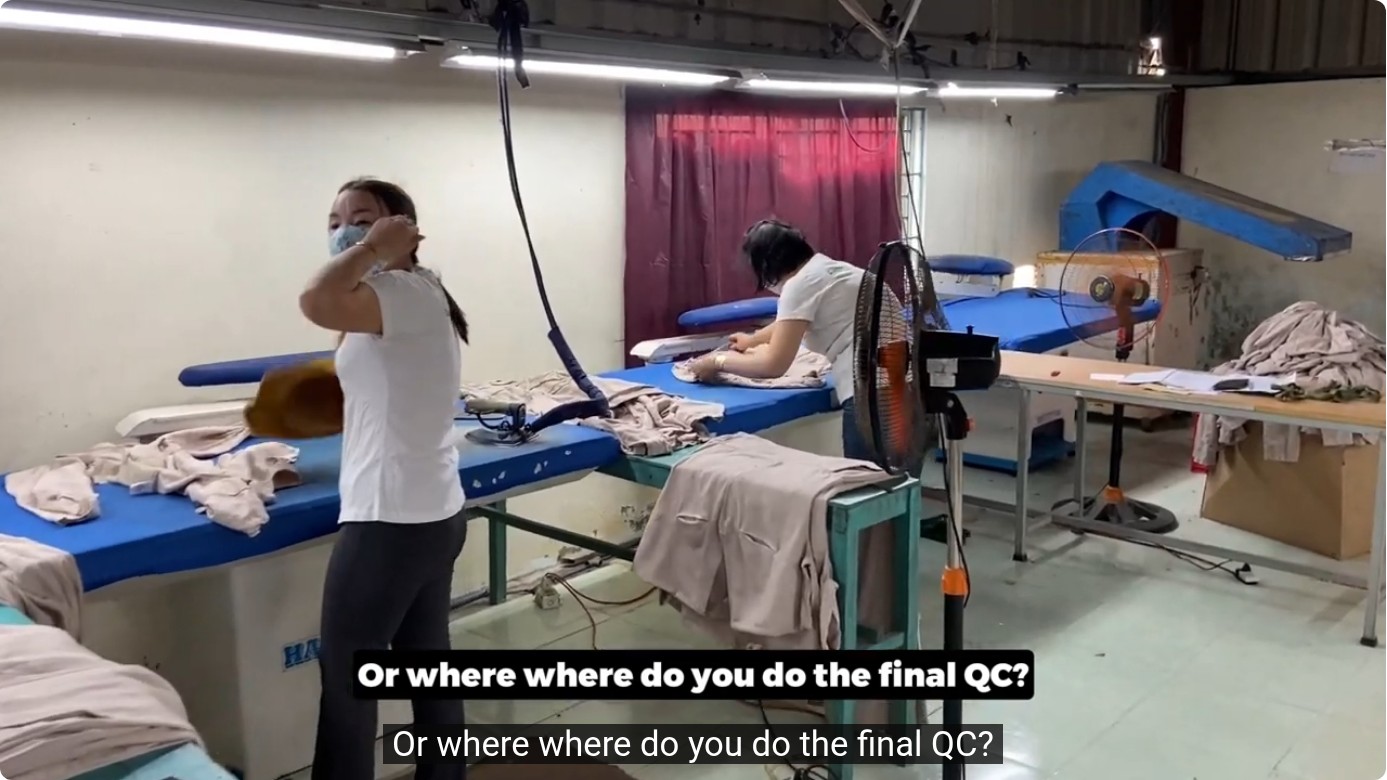
- Curing is Everything: Inadequate heat or time during curing is the #1 cause of poor durability. A reputable factory will have calibrated dryers and strict time/temperature protocols.
- Wash Practices: Turn garments inside out. Use cold water. Avoid harsh detergents and fabric softeners (which can coat and degrade the ink). Tumble dry low or line dry.
- Fabric Quality: Cheaper, loosely woven cotton will wear faster, potentially causing the print to crack.
Trade-off Alert: To achieve a super-soft feel on dark garments, some manufacturers use a halftone white underbase (a dotted pattern). This reduces ink usage and stiffness but can slightly dull the vibrancy of the color image on top. You must decide: maximum vibrancy or maximum softness?
MOQs, Costs, and Sourcing Logistics
This is where DTG fundamentally diverges from screen printing for the buyer.
- MOQs: There is no technical MOQ for DTG. You can order 1 sample, 10 pieces, or 10,000. The practical limit is the factory’s willingness to set up the job and their machine availability. For very small runs (1-50 pcs), expect a significant per-unit premium due to labor and machine setup amortization. Many factories have a nominal “small order fee” or minimum charge per garment.
- Cost Structure: Quotes are typically broken down as: Base Garment Cost + Print Fee (often per garment, sometimes based on print area/size). The print fee is higher for dark garments due to white ink usage. Always ask for the quote to separate these costs so you can shop garment blanks separately if you have a preferred supplier.
- Scaling: Economies of scale are much less dramatic with DTG than with screen printing. Going from 50 to 500 pieces will lower the unit cost, but not by 70%. The cost savings plateau relatively quickly.
What to Communicate to Your Manufacturer: A Buyer’s Checklist
To get an accurate quote and quality product, provide the following information upfront:
- Target Garment: Specify exact brand, style, color, and size breakdown. (e.g., “500x Gildan 64000 in Black, sizes S-2XL”). Provide fabric composition requirement.
- Artwork File: Submit the final, pre-flight-checked PNG file. Include a visual mockup (like a Photoshop mockup) showing placement and scale. This prevents “the print looks smaller than I imagined” disputes.
- Print Location(s): Front only? Back with small left chest logo? Full all-over print? Be explicit. All-over prints are possible but require special garment preparation and are more expensive.
- Quantity: Total per style/color.
- Special Requests: Need a hangtag, custom label, or polybag? These are usually separate add-ons. Discuss early.
Budget & Timeline: Be upfront. DTG production time is generally faster than screen printing for small runs (often 5-10 business days after proof approval), but factory schedules vary.
Conclusion: Is DTG Right for Your Custom Sportswear Project?
DTG printing is a powerful tool in the custom apparel arsenal, but it is not a universal solution. Its genius lies in enabling low-volume, high-detail, full-color customization that was previously impossible or cost-prohibitive. For a yoga brand launching a 50-piece run of intricate botanical print leggings (on a cotton-blend fabric), a sports team needing 12 custom jerseys with player names and numbers in a complex font, or a business creating personalized event tanks, DTG is likely the optimal, and possibly the only, viable method.
However, for a 500-piece order of a simple one-color logo on standard t-shirts for a corporate event, traditional screen printing will almost certainly be more cost-effective. Your role as a buyer is to align the design’s complexity, required quantity, and garment choice with the technology that delivers the best value and quality. By understanding the principles in this guide—fabric compatibility, the impact of garment color, and the importance of proper file prep—you can communicate effectively with manufacturers, set accurate expectations, and source exceptional custom sportswear.
Common Questions from Buyers
- Can DTG print on polyester performance shirts? Not effectively with standard process. You must seek out factories that offer DTG on polymer-coated synthetics or, more reliably, use sublimation printing for 100% polyester. Always request a production sample on your exact garment before committing to a full run.
- Will my DTG print crack or peel? With proper curing on a suitable fabric (high-cotton content) and with recommended home care (inside-out, cold wash, no bleach/softener), cracking is rare. Poor curing or printing on a low-cotton synthetic is the usual culprit.
- What’s the largest size I can print with DTG? It’s limited by the printer’s platen size. Common industrial platen sizes are around 18″ x 26″. For larger formats like all-over prints or big back graphics, the garment must be specially positioned and often printed in sections, which increases cost and complexity. Discuss maximum print area with your factory.
- Is DTG environmentally friendly? It uses water-based inks (often OEKO-TEX Standard 100 certified), which are less toxic than plastisol. However, the pre-treatment chemical and energy used in curing have an impact. Factories should have protocols for wastewater treatment and ink disposal.
We manufacture all the styles discussed in this guide — with custom labels, fabric options, and print or embroidery finishing. Tell us what you need.