
When you see a global brand’s logo on a performance t-shirt, it’s easy to imagine it coming from one massive factory. The reality of modern apparel manufacturing, however, is a complex, global network. For wholesale buyers, fashion brands, and sports teams sourcing custom sportswear, understanding this multi-layered production model is crucial. It impacts cost, lead time, quality control, and your own approach to OEM and ODM partnerships. This article breaks down why finished goods often involve multiple facilities and what that means for your custom apparel sourcing strategy.
Quick Summary: A single piece of finished sportswear, like a Nike Dri-FIT t-shirt, typically involves 3-7+ distinct factories or specialized facilities. These include yarn/spun yarn producers, fabric mills (knitting/weaving, dyeing/printing), trim/accessory makers, and the final cut-and-sew assembly plant. For custom orders, this network can be streamlined to 1-3 key partners, offering more control and simpler logistics for you.
The Layered Reality of a ‘Single’ Finished Garment
The question “how many factories are involved” reveals a common consumer-side assumption. A finished good isn’t conjured in one step. It’s the culmination of a vertically segmented supply chain. For a technical hoodie or a pair of cargo pants, the journey might look like this:
1. The Fabric Foundation: Yarn to Textile
Before a single stitch is sewn, the raw material must be created. This phase often involves separate, specialized entities.
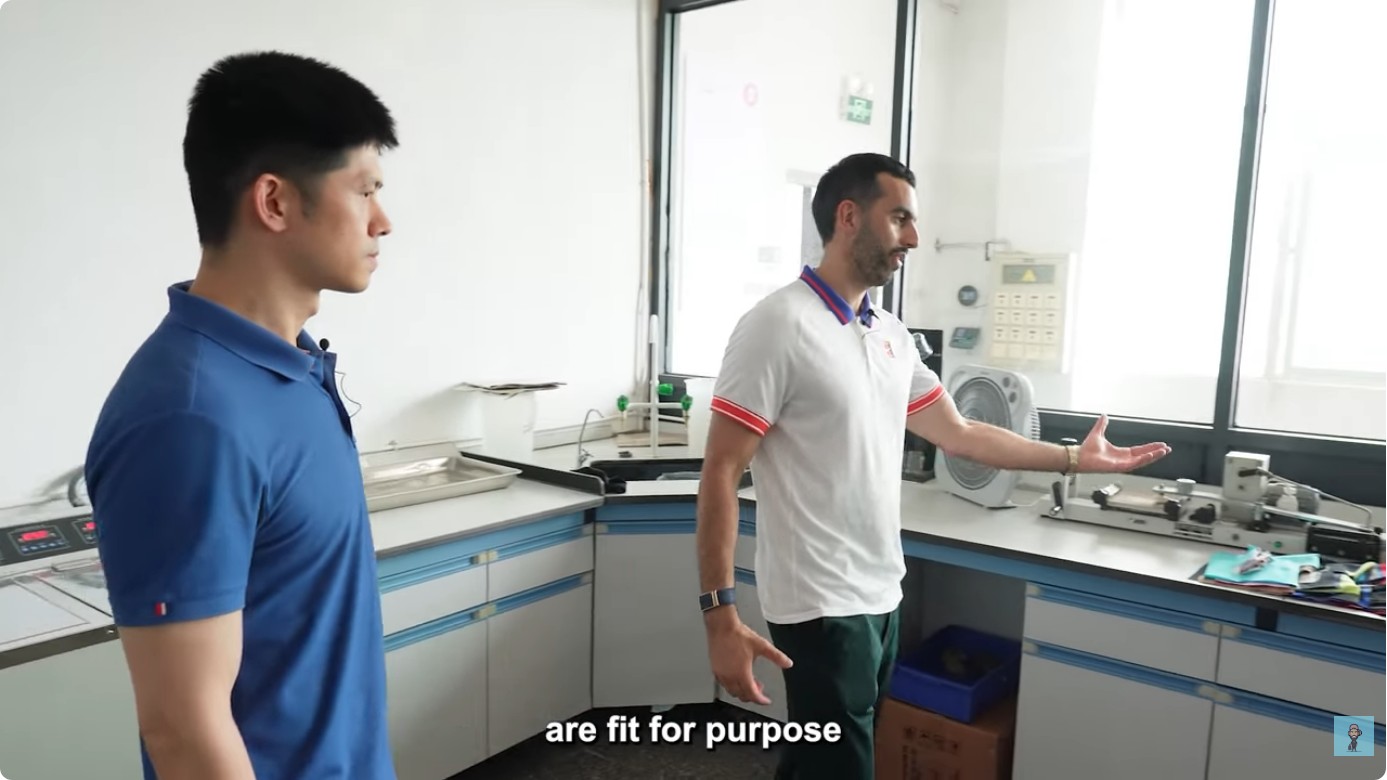
- Fiber & Yarn Production: Polyester might originate from a chemical company’s plant (e.g., processing crude oil into PET chips) and then be spun into yarn at a dedicated textile mill. For natural fibers like cotton, ginning and spinning are separate steps, frequently in different countries.
- Fabric Formation: The yarn is sent to a knitting or weaving mill. This is a distinct facility focused solely on creating the textile roll—jersey for t-shirts, French terry for sweatshirts, or ripstop for cargo pants.
- Fabric finishing: This critical, often overlooked step, usually happens at another specialized plant. It includes dyeing (which requires massive, water-intensive machinery), printing (sublimation, screen, or digital), and functional finishes like moisture-wicking treatments (e.g., Nike’s Dri-FIT) or anti-odor applications. A fabric mill might knit a white jersey, ship it to a dyehouse, then to a printer for team logos.
sourcing insight: When you request a specific fabric composition (e.g., 80% polyester, 20% rayon) or a particular finish (brushed interior, water-repellent coating), you are specifying work done at this stage. Your custom factory partner must source from these pre-qualified textile subsidiaries or vetted suppliers.
2. The Ancillary Ecosystem: Trims and Labels
No garment is complete without its supporting elements. Each is typically sourced from a different manufacturer:
- Labels & Tags: Woven labels, printed care labels, and price tickets come from specialized print shops or label makers.
- Zippers, Buttons, and Fasteners: Companies like YKK dominate this space. A hoodie’s zipper and its metal aglet are almost certainly from different factories than the main assembly.
- Elastic and Cording: For waistbands, cuffs, or drawstrings, these are produced by dedicated elastic weaving or cordage factories.
- Packaging: Poly bags, hangtags, and master cartons are sourced from packaging manufacturers.
For the custom buyer: Specifying “metal zippers” or “woven neck tape” means your factory must procure these from trusted trim suppliers. This is a key part of the Bill of Materials (BOM) you’ll approve.
3. The Final Assembly: Cut, Sew, and Finish
This is the “factory” most people picture—the cut-and-sew facility where pattern makers, textile cutters (often using computer-aided systems), and sewing line operators assemble the components into a finished, wearable product. This is where major quality control on stitching, fit, and final trim application occurs. For a complex item like a tracksuit with multiple panels, zippers, and accents, this is a significant operation. Even here, a company might use one factory for cutting and sub-contract sewing to another, though large OEMs prefer to keep it under one roof for control.
Why Do Global Brands Use a Dispersed Model?
Nike, Adidas, and others don’t use dozens of factories out of preference for complexity. They do it for strategic advantage:
- Cost Optimization: Yarn spinning, fabric dyeing, and final assembly have different cost drivers (labor, energy, water, expertise). Spreading production allows brands to source each component from the most cost-effective region. Vietnam and China excel at final assembly; Pakistan and Turkey are strong in textiles; technical finishes might be concentrated in Taiwan or Japan.
- Specialization and Scale: A factory that does only dyeing can invest in the best, most efficient, and environmentally compliant equipment for that single task. This specialization drives down cost and improves quality for that specific process.
- Risk Mitigation: Relying on a single factory for everything is a massive single point of failure. Diversification across geographies and suppliers protects against natural disasters, political instability, or labor disputes that could halt an entire product line.
- Intellectual Property & Capacity: Keeping proprietary fabric technology (like Nike’s Flyknit) in-house or with a sole, trusted partner protects IP. Final assembly is then scaled across many contract manufacturers to meet global demand.
What This Means for Your Custom Sportswear Order
For a brand ordering 500 custom hoodies or a gym ordering team tracksuits, the multi-factory world is a practical consideration. Here’s how the model shifts for custom production:
| Aspect | Global Brand (e.g., Nike) | Your Custom Order (OEM/ODM) |
|---|---|---|
| Number of Key Facilities | Often 5+ across multiple countries for a single product style. | Typically 1-3. Your primary factory manages fabric sourcing (from their network) and final assembly. |
| Your Point of Contact | A brand’s global sourcing office, which coordinates dozens of suppliers. | A single project manager at your chosen OEM/ODM partner. |
| Logistics Complexity | Extremely high. Managing inbound fabric shipments from various origins to assembly plants. | Greatly simplified. Fabric and trims are consolidated and shipped to one final factory. |
| Quality Control | Multi-tiered: audits at fabric mills, lab testing for finishes, final inspection at assembly. | Streamlined. Your partner is responsible for QC at their source fabric suppliers and in their assembly line. |
| Minimum Order Quantity (MOQ) | Massive (often tens of thousands of units per style) to justify multi-factory coordination. | Lower (can be 100-500 units), as the factory uses their existing supplier relationships for smaller batches. |
The value of a good OEM partner is that they are your single point of access to this fragmented world. They have pre-qualified fabric suppliers, trim vendors, and their own (or trusted partner) assembly capacity. You don’t need to contract a dyehouse in Pakistan and a knitting mill in Turkey separately; your factory does that for you, bundling everything into one finished goods shipment.
Also read: The Complete Guide to Sourcing Custom Golf Apparel for Brands and Buyers
Key Decision Points for a Custom Buyer
When evaluating manufacturers for your custom activewear, ask questions that reveal their position within this supply chain:
- “Do you weave/knit and dye your own fabrics, or do you source from dedicated mills?” Most custom factories source, but knowing their key fabric partners (and if they have long-term relationships) is vital for consistency.
- “Can you provide lab test reports for the fabric finishes you offer (e.g., moisture-wicking, UPF)?” This tests if they have a rigorous process for validating the claims of their textile suppliers. Reliable factories will have standard test reports from labs like AATCC or Intertek.
- “Where are your main fabric mills and trim suppliers located?” Geographic concentration can impact shipping costs and times to your market. Factories with mills in the same region (e.g., a factory in Vietnam sourcing fabric from Taiwanese mills) often have smoother logistics.
- “What is your process if a fabric shipment fails quality inspection?” A robust answer indicates they have contingency plans and strong supplier accountability, protecting your order timeline.
A critical caveat: The “single factory” model for custom orders has a tradeoff. While simpler for you, it may not offer the absolute lowest per-unit cost possible for a massive, multi-million unit order. For those volumes, a brand might indeed build a dedicated, multi-factory supply chain from scratch. For most custom orders—from 100 to 50,000 units—the bundled OEM model is the most efficient and controllable path.
Common Questions from Custom Apparel Buyers
Q: Does using fewer factories mean lower quality?
A: Not necessarily. A dedicated OEM with strong, long-term relationships with a few high-quality fabric and trim suppliers can exert tremendous control and ensure consistency. The risk is if that OEM has a weak supplier network. Always request fabric and trim samples before approving a bulk production order.
Q: How does this affect my sample approval process?
A: You should approve a “counter-sample” or “approval sample” made from the exact fabric and trims intended for bulk. This sample is typically made in the final assembly factory, but it should be constructed from the same fabric bolt and with the same zippers/buttons that will be used in production. This closes the loop on the multi-factory chain.
Q: If I want a unique, custom-woven fabric, does that change everything?
A: Yes. Developing a proprietary textile from yarn to finished cloth is a separate, large-scale project. For most custom orders, buyers select from the OEM’s existing library of fabric constructions, compositions, and finishes. Discuss your technical requirements (e.g., specific weight, stretch, moisture management) with your factory to see what they already offer.
Planning to add these styles to your collection? We produce custom versions with your branding, fabric choice, and sizing — from sample to bulk. Contact our team for details.
Further Considerations for Your Sourcing Strategy
Remember, the “number of factories” is less important than the strength and transparency of the connections between them. Your ideal manufacturing partner is an experienced integrator who manages this complexity seamlessly. They absorb the logistical burden, letting you focus on design, branding, and market fit. When you request a quote for custom hoodies or tracksuits, you are not just paying for sewing labor; you are paying for the orchestration of this entire, global network of specialized production.
[…] up many because the brands share mall spaces and parent ownership. As we covered in our analysis of modern sportswear supply chains, Gap Factory runs a separate sourcing and inventory pool—its SKUs carry a ‘GF’ prefix […]