
When you hear “different shirt styles,” it might evoke images of a retail rack or a personal wardrobe. But for a brand, gym, or team sourcing custom apparel, that phrase frames a critical supply chain decision. The style you choose dictates the fabric requirements, manufacturing complexity, cost structure, and ultimately, how your end-user perceives your brand. This guide bridges the gap between aesthetic choice and production reality, breaking down core shirt categories to inform your next custom order.
We’ll move beyond basic names to explore construction details, performance implications, and the key specifications you must communicate to your manufacturer to get the exact garment you envision—and at the right price point.
The Core Categories: Foundation Styles for Custom Orders
At the manufacturing level, shirt styles are primarily defined by their silhouette (fit), neckline, sleeve length, and fabric knit structure. These elements combine to create the fundamental garments we source. Understanding these building blocks allows you to describe precisely what you need to a factory.
T-Shirts: The Workhorse of Custom Apparel
The classic t-shirt is the most common custom item, but it’s far from monolithic. The primary differentiators are fit, fabric weight, and neckline.

- Fit: Regular/Classic (standard roominess), Fitted/Slim (tapered, closer to body), Oversized (deliberately loose, requires specific pattern grading). For custom production, providing a detailed size spec sheet is non-negotiable. A “slim fit” in one brand’s pattern may be another’s “regular fit.”
- Fabric Weight (GSM): Measured in grams per square meter. Lightweight (120-150 GSM) is soft and drapey but less durable, common in fashion. Mid-weight (160-180 GSM) is the versatile sweet spot for most branding. Heavyweight (190+ GSM) is dense, durable, and premium-feeling but costs more in material and shipping. Your choice impacts hand feel, opacity, and longevity.
- Neckline: Crewneck (round, universal). V-Neck (pointed, can be shallow or deep). Scoop Neck (wide, U-shaped, common in women’s styles). Note that V-necks require precise ribbing attachment and can be more prone to stretching if the rib quality is poor.
Production Note: For t-shirts, the two main knit structures are Jersey (smooth face, single knit, most common) and Interlock (double-knit, reversible, firmer, more stable, and typically more expensive). Interlock is less prone to twisting and curling at the hem.
Polo Shirts: The Professional Casual Staple
Polo shirts introduce a collar and a placket, adding manufacturing steps and cost. Key considerations for custom polos:
- Collar Type: Two-button (standard) vs. three-button. The collar is typically a separate piece (cut & sewn) or a fully knitted piqu collar. Knitted collars are more expensive but lay flatter and are less prone to curling.
- Fabric: Almost exclusively piqué knit (textured, breathable) or jersey knit (smoother, often cheaper). Moisture-wicking and OEKO-TEX® certified fabrics are common requests for corporate and team polos.
- Placket & Buttons: The placket (the strip of fabric with buttonholes) can be separate or integrated. Button quality (e.g., mother-of-pelook, plastic, horn) and sewing security are critical quality markers. Request samples to test button durability after several washes.
Tank Tops & Sleeveless Styles
Defined by armhole finish and neckline. For custom production, armhole binding is the key quality checkpoint.
- Armhole Finish: Self-fabric binding (using the same fabric, clean look but can pucker if not sewn well) vs. ribbed binding (more stretch, common in athletic tanks). Rib binding requires precise alignment to avoid twisting.
- Back Style: Racerback (strap between shoulder blades, popular for fitness), strappy, wide back, or full back. Strappy backs often require additional pattern pieces and careful strap width specification to meet modesty and branding needs.
- Use Case: Athletic tanks often use performance moisture-wicking fabrics with four-way stretch. Fashion tanks may use slub cotton, modal blends, or lace detailing, which impacts fabric sourcing minimums.
Beyond the Basics: Specialty & Performance Styles
For brands targeting specific markets, understanding these styles is crucial for communicating functional requirements to your OEM/ODM partner.
Long Sleeve & Thermal Shirts
Long sleeves add cost through fabric and sleeve assembly. The distinction between a basic long sleeve tee and a thermal/henley is important:
- Basic Long Sleeve: Essentially a short-sleeve tee pattern with longer sleeves. Simple and cost-effective.
- Thermal ( waffle knit): Features a distinctive honeycomb texture. This is a specific fabric construction, not just a style. It’s more insulating and has a vintage aesthetic. Must be specified clearly, as “thermal” can be misinterpreted as just a heavier knit.
- Henley: A collarless pullover with a buttoned placket (usually 3-5 buttons). Can be made from jersey, thermal, or other knits. The placket adds labor.
Raglan & Baseball Tees
Defined by sleeve construction. The raglan sleeve has a diagonal seam running from the collar to the underarm, creating a “baseball” look.
- Pattern Complexity: Raglan sleeves require a different pattern block than set-in sleeves (where the sleeve is sewn into a horizontal armhole seam). This increases pattern making and cutting costs.
- Contrast Sleeves: Often used for team colors or visual interest. This requires separate fabric purchases and careful color matching between main body and sleeve panels, which can affect MOQs per color.
- Use: Popular for sports teams, vintage-inspired brands, and casual wear. The seam can reduce mobility slightly compared to a set-in sleeve if not cut with enough ease.
Performance & Athletic-Specific Cuts
For activewear brands and gyms, style is subordinate to function. Key terms to know:
Helpful tip: A Buyer’s Guide to Different Hoodie Styles for Custom Sportswear
- Muscle Tee/Compression Fit: Very tight, often made from heavy-spandex blends. Requires precise size charts and usually a higher spandex content (e.g., 15-20%). Trade-off: Maximum muscle support but less forgiving on fit variations.
- Drop-Tail/Curved Hem: A longer back hem, common in athletic tees to stay tucked during movement. Pattern must include this specific hem shape.
- Mesh & Panel Construction: Styles incorporating mesh panels for ventilation. This is a complex assembly process involving different fabric types and edge sealing (often with coverstitch or tape) to prevent fraying.
The Critical Sourcing & Production Checklist
Choosing a style is just the first step. Translating that choice into a manufactured product requires clear communication. Here is what you must provide to your factory to get an accurate quote and sample.
| What to Specify | Why It Matters for Production | Common Pitfall to Avoid |
|---|---|---|
| Fabric Composition & GSM | Dictates cost, hand feel, performance, and shrinkage. E.g., “100% Cotton, 180GSM Jersey” vs. “60% Cotton/40% Polyester, 160GSM Performance Knit.” | Using vague terms like “premium cotton” or “lightweight.” Always use standardized textile terminology. |
| Target Fit & Size Specs | Patterns are built from measurements. Provide a spec sheet with chest width, body length, sleeve length for each size. | Assuming the factory’s “medium” matches your sample or competitor’s. You must define it. |
| Trim Details | Specify rib knit type (1×1, 2×2), hem type (double-needle coverstitch), label type (woven, printed, tearaway), and button/zipper quality. | Not approving trim samples separately. Low-quality rib or labels can ruin an otherwise great garment. |
| Color & Print/Embroidery Placement | Provide PANTONE® codes or physical fabric swatches. For prints, a placement mock-up is essential. Embroidery requires a “punch file” and thread color specs. | Sending a low-resolution logo. This causes production delays and poor results. Vector files (AI, EPS, SVG) are required for most decoration. |
| Order Volumes & Timeline | MOQs vary by style and fabric. Basic jersey tees may have lower MOQs (e.g., 500 pcs/style/color) vs. complex performance wear with special fabrics (often 1000+). | Not asking about fabric sourcing lead times. A style using a custom-dyed, sustainable fabric may have a 12-week lead time vs. 6 weeks for stock-color cotton. |
Making the Decision: Style vs. Cost vs. Function
There is no “best” shirt style, only the best one for your specific business case. Use this framework for your next sourcing decision:
- For High-Volume, Low-Cost Branding (e.g., event giveaways): Prioritize simple styles (basic crewneck t-shirt, standard polo) in mid-weight jersey with standard trim. This minimizes pattern and assembly costs. Focus negotiation on fabric price and print costs.
- For Premium Fashion or Retail: Invest in fabric quality (slub cotton, linen blends, heavier GSM), finer details (twill tape neck tape, branded buttons), and potentially more complex fits like oversized or cropped. These details communicate value.
- For Performance Athletic Wear: Function is king. Specify technical fabrics with four-way stretch, moisture-wicking, and anti-odor treatments. Styles should allow full range of motion (e.g., raglan sleeves, gusseted underarms). Be prepared for higher MOQs and cost per unit.
- For Sports Teams & Gym Uniforms: Balance durability and team identity. Heavier fabrics withstand frequent washing. Contrast sleeves, color-blocking, and easy-to-read numbering/placement for customization are key. Confirm colorfastness for sublimation prints if using polyester.
The Sample is Your Bible
Never proceed to bulk without approving a pre-production (PP) sample. This is a non-negotiable step for custom apparel. The sample verifies:
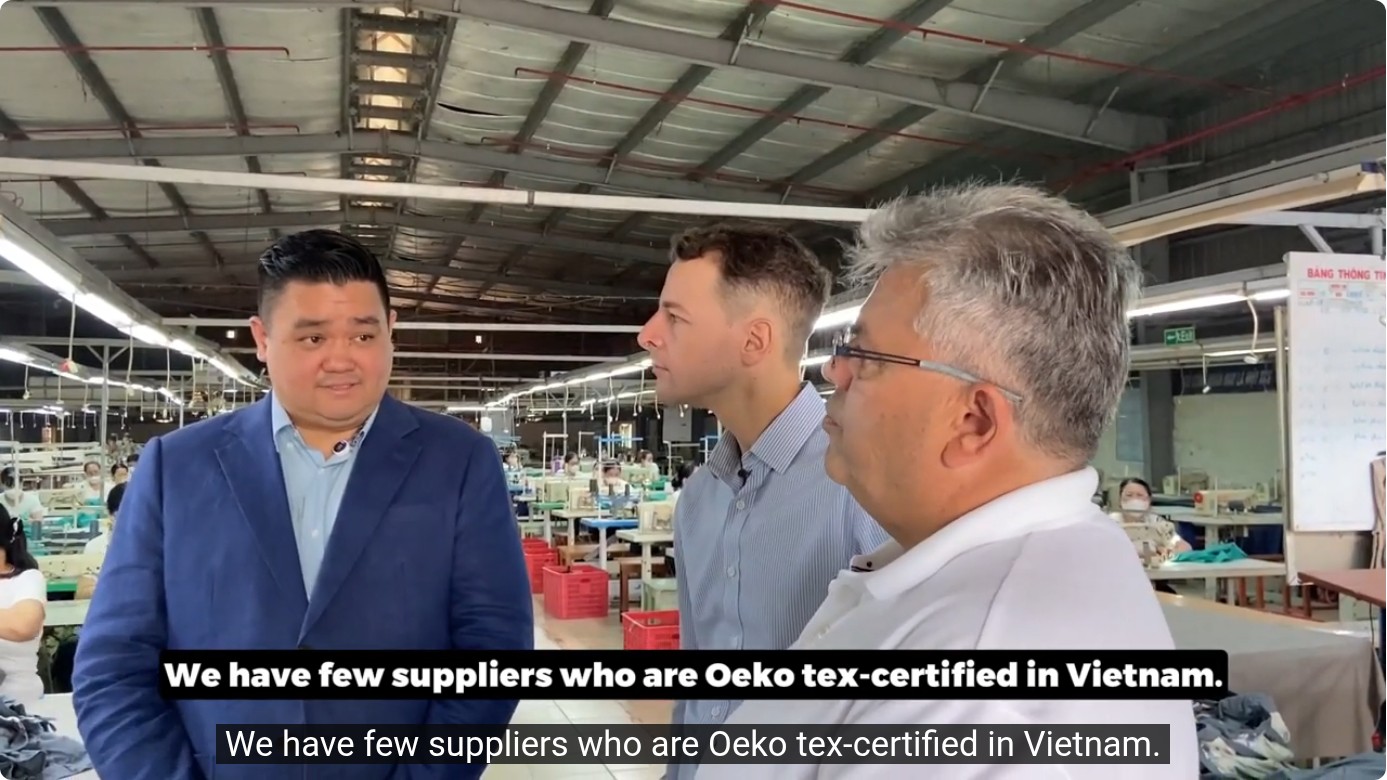
- Fabric hand feel, weight, and color accuracy.
- Pattern grading—does the XL fit as intended, or is the sleeve too long?
- Trim quality and attachment.
- Placement and quality of your custom branding (print, embroidery, woven label).
Discrepancies between sample and bulk are a primary source of disputes. Treat the sample approval as the final, binding specification.
Final Considerations Before You Source
As you finalize your style selection, ask yourself and your potential manufacturing partner these questions:
- Fabric Sourcing: Does the factory stock the fabric type you need, or will they need to source/mill it? This is the single biggest variable in lead time and MOQ.
- Minimum Order Quantities (MOQs): Is the MOQ per style, per color, or per fabric? Can you negotiate lower MOQs by consolidating colors or using a stock fabric the factory already carries?
- Production Capacity: Does the factory specialize in your style category? A factory excelling in cheap basic tees may lack the machinery or expertise for intricate performance wear with bonded seams.
- Quality Control: What is their process for inspecting seams, print registration, and fabric consistency? Request to see their QC checklist.
- Customization Compatibility: Not all styles work with all decoration methods. For example, heavy-textured fabrics (like thermal) can make fine embroidery details pop poorly. A very stretchy fabric can distort prints. Ask your decorator (or factory if they handle decoration) for guidance on style/decoration pairings.
Selecting the right shirt style is the foundational step in a successful custom apparel project. It aligns your creative vision with production feasibility, cost targets, and end-user satisfaction. By speaking the language of construction and providing precise specifications, you set the stage for a smooth manufacturing process and a final product that truly represents your brand.
Ready to Bring Your Style to Life?
Now that you understand the nuances of different shirt constructions and what drives production decisions, you can approach your custom order with clarity. Whether you’re launching a new athleisure line, outfitting a corporate team, or supplying a gym, the right style paired with the right factory makes all the difference.
Planning to add these styles to your collection? We produce custom versions with your branding, fabric choice, and sizing — from sample to bulk. Contact our team for details.