
In the world of performance and lifestyle apparel, the “loose long sleeve” has evolved from a basic layering piece into a deliberate style statement with significant commercial potential. For brands, gyms, and teams, it represents a versatile canvas that balances comfort, movement, and aesthetic flexibility. Understanding its nuances—from the cut of the sleeve to the weight of the fabric—is crucial for making informed custom manufacturing decisions that align with your target market’s expectations.
This guide breaks down the loose long sleeve from a product development and sourcing perspective. We’ll define what makes this style distinct, explore its key applications across different markets, and then dive into the critical customization and production considerations that will determine your project’s success, cost, and quality.
Defining the Style: What is a ‘Loose Long Sleeve’?
While the term seems straightforward, “loose long sleeve” encompasses a spectrum of fits and constructions. At its core, it describes a garment with sleeves that are not form-fitting, offering enhanced range of motion and a relaxed silhouette. This is achieved through specific patternmaking techniques that add ease through the armhole, bicep, and forearm.
Related guide: Best Kagune in Ghoul Re: Tier List, Playstyle Guide & Acquisition Tips
Key characteristics typically include:
- Drop Shoulder or Extended Shoulder Seam: The shoulder seam falls off the natural shoulder point, creating a wider, more relaxed upper body profile. This is a hallmark of the style.
- Generous Sleeve Head: The top of the sleeve (the cap) is cut larger, providing ample room through the armpit and bicep without pulling.
- Tapered or Straight Cut: The sleeve may taper slightly from bicep to wrist or maintain a consistent wide width. The choice affects the overall vibe—tapered can look more modern and athletic, while a straight cut leans into a classic, oversized streetwear look.
- Fabric Drape: The chosen fabric’s weight and structure dramatically influence how the looseness is perceived. A heavy fleece will hold its relaxed shape, while a lightweight nylon will flow and move differently.
It’s distinct from a “regular fit” long sleeve, which has defined shoulder seams and minimal ease, and from an “athletic fit,” which is trimmer through the body with a shorter sleeve for performance. The loose long sleeve prioritizes comfort and a non-restrictive feel above all.
Typical Fabric Choices & Their Impact
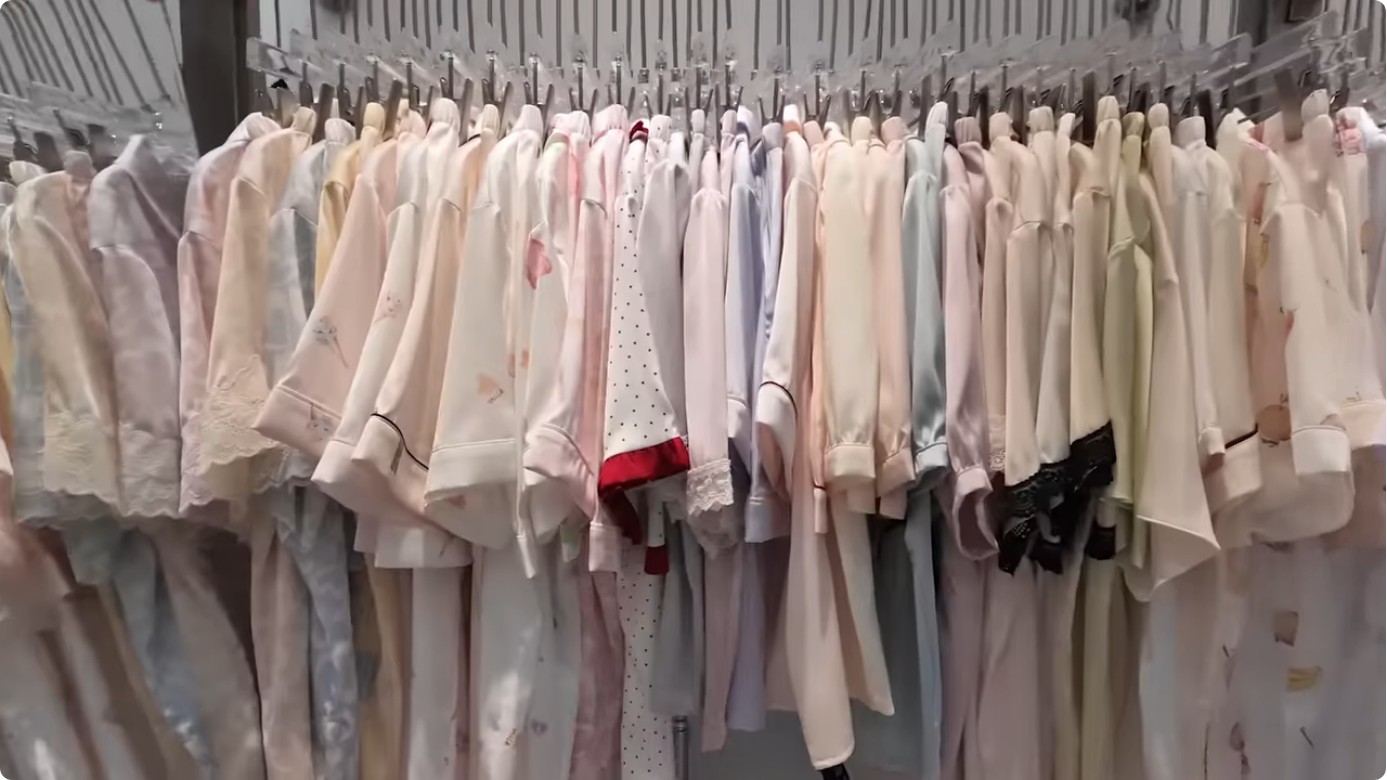
The fabric is not just a material; it’s a primary driver of the garment’s function, feel, and cost. For loose long sleeves, common fabric categories include:
| Fabric Type | Common Weights | Key Properties & Best Use | Production Notes |
|---|---|---|---|
| Cotton Jersey (e.g., 180-220 GSM) | Light to Medium | Soft, breathable, classic feel. Ideal for casual streetwear, basic layering, and team practice gear where breathability is key. | Prone to shrinkage; pre-washed fabrics are recommended for consistency. Cost-effective for high MOQs. |
| French Terry / Fleece (e.g., 280-350 GSM) | Medium to Heavy | Looped interior (French Terry) or brushed (fleece) provides warmth and texture. Perfect for cooler weather, premium loungewear, and upgraded team warm-ups. | Heavier weights increase shipping costs. Brushed fabrics can be more susceptible to pilling; quality of yarn and brushing process matters. |
| Performance Knits (e.g., Polyester Spandex Blend) | Light to Medium | Moisture-wicking, quick-drying, often with 4-way stretch. Essential for activewear, training, and sports where sweat management is critical. | Requires specific knitting machines. Dyeing can be more complex; color matching on synthetics differs from cotton. AATCC provides standards for testing performance claims. |
| Rib Knit | Medium | Highly elastic, retains shape well, textured vertical lines. Used for cuffs, necks, and sometimes entire sleeves for a retro athletic look. | Rib is more expensive than flatknit. Sourcing consistent rib quality and elasticity is crucial for fit retention. |
Primary Markets & Usage Contexts
The loose long sleeve’s appeal spans diverse customer bases, each with different expectations:
1. Fitness & Gym Culture
Here, function is paramount. Members and athletes wear loose long sleeves for:
- Warm-ups & Cool-downs: Lightweight, breathable fabrics that allow full range of motion during dynamic stretches.
- Training Sessions: For weightlifting or CrossFit, a slightly heavier, durable fabric with some stretch (e.g., poly-cotton blend) provides protection and comfort.
- Branding & Community: Gyms and fitness brands use these as a primary vehicle for logos and slogans. The large sleeve surface area is prime real estate for embroidery or print.
Sourcing Implication: Prioritize moisture-wicking performance and durability at stress points (underarms, seams). A slightly shorter sleeve length may be preferred to avoid interference with grip during lifts.
2. Streetwear & Fashion Brands
The oversized, dropped-shoulder silhouette is a dominant trend. Here, aesthetic and fabric novelty drive sales.
- Statement Pieces: Bold colors, unique garment dyes, heavyweight fabrics (400+ GSM fleece), and exaggerated proportions are popular.
- Texture & Drape: Fabrics with special finishes—crushed, slub, or garment-dyed—create a distinct, premium look and feel.
- Logo Placement: Subtle embroidery on the sleeve cuff or a large graphic across the chest/back is common. The sleeve itself is often part of the design narrative.
Sourcing Implication: Fabric novelty and feel are the top priorities. MOQs may be lower for fashion drops, so finding a manufacturer flexible with smaller batch production is key. Fit consistency across different fabrics becomes a major challenge.
3. Sports Teams & School Spirit
For team warm-ups, fan apparel, or intramural gear, the loose long sleeve offers comfort and clear branding opportunities.
- Uniformity & Comfort: A consistent, forgiving fit that accommodates all body types on a roster is essential.
- Durability: Gear will see frequent wear and washing, so reinforced seams and colorfast fabrics are non-negotiable.
- Clear Branding: Large team logos, player names, and numbers are often placed on the back, chest, and sleeve.
Sourcing Implication: Cost efficiency and durability lead the decision. Medium-weight poly-cotton blends are a workhorse choice. Simpler construction (e.g., set-in sleeves vs. raglan) can reduce cost and increase production speed.
Helpful tip: The Justin Bieber Hat and Hoodie Style: A Custom Manufacturing Guide for Brands
Custom Manufacturing: Key Decisions & Trade-offs
When moving from concept to production, every choice involves a trade-off between cost, quality, and feasibility. Here is a strategic framework for your sourcing conversations.
1. Fit & Pattern Engineering
A “loose” fit is subjective. Successful custom manufacturing requires precise communication.
- Provide a Reference Garment: The best practice is to send a physical sample (a “counter sample”) to your manufacturer that exemplifies the exact looseness you want. Describe the ease measurements: how many inches of additional room at the bicep compared to the body chest measurement?
- Understand Pattern Adjustments: Ask your manufacturer how they achieve the loose sleeve. Is it through a larger sleeve cap height, a wider sleeve width, or both? A poorly executed loose sleeve can create excess fabric bunched at the underarm.
- Size Set Consistency: Scaling a loose pattern up and down across a full size range (XS-4XL) is a skilled task. Ensure the manufacturer has experience with extended sizing to avoid a fit where the “looseness” disappears on smaller sizes or becomes a tent on larger ones.
2. Fabric Selection: The Core Decision
Your choice here locks in the garment’s performance, look, and cost structure.
- Performance vs. Comfort: A 100% cotton jersey is soft but absorbs sweat. A polyester-spandex blend wicks sweat but can feel less natural. Blends (e.g., 60/40 cotton/poly) try to balance both.
- Weight Matters: A 150 GSM cotton will be sheer and flimsy when loose. A 320 GSM fleece will be substantial and warm. Match weight to intended use (see table above).
- Minimum Order Quantity (MOQ) Impact: Unique or novelty fabrics often have higher MOQs from the textile mill. Standard, in-stock fabrics from your manufacturer’s library will have the lowest MOQs. This is often the first lever to pull to reduce your initial order size.
3. Decoration: Print vs. Embroidery on Loose Fabrics
The loose fit and fabric choice directly impact decoration quality and cost.
| Method | Best For | Considerations on Loose Styles | Typical MOQ Impact |
|---|---|---|---|
| Screen Printing | Large, bold graphics; high-volume orders | Works well on flat areas (chest, back). Sleeve curvature is not an issue. Fabric stretch can affect print feel on performance knits. | Low per-unit cost at volume. Setup fees per color. |
| Embroidery | Logos, small- to medium-sized designs; premium look | The fabric stability under the needle is critical. Loose, stretchy, or thin fabrics can pucker or distort. Require a heavy-duty stabilizer, which can feel stiff against the skin. Best placed on denser areas like the sleeve cuff or chest, not on the loose, draped part of the sleeve. | Higher per-unit cost. No setup fee, but cost is stitch-count based. |
| Direct-to-Garment (DTG) | Full-color, photo-realistic designs; small batches | Excellent for detailed art. Requires the garment to be stretched flat on a platen, which can temporarily flatten the loose fit. Best on 100% cotton or high-cotton blends. | No setup fee. Cost per piece is higher than screen printing at scale. |
4. Construction Details That Signal Quality
For a buyer evaluating samples, these details separate commodity product from a durable, premium garment:
- Seam Type: Double-needle stitched seams are stronger and flatter than single-needle. Flatlock seams reduce bulk and chafing in high-movement areas like the underarm.
- Cuffs & Hem: A ribbed cuff with high elastane content (e.g., 10-15%) will hold its shape and provide a secure, comfortable fit. A simple turned-and-stitched hem on a loose sleeve can look cheap and fray easily.
- Reinforcements: Bar tacks at stress points like the underarm seam junction add significant durability for athletic use.
Pre-Sourcing Checklist: Questions to Ask Your Manufacturer
Before committing to a sample or order, verify these points to avoid costly surprises.
- Fit Development: Do you offer fit sampling on my specific fabric choice? Is there a fee for this?
- Fabric Library: Can you provide fabric swatches of your in-stock loose-fit options? What are the exact compositions and GSM?
- Minimums: What is the MOQ for a custom style with a new pattern? Does it drop if we use your stock fabric?
- Decoration Testing: Can you provide a sample of my logo/design embroidered/printed on the exact fabric I select to test for puckering, cracking, or stiffness?
- Sizing: Do you have a graded size spec sheet for your standard loose long sleeve pattern? How does ease change from XS to 3XL?
- Lead Time: What is the total lead time from approved fabric and artwork to shipment? Does this include sampling time?
Common Buyer Questions
Q: Can I get a loose long sleeve in a performance fabric but with a casual, streetwear look?
A: Absolutely. This is a very popular crossover. Look for mid-weight performance knits with a brushed or peached finish that softens the synthetic hand. The key is in the fabric selection and garment dyeing process, which can mute the technical look.
Q: Is a loose fit harder to size for a team with diverse body types?
A: Yes, it can be. A standard athletic fit is more forgiving across size ranges because it’s based on body measurements. A deliberately loose style requires more careful pattern grading. Always request the manufacturer’s size chart and, if possible, grade spread data (the measurement difference between sizes) to ensure the “looseness” is proportional.
Q: What’s the biggest mistake brands make when designing a loose long sleeve?
A: Neglecting the fabric’s role. A pattern designed for a heavy cotton fleece will look and fit completely differently when cut from a lightweight, drapey polyester. You must develop the fit on the final intended fabric. Designing on a cheap muslin or different fabric leads to a garment that doesn’t match the sample.
We manufacture all the styles discussed in this guide — with custom labels, fabric options, and print or embroidery finishing. Tell us what you need.
You may also like: Knit Terry Cloth: A Practical Guide to Structure, Performance, and Sourcing