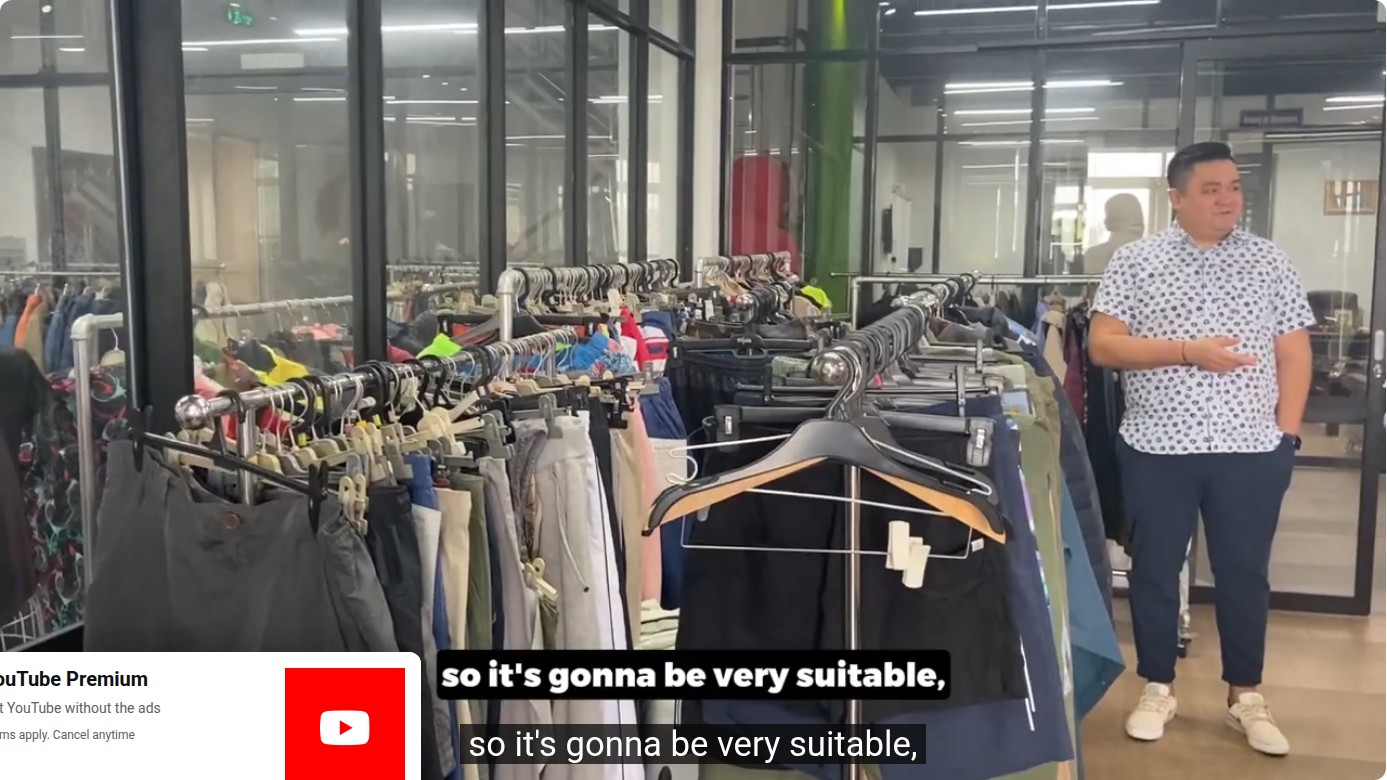
When brands or retailers search for “shops similar to American Eagle,” they’re often looking for more than just a list of retail competitors. They’re identifying a specific aesthetic: casual, versatile, American-inspired basics with a focus on comfort, modern fits, and a youthful, accessible vibe. This translates to a core product category of high-quality t-shirts, hoodies, sweatshirts, jeans, and casual pants designed for everyday wear. For a B2B buyer, understanding this aesthetic in manufacturing terms is the first step toward sourcing or creating your own version. This guide breaks down the tangible elements of that style—from fabric construction to fit engineering—and provides a practical framework for initiating custom production with a factory.
Whether you’re a fashion brand building a private label, a gym outfitting members, or a retailer curating a basics line, the goal is consistent: achieve that perfect balance of relaxed comfort and put-together style at a scale and cost that makes sense for your business. This requires moving beyond mood boards to a clear specification of materials, construction, and quality markers. The following sections will deconstruct the “American Eagle look” into producible components and outline the critical conversations to have with your manufacturing partner.
What Matters Most When Sourcing This Style
Before diving into details, prioritize these three pillars. Your ability to communicate clearly on these points will dictate the success of your custom order:
- Fit & Silhouette: This is non-negotiable. The “modern relaxed” or “athletic fit” is a specific pattern engineering challenge. It’s not just about size; it’s about drape, shoulder drop, sleeve length, and torso taper. Consistency across sizes and production runs is paramount.
- Fabric Handfeel & Performance: The perceived quality is tied directly to the textile. Is it a soft, brushed fleece? A substantial, durable jersey? A lightweight, breathable poplin? The fabric’s weight (GSM), composition (cotton/poly blends), and finishing (garment-dyed, sanforized) define the product’s feel and longevity.
- Construction Details: This is where mass-market separates itself from premium. Look at the stitching: double-needle hems, bar-tacked stress points, covered seams in key areas. The quality of the rib at cuffs and waistbands, the type of zipper, and the label application all signal intended quality and price point.
Deconstructing the “American Eagle” Aesthetic for Manufacturing
This retail style is built on a foundation of classic American casualwear. To replicate it, you must specify its key attributes.
1. Signature Fits and Silhouettes
The brand is known for a range of fits that cater to different body types and preferences, all leaning casual. For custom production, you need to translate these into pattern specs.

- Relaxed/Vintage Fit T-shirts: Characterized by a looser cut through the body and sleeves, often with a slightly dropped shoulder. The pattern has more ease (extra fabric allowance) than a standard fit. Key measurement points are chest width, body length, and sleeve depth.
- Modern/Classic Fit Hoodies & Sweatshirts: This is a tailored casual fit. It’s not oversized but not tight. It offers room for movement while maintaining a clean silhouette. Critical specs include the raglan sleeve cut (for a classic athletic look) and the hood profile (two-piece vs. three-piece construction).
- Straight-Leg & Cargo Pants: Typically a mid-rise, straight leg from hip to ankle with a slight taper. For cargos, the pocket placement, stitch density on the pocket bags, and the weight of the canvas or twill are key differentiators.
Sourcing Implication: You must provide your factory with a detailed fit spec sheet, not just a sample garment. This sheet should list all finished measurements for each size (S-XXL), including critical points like “pit-to-pit,” “body length from HPS,” and “sleeve length.” Factories with strong pattern-making departments can develop these from a sample, but providing your own ensures consistency.
2. Core Fabric Categories and Their Trade-offs
The fabric is the canvas. Here’s a breakdown of common fabrics used in this category and what they mean for your order.
| Fabric Type | Common Use | Key Characteristics & Cost Factors | Production Notes |
|---|---|---|---|
| Cotton Jersey (Ring-Spun, Combed) | T-shirts, tank tops | Soft handfeel, good drape. Ring-spun is smoother and stronger than open-end. Combed cotton is even softer and more uniform. Higher cost with premium processing. | Shrinks more than blends. Pre-shrinking (sanforizing) is critical for size consistency. Garment-dyeing is common for a vintage, faded look but requires special care to avoid cross-dyeing. |
| Cotton/Poly Fleece (Brushed) | Hoodies, crewnecks, sweatpants | Warm, soft interior (brushed). Polyester adds durability, shrink resistance, and reduces wrinkling. 80/20 cotton/poly is a common mid-range blend; 100% cotton is premium. | Weight (GSM) is key: 280-320 GSM is standard for hoodies. Double-needle stitching on all seams is essential to prevent popping under fleece’s bulk. Fabric must be pre-shrunk. |
| Canvas/Twill (for Pants) | Cargo pants, jeans, chinos | Durable, structured. Weight (oz/sq yd) determines stiffness. Pre-washed or enzyme-washed versions are softer. | Heavy fabrics require robust sewing machines (e.g., post bed or cylinder arm). Seam puckering is a risk if tension is not perfectly adjusted. Stone washing or distressing adds significant cost and lead time. |
| Performance Knits (Moisture-Wicking) | Athletic tanks, joggers | Polyester-based with technical finishes. Quick-dry, often with 4-way stretch. Higher functionality, higher cost. | Moisture-wicking treatment can fade with repeated washing. Requires precise heat pressing for logos to avoid melting fibers. OEKO-TEX Standard 100 certification is often requested for performance wear to ensure chemical safety. |
When reviewing fabric swatches from a factory, assess not just look but handfeel (is it stiff or soft?), weight (hold it, does it feel substantial or flimsy?), and recovery (stretch it, does it snap back?).
3. Color Palette and Dyeing Methods
American Eagle utilizes a broad, seasonal palette of basics (heather grey, navy, black) plus trendy seasonal colors. The dyeing method impacts both look and cost.
- Piece-Dyed: Fabric is dyed before cutting. Best for solid, uniform colors. Most cost-effective for basics.
- Garment-Dyed: The finished garment is dyed. Creates a softer, vintage, “lived-in” look with subtle color variations. More expensive due to labor, water, and chemical use. Critical to use colorfast dyes to prevent bleeding.
- Heather Effects: Achieved by mixing different colored yarns in the knitting/weaving process or by a special finishing technique. Provides texture and hides minor stains well.
Manufacturing the Look: Your Customization Levers
As a buyer, you can customize every layer of this product. Here’s where you have choices, and where costs are impacted.
Customization Spectrum: From Silhouette to Label
- Pattern & Fit Development: You can provide a “tech pack” with your own patterns, or work with an ODM (Original Design Manufacturer) who has existing “base patterns” for relaxed-fit tees or hoodies that can be slightly modified. ODM is faster and cheaper for first-time buyers.
- Fabric Sourcing: Factories often have a library of “house fabrics” that are pre-qualified for cost and performance. You can request a specific fabric (e.g., “32-singles, 100% combed cotton jersey, 180 GSM”), but the factory may source it or offer a very similar alternative to meet your budget.
- Trim & Hardware: Specify the type of rib (1×1, 2×2), the weight of the drawstring in hoodies (flat vs. round, polyester vs. cotton), and the zipper brand (YKC vs. generic). These details elevate perceived quality.
- Labels & Packaging: Options include woven labels, printed labels, or tagless heat transfers. Custom poly bags, hangtags, and barcode labeling are all part of the final product presentation and can be handled by the factory.
Key Decision: For your first order, leveraging the factory’s ODM capabilities and recommended fabrics reduces risk and development time. For established brands with a loyal following, investing in proprietary patterns and exclusive fabric knits (with a minimum order quantity, or MOQ, to match) is worth the cost to build a unique identity.
Production Realities: MOQs, Timelines, and Quality Control
Understanding factory mechanics is crucial for realistic planning.
Typical MOQs and What They Mean
MOQs (Minimum Order Quantities) vary dramatically by product and factory.
- Cut-and-Sew T-shirts/Hoodies (Custom Pattern): MOQs often start at 500-1000 units per style/color due to fabric and cutting minimums.
- Blank Garment + Decoration (DTG, Screen Print): If you’re printing on blanks, the blank garment MOQ can be as low as 50-100 units, but the printing shop will have its own separate MOQ for the decoration.
- ODM/Style-Based Orders: Using a factory’s existing style might lower the MOQ to 300-500 units, as the pattern and fabric sourcing are already optimized.
Negotiation Tip: If your desired MOQ is below a factory’s standard, ask if they have “consignment stock” or are running a similar style for another client that you could join. This is common for basic items like tees in standard colors.
Quality Control Checkpoints
You cannot inspect every garment, but you must define control points. Use this checklist when discussing QC with your factory:
- Fabric Inspection: Upon arrival, check for color consistency, shrinkage rate (a pre-production wash test is standard), and any defects (holes, slubs, dye splotches).
- Pattern Approval: Before bulk cutting, you must approve a marker (the layout of pattern pieces on fabric) and a fit sample (often called a “white sample” or “fit sample”) in your actual fabric. This is the single most important step to avoid fit disasters.
- Bulk Production Approval: Request a “pre-production sample” (also called a “PP sample”) made on the actual production line with the correct fabric and trims. Approve this before the factory cuts the entire fabric roll.
- Final Inspection: Conduct an AQL (Acceptable Quality Level) inspection before shipment. Standard for apparel is AQL 2.5 for major defects and 4.0 for minor defects. Define what constitutes a “major” vs. “minor” defect for your quality standard (e.g., a loose stitch is minor; a hole in the fabric is major).
Key Questions to Ask Your Manufacturer
Frame your inquiry around these points to get clear, actionable answers:
- “Can you provide your ODM portfolio for relaxed-fit hoodies and vintage-style t-shirts?”
- “What is your standard fabric pre-shrinkage process, and can you provide shrinkage test reports?”
- “What are the specific construction details for stress points (e.g., pocket corners, crotch seams in pants)?”
- “Do you have experience with garment-dyeing, and what is your process for preventing color bleeding between colors in one batch?”
- “What is your sample approval process, and what are the costs associated with fit samples and pre-production samples?”
- “What are your typical lead times from approved PP sample to final shipment for an order of 1,000 units?”
Need custom versions of any style covered here? Our sportswear factory handles everything from tech pack review to bulk delivery. Request a sample or quote.