
The phrase “wholesale clothes China manufacturer” often conjures images of vast factories, low costs, and complex logistics. For sportswear brands, gyms, and retailers, it represents a critical—and sometimes daunting—path to scalable production. This guide cuts through the noise to provide a practical, manufacturing-centric view of sourcing custom activewear from China. We’ll move beyond generic cost talk to examine the operational realities, customization levers, quality control points, and strategic decisions that define a successful partnership.
Whether you’re a startup brand launching your first hoodie line or an established retailer expanding your cargo pants inventory, understanding the ecosystem is key. This article serves as a roadmap, detailing what to expect, what to ask for, and how to communicate effectively with a factory to turn your design vision into a tangible, high-quality product.
Quick Assessment: Is This Article for You?
This guide is most useful if you are:
Also read: Custom Soccer Kits for London Teams: A Sourcing & Manufacturing Guide
- A fashion or activewear brand looking to outsource production.
- A gym, sports team, or corporation needing custom apparel.
- A wholesale buyer or retailer sourcing private-label products.
- Someone comparing OEM (private label) vs. ODM (custom design) manufacturing.
- Concerned about quality, MOQs, and logistics when manufacturing overseas.
What “Wholesale Clothes from China” Actually Means Today
The landscape has evolved from simple low-cost copying to sophisticated, integrated supply chains. A modern Chinese sportswear manufacturer isn’t just a sewing shop; it’s a hub for fabric R&D, advanced knitting (like seamless), performance finish applications, and full logistics coordination. When you source wholesale, you’re typically engaging one of two core models:
- OEM (Original Equipment Manufacturer): You provide complete, finalized specs, patterns, and tech packs. The factory produces exactly to your blueprints. This offers maximum control but requires you to have a fully developed design.
- ODM (Original Design Manufacturer): The factory provides pre-existing garment templates or collections that you can then customize (e.g., change color, fabric, add logos). This is faster and less R&D-intensive for the buyer, ideal for entering the market quickly with proven styles.
The choice between OEM and ODM is your first major strategic decision and dictates the level of design ownership, development time, and cost structure. Many factories offer a hybrid approach, starting from an ODM base and modifying it deeply, blurring the line into true OEM.
Key Advantages and Realistic Trade-offs
Sourcing from China offers undeniable benefits, but they come with necessary caveats.
| Advantage | Reality Check / Trade-off |
|---|---|
| Cost Efficiency at Scale | Low unit costs are real for orders typically above 500-1,000 pieces per style. However, this requires significant upfront capital and inventory carrying cost. The true cost includes shipping, duties, and quality control. |
| Manufacturing Capacity & Technology | Access to industrial-scale knitting machines, automated cutting rooms, and specialized finish lines (e.g., DWR, antimicrobial) that are prohibitively expensive for a small domestic studio. The trade-off is less flexibility for small, iterative changes once production starts. |
| Vertical Integration | Many large manufacturers control fabric mills, dye houses, and garment assembly. This streamlines communication but can create rigidity. If you need a specific imported performance fabric (e.g., Italian Lycra), you may need to source and supply it yourself, complicating the process. |
| Speed for Large Runs | Once tooling is set, large-volume production is fast. However, the lead time from order to dock is long (typically 60-90+ days when including ocean freight). Air freight is faster but erodes cost advantages. This requires precise demand forecasting. |
Customization Pathways: From Logo to Full Garment Engineering
Your customization scope directly impacts cost, MOQ, and timeline. Here’s a typical hierarchy:
- Basic Embellishment: Adding your logo via screen printing, embroidery, or heat transfer to a standard blank. This is the lowest MOQ (often 50-100 pieces) and fastest path. The factory may stock blanks from various suppliers, so fabric quality can vary unless you specify.
- Fabric & Trim Specification: Choosing from the factory’s library of fabrics (e.g., 100% cotton 30s jersey, 280gsm fleece, 4-way stretch polyester) and trims (zippers, buttons, labels). This is common in ODM+. You gain more product differentiation but are limited to the mill relationships the factory has.
- Full Spec Development (OEM): You provide a detailed tech pack with fabric swatches, graded size charts, construction details (stitch type, seam tape), and trim sources. The factory sources or mills custom fabric, creates patterns, and makes samples. This offers the highest uniqueness but has the longest development cycle (4-8 weeks for samples) and highest minimums (often 1,000+ pieces per style).
The Critical Role of the Tech Pack
For any custom work beyond a logo, a professional tech pack is non-negotiable. It is your single source of truth. A weak tech pack leads to miscommunication, sample failures, and costly production errors. It must include:

- Flat sketches with all measurements and construction callouts.
- Fabric and trim specifications (composition, weight, yarn count, color codes like Pantone).
- Point-of-sale details: labels, hangtags, packaging.
- Explicit quality standards (e.g., “no holes in fabric,” “stitch length 2.5mm,” “print crack test after 50 washes”).
Consider hiring a freelance technical designer if this is your first time. The cost of a good tech pack is dwarfed by the cost of a flawed production run. For reference on industry-standard measurement protocols, resources from the American Association of Textile Chemists and Colorists (AATCC) provide valuable testing methodology context that can be specified in your pack.
Critical Quality Markers to Specify and Audit
“Quality” is subjective. You must define it quantitatively. Before signing a production contract, verify these markers:
- Fabric: Weight (GSM), shrinkage rate (both length and width), colorfastness to washing and light (rated per AATCC test methods), pilling resistance (e.g., Martindale cycles). Request pre-production fabric samples and have them tested at a third-party lab if your order value justifies it.
- Stitching & Construction: Stitches per inch (SPI) on key seams, seam type (e.g., safety stitch for activewear), bar tacking at stress points, and clean finishing of raw edges. These should be on your tech pack and checked on pre-production samples.
- Print/Embroidery: Crack resistance, hand feel (plastic vs. soft), and wash durability. Ask for wash test samples on the actual garment fabric.
- Fit: This is paramount. Always fit on a sample in-house or on a live model before approving for production. A pattern made from measurements alone often fits poorly. A fit sample on your target body type is the only true proof.
Trade-off Alert: Pushing a factory to meet a tight deadline or an unrealistically low price is the fastest way to compromise these quality markers. Budget for a reasonable lead time and fair per-unit cost.
The Information Package Your Factory Needs
To provide an accurate quote and timeline, you must supply a clear, organized package. Use this checklist:
Buyer’s Pre-Quote Checklist
- [ ] Finalized Tech Pack (PDF) with all specs, measurements, and callouts.
- [ ] Target quantity per style, size breakdown (e.g., S:20%, M:30%, L:30%, XL:20%), and total order value.
- [ ] Desired delivery date (be realistic; add 2 weeks buffer).
- [ ] Final destination port/warehouse (for freight calculation).
- [ ] Any required certifications (e.g., OEKO-TEX Standard 100, SGS, specific ISO).
- [ ] Physical fabric swatch or reference to a specific mill’s stock fabric.
- [ ] Artwork files for logos/prints in vector format (.ai, .eps).
Incomplete information leads to vague, non-binding quotes with hidden costs. A professional factory will ask clarifying questions based on this package before quoting.
Navigating Logistics, Compliance, and Payment Terms
The manufacturing contract is just one part. You must also plan for:
- Incoterms: Understand terms like FOB (Free on Board – you arrange freight from port) vs. CIF (Cost, Insurance, Freight – factory covers to your port). FOB is more common and gives you control over freight forwarders, but requires more logistical knowledge.
- Compliance & Duties: Your products must meet import regulations (e.g., CPSC for children’s wear, flammability standards). You are ultimately responsible. Consult a customs broker. Know your Incoterms to understand liability transfer points.
- Payment Structure: Standard is 30% deposit (via T/T bank transfer), 70% before shipment or against copy of Bill of Lading. Never pay 100% upfront. Alibaba Trade Assurance or other escrow services can provide security for first orders.
- Quality Control: Budget for at least two onsite inspections: one during initial bulk production (after ~30% is done) and one pre-shipment (100% finished, packed). Many third-party QC firms (e.g., QIMA, SGS) operate in major manufacturing hubs.
Frequently Asked Questions by Buyers
What is a realistic MOQ for custom sportswear?
For a true OEM with custom fabric and patterns, expect MOQs of 1,000-3,000 pieces per style. For ODM modifications or simple logo application on stock blanks, MOQs can drop to 100-500 pieces. The scale of the factory matters; a large, integrated mill has higher minimums than a smaller specialty workshop.
How do I protect my design from being copied?
China’s intellectual property landscape is complex. No method is foolproof. Start by having a robust, dated tech pack and non-disclosure agreements (NDAs) signed by the factory’s legal entity. For truly proprietary designs, consider splitting production: have one factory make the complex knit body and another, in a different region, do the final assembly and embellishment. Register your design trademarks and design patents in China if the investment warrants it.
Should I visit the factory?
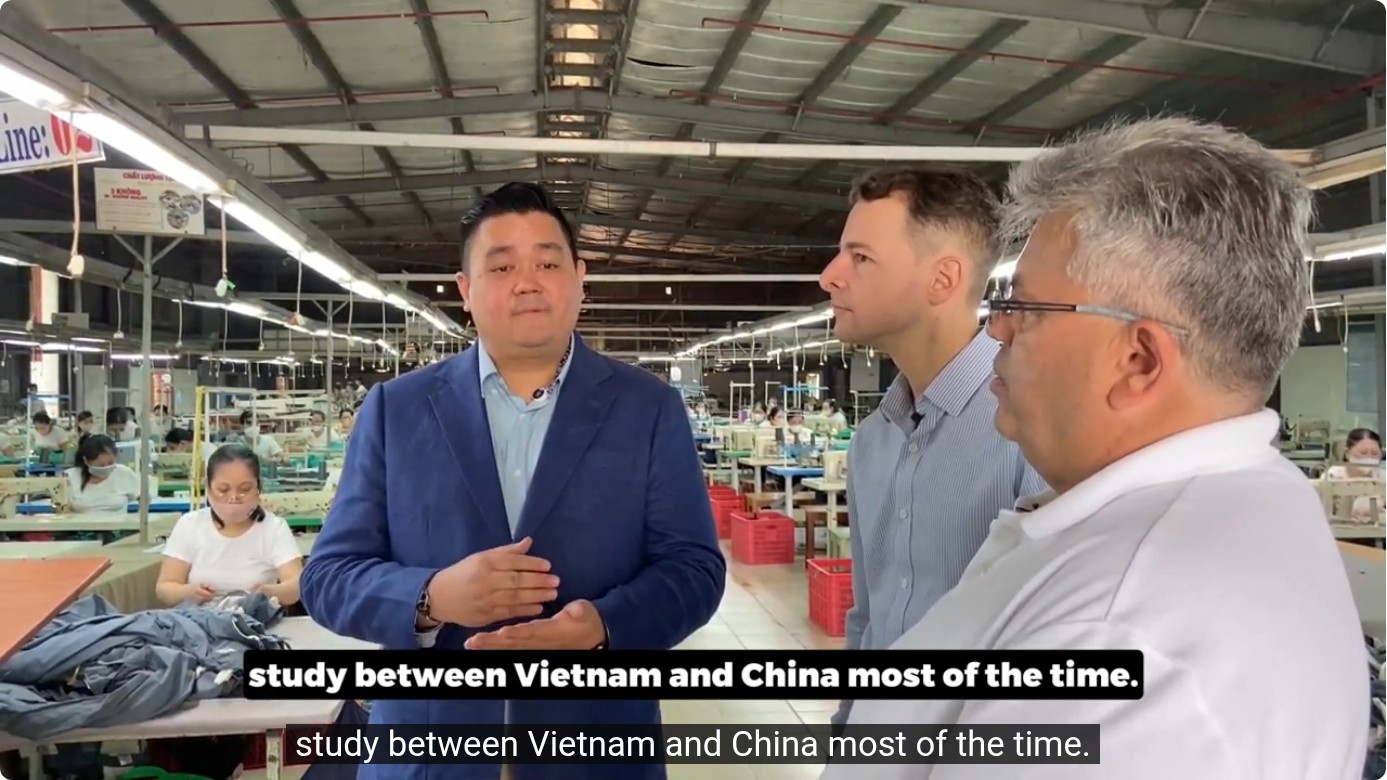
Yes, for initial partnership decisions and for high-volume, long-term strategic orders. A visit reveals operational realities no video call can show: factory cleanliness, worker morale, organization, and the state of their machinery. For smaller trial orders, a trusted third-party inspection during production is a cost-effective alternative.
How do I handle communication barriers?
Insist on a single, English-speaking project manager from the factory. Use visual tools (annotated photos, videos) in addition to written specs. Avoid idioms and overly complex sentences. Summarize all key decisions and change orders in writing via email for a paper trail. Time zone differences mean planning for a 24-hour response cycle, not instant messaging.
Conclusion: Partner, Don’t Just Purchase
Sourcing wholesale clothes from a Chinese manufacturer is a strategic partnership. Success hinges on clear communication, precise specifications, and a long-term view. Treat your factory as an extension of your product development team. Invest time in the front-end tech pack and sample approval process to avoid catastrophic back-end failures. By understanding the trade-offs between cost, customization, and control, you can leverage China’s manufacturing depth to build a scalable, competitive sportswear brand.
Need custom versions of any style covered here? Our sportswear factory handles everything from tech pack review to bulk delivery. Request a sample or quote.
Also read: Washing Cotton Shirts: A Practical Guide for Buyers and Brands