
When you search for “adidas manufacturing locations,” you’re likely looking for insights into where a global giant produces its iconic apparel. For custom sportswear buyers, brands, and retailers, understanding this landscape is less about duplicating Adidas’s model and more about extracting valuable lessons for your own sourcing strategy. Adidas’s global footprint—spanning Asia, Europe, and the Americas—highlights critical factors like cost, quality control, scalability, and logistics that directly impact your custom production decisions. This article breaks down the key manufacturing hubs, the strategic rationale behind them, and, most importantly, how you can apply these insights when sourcing custom tracksuits, hoodies, or performance wear for your brand.
While Adidas operates a mix of company-owned and contract factories, the principles of selecting a manufacturing partner are universal for anyone in the OEM/ODM space. Your choice of production location influences everything from minimum order quantities (MOQs) and fabric availability to lead times and tariff exposure. We’ll explore the major regions, compare their strengths and trade-offs, and provide a practical framework for evaluating potential factories for your custom activewear line.
Quick Takeaways: Manufacturing Location Insights for Custom Buyers
- Asia dominates for high-volume, cost-effective production (Vietnam, China, Indonesia), but requires larger MOQs and longer shipping.
- Nearshoring (Turkey, Eastern Europe, Central America) offers faster lead times and lower logistics complexity, often at a moderate cost premium.
- Key decision factors include fabric specialization, factory certifications (e.g., OEKO-TEX), and the factory’s experience with your specific garment type.
- For custom orders, the factory’s OEM/ODM capability—their willingness to adapt patterns, trims, and logos—is more critical than the country itself.
The Major Hubs: A Breakdown of Key Regions
Adidas’s supply chain is a masterclass in regional specialization. Understanding where and why they produce certain items provides a blueprint for your own sourcing. The company’s production is heavily concentrated in three main regions, each with distinct characteristics that affect custom orders.
1. Vietnam: The Current Epicenter
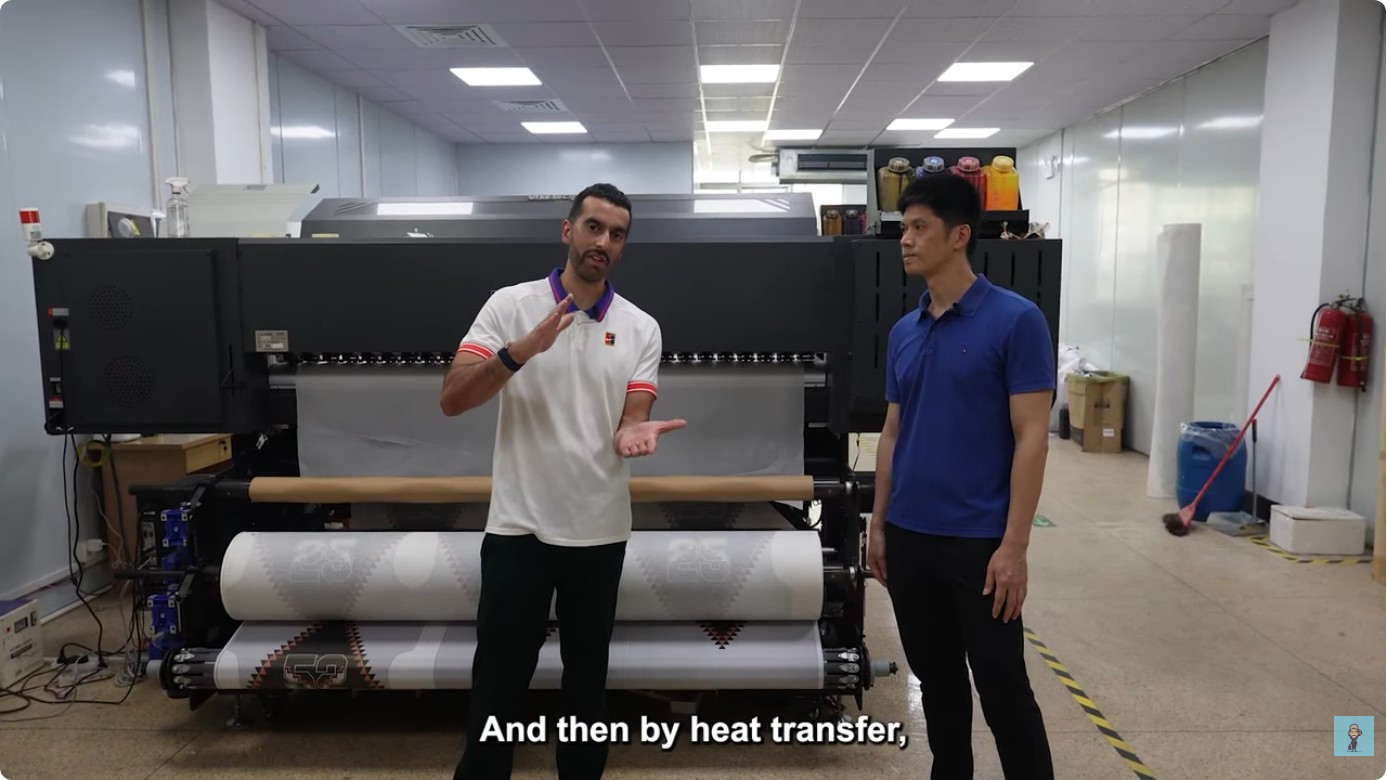
Vietnam has become Adidas’s largest single sourcing country, accounting for over 40% of its global footwear and a significant portion of apparel. For custom buyers, Vietnam represents the go-to for large-scale, cost-competitive production with improving technical capabilities.
- Best for: High-volume basic tees, hoodies, sweatpants, and performance wear where cost per unit is a primary driver.
- Typical MOQs: Often 1,000+ pieces per style/color, though some factories will accept lower for a premium. This is a key negotiation point.
- Key Advantage: A deep talent pool experienced in sportswear construction, from flatlock stitching to seam taping. Many factories have dedicated lines for major brands, meaning they have the equipment for complex garments.
- Caveat: Fabric sourcing is robust but may require importing specialized technical fabrics (e.g., moisture-wicking knits) from elsewhere, adding time and cost. Lead times from port to your warehouse can be 6-8 weeks.
2. China: The Scale and Speed Powerhouse
China remains a critical node in Adidas’s network, valued for its unparalleled industrial ecosystem, speed for smaller batches, and advanced textile manufacturing. For custom buyers, the story has evolved from “cheap” to “efficient and innovative.”
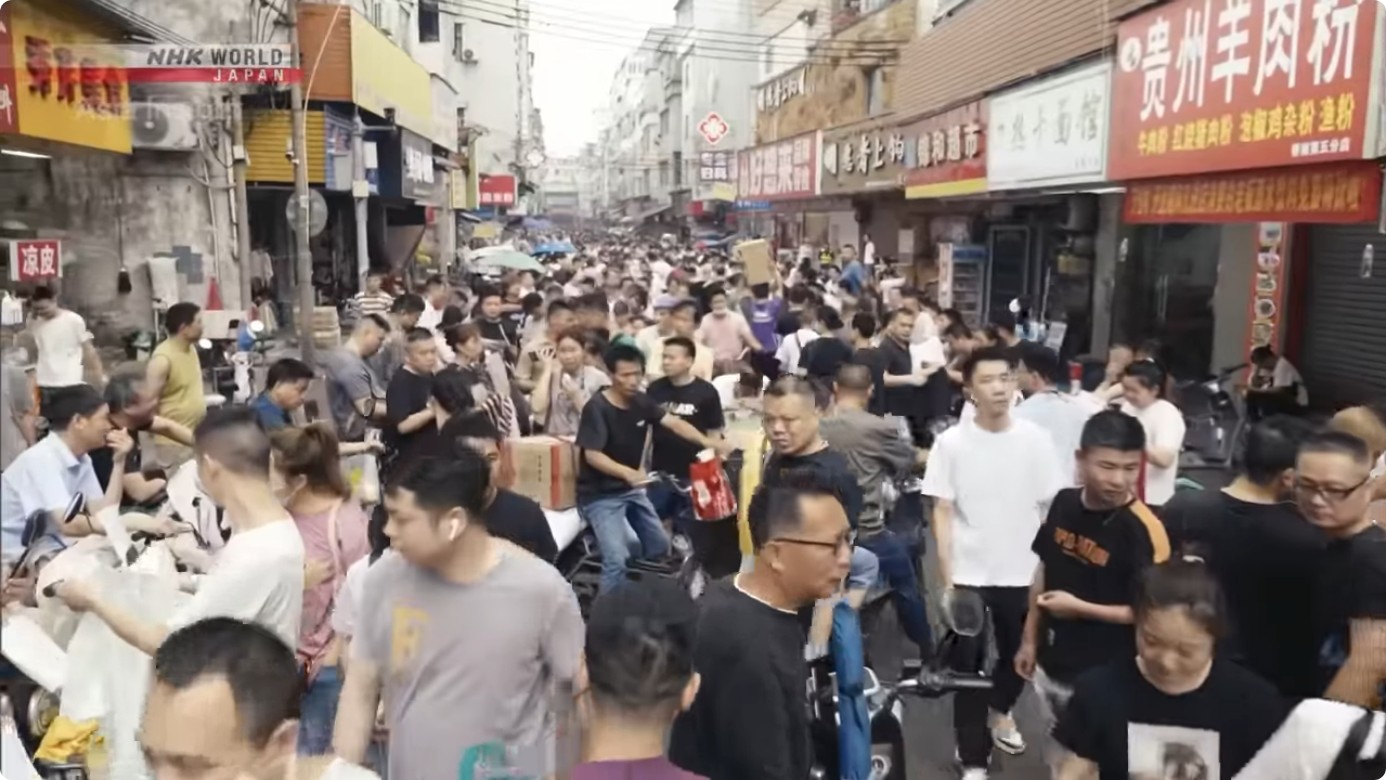
- Best for: Faster-turnaround custom orders (due to domestic fabric mills), technical fabric development (e.g., recycled polyester blends), and intricate branding applications like all-over prints.
- Typical MOQs: Can be more flexible than Vietnam for certain products, sometimes as low as 500 pieces, especially in garment hubs like Guangzhou or Quanzhou.
- Key Advantage: Vertical integration. A factory in China can often source fabric, knits, and trims (zippers, cords, labels) from suppliers within a 100-mile radius, dramatically compressing timelines.
- Caveat: Labor costs have risen. For basic items, the cost advantage over Vietnam may be minimal. Tariff implications for shipping to the US/EU must be carefully calculated.
3. Indonesia & Other Southeast Asian Hubs (Cambodia, Bangladesh)
Indonesia is a major Adidas footwear and apparel producer. Bangladesh and Cambodia are more prominent in the fast-fashion and basic knitwear space but are increasingly developing sportswear capacity.
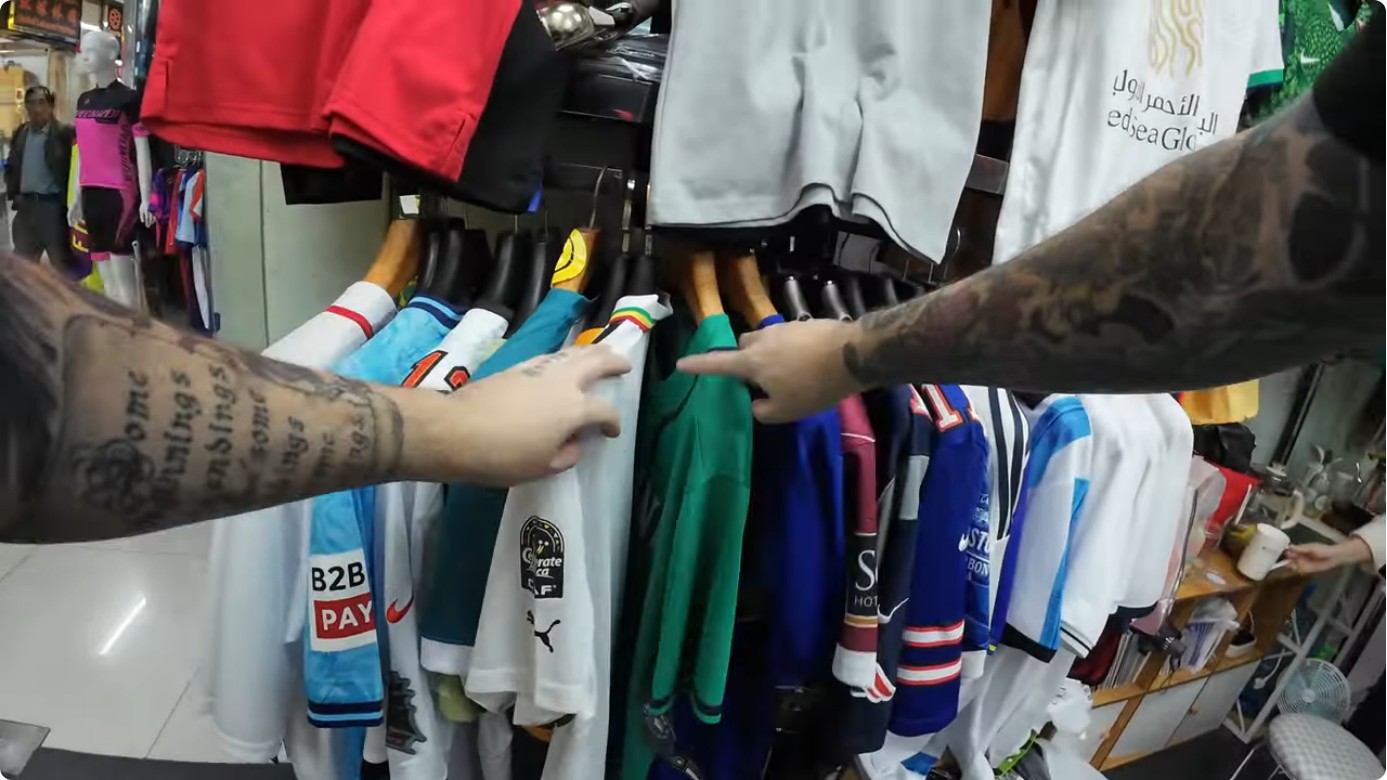
- Best for (Indonesia): Solid mid-range pricing with good quality consistency, particularly for woven items like cargo pants or lightweight jackets.
- Typical MOQs: Similar to Vietnam, generally 1,000+ for dedicated production lines.
- Key Consideration: Fabric infrastructure is less developed than in China or Vietnam, so more planning is needed for specialized textiles. Sustainability certifications (like Textile Exchange standards) are growing but require explicit verification.
Nearshoring: The Strategic Alternative
Adidas also maintains production in Turkey (for European markets), the United States, and increasingly in Eastern Europe. This “nearshoring” model is gaining traction with custom brands that prioritize speed-to-market, reduced carbon footprint, and simplified logistics.
| Region | Lead Time (Sample to Bulk) | Typical MOQ | Cost Per Unit (vs. Asia) | Best For |
|---|---|---|---|---|
| Turkey | 4-6 weeks | 800-1,500 | +15-25% | EU market entry, mid-weight fleece, cotton basics |
| Eastern Europe (e.g., Poland, Romania) | 5-7 weeks | 1,000-2,000 | +20-30% | High-quality tracksuits, workwear, technical outerwear for US/EU |
| Central America (e.g., Honduras, Guatemala) | 6-8 weeks | 1,500-2,500 | +10-20% | US market duty-free (CAFTA), basic t-shirts and fleece |
Note: Cost percentages are relative to a baseline Southeast Asian production cost. All figures are estimates; actual pricing depends on fabric, trim, and complexity.
What This Means for Your Custom Order: Key Sourcing Considerations
Adidas’s strategy is built on matching product type to factory expertise. Your approach should be the same. Here’s a practical checklist to guide your conversations with a potential OEM/ODM partner.
The Pre-Order Checklist
- Define Your Product’s Core Requirements: Is this a high-performance tracksuit requiring moisture management and four-way stretch? Or a basic cotton hoodie for a sports team? The technical dictates the factory’s specialization.
- Ask About Their “Sweet Spot”: A good factory will tell you their ideal order size, fabric types they work with regularly, and the garment categories they excel in. Don’t try to force a fleece factory to make a seamless yoga top.
- Verify Certification & Compliance: Request proof of relevant certifications. For performance wear, ask about testing protocols for colorfastness, pilling, and shrinkage (often referencing ASTM International standards). For ethical production, inquire about audits (e.g., WRAP, BSCI) and wage policies.
- Clarify the Supply Chain: Who supplies the fabric? Can they source organic cotton or recycled polyester with a chain-of-custody certificate (e.g., GOTS or GRS)? If you provide fabric, can they handle its specific care requirements?
- Understand the Cost Breakdown: A transparent quote will separate: fabric cost, trim cost, labor rate, tooling/molding (for sports bras), and overhead. This reveals where savings are possible (e.g., choosing a different zipper) and where you shouldn’t compromise (e.g., seam strength).
- Discuss Sampling and MOQ Flexibility: What is the cost and timeline for a pre-production sample (often called a “PP sample”)? Can they produce a small “pilot run” of 200-300 units before committing to 1,000? This de-risks the bulk order.
Trade-offs and Decision Points: No Perfect Location
Every manufacturing location involves compromise. The “best” place for your Adidas-inspired tracksuit is the one that aligns with your brand’s priorities.
- Cost vs. Speed: Asia (Vietnam/China) wins on unit cost but loses on transit time. Nearshoring costs more but gets goods to market faster, which can be worth the premium for seasonal launches or trend-driven items.
- Scale vs. Flexibility: Large Chinese factories are efficient for 5,000+ units but may be rigid on MOQs and design changes. Smaller factories in Portugal or Sri Lanka might welcome a 750-unit order with multiple colorways and be more nimble with design tweaks.
- Complexity vs. Simplicity: A garment with bonded seams, reflective taping, and multiple panels requires a factory with proven technical skill, often found in Adias’s Vietnamese and Chinese partners. A simple jersey t-shirt can be produced competently in a wider range of locations.
- Brand Values vs. Price: If your brand’s story hinges on sustainability, you may pay a 10-20% premium for certified organic fabric and a factory with transparent waste management, regardless of its geographic location.
Common Pitfalls for New Custom Buyers
Based on the global supply chain lessons from brands like Adidas, here are frequent mistakes to avoid:
- Choosing Location First, Specs Second: Don’t decide on “Vietnam” and then look for a factory. Start with your product spec sheet, then find the factory—wherever it is—that best matches it.
- Ignoring Fabric Lead Times: The fabric often dictates the schedule. A specialized Italian mill may have a 10-week lead time, regardless of where the sewing factory is located. Factor this in from day one.
- Overlooking Import Regulations: HS codes, duty rates, and product safety regulations (e.g., CPSC in the US for children’s wear) vary by country. A customs broker is a wise investment.
- Poor Communication: Time zones, language barriers, and cultural differences in what “urgent” means can derail a project. Establish a single, clear point of contact and use visual aids (tech packs with detailed measurements and construction notes) for every specification.
The Bottom Line: Sourcing as a Strategic Choice
Adidas’s manufacturing network is a result of decades of optimization for scale, cost, and regional market access. As a custom brand, your network will be smaller but must be equally strategic. Your goal is not to mimic Adidas, but to understand the framework they use: align product complexity with factory expertise, balance cost with logistics and risk, and prioritize clear communication and certification verification.
Whether you’re a gym owner ordering 500 branded zip-up hoodies or a fashion label launching a 5,000-piece performance capsule, the questions remain the same: Does this factory live and breathe this product? Can they hit my quality standards at my target cost? Can they deliver when I need them to? The answers will point you to the right partner, in the right location, for your specific business.
Ready to Source Your Custom Collection?
Planning to add these styles to your collection? We produce custom versions with your branding, fabric choice, and sizing — from sample to bulk. Contact our team for details.
Key Questions to Ask Any Potential Manufacturer:
- What is your standard MOQ for a style like mine, and what is your minimum for a first order?
- Can you provide examples of past work (or client references) for similar garments?
- What fabric sourcing options do you offer? Can you source certified sustainable fabrics?
- What is your typical sample approval process and timeline?
- How do you handle quality control? Is there an in-house QC team? What is your AQL (Acceptable Quality Level)?
- What is the estimated production lead time from fabric approval to shipment?
- Do you have experience shipping to my target market? Are you familiar with its product safety and labeling laws?