
When specifying a premium hoodie, the single most important technical spec you’ll encounter is GSM—grams per square meter. This number defines the fabric’s weight and, by extension, its feel, durability, and warmth. A high GSM hoodie typically starts around 320 GSM and can go up to 500 GSM or more for heavyweight fleece. For buyers, brands, and sports teams, this isn’t just a number; it’s a fundamental decision that dictates the garment’s position in the market, its cost structure, and its suitability for specific climates and uses. Understanding this spectrum is critical for sourcing the right product, whether you’re outfitting a Nordic ski team, launching a luxury streetwear line, or supplying workwear for coldStorage facilities.
This guide cuts through the marketing adjectives to give you a practical framework for evaluating, specifying, and sourcing high GSM hoodies. We’ll break down what the weight actually means on the body, who the core buyers are, and the critical customization and production considerations you must discuss with your manufacturer to turn this style into a successful custom product.
What ‘High GSM’ Actually Means for the Wearer
GSM is a objective measurement, but its subjective impact is what matters. A 280 GSM hoodie is a light, breathable layer—think transitional weather or indoor wear. A 420 GSM hoodie is a substantial, insulating piece that feels dense and warm, suitable for standalone wear in cold conditions. The jump from 300 to 400 GSM represents more than just added weight; it involves a different knitting structure, often a thicker loop (fleece) on the inside, and more yarn per inch.
You may also like: What Is Acetate Fabric? A Sourcing Guide for Sportswear Brands
The primary tradeoff is clear: higher GSM generally means higher cost, reduced breathability, and increased bulk. A 500 GSM hoodie will be incredibly warm and durable but can be too hot for active pursuits and will pack down into a larger, heavier bag. Your choice must align with the end-user’s primary activity and environment. For a gym or yoga brand, a 320-360 GSM with moisture-wicking properties might be ideal. For a winter sports team or a workwear line, 400-450 GSM is a common and practical sweet spot.
The Fabric Beyond the Number
GSM alone doesn’t tell the whole story. Two 400 GSM hoodies can perform very differently based on:
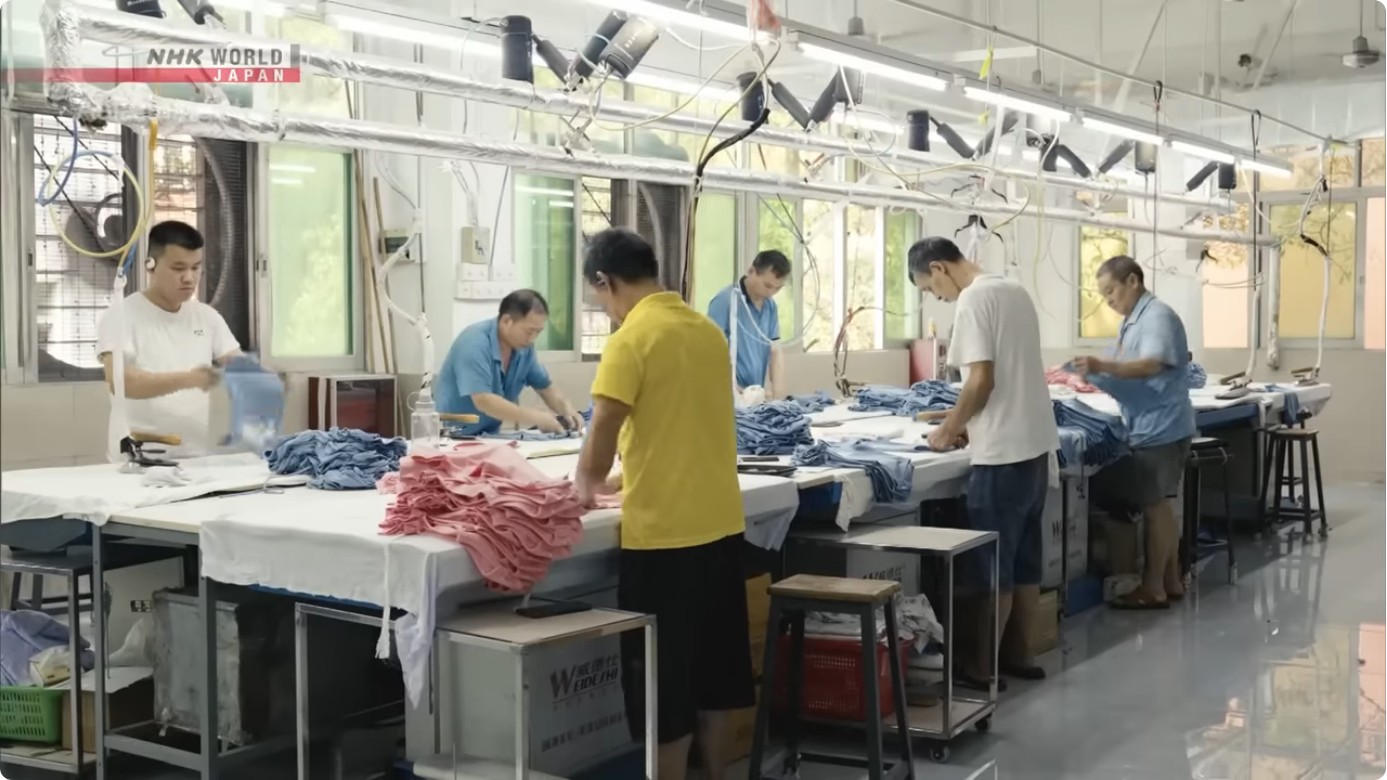
- Yarn Quality: Combed vs. carded cotton, ringspun vs. open-end. Ringspun cotton produces a smoother, stronger, and less prone-to-pilling fabric, which is crucial for a premium heavyweight feel.
- Fleece Knit: The inside loop can be a tight, plush “cloud fleece” or a more open, airy knit. The former is warmer and softer; the latter is lighter and more breathable at the same GSM.
- Blend: 100% cotton is classic but can shrink and hold moisture. A cotton/polyester blend (e.g., 80/20) adds durability, reduces shrinkage, and can improve moisture management, often at a slightly lower cost.
- Finish: Brushed (for softness), garment-dyed for a vintage feel, or pre-shrunk to minimize post-wash change.
For custom manufacturing, you must specify these details in your tech pack. Request fabric swatches from your factory and conduct wash testing to validate performance claims. Reputable suppliers will provide certifications for their fabrics, such as OEKO-TEX Standard 100 for有害化学物质零排放 or specific recycled content certifications if sustainability is a selling point.
Who Buys High GSM Hoodies & Their Core Use Cases
The market for heavyweight hoodies is robust and segmented. Your target customer defines nearly every other specification.
| Buyer Profile | Typical GSM Range | Primary Context | Key Customization Driver |
|---|---|---|---|
| Premium Streetwear Brands | 380 – 450 GSM | Fashion, casual wear, drop-shipping | Silhouette, fabric hand (feel), unique dye/ wash, subtle branding |
| Sports Teams & Clubs | 360 – 420 GSM | Team wear, sidelines, fan merch | Logo & number application (embroidery, print), team colors, durability for repeated washing |
| Corporate/ Promotional | 320 – 380 GSM | Company giveaways, event merch | Cost efficiency, large logo area, brand color matching, quick turnarounds |
| Outdoor & Workwear | 400 – 500+ GSM | Cold-weather work, hunting, fishing, construction | Extreme durability, wind resistance, practical features (kangaroo pocket, ribbed cuffs), safety colors |
| Gyms & Fitness Studios | 320 – 360 GSM | Member apparel, retail, class wear | Moisture-wicking blends, clean aesthetic, simple branding, consistent fit across sizes |
Custom Manufacturing: From Template to Unique Product
This is where you move from buying blanks to creating a proprietary product. A factory offering true OEM/ODM services will work with you on all these levers.
1. Fit & Silhouette Adjustments
The pattern is your first and most important customization. A “classic fit” hoodie has more room, while a “slim fit” or “athletic fit” tapers through the body and arms. For high GSM fabrics, which are less forgiving and have less stretch, precise pattern grading is essential. A poorly graded slim-fit pattern in a 450 GSM fabric will feel restrictive. Ask your manufacturer for their base patterns and discuss modifications. Can they lengthen the body for a modern oversized look? Adjust the raglan sleeve seam for better mobility? Provide a fit sample in your target GSM before approving production.
You may also like: Verse Piece Trait Tier List – Best Traits Ranked and How to Get Them
2. Fabric & Construction Choices
You are not locked into a factory’s standard blank. You can often:
- Choose the Fabric: Select from the mill’s offerings in your desired GSM range. This includes specific cotton origins (e.g., US Pima), organic certifications, or recycled polyester blends.
- Specify Knit & Construction: Decide on the fleece inside (single jersey, 2-fold, 3-fold fleece for extra softness). The hood construction is a key detail—is it a two-piece hood with a center seam (better fit) or a one-piece hood (cheaper)? What about the drawcord: cotton, polyester, raw-cut or tipped?
- Detail the Cuffs & Hem: Rib knit is standard. For premium feel, specify a higher rib count (e.g., 2×2 vs. 1×1) and a cotton-rich blend for better recovery. The waistband can be a simple rib or a more substantial “twisted rib.”
3. Branding & Application Strategy
Heavyweight fabrics present unique challenges and opportunities for logos.
- Embroidery: The gold standard for premium heavyweight hoodies. It sits beautifully on thick fabric. Discuss thread types (rayon vs. polyester for sheen/durability), stitch counts for detail, and placement. A large, dense embroidery on a thick hood can cause puckering if not hooped correctly.
- Printing: Screen printing works well for bold, simple logos. For high-detail artwork, DTG (Direct-to-Garment) or heat transfer may be options, but test extensively. The fabric’s nap (fuzz) can interfere with fine detail. Consider “plastisol” prints for opacity or “water-based” for a softer feel.
- Other: Woven labels, leather patches, or rubber prints can add distinct tactile elements that customers associate with quality.
4. Minimum Order Quantities (MOQs) & Production Phasing
This is a critical business decision point. High GSM hoodies, due to their heavier fabric cost and often more complex construction, typically have higher MOQs than a basic t-shirt. A factory might require 500-1000 pieces per style/color to justify cutting a specific fabric and setting up machines. However, many B2B manufacturers offer “mixed-size” MOQs (e.g., 300 pieces total, any size mix) and will run multiple colors or styles in a single production batch to help smaller brands. Always ask about sample availability. A pre-production sample (often called a “counter sample” or “approval sample”) is non-negotiable. It verifies fit, fabric GSM, color, and branding application before you commit to the full run. Factor in the cost and lead time for this sample phase.
What Matters Most: Your Quick Decision Checklist
Before you request quotes, clarify these points internally. They will determine your supplier’s viability and your product’s success.
- Define the User & Climate: Is this for indoor gym use or sub-zero outdoor work? This dictates your target GSM range.
- Set a Realistic Price Point: Higher GSM = higher cost. Know your target retail price and work backward (typically, cost should be 20-35% of retail). A 400 GSM organic cotton hoodie with embroidered logo will not fit a $25 retail price point.
- Prioritize Customization: Is fit your #1 concern? Or unique branding? Find a factory whose strengths align. A factory great with embroidery may have less flexible pattern-making.
- Audit for Compliance: If selling in the EU, US, or Japan, ensure your factory can provide documentation for fabric safety (OEKO-TEX), social compliance (ethical manufacturing audits), and, if claimed, organic/recycled content certifications.
- Request Physical Proofs: Never skip the fabric swatch and the pre-production sample. Measure the sample’s GSM yourself with a simple scale and cutter to verify claims.
Final Questions to Ask Your Potential Manufacturer
As you evaluate suppliers for your high GSM hoodie line, posing these questions will reveal their true capabilities and partnership potential:
- “Can you provide three different fabric options in the 380-420 GSM range, with corresponding swatches and full material composition certificates?”
- “What is your standard process for fit approval, and how many revisions are included before we lock the pattern?”
- “For a 1000-piece order across two colorways, what is the incremental cost difference between a standard 1×1 rib cuff and a 2×2 cotton-rich rib?”
- “What is your typical lead time from approved sample to bulk shipment, and what are the penalties for delays on your side?”
- “Can you handle a mixed order of 400 hoodies and 600 crewnecks in the same production run to meet our initial collection MOQ?”
The answers will separate factories that merely sew garments from those that can function as true development partners for your brand.
Need custom versions of any style covered here? Our sportswear factory handles everything from tech pack review to bulk delivery. Request a sample or quote.
Related guide: Understanding the Largest Sportswear Companies: A Guide for Custom Apparel Buyers