
When you research the largest sportswear companies, you’re not just looking at market share charts. You’re examining the operational blueprints, supply chain infrastructures, and product development philosophies that set industry standards. For brands, gyms, and teams sourcing custom activewear, this landscape is more than a ranking—it’s a playbook of what’s possible at scale, and more importantly, a map of where your custom production needs fit within it. Whether you’re a startup brand launching your first line or an established retailer expanding into private label, analyzing these giants reveals critical insights about quality, customization limits, and partnership strategies.
The key is to shift perspective: don’t view these companies as competitors for your factory, but as benchmarks for capability. Their choices in fabric technology, manufacturing partnerships, and global logistics define the expectations of today’s athlete and consumer. Your custom sourcing strategy must align with or deliberately diverge from these standards to meet your specific market’s demands and price points.
What Matters Most for a Custom Buyer
Before dissecting corporate strategies, focus on the core decision factors that directly impact your custom order. The scale of the largest sportswear companies is not typically accessible for most custom orders, but their operational DNA influences every tier of manufacturing.
The Scale vs. Flexibility Trade-off
This is the fundamental equation. The biggest players command volume discounts through massive production runs (often 100,000+ units per style), but this comes at the cost of flexibility. Their factories are optimized for repetitive, high-volume output with long lead times. For a custom buyer needing 500 hoodies with a specific trim and a unique colorway, a factory serving these giants may not be the right fit—they’re not tooled for frequent changeovers.
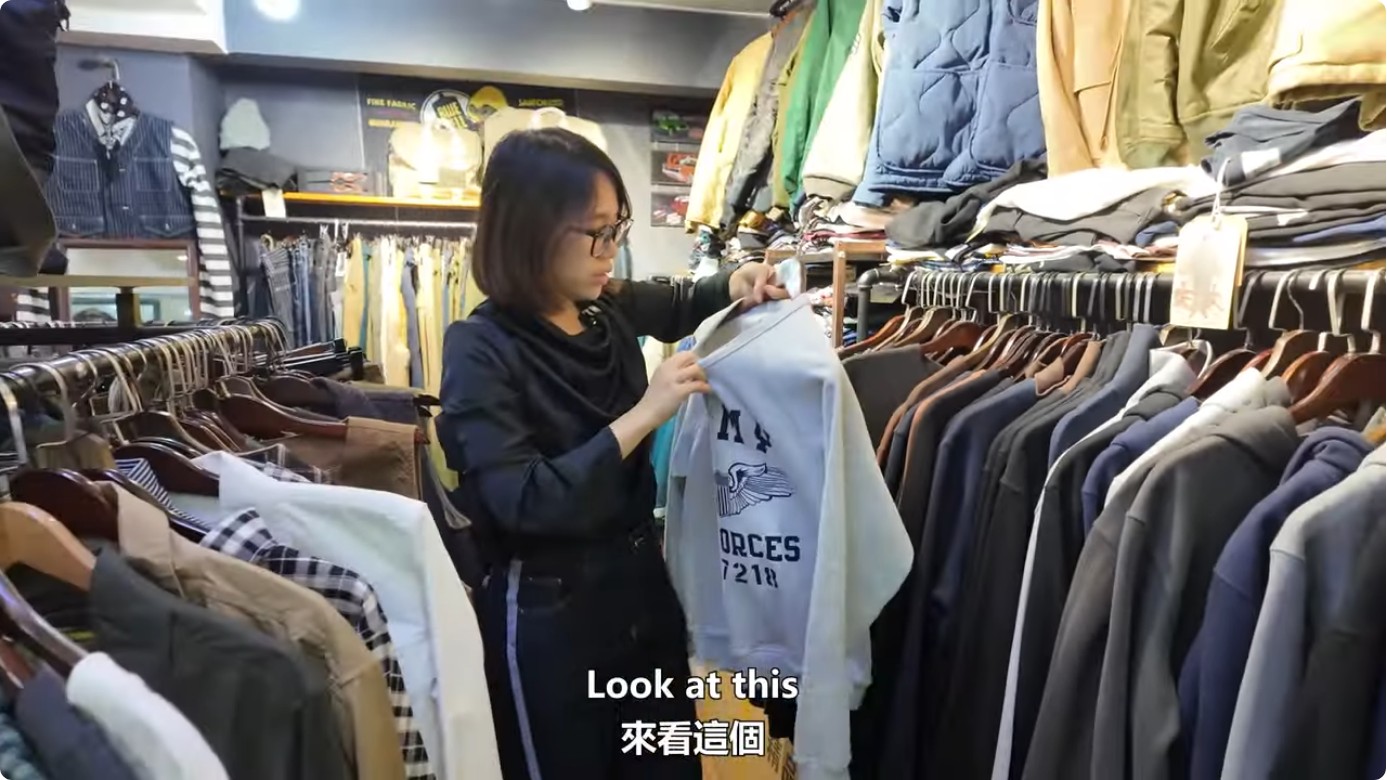
Your priority is to identify a manufacturer whose scale matches your needs. Seek a partner that specializes in your order size (e.g., 50-5,000 units) and offers genuine OEM (manufacturing to your spec) or ODM (developing a new product from their template) services. The question isn’t “Can you make it like Nike?” but “Can you deliver the quality I need at my volume, on my timeline?”
Decoding the Quality Markers
What you see on a premium jersey from a top-tier brand is the result of specific, often costly, inputs. When sourcing custom apparel, you must learn to identify these markers:
- Fabric Construction: Is it a single jersey, double-knit, or a proprietary performance knit? The weight (GSM) and yarn count determine durability and hand feel.
- Finishing Treatments: Look for terms like moisture-wicking, antimicrobial (often via Oeko-Tex Standard 100 certification for harmful substances), UV protection, or brushed interiors for warmth.
- Trim & Detail: The quality of zippers (YKK vs. generic), rib knit at cuffs and hem, and label placement are all telltale signs of grade.
- Stitching & Seam Tolerance: Flatlock seams for chafe reduction, coverstitching on hems, and consistent stitch density are hallmarks of athletic wear built for movement.
A reputable custom factory will provide detailed specs and physical swatches. Insist on reviewing pre-production samples (often called “approval samples” or “PP samples”) before full production.
The Pillars of the Top Players: What Drives Their Models
The largest companies didn’t achieve scale by chance. They mastered a few critical areas that define modern sportswear.
1. Supply Chain Dominance and Vertical Integration
Companies like Nike and Adidas rely on a vast, complex network of independent manufacturers (Tier 1, 2, and 3 suppliers). Their power comes from strategic long-term contracts, proprietary material development (e.g., Nike’s Dri-FIT, Adidas’s Climalite), and immense forecasting leverage. They secure raw material costs and factory capacity years in advance.
Sourcing Implication: For a custom buyer, this means the most advanced fabrics and technologies are often licensed or developed exclusively. You cannot simply “buy Nike fabric.” Instead, work with a factory that sources from the same mill categories (e.g., a premium Italian or Taiwanese knit mill) and can offer comparable, non-branded performance fabrics. Ask your manufacturer about their fabric suppliers and whether they hold certifications from bodies like the Textile Institute or specific mill partnerships.
2. Innovation as a Core Product Feature
The “largest” status is maintained by constant innovation—not just in aesthetics, but in material science. This includes sustainability moves (recycled polyester, organic cotton), biomechanical design (seam placement for range of motion), and digital integration (sensors, QR codes).
Sourcing Implication: You don’t need a dedicated R&D lab, but you should understand the innovation that matters to your customer. Is it sweat management for a hot yoga studio? Durability for a construction crew’s workwear? Articulate your performance needs clearly to your factory’s product development team. A good ODM partner will have a library of existing, tested fabrications and constructions you can select from, accelerating your development timeline.
3. Brand Ecosystem and Global Marketing
The top companies sell an entire ecosystem: footwear, apparel, equipment, and a lifestyle narrative. Their product launches are global events supported by athlete endorsements and digital marketing. This creates immense brand pull but also sets consumer expectations for consistency and trend alignment.
Sourcing Implication: Your custom brand must find its own niche. Analyze the giants to see what styles, fits, and colors are trending (e.g., the rise of cargo pants in athleisure, the enduring popularity of relaxed-fit hoodies). Your factory should be able to advise on current construction standards for these items. However, avoid direct, lookalike copying of trademarked designs to mitigate legal risk—focus on adapting core construction techniques to your unique brand identity.
| Factor | Industry Leader (>$10B Revenue) | Agile Custom Manufacturer (B2B Focus) |
|---|---|---|
| Typical Minimum Order Quantity (MOQ) | 50,000 – 500,000+ units per style | 100 – 2,000 units per style/color |
| Lead Time | 12-18 months (from concept to delivery) | 8-16 weeks (from spec approval) |
| Customization Depth | Limited to seasonal collections; brand-specific tech only | High: fabric, fit, trim, print/embroidery locations all negotiable |
| Primary Service Model | Designed for own-brand, mass-market distribution | OEM (make your design) & ODM (make our design for you) |
| Quality Control | In-house teams & 3rd-party auditors at factory level | Factory’s QC team + your potential on-site inspection |
| Cost Structure | Extremely low per-unit cost due to volume; high R&D/marketing overhead | Higher per-unit cost; transparent manufacturing cost breakouts possible |
Navigating Custom Manufacturing: From Concept to Delivery
Understanding the giants’ model helps you ask the right questions of your chosen factory. Here is a practical framework for your custom project.
The Essential Pre-Order Checklist
Before you request a quote, have these elements prepared. This clarity is what separates a generic inquiry from a serious, actionable one for a factory.
- Tech Pack: This is your single most important document. It should include detailed technical drawings (front/back/side), precise measurements (point-to-point or graded), fabric composition and weight (e.g., 100% Polyester, 180 GSM), trim specifications (rib type, label style), and color references (PANTONE® codes are standard).
- Target Quantity & Sizing Breakdown: Provide total units and the size ratio (e.g., S:10%, M:20%, L:30%, XL:25%, XXL:15%). This dramatically impacts pattern making and fabric consumption calculations.
- Quality Benchmark: Have a physical sample from a competitor or a “gold standard” item. Point to specific features: “I want the rib knit on the cuffs to match this stretch and recovery,” or “The seam on this side panel must be flatlock like this example.”
- Timeline & Budget Range: Be upfront about your deadline and realistic per-unit target cost. Factories can often suggest design or material adjustments to meet budget constraints.
For a deep dive on creating effective tech packs, resources from institutions like the Fashion Institute of Technology offer foundational knowledge on technical design.
OEM vs. ODM: Choosing Your Development Path
This is a critical strategic choice that defines your relationship with the factory.
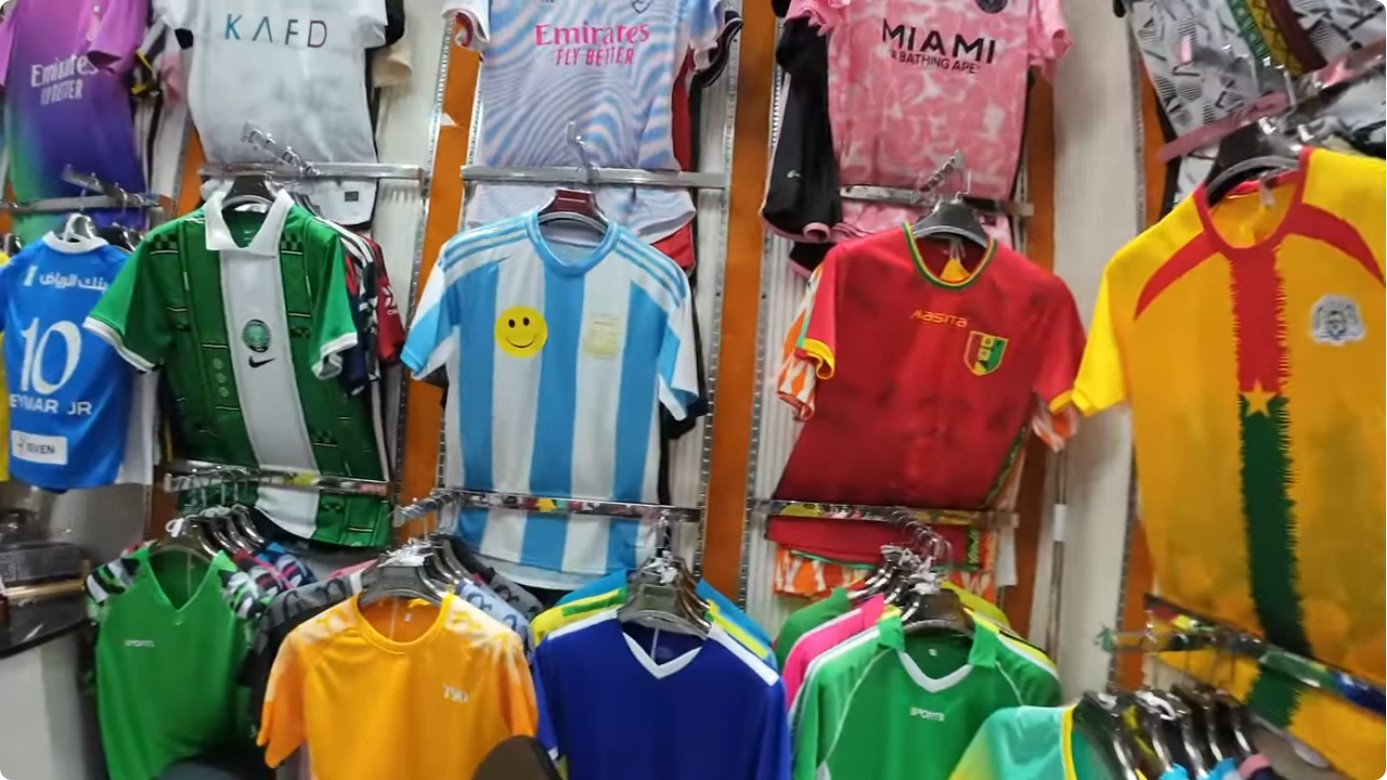
- OEM (Original Equipment Manufacturer): You provide the complete design and specifications. The factory executes it. This gives you full creative control but requires you to have a developed tech pack and understanding of construction. It’s best for brands with in-house design teams or clear, validated ideas.
- ODM (Original Design Manufacturer): The factory presents their existing, proven designs (from their “catalog”) which you can then customize—changing fabric, color, logos, and minor details. This is faster, lower risk (as the style has been produced before), and often has lower MOQs. It’s ideal for new entrants, private label buyers, or brands wanting to leverage proven fits and constructions without development overhead.
Many B2B-focused custom factories offer a hybrid approach: they can modify an ODM style extensively or use their pattern-making expertise to refine your OEM design for better manufacturability and cost.
Questions to Ask Your Potential Manufacturing Partner
Armed with your checklist and understanding of scale models, conduct due diligence. Frame your inquiries around capability and risk mitigation.
- Can you produce a physical sample matching this specific tech pack within 2-3 weeks? A factory’s sample room capability is a direct indicator of their production quality.
- What is your standard fabric sourcing lead time, and can you provide mill certificates for performance fabrics? This ensures transparency and verifies claims about moisture-wicking, etc.
- What is your typical defect rate at final QC, and what is your process for handling flawed goods? A mature operation will have clear protocols for repair, replacement, or credit.
- Do you have experience with [your specific need: e.g., all-over sublimation print, seamless garment construction, heavy-duty zippers for cargo pants]? Specialized techniques require specific machinery and expertise.
- Can you accommodate a phased delivery schedule? For large orders, breaking shipment into multiple batches can ease cash flow and warehouse pressure.
These questions move the conversation from price alone to value, reliability, and partnership.
Need custom versions of any style covered here? Our sportswear factory handles everything from tech pack review to bulk delivery. Request a sample or quote.