
When sourcing custom activewear, the stitch is not merely a technical detail—it is a fundamental determinant of a garment’s durability, comfort, cost, and aesthetic finish. For brands, gyms, and retailers, understanding stitch types translates directly into product quality control, realistic costing, and clear communication with your manufacturing partner. This guide breaks down the most relevant stitches used in sportswear production, moving from basic construction to specialized finishes, with a clear focus on what each means for your custom apparel order.
We will explore how different seams affect a garment’s stretch recovery, where decorative stitches can add brand value, and which construction methods are industry standards for items like performance t-shirts, hoodies, and tracksuits. The goal is to equip you with the vocabulary and practical knowledge to specify exactly what you need and to evaluate factory samples with confidence.
Quick Reference: Stitch Types at a Glance
Before diving into details, here is a high-level comparison of the stitches you will encounter most frequently in custom sportswear manufacturing. Use this table as a orientation point.
Also read: The Complete Guide to Short Trousers for Custom Sportswear Production
| Stitch Type | Primary Use in Sportswear | Key Characteristics & Sourcing Implications |
|---|---|---|
| Lockstitch (Straight Stitch) | General seams on non-stretch fabrics (e.g., cotton t-shirts, cargo pant panels), topstitching. | The most common and versatile machine stitch. Strong but not inherently elastic. Can break under high stress if not reinforced. Low cost, high speed. |
| Coverstitch | Essential for knits: t-shirt hems, neckbands, activewear leg/arm openings, jersey dresses. | Creates a professional, flat finish with excellent horizontal stretch. The “stitch and trim” capability on some models improves efficiency. A hallmark of quality knit construction. |
| Chainstitch | Often for decorative topstitching, some denim/workswear applications, looped seams. | Elastic and decorative but not strong as a primary seam (one thread breaks, entire seam fails). Less common in high-performance core construction. |
| Overlock (Serger) | Seam finishing on knits and wovens (prevents fraying), creating raglan seams, some activewear side seams. | Trims and finishes seam allowances in one step. Crucial for knit fabrics to contain raw edges. Can create a decorative “flatted” seam with 3-4 threads. |
| Flatlock Stitch | Seamless-style joins in performance wear, mesh panels, decorative seams on rash guards, leggings. | Creates a flat, low-profile seam with good stretch and minimal bulk. Requires specialized machines and is more labor-intensive, increasing cost. |
| Bar Tack | Reinforcing stress points: pocket corners, belt loops, fly openings, zipper bases. | A short, dense zig-zag stitch. A critical durability feature. Should be specified on any design with heavy-use components. |
| Blind Stitch | Hemming dress-style woven garments, some formal tracksuit pants. | Nearly invisible from the front. Less common in activewear due to reduced stretch and durability compared to coverstitch hems on knits. |
| Zig-Zag Stitch | General utility: buttonhole reinforcement, appliqué attachment, stretch seams on some budget items. | Provides elasticity. A multi-purpose stitch but lacks the professional finish and consistency of a dedicated coverstitch or overlock for primary seams. |
The Core Stitches of Knit Sportswear
Over 80% of modern activewear—t-shirts, hoodies, sweatshirts, leggings, and tank tops—is made from knitted fabrics. The stitches used to construct these pieces are fundamentally different from those for woven fabrics like poplin or canvas (used in some cargo pants).
Coverstitch: The King of Activewear Hems
If you run your hand along the bottom hem of a quality athletic t-shirt or the cuff of a performance hoodie, you’ll feel the distinctive, slightly rubbery texture of a coverstitch. This is not an accident; it’s a functional design choice.
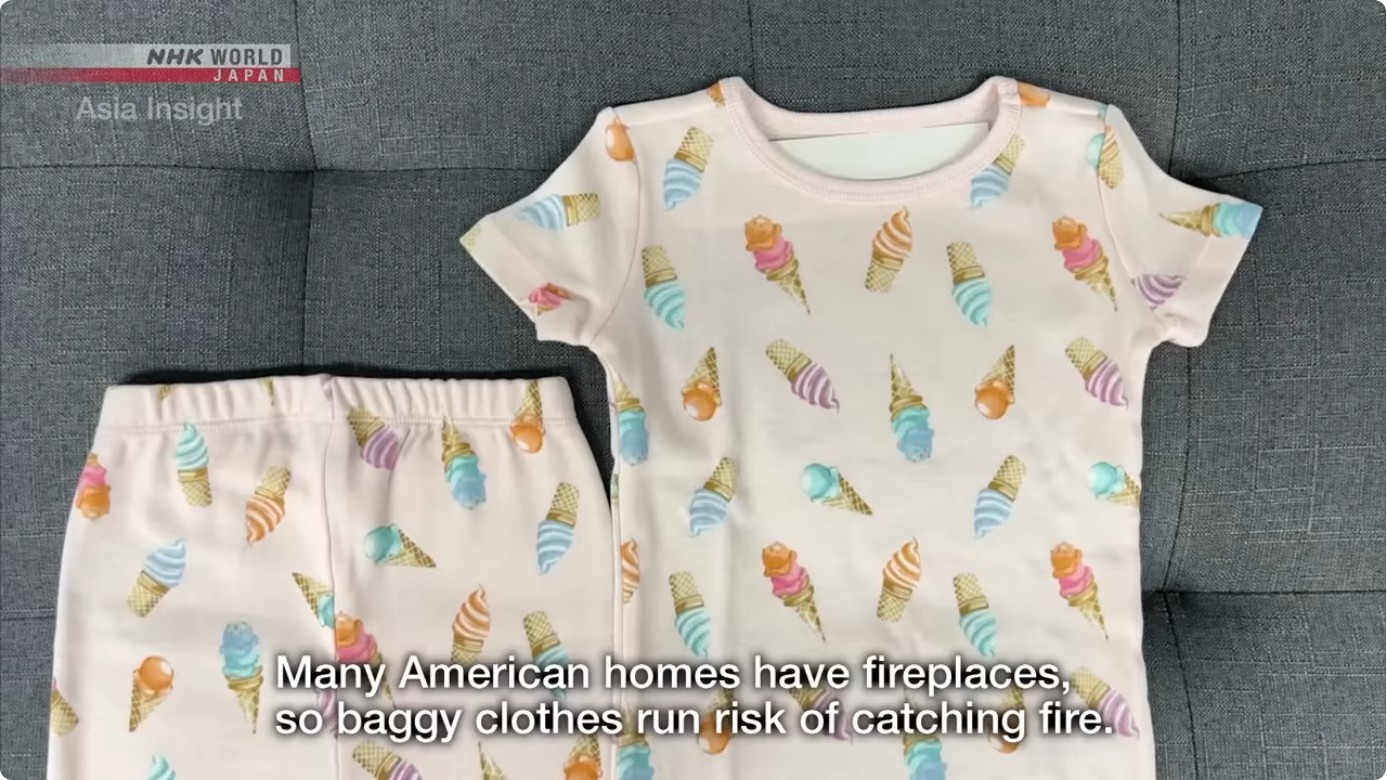
- Construction: It uses 2-4 threads. Typically, two or more “looper” threads cover the raw edge on the underside, while one or two “needle” threads run along the top surface.
- Why It’s Used: The cross-hatch pattern on the public side allows for significant horizontal stretch and recovery, matching the fabric’s natural give. The underside fully encases the raw edge, preventing fraying without a separate binding step.
- Sourcing Note: A factory without a dedicated coverstitch machine (or a combination coverstitch/chainstitch machine) is not equipped for professional knitwear production. When requesting samples, insist on seeing the hem and neckline finished with this stitch for any jersey or fleece item. Some advanced coverstitch machines can also “trim and cover” in one pass, improving efficiency and consistency.
Overlock (Serger): The Workhorse Seam Finisher
The overlock stitch is the unsung hero of the sewing room. While the coverstitch defines the hem, the overlock defines the seam.
- Construction: It uses 3-5 threads. The machine simultaneously stitches a seam while trimming the seam allowance and overcasting the raw edges.
- Why It’s Used: For knits, it’s non-negotiable. It prevents the fabric from unraveling at every seam. It’s also used to join raglan sleeves to a shirt body, a common construction for athletic wear that allows for greater range of motion. On wovens, a 4-thread overlock (two needles, two loopers) creates a very strong, finished seam.
- Sourcing Note: Ask your factory what thread count they use for overlocking. A 3-thread overlock is standard for many knits, but a 4-thread offers more strength for high-stress areas like the inseam of cargo pants or the crotch of tracksuit bottoms. The color of the overlock thread should match or complement the fabric; a visible, clashing overlock is a sign of poor attention to detail.
Flatlock Stitch: The Seamless Illusion
For premium performance wear, where every seam rubs against the skin during intense movement, the flatlock stitch is the gold standard.
- Construction: Two separate pieces of fabric are joined edge-to-edge with a series of interlocking loops, creating a seam that lies completely flat.
- Why It’s Used: It eliminates bulk and friction. You’ll find it in high-end rash guards, seamless leggings, and mesh-paneled tops where comfort and aerodynamics are paramount.
- Sourcing Implications: This is a slow, specialized process. It requires specific flatlock machines and skilled operators. Expect a significant price premium over standard overlocked seams. It’s typically reserved for high-margin, technical product lines rather than basic custom tees.
Essential Stitches for Woven Sportswear & Reinforcement
While knits dominate, woven fabrics are crucial for items like cargo pants, jogger pants with twill sweatpants, and some windbreakers. Their construction relies on a different set of stitches, with a heavy emphasis on reinforcement.
Lockstitch: The Foundational Stitch
The classic straight stitch from a standard sewing machine is the backbone of woven garment assembly.
- Use: Joining main fabric panels (e.g., the inseam and outseam of cargo pants), topstitching for style, attaching pockets.
- Consideration: On its own, a lockstitch seam in a woven fabric can fray at the edges. It must be finished, usually with an overlock or a French seam, especially for garments that will see heavy use and washing.
- Customization Note: Topstitching thread color is a major design element. Contrasting gold or silver topstitch on navy cargo pants is a classic tactical/workwear look. Specify thread type (polyester vs. cotton-wrapped polyester) for colorfastness and strength.
The Critical Role of Bar Tacks
A bar tack is not a seam but a reinforcement. It’s a dense cluster of zig-zag stitches placed at every point of potential failure.
- Mandatory Locations:
- The base of all belt loops and D-ring attachments.
- The corners of patch pockets, especially on cargo pants.
- The fly shield and zipper base on pants.
- The junction where a shoulder strap meets a bag or a hoodie’s drawstring tunnel.
- Buyer Action: During your design phase, mark every stress point on your tech pack and explicitly call for a bar tack. Do not assume the factory will add them automatically. The absence of bar tacks is the most common cause of premature pocket detachment.
Decorative and Specialty Stitches for Brand Identity
Stitches can be more than functional; they are an opportunity for branding and tactile differentiation.
Chainstitch for Visual Detail
The distinctive looped appearance of a chainstitch makes it popular for vintage-style sportswear branding.
- Application: Often used for single-needle topstitching on denim jackets, hoodies, or as a decorative seam on woven track pants.
- Trade-off: Its elasticity is useful for some decorative applications, but its inherent weakness means it should never be used for primary structural seams where failure would be catastrophic (e.g., inseam). It’s a stylistic choice with a functional limitation.
Embroidery vs. Stitch-Based Decoration
It’s important to distinguish between the stitches that construct a garment and the stitches that decorate it (embroidery).
- Embroidery is a separate process where a digitized design is stitched onto a completed garment or panel. It uses a multi-thread, lockstitch-based machine. This is a common customization for team logos, brand names, and sleeve patches. ASTM standards exist for embroidery quality testing, which you can reference in quality control agreements.
- In-Garment Decorative Stitches refer to stitching patterns (like parallel lines or geometric patterns) that are part of the garment’s assembly. These must be specified in the pattern and are subject to the same production constraints as functional seams.
Making Informed Sourcing Decisions: Key Questions to Ask Your Factory
Armed with stitch knowledge, you can now ask targeted questions that reveal a factory’s true capabilities and quality standards. Use this checklist when evaluating potential OEM/ODM partners.
Stitch & Seam Due Diligence Checklist
- Machine Inventory: “Do you have dedicated coverstitch and flatlock machines in your production line? How many of each?” (A small factory may own one coverstitch machine for all hemming, creating a bottleneck).
- Sample Scrutiny: “In your provided samples, can you point out the coverstitch on the hem, the overlock on the side seam, and the bar tacks on the pockets?” (The answer should be obvious and consistent).
- Thread Specifications: “What brand and type of thread do you use (e.g., Coats, American & Efird)? Can you provide thread cards for color matching?” ( Cheap, poor-quality thread will fade, break, and look bad quickly).
- Seam Allowance Standards: “What is your standard seam allowance for knit tops vs. woven pants?” (Typically 0.5″-0.75″ for knits with overlock; 0.75″-1″ for wovens). Inconsistent allowances cause puckering or gaps.
- Stretch Recovery Test: “Can you demonstrate the stretch and recovery of the coverstitch on this knit sample?” (Pull the hem sideways; it should stretch and return to shape without distorting the stitch).
These questions shift the conversation from price per unit to value per unit. A factory that can confidently answer these demonstrates a mature, quality-oriented operation. For deeper insights into textile and construction standards, resources from the Textile Institute or university extension programs like those at NC State’s Wilson College of Textiles offer foundational knowledge.
Conclusion: Stitches as a Language of Quality
The “different kinds of stitches in sewing” are the vocabulary of garment construction. For a custom sportswear buyer, fluency in this language means you can specify with precision, diagnose sample flaws accurately, and partner with a factory that understands the functional demands of activewear. It’s the difference between a garment that merely looks good in a photo and one that performs, endures, and delights your customers wash after wash.
Frequently Asked Questions (FAQ)
Can I mix and match stitch types on a single garment for cost saving?
Technically, yes, but it’s not advisable for core construction. For example, using a zig-zag stitch instead of a coverstitch on a t-shirt hem might save a few cents per unit, but you sacrifice professional finish, stretch recovery, and long-term durability. The cost saving is quickly erased by increased returns and brand damage. Cost-saving is better achieved through fabric selection, order volume, or simplified design elements, not by downgrading fundamental construction.
What is the biggest stitch-related mistake brands make when first ordering?
Failing to specify and test for bar tacks on stress points. Many startup brands design cool pocket placements on joggers or hoodies but forget to call out bar tacks in their tech pack. The first shipment looks great, but within weeks, customers report pocket corners tearing off. This single oversight is a major source of avoidable warranty claims and customer dissatisfaction. Always, always specify bar tacks.
How do stitch choices impact garment care instructions?
Significantly. Overlocked seams on low-quality knits can be prone to pulling if washed in hot water or dried on high heat. Poorly tensioned coverstitch can become wavy. Your care label should be developed in conjunction with your factory, based on the specific construction and thread used. A reputable factory will conduct wash testing (per AATCC guidelines) to validate that their stitching method survives the recommended care cycle.
If you’re looking to source or customize any of the styles mentioned above, our factory offers low MOQ OEM/ODM production with full sampling support. Get a free quote today.
More advice: 2024 Tracksuit Design Guide: Styles, Customization & Sourcing for Brands