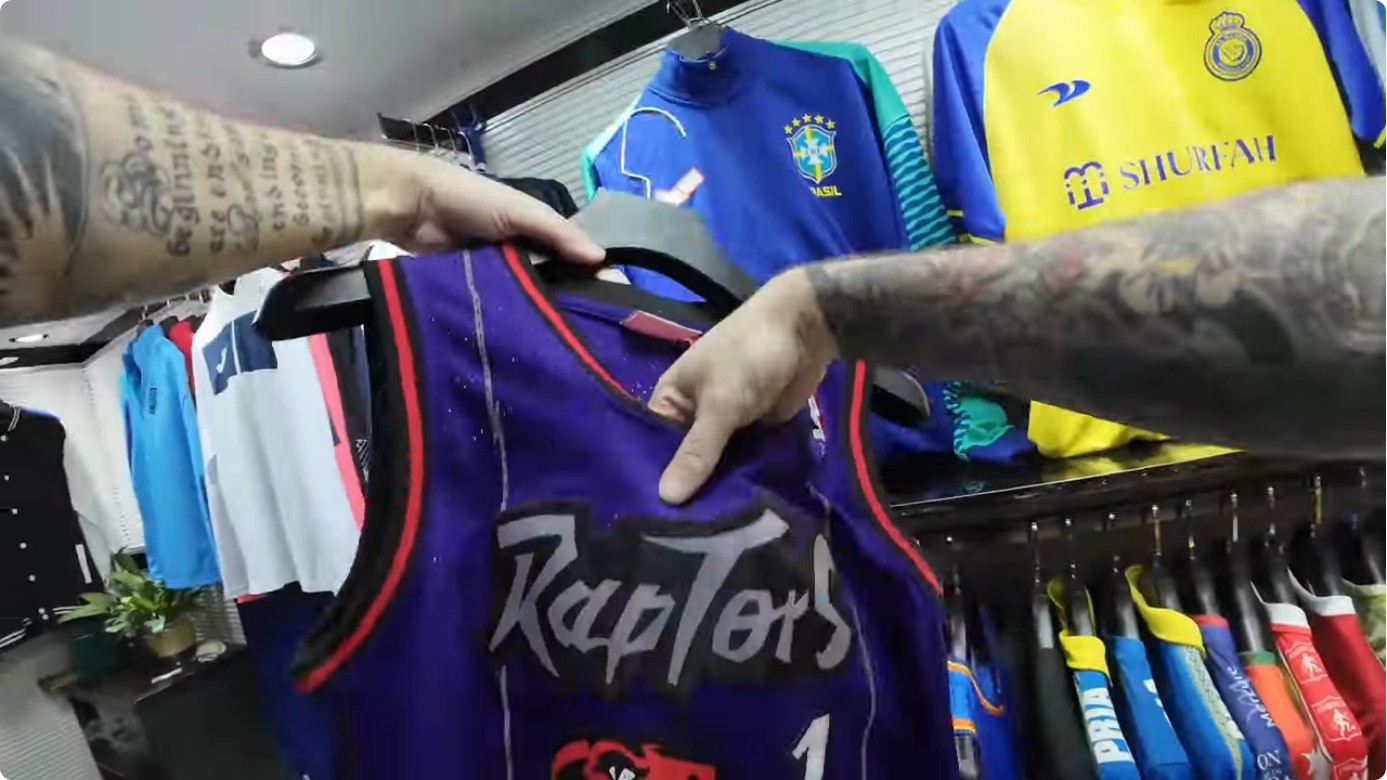
The question of where Air Jordans are made is more than trivia—it’s a lesson in global supply chains, quality control, and brand strategy. For decades, the iconic sneaker has been produced primarily in Asia, with factories in China, Vietnam, and Indonesia playing central roles. This geographic distribution is a direct result of Nike’s long-term manufacturing partnerships, specialized footwear production infrastructure, and cost optimization strategies. Understanding this landscape is crucial for any brand or buyer navigating the world of performance footwear and custom sportswear sourcing.
For a custom sportswear manufacturer, the ‘where’ of production speaks volumes about potential quality, cost structures, and technical capabilities. While Air Jordans represent a pinnacle of branded athletic footwear, the principles of factory selection, material specification, and quality assurance apply directly to your own custom projects, whether you’re producing a limited-run sneaker, a performance tracksuit, or a line of custom hoodies. This article breaks down the manufacturing geography of an icon and translates those insights into actionable guidance for your sourcing decisions.
Quick Takeaway: Air Jordans are mainly manufactured in Vietnam, China, and Indonesia. This shift from historical U.S. production mirrors the entire footwear industry’s move to Asia for specialized expertise and scale. For custom projects, the key takeaway is that factory location correlates with specific technical strengths, cost tiers, and minimum order quantities (MOQs). Selecting a manufacturing partner means aligning your product’s technical needs with a region’s proven capabilities.
Also read: Finding Fabric in Maine’s Queen City: A Practical Guide to Bangor’s Fabric Stores
The Evolving Map of Air Jordan Production
Nike’s production strategy has evolved significantly since the first Air Jordan 1 was assembled in the United States in 1985. The initial ‘Made in USA’ stamp was a mark of domestic craftsmanship, but as demand exploded and production became more complex, the company leveraged global partnerships.
Primary Manufacturing Countries
Today, the vast majority of Air Jordans come from three countries:
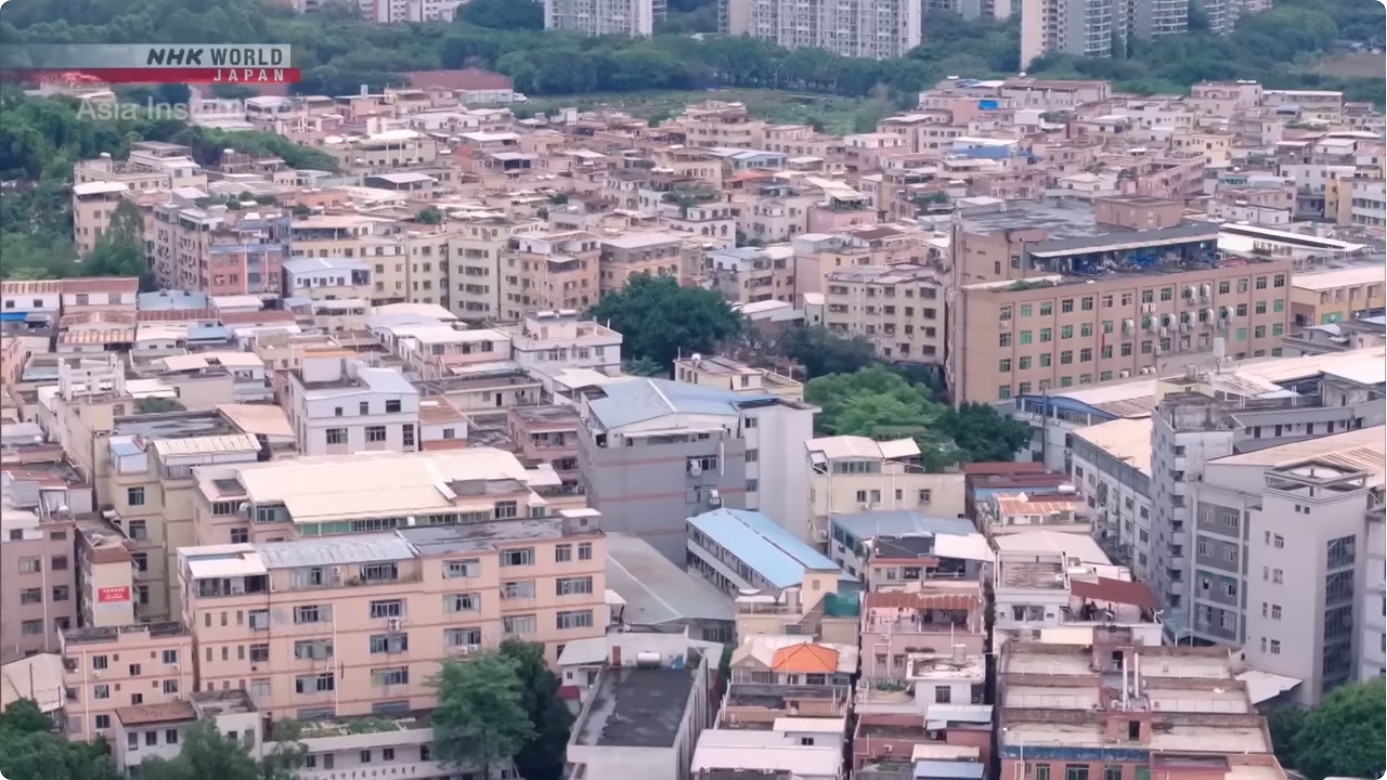
- Vietnam: Now the single largest producer. Vietnamese factories are renowned for exceptional stitching precision, material handling (especially mesh and knit uppers), and consistent quality control. This has made Vietnam the go-to for high-end performance models like the Jordan 1 High OG and many basketball silhouettes.
- China: Still a powerhouse, particularly for certain models and retro releases. Chinese factories offer immense scale, advanced automation for sole molding, and deep expertise in complex material blends. They often handle high-volume releases.
- Indonesia: A critical hub for more accessible models and certain construction types. Indonesian factories are highly efficient, providing a competitive cost structure while maintaining the core quality standards required for the Jordan brand.
Other countries like Thailand, India, and occasionally Mexico or Brazil may produce specific models or components, but the triad above forms the core supply chain.
What Factory Location Means for Quality & Cost
The country of origin isn’t just a label; it’s an indicator of the manufacturing ecosystem. For brands sourcing custom apparel, analyzing these indicators is part of due diligence.
| Country | Primary Strengths | Typical Cost Position | Common Product Types (in Footwear/Apparel) |
|---|---|---|---|
| Vietnam | Precision assembly, fine stitching, knitwear expertise, strong QC protocols | Mid to High | Premium sneakers, technical knit tops, performance joggers, detailed embroidered items |
| China | Scale, automation, complex material R&D, full supply chain integration | Wide Range (Low to High) | High-volume basics, technical shells with complex bonding, items requiring specialized rubber/plastic components |
| Indonesia | Efficiency, cost-effective labor for assembly, large workforce | Low to Mid | Core lineup sneakers, heavyweight fleece, simple track suits, basic cotton t-shirts |
Note: These are generalized industry patterns. Individual factory capabilities vary wildly within each country.
From Icon to Your Brand: Sourcing Custom Sportswear
When you approach a manufacturer for custom hoodies, tracksuits, or activewear, you must think like Nike’s sourcing team. Your choice of factory—and by extension, its geographic location—will define your project’s outcome.
Key Questions to Ask Your Potential Manufacturer
Don’t just ask “where are you based?” Ask about their specific factory network and capabilities:
- Where is the specific production line for my product located? A company may have headquarters in Hong Kong but production in Vietnam or China. You need the factory’s location.
- What is this factory’s specialty? A factory skilled in knitting will produce a superior performance tank top compared to one focused on woven cargo pants. Request samples from their actual production lines for your product type.
- What are the realistic MOQs for this location and product? Vietnamese factories often have higher MOQs for highly technical items due to setup costs, while Indonesian factories might be more flexible for simpler garments. The National Council of Textile Organizations (NCTO) provides context on U.S. manufacturing benchmarks, which can be a useful reference point for understanding minimum scale.
- Can you provide a recent audit report or certification for this factory? Look for audits from BSCI, SMETA/Sedex, or WRAP. These indicate social compliance, which is a non-negotiable for reputable brands.
The Sourcing Decision: Trade-offs to Consider
Your project’s priorities will point you toward a specific manufacturing strategy:
Helpful tip: The Sourcing Guide to Boxy Hoodie Blanks: Fit, Fabric, and Production Realities
- If your priority is cutting-edge technical performance (e.g., moisture-wicking, 4-way stretch, seamless construction), target factories in Vietnam or advanced Chinese facilities known for R&D. Expect higher MOQs and per-unit costs.
- If your priority is competitive cost for a core staple (e.g., a classic crewneck sweatshirt, basic track pants), Indonesian and certain Chinese factories offer excellent value at scale. Rigorously sample to ensure quality meets your brand standard.
- If your priority is rapid prototyping and low initial MOQ, look for ODM (Original Design Manufacturer) partners who have pre-existing, proven templates. Many Chinese and Vietnamese ODM factories specialize in this, allowing you to modify an existing pattern rather than develop one from scratch, reducing time and cost for your first order.
A critical warning: Never source solely on price. A $5 less per unit from an uncertified factory can lead to catastrophic quality failures, shipment delays, or reputational damage from poor labor practices. The cost of a failed product run always exceeds the savings.
Quality Markers You Can Verify
Whether inspecting an Air Jordan sample or your custom order, these tangible details reveal manufacturing grade:
- Stitching Consistency: Check for even stitch density, no loose threads, and clean seam finishes. This is a primary indicator of machine calibration and operator skill.
- Material Hand & Weight: Does the fabric feel like the spec? A 300gsm fleece should feel substantial, not flimsy. Compare against a physical swatch you approved.
- Labeling & Branding: Are care labels, size tags, and any printed branding sharp, correctly positioned, and durable? Blurry screen printing or crooked woven labels are red flags.
- Pattern Matching & Symmetry: For garments with patterns, stripes, or panels, check for alignment across seams. Poor matching indicates rushed cutting or inattentive sewing.
- Fit and Proportion: Does the sample match your tech pack’s measurements? A deviation of more than 1-1.5 cm on key points suggests poor pattern making or cutting practices.
The Customization Process: Communicating with Your Factory
To get the product you envision, your communication must be precise. A vague request leads to a vague—and likely disappointing—result.
Your Checklist for a Production Brief
- Tech Pack: This is non-negotiable. It must include detailed flat sketches, measurements for every size, fabric and trim specifications (with mill names and composition percentages), color codes (PANTONE® for accuracy), stitch types, and placement of all branding.
- Physical Approvals: Always require a pre-production (PP) sample made from the exact intended fabrics and trims. Approve this sample in writing before bulk production begins.
- Quality Control Plan: Define at which stages you or a third-party inspector (like QIMA or Intertek) will conduct inspections: typically during cutting, mid-sewing, pre-shipment, and sometimes during container loading.
- Specify Tolerances: State acceptable variance ranges for measurements, color (using a spectrophotometer reading if critical), and weight.
What About “Made in USA” for Custom Projects?
While Air Jordans are not made in the USA, some brands and buyers seek domestic manufacturing for storytelling, tariff advantages, or perceived quality. U.S. factories do exist for apparel and footwear, but with stark realities:
- Significantly Higher MOQs: Often 500-1000+ units per style/color, compared to 100-300 in Asia for similar products.
- Higher Per-Unit Cost: Labor and operational costs are substantially higher.
- Limited Specialization: Fewer factories have the dedicated machinery for ultra-technical fabrics or complex sneaker constructions.
- Longer Lead Times: Capacity is constrained; scheduling can take months.
For a small brand or a trial collection, U.S. production is usually not feasible. For an established brand with a strong “domestic production” narrative and the volume to support it, it can be a powerful differentiator. The trade-off is always cost, scale, and speed versus narrative and tariff benefits.
Final Considerations for Your Sourcing Journey
The story of where Air Jordans are made is a masterclass in global manufacturing strategy. For your custom sportswear project, internalize these lessons:
- Capability Trumps Location: A world-class factory in Indonesia can outperform a mediocre one in Vietnam. Judge the specific facility, not just the country.
- Specification is Your Best Tool: The more precise your tech pack and sample approvals, the less you rely on a factory’s self-policing. Ambiguity is the enemy of quality.
- Factor in Total Cost: Include shipping, duties, inspection fees, and the cost of potential quality failures in your unit cost calculation.
- Build a Relationship: The best manufacturing outcomes come from a collaborative partnership, not a transactional order. Communicate clearly, pay on time, and visit if possible.
Ready to Source Your Custom Collection?
Understanding manufacturing geography is the first step. The next is finding the right partner who can execute your vision within your budget and quality parameters. Whether you’re a startup brand or an established retailer, we manufacture custom sportswear at competitive MOQs. Reach out to start your project.
Helpful tip: What Is Seersucker Fabric? A Complete Guide to Its Texture, Uses, and Performance