
Hybrid athletic wear is no longer a trend—it’s a practical solution for athletes, fitness enthusiasts, and streetwear fans who demand both freedom of movement and functional coverage. The tank top with hood sits at this intersection, merging the sleeveless, breathable upper body design of a classic tank with the added utility and style of an attached hood. For brands, gyms, and wholesale buyers, this garment offers a unique proposition: it’s less common than a standard hoodie or racerback, allowing for differentiation in a crowded market. However, its combined features also introduce specific considerations in fit, fabric selection, and manufacturing that savvy buyers must navigate to create a successful custom product.
This guide cuts through the basics to provide a practical framework for sourcing and customizing tank tops with hoods. We’ll break down the garment’s construction, explore its key applications, and detail the customization levers available through OEM/ODM production—ultimately helping you make informed decisions on fabric, fit, and manufacturing partnerships.
What Matters Most When Sourcing a Tank Top with Hood
Before diving into style details, it’s crucial to anchor your sourcing decisions on three primary pillars that directly impact cost, production complexity, and end-user satisfaction. These are the non-negotiable starting points for any buyer conversation with a manufacturer.
Also read: The Short Sleeve Zip-Up Hoodie: A Sourcing Guide for Brands & Buyers
- Fabric Functionality vs. Aesthetic: The hood adds bulk and a separate panel of fabric. Your choice must balance moisture-wicking performance for gym use with a drape that looks intentional on the street. A stiff fleece will structure the hood dramatically, while a lightweight jersey will yield a softer, more casual silhouette. Consider the primary use case first.
- Fit Integration: The hood is not an afterthought; it’s part of the garment’s pattern. A poorly designed hood will pull at the neckline, restrict movement, or sit awkwardly on the head. Ask potential manufacturers for their pattern grading specifically for hooded tanks. How does the hood’s seam allowance affect the neckline’s stability?
- Customization Scope & Minimum Order Quantity (MOQ): Adding a hood increases pattern pieces and sewing steps compared to a standard tank. This typically raises the MOQ slightly, even for basic styles. Clarify if the manufacturer’s quoted MOQ includes the hood as a standard feature or if it’s a premium add-on. For new brands, a factory with flexible low-MOQ options for this hybrid style is a significant advantage.
Deconstructing the Style: Silhouette, Features, and Variations
A tank top with hood is defined by its core components and how they integrate. Understanding the terminology helps you communicate precisely with your factory’s pattern maker or design team.
Core Construction Elements
The garment consists of three primary pattern pieces: the tank body (front and back, often with a racerback, scoop neck, or crew neck), the hood (a two-piece or three-piece shell that forms the hood’s shape), and the neckline binding (which finishes the opening where the hood attaches). The hood itself usually has a center seam for shaping and may include a drawstring tunnel and aglets.
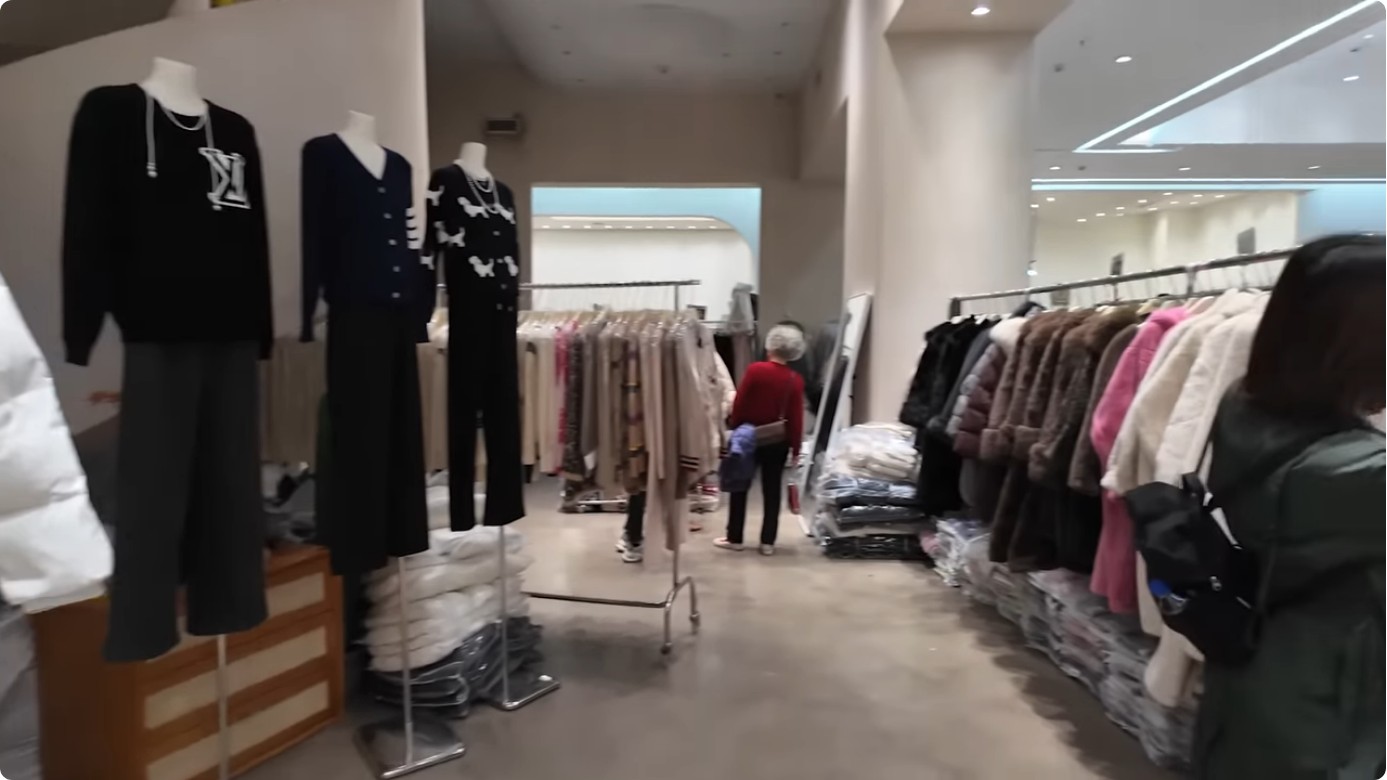
Key variations that define the style’s character include:
- Neckline: A crew neck offers a classic, covered look and is the most common pairing. A racerback creates an athletic, open-back silhouette where the hood’s attachment becomes a critical design feature, often requiring a Y-shaped binding or a distinct back panel.
- Hood Size & Shape: Is it a shallow, fashion-focused hood or a deep, functional one that actually covers the head in rain or wind? The depth is determined by the hood’s crown height and the angle of its side panels.
- Sleeve Armhole: The armhole can be cut wide and athletic or more tailored. A wider armhole increases range of motion but can affect the tank’s stability when worn with the hood up.
- Hemline: Typically straight or slightly curved. A longer, cropped-length tank with a hood leans into streetwear, while a standard hip-length cut maintains athletic utility.
Primary Use Cases and Target Audiences
The tank with hood isn’t a one-trick garment. Its appeal spans multiple markets, each with distinct expectations for fit, fabric, and detailing.
| Market Segment | Typical Use Case | Key Priorities |
|---|---|---|
| Performance Gym/CrossFit | Warm-ups, post-workout cover, outdoor training in cool weather. | Moisture-wicking, quick-dry fabric; ergonomic racerback; secure, non-restrictive hood; minimal branding. |
| Streetwear & Fashion Brands | Casual wear, layered looks, statement pieces. | Fabric handfeel (e.g., brushed cotton, slub jersey); oversized or cropped fits; prominent logo placement on hood or chest; unique colorways. |
| Sports Teams & Clubs | Team warm-ups, fan apparel, travel wear. | Team color matching; durable fabric; clear space for team logo and player numbers on the hood or back; cost-effective bulk production. |
| Corporate/Event Apparel | Promotional giveaways, company retreats, festival wear. | Brand visibility; comfort for all-day wear; simple, cost-effective customization; often unisex sizing. |
Customization Levers in OEM/ODM Production
When you move from spec sheet to sample, these are the primary variables you’ll control with your manufacturing partner. Each choice has a ripple effect on cost, lead time, and the garment’s final feel.
1. Fabric Selection
This is your first and most impactful decision. The fabric must serve the tank body and the hood, which are often the same material but can be different for stylistic effect.
- Performance Knits: Polyester or poly-blend jersey with moisture-wicking treatment (look for certifications like OEKO-TEX Standard 100 for有害物质 absence). Ideal for gym use. Trade-off: can feel less premium than natural fibers.
- Cotton & Blends: 100% cotton offers softness and breathability but holds moisture. A cotton-polyester blend (e.g., 60/40) wicks better while maintaining a classic feel. Common in streetwear.
- Fleece & French Terry: Brushed fabrics provide warmth and a premium texture. The hood made from the same fabric will be structured and cozy. Perfect for cooler climates or athleisure lines. Note: heavier weight increases shipping cost.
- Technical Mesh & Panels: Some designs integrate mesh panels under the arms or on the hood’s interior for enhanced ventilation. This adds pattern complexity and cost.
Production Note: Request fabric swatches and pre-production lab dips. A small color variation between the tank body fabric and the hood fabric (even from the same dye lot) can be glaringly obvious.
2. Fit and Sizing
You can work from the factory’s standard “block” (base pattern) or provide your own tech pack with precise measurements. Critical areas to specify:
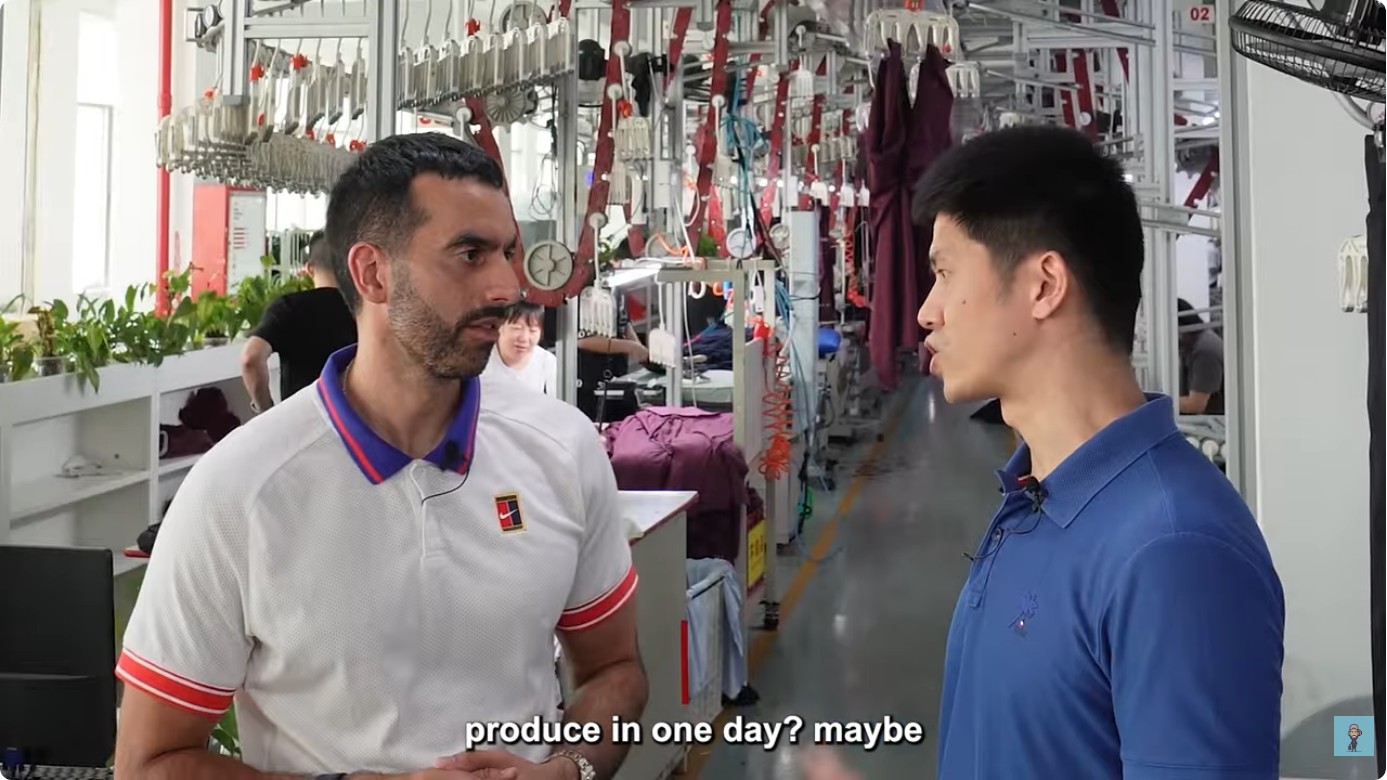
- Neckline Drop: How low does the front neckline sit? This affects both comfort and logo placement.
- Hood Depth: Measured from the point where the hood attaches to the neckline to the top of the hood. A functional depth is usually 10-12 inches; a shallow fashion hood might be 6-8 inches.
- Armhole Shape: A “sports” armhole is cut higher and wider. A “fashion” armhole is lower and may have a cleaner finish.
- Body Length: Specify for each size. Cropped (ends at ribcage), standard (hip-length), or extended (covers hips).
3. Branding and Trim Details
The hood provides an additional canvas, but also a structural challenge.
- Logo Placement: Common spots: left chest, full back, on the hood’s crown, or on the drawstring aglets. A logo on the hood must be positioned so it’s visible when the hood is up. Embroidery on the hood’s curved surface requires a skilled machine operator to avoid puckering.
- Drawstrings: Material (matching fabric, contrasting satin, round cord), tips (aglets – metal, plastic, molded), and length. Ensure drawstring tunnels are securely stitched; a loose tunnel will twist and frustrate users.
- Labels: Neck tape (printed or woven), size and care labels (either tear-away or printed on the inside hem), and any hangtags. For performance claims (e.g., “UV Protection,” “Anti-Odor”), ensure the fabric treatment is certified and you can legally make that claim in your target market.
Production Realities: MOQ, Sampling, and Lead Times
Ordering a custom tank with hood isn’t like ordering a plain tee. Here’s what to expect.
- MOQ (Minimum Order Quantity): Expect a base MOQ of 500-1000 units per style/color for a standard OEM order from a mid-sized factory. This covers pattern making, marker making (fabric layout), and the initial setup of the sewing line for this specific hybrid pattern. ODM services, where you select a factory’s existing style, might have lower MOQs (sometimes 200-300 units) but offer less fit and fabric customization.
- The Sampling Process is Crucial: Never proceed to bulk without approving a pre-production (PP) sample. This sample uses the final fabric, trims, and approved pattern. Inspect: hood drape when worn, neckline stability when the hood is pulled up, seam strength at the hood-body junction, and logo alignment. Request a fit model or mannequin test if possible.
- Lead Times: From approved sample to bulk shipment, plan for 6-10 weeks depending on factory load and fabric sourcing. Fabric with special treatments (e.g., antimicrobial) or custom-dyed colors can extend this timeline. Factor in an additional 2-4 weeks for international shipping.
Sourcing Checklist: Questions to Ask Your Manufacturer
Use this list during your vendor evaluation and quoting process to uncover potential issues before they become costly problems.
- Pattern Experience: “Can you share examples of previous hooded tank orders? What were the common fit issues you had to solve?” (A good factory will have a library of solved problems).
- Fabric Sourcing: “Do you have existing fabric swatches for performance and cotton-blend options that work well for this style? Can you provide certificates for any performance treatments?”
- Hood Construction Detail: “Is the hood attached with a simple superimposed seam, or do you use a French seam/binding for a cleaner interior? How do you prevent the hood from sagging?” (Techniques include stay stitches or a small interior tether).
- Cost Breakdown: “Can you itemize the cost difference between a standard tank and this hooded version? Specifically, what is the cost add-on for the hood pattern, extra fabric, and additional sewing steps?”
- Quality Control: “What specific points do you check on a hooded tank during production that differ from a regular tank?” (They should mention checking hood symmetry, drawstring functionality, and neckline stretch).
Frequently Asked Questions
Q: Can the hood be made from a different fabric than the tank body?
A: Yes, and it’s a popular customization for contrasting looks or for using a heavier, warmer fleece for the hood while keeping the tank body lightweight. This increases fabric sourcing and cutting complexity, which may affect MOQ and cost.
Q: Is a tank with hood suitable for high-intensity workouts?
A: It depends on the fabric. For intense sweating, a lightweight, quick-dry polyester with mesh panels is best. Avoid heavy cotton, which stays wet. The hood itself is less about sweat-wicking and more about warmth before/after activity or light weather protection. Test the specific fabric’s breathability.
Q: What’s the biggest manufacturing pitfall with this style?
A: Neckline distortion. If the hood is too heavy, the seam attaching it to the tank can stretch and warp the neckline over time. This is mitigated by using a stable neckline binding, possibly a lightweight interfacing in the hood’s attachment area, and ensuring the hood fabric has enough body without being overly dense.
Q: Should I order a sample in my brand’s color before bulk?
A: Absolutely. Always get a lab dip (a small fabric swatch dyed to your color code) approved before fabric is cut. Colors can shift significantly between digital proofs and physical fabric, especially on textured fabrics like fleece.
If you’re looking to source or customize any of the styles mentioned above, our factory offers low MOQ OEM/ODM production with full sampling support. Get a free quote today.
Helpful tip: Why Are Baseball Jerseys So Expensive? A Manufacturing & Sourcing Guide