
If you’re exploring custom apparel, you’ve likely heard the term “sublimated polo shirt.” But what exactly does that mean, and why has it become the go-to choice for sports teams, corporate gifting, and fashion brands seeking vibrant, durable custom designs? At its core, sublimation is a printing process where heat turns solid dye into gas, which then permeates the fabric fibers. For polos, this means your design—logos, patterns, text—is not sitting on top of the fabric but is actually dyed into the polyester material. The result is a shirt that feels as soft as the base fabric, with colors that won’t crack, fade, or peel over time. For businesses and organizations, this translates to a professional, long-lasting product that truly represents your brand.
This guide breaks down everything you need to know about sourcing and manufacturing custom sublimated polo shirts. We’ll cover the unique advantages of the dye-sublimation process, ideal use cases, critical production considerations, and a practical checklist for communicating your project to a factory. Whether you’re a startup brand launching a new line or a gym outfitting your staff, understanding these details will help you make smarter sourcing decisions and secure a higher-quality final product.
How Sublimation Works: The Science Behind the Print
Traditional screen printing applies ink on top of the garment. Sublimation is fundamentally different. The process uses specialized dye-sub inks printed onto a special transfer paper via a high-resolution digital printer. That paper is then placed on a polyester (or polyester-blend) garment and run through a heat press at high temperature (typically 380-410°F / 193-210°C) and pressure.
More advice: Sourcing World Cup Champion Apparel: A Buyer’s Guide to Custom Sportswear
The heat converts the solid ink into a gas. This gaseous dye bonds directly with the polymers in the synthetic fabric fibers. When the garment cools, the dye is locked permanently inside the fabric. This is why sublimation exclusively works on light-colored, 100% polyester or high-polyester content fabrics (typically 65% poly and above). The process allows for unlimited color reproduction—full-color photographic images, gradients, and intricate details are possible without additional setup costs per color.
Key Technical Requirement: The Fabric
The single most important factor for a successful sublimated polo is the fabric composition. You cannot sublimate effectively onto 100% cotton. The fabric must contain polymers for the dye to bond with. Common substrates for sublimated polos include:
- 100% Polyester: The gold standard. Offers the brightest, most vibrant colors and the softest hand after dyeing. Ideal for performance wear.
- Polyester/Cotton Blends (e.g., 65/35, 50/50): Can be sublimated, but colors will be less vibrant and more muted because the cotton portion does not accept the dye. Often chosen for a more “cotton-like” feel while still allowing some customization.
- Performance Moisture-Wicking Polyester: A popular choice for athletic teams and activewear. The sublimated design does not interfere with the fabric’s wicking properties.
Always confirm the exact fabric composition with your manufacturer. A fabric’s “polyester count” is a critical spec that directly impacts print quality. For reference on textile standards, organizations like AATCC provide testing methods for colorfastness that reputable factories should follow.
Advantages & Limitations: A Balanced View
Sublimated polos offer distinct benefits but also come with trade-offs. Understanding these is key to setting the right expectations for your project.
| Advantages | Considerations & Limitations |
|---|---|
|
|
Common Use Cases & Applications
The durability and design freedom of sublimation make it a versatile choice for numerous B2B applications:
- Sports Teams & Athletic Clubs: Custom jerseys, practice polos, and staff uniforms. The moisture-wicking capability combined with permanent team branding is a perfect match.
- Corporate & Promotional Wear: Company event shirts, employee uniforms for tech companies or retail, trade show giveaways where a premium, lasting impression is key.
- Fashion Brands & Streetwear: Brands use sublimation for all-over graphic polos, limited drops, and collaborations where unique artwork is the main selling point. It allows for small-batch, high-design production.
- Hospitality & Service Industries: Polos for hotel staff, restaurant managers, and spa employees. Names and logos stay crisp even with frequent laundering.
- Fundraising & Alumni Groups: School spirit wear, reunion shirts, and charity event apparel that needs to look great and last.
Sourcing & Custom Manufacturing: What to Communicate to Your Factory
When you’re ready to move from concept to production, providing clear, complete information to your OEM/ODM partner is essential for an accurate quote and smooth process. Here is a practical checklist of what to prepare.
Related guide: The Practical Guide to Black and White Plaid Fabric: From Pattern to Performance
The Essential Pre-Production Checklist
- Finalized Artwork (Vector Preferred): Provide a high-resolution vector file (AI, EPS, SVG). If your design includes raster images (photos), they must be at least 300 DPI at full print size. Clearly indicate any areas that must be white or a specific color. Specify if the design is for a full all-over print (covering the entire shirt) or a placement print (e.g., left chest logo).
- Shirt Style & Fabric Spec: Reference the specific polo style number from your manufacturer’s catalog (e.g., “Style #P-105, 5.5 oz. micro-pique polyester”). If you have custom fabric requirements (e.g., specific UPF rating, antimicrobial treatment), state them upfront. Understand that fabric choice is the primary driver of garment feel and performance.
- Color Palette: Provide Pantone (PMS) color codes for critical brand colors. While sublimation can produce a vast range, communicating exact colors ensures consistency. Be aware that colors will appear differently on various fabric weights and weaves.
- Size Breakdown & Total Quantity: Provide a size run (e.g., S-XXL, with quantities for each) and your total order quantity. This impacts fabric yardage calculation and cutting efficiency.
- Labeling & Tag Requirements: Decide on internal neck tape, sleeve taping, external hem labels, and care labels. Do you need custom woven labels, or are printed care labels acceptable? These details add to the final product’s perceived quality.
- Packaging Instructions: Specify if shirts need to be individually bagged, bulk packed, or have hangtags. This affects logistics cost.
Understanding MOQs and Production Phases
For custom sublimated polos, the typical production journey involves:
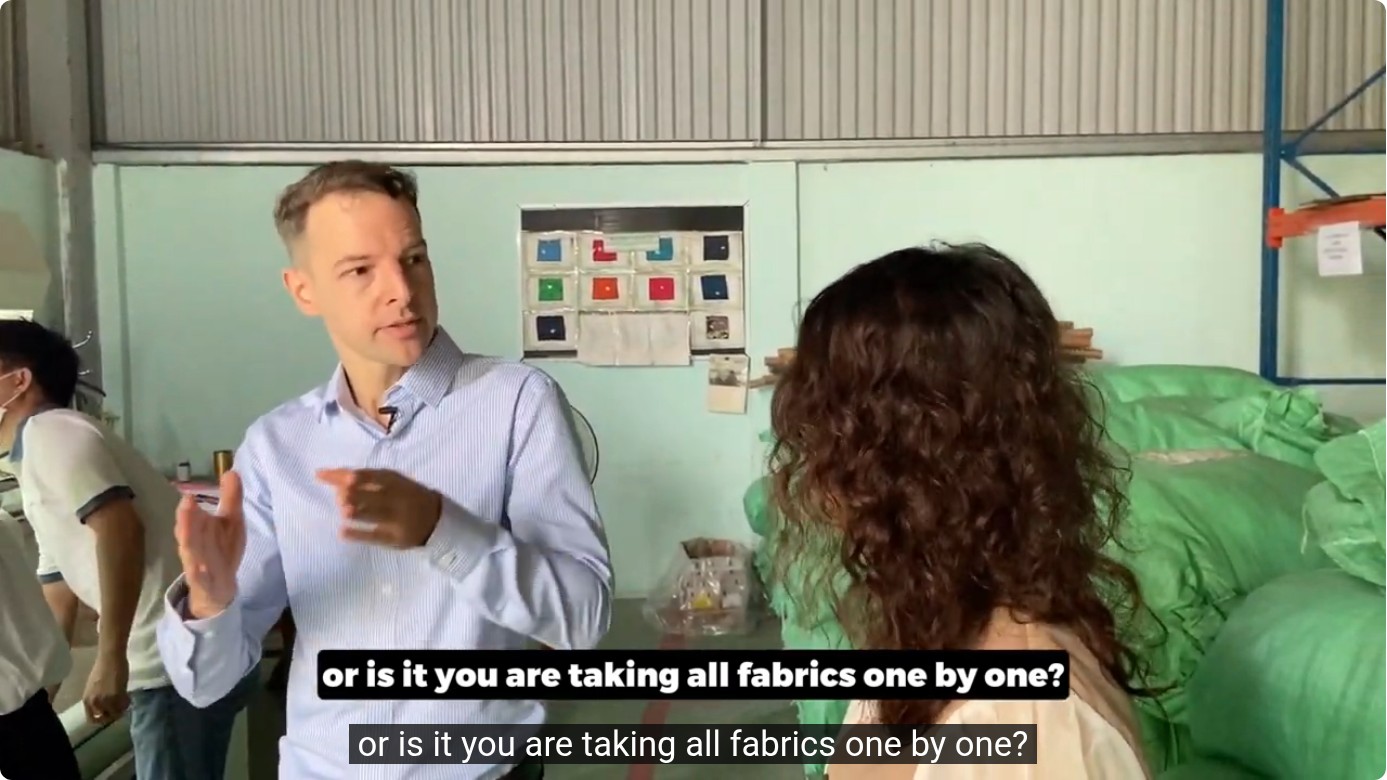
- Sampling: A factory will produce 1-3 sample shirts (a “proto” or “pre-production” sample) using your approved fabric and artwork. This is a crucial paid step to verify fit, fabric hand, and print quality before committing to the full run. Always approve a physical sample.
- Main Production: Once the sample is approved, the factory sources bulk fabric, cuts the patterns, prints the panels (often before assembly for all-over prints), and sews the garments. Lead times can range from 4-8 weeks depending on factory capacity and order size.
- Quality Control (QC):strong>: A good factory will perform inline QC during sewing and a final inspection before shipment. Ask about their QC criteria and defect rate policies.
MOQs vary significantly by factory. Some specialize in low minimums (e.g., 50 pcs) for startup brands, while others require 500+ pcs for efficiency. Be transparent about your budget and quantity targets from the start.
Sublimation vs. Other Customization Methods
Is sublimation always the best choice for your custom polo? Compare it to the primary alternative for polyester: embroidery.
| Feature | Sublimated Polo | Embroidered Polo |
|---|---|---|
| Best For | Complex, full-color graphics, all-over patterns, photorealistic designs. | Simple, bold logos (1-3 colors), text, classic corporate/brand identity. |
| Feel & Texture | Smooth, no texture. Design is dyed into fabric. | Stiff, raised texture where stitches are. Can feel less breathable in dense areas. |
| Durability | Extremely high. Design is permanent and wash-fast. | Very high, but threads can break or snag over time with heavy use. |
| Color Range | Unlimited, including gradients and photographs. | Limited by thread colors. Matching specific PMS colors can be challenging. |
| Cost Driver | Fabric quality, shirt style, order volume. | Number of stitches (stitch count), thread changes, number of logo placements. |
| Ideal Fabric | Light-colored polyester. | Works on polyester, cotton, blends, twill, denim. |
For many modern brands, the answer is often both. A common and premium approach is a sublimated all-over print body with an embroidered logo on the chest. This combines the visual impact of a custom graphic with the tactile, prestigious feel of embroidery. Discuss this hybrid option with your manufacturer.
Final Questions to Ask Before You Order
Before finalizing your custom sublimated polo shirt order, run through these key questions with your supplier:
- Can you provide physical fabric swatches and a printed sample of my exact design on the chosen fabric?
- What is your standard warranty or policy on print defects (e.g., ghosting, color inconsistency) for bulk orders?
- Do you handle the fabric sourcing, or must I provide it? What is the typical lead time for sourcing a specific performance fabric?
- What are your payment terms? (Typically 30-50% deposit to start production, balance before shipment).
- Can you provide references or examples of past sublimated polo work similar to my project?
- What is your process if the final bulk order has a fit or quality issue discovered upon arrival?
If you’re looking to source or customize any of the styles mentioned above, our factory offers low MOQ OEM/ODM production with full sampling support. Get a free quote today.
Related guide: The Fabric of the Game: A Complete Guide to Jersey Materials for Brands & Buyers
[…] hand-feel and full-color fidelity. For a deeper dive on full-panel printing, see our article about custom sublimated polo shirts. The catch: sublimation requires white or light polyester; you cannot do it on cotton […]