
For any brand, team, or retailer entering the custom apparel space, the “t-shirt” is not a single product—it’s a category of dozens of distinct garments. The type you choose fundamentally dictates your cost, your customization potential, your customer’s comfort, and ultimately, your product’s perceived value. A heavyweight, garment-dyed tee for a streetwear label is a different animal from a moisture-wicking, tagless tee for a gym apparel line. Understanding these variations is the first step in sourcing a product that aligns with your brand’s vision and your customers’ expectations.
This guide breaks down the primary t-shirt constructions, fits, and fabrications from a manufacturing and sourcing perspective. We’ll move beyond superficial style names to examine the structural and material differences that matter when you’re planning a production run, whether it’s 50 pieces or 5,000.
Quick Reference: T-Shirt Type Decision Factors
Before diving into specifics, orient yourself with this overview of the key decision axes that define a t-shirt’s character and production profile.
More advice: The Sonic Soccer Ball: A Sourcing Guide for High-Visibility & Tech-Enhanced Play
| Primary Axis | Key Options | Impact on Customization & Sourcing |
|---|---|---|
| Fabric Construction | Jersey (single knit), Interlock (double knit), Rib knit | Affects drape, stability for printing/embroidery, and cost. Jersey is standard; interlock is more stable and premium. |
| Fabric Weight | Lightweight (under 150 GSM), Mid-weight (150-200 GSM), Heavyweight (200+ GSM) | Heavier weights feel more premium, are better for embroidery, but cost more in material and shipping. Lighter weights are cheaper and more breathable. |
| Fit Profile | Slim, Regular/Classic, Relaxed, Oversized | Must be specified with precise measurements. “Slim” varies wildly between brands. Provide your own spec sheet for OEM/ODM. |
| Core Fiber | 100% Cotton (various staple lengths), 100% Polyester, Cotton/Poly Blends (e.g., 60/40, 50/50) | Dictates print method compatibility, shrinkage, hand feel, and moisture management. Blends offer a balance of properties. |
| Neckline Style | Crew Neck, V-Neck, Scoop Neck, Henley (button placket), Raglan | V-necks require precise grading for sizing. Henleys and raglans involve more pattern pieces and sewing steps, increasing cost. |
| Special Finishes | Garment-dyed, garment-washed, pigment-dyed, brushed fleece (for heavier) | Adds unique character and premium feel but introduces variables in color consistency and requires experienced factory partners. |
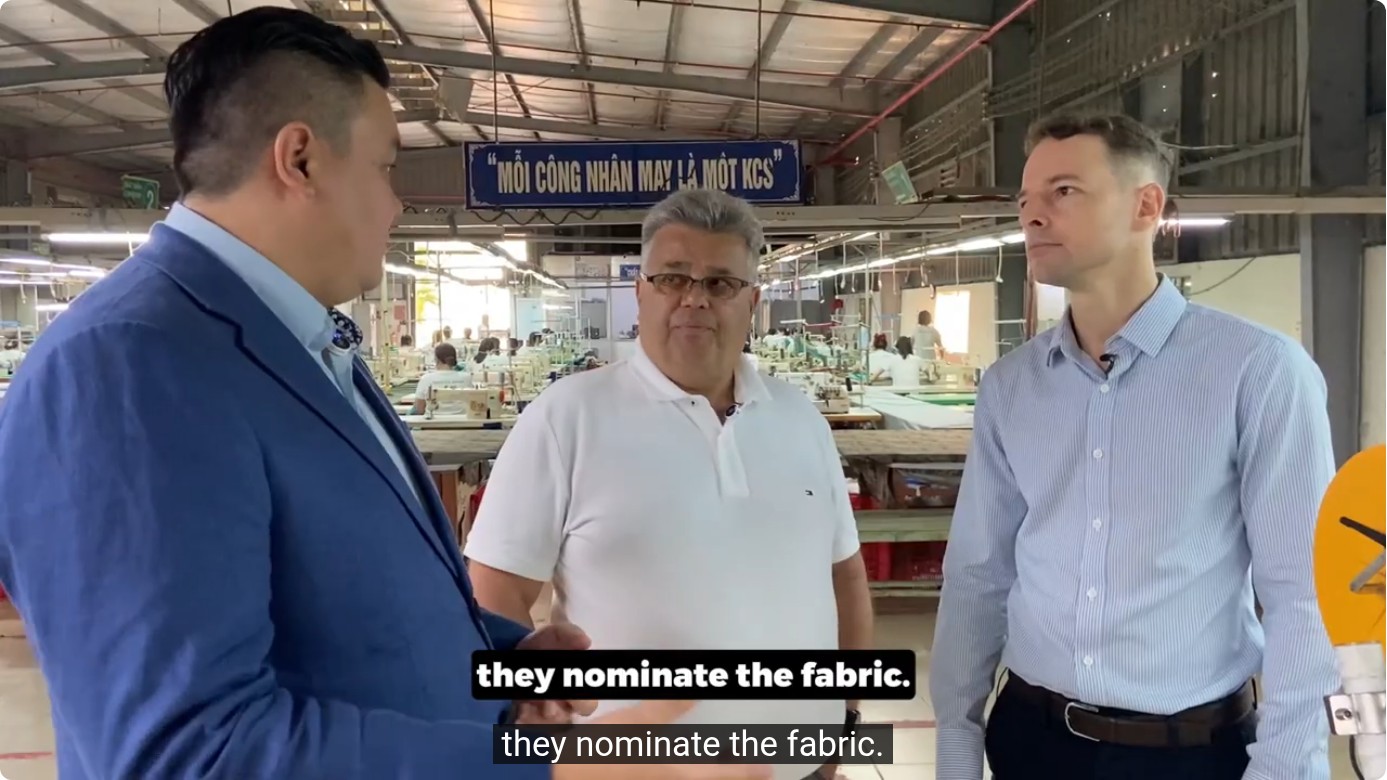
When requesting quotes, a factory will need clarity on most of these axes. Vagueness like “a nice quality tee” leads to inconsistent samples. The following sections detail each axis.
1. By Fabric Construction & Knit Structure
The knit structure is the foundational engineering of the shirt. It determines how the fabric behaves, stretches, and recovers.
Jersey Knit
The most common and economical construction. Made on a single needle bed, it has a smooth face and a purl (loopier) back. It’s lightweight, drapes well, and is easy to sew.
- Best for: Basic tees, fashion basics, large-volume runs.
- Customization Note: Can be prone to “show-through” of prints on lightweight versions. Stable enough for screen printing and DTG; embroidery is possible on mid+ weight.
- Sourcing Tip: Ask about the jersey type: carded (standard, economical, can feel rougher), combed (softer, stronger, more expensive), or ring-spun (softer still, with a characteristic textured hand). Ring-spun jersey is the industry standard for premium basics.
Interlock Knit
A double-knit fabric where two jersey layers are interwoven. It’s thicker, more stable, has less shrinkage, and shows minimal curling at the hem and cuff. Feels denser and more substantial.
- Best for: Premium basics, loungewear, garments where structure and durability are key.
- Customization Note: Excellent stability for all print methods and embroidery. Less risk of ink bleed.
- Sourcing Tip: Interlock typically costs 20-40% more than standard jersey due to material and slower knitting speeds. It’s a clear upgrade for brands targeting a higher price point.
Rib Knit
Features vertical ridges (ribs). Highly elastic and recoverable. Almost exclusively used for cuffs, collars, and necklines on crew and V-neck tees to provide a snug, stretchy fit that holds its shape.
- Best for: Neckline and cuff detailing on quality tees.
- Customization Note: Not used for the main body. The rib content (e.g., 1×1, 2×1—referring to rib pattern) affects elasticity. 1×1 is standard and most elastic.
- Sourcing Tip: A cheap tee will often use a simple, flimsy jersey band instead of proper rib knit, leading to a stretched-out neck. Specify “rib knit collar and cuffs” in your tech pack.
2. By Fit & Cut
This is where brand identity truly lives. A “slim fit” from one pattern maker can be a “regular fit” from another. For custom production, you must provide measurements or a trusted reference garment.
Slim Fit
Tapered through the body and arms with a narrower shoulder and a shorter, higher armhole. Creates a modern, tailored silhouette.
- Considerations: Less forgiving for diverse body types. Requires precise pattern making to avoid pulling. Can feel restrictive for active uses.
- Best For: Fashion-leaning brands, performance-inspired casual wear where a sleek look is desired.
Regular/Classic Fit
The traditional, straight-cut tee with more room through the chest, waist, and arms. A comfortable, universal fit.
- Considerations: The safest bet for broad audiences (sports teams, corporate events, general retail). Less risk of fit complaints.
- Best For: Wholesale to retailers, team uniforms, event merch, and brands targeting everyday comfort.
Relaxed & Oversized Fits
Deliberately loose, with dropped shoulders (in oversized) and longer body length. Fashion-forward, influenced by streetwear and skate culture.
- Considerations: Pattern grading becomes more critical to maintain the intended silhouette across sizes. Fabric choice matters—a stiff heavyweight won’t drape like a soft slubby jersey.
- Best For: Streetwear labels, festival apparel, brands chasing contemporary trends.
3. By Fabric Weight (GSM)
GSM (grams per square meter) is the universal metric for fabric density. It’s the single biggest driver of hand feel and perceived quality.
| Weight Category | GSM Range | Characteristics & Common Use |
|---|---|---|
| Lightweight | 120 – 150 GSM | Very soft, drapey, breathable. Can be translucent. Common in fast-fashion basics and summer-specific tees. Lower durability. |
| Mid-Weight | 160 – 185 GSM | The “sweet spot” for most custom projects. Good balance of comfort, durability, and print opacity. Standard for most US/European basics. |
| Heavyweight | 200 – 240+ GSM | Substantial, structured, durable. Minimal show-through. Premium hand feel. Common in Japanese/U.S. heritage brands. Higher material cost and shipping weight. |
Manufacturing Note: Heavier fabrics are generally more expensive not just per yard, but per garment due to increased material consumption and sometimes slower machine sewing speeds. They are, however, more forgiving for embroidery as they provide a stable base that won’t pucker.
4. By Core Fiber & Blends
The fiber composition dictates care, performance, and customization compatibility.
100% Cotton
The classic. Breathable, comfortable, and widely accepted. However, it shrinks (unless pre-shrunk), wrinkles, and can hold moisture.
- Variants: Combed Cotton (softer, stronger), Ring-Spun Cotton (softest, best hand), Pima/Supima® Cotton (extra-long staple, softer, more durable). Supima® is a licensed, traceable premium fiber—using it is a strong marketing claim.
- Printing: Excellent for screen printing and DTG. Pre-treatment for DTG is straightforward.
Cotton/Polyester Blends
The workhorse of performance and casual wear. Blends like 60/40 or 50/50 combine cotton’s comfort with polyester’s moisture-wicking, wrinkle resistance, and shape retention.
You may also like: The Complete Guide to Tank Top Styles for Custom Sportswear
- Considerations: The feel is less “natural” than 100% cotton. Poly content can cause dyeing inconsistencies (heather effects).
- Printing: Screen printing is fine. DTG on polyester blends requires specific polyester-friendly inks and pretreatment, which adds cost and complexity. Always confirm your factory’s capability.
100% Polyester
Highly technical. Wicks moisture exceptionally, dries fast, and is very colorfast. Can feel slimy or plasticky to some consumers.
- Best For: Athletic apparel, workwear, hot climates.
- Critical Sourcing Note: DTG on 100% polyester is notoriously difficult. It requires specialized inks (often sublimation-transfer is used for all-over prints instead) and expert pretreatment. Screen printing with discharge inks is an option but has limitations. If your design is complex and multi-colored, polyester may not be viable for DTG. Discuss alternatives like sublimation printing on white polyester (the ink dyes the fabric, no feel) or heat transfer vinyl (HTV).
5. By Neckline & Style Variations
These are the most common style distinctions buyers request.
Crew Neck
The standard round neck. The baseline. Available in every fabric and fit.
V-Neck
Features a V-shaped dip. Can be shallow or deep. Requires careful pattern grading so the V shape scales proportionally across sizes. A poorly graded V-neck will look awkward on larger sizes.
Raglan (3/4 Sleeve)
Distinctive T-seam running from the collar to the underarm. Creates a “baseball tee” silhouette. The body is often a contrasting color to the sleeves.
- Production Impact: More complex pattern and sewing (two sleeve pieces, one body piece with raglan seam). Higher labor cost than a standard set-in sleeve tee.
Henley
A placket with 2-5 buttons (usually 3-4). No collar. Can be short-sleeve or long-sleeve. Feels more utilitarian and casual.
- Production Impact: The placket adds significant sewing steps (buttonhole placement, button attachment, placket finishing). A major cost driver versus a simple crew neck.
6. Special Finishes & Garment Treatments
These post-knitting or post-sewing processes create unique aesthetics and hand feels, often commanding a premium.
- Garment-Dyed: The *completed garment* is dyed, not the fabric. Creates a softer, more lived-in feel and subtle color variations (heather, vintage look). Requires careful color matching as results can vary batch-to-batch. Popular in premium basics.
- Garment-Washed: The sewn tee undergoes a wash process (often with softeners, stones, or enzymes) to pre-soften the fabric and reduce shrinkage. Adds cost but delivers an immediate premium hand.
- Brushed Fleece (for Heavyweights): The inside of a heavyweight jersey is brushed with fine wires to raise the fibers, creating a soft, fleece-like nap. This is what gives a “comfy” heavyweight tee its signature feel.
Sourcing & Production Decision Guide
When evaluating a factory for your custom tees, use this checklist to ensure alignment.
- Define Your Fit First: Provide a tech pack with precise measurements (chest width, body length, sleeve length) or a physical sample garment. Never rely on terms like “slim fit” alone.
- Match Fabric to Print Method: If your design is complex with gradients, confirm the factory’s DTG capability on your chosen fabric (cotton vs. blend vs. polyester). For large, simple designs, screen printing is cost-effective on almost any fabric.
- Consider Weight for Brand Positioning: Are you a value brand (lightweight to mid-weight), a premium basics brand (mid to heavyweight), or a technical brand (performance blends)? Your GSM choice communicates this.
- Request Multiple Fabric Swatches: Don’t just approve a color. Feel the hand, check the stretch, and examine the knit structure. A factory should provide fabric swatches before cutting.
- Ask About Minimums for Special Finishes: Garment-dyeing and garment-washing often have higher MOQs (e.g., 500+ pieces) due to the batch process. Standard jersey dyeing has lower MOQs.
- Clarify Labeling & Tagging Options: Can they do tear-away labels? Custom mill labels? This is a key branding detail for many brands.
Common Questions from Buyers & Brands
What’s the difference between jersey and interlock? Which is better?
Jersey is single-knit, lighter, and more drapey. Interlock is double-knit, thicker, and more stable. Neither is universally “better.” Jersey is standard and cost-effective. Interlock is a premium upgrade for a denser, more structured feel and better print stability. Choose based on your target price point and desired hand feel.
Is 100% cotton always the best choice for DTG printing?
For the most consistent, vibrant results with the least hassle, yes, high-quality 100% cotton (especially ring-spun) is ideal for DTG. Blends work but require more expertise and pretreatment. Polyester is problematic for DTG and often requires alternative methods like sublimation or specialized polyester inks, which may not achieve the same color vibrancy.
How do I ensure my “slim fit” is consistent across a size range?
Never rely on the factory’s standard “slim” pattern. You must either (1) supply your own graded pattern and spec sheet, or (2) purchase a sample garment from a competitor whose fit you admire and send that exact physical sample to the factory to use as their pattern baseline. This is non-negotiable for fit-critical brands.
What fabric weight is considered “premium” for a basic tee?
While it varies by market, in most Western markets, a mid-weight jersey of 180-200 GSM (especially if ring-spun combed cotton) is the baseline for a “premium basic.” Moving into 220+ GSM heavyweight territory (often with a brushed interior) is where you enter the “heritage” or “luxury basics” segment. A 140 GSM tee will feel thin and cheap by comparison.
Should I choose garment-dyed or piece-dyed fabric?
Piece-dyed (fabric dyed before sewing) offers superior color consistency, lower cost, and lower MOQs. Garment-dyed (dyeing the finished shirt) offers a unique, soft, vintage aesthetic with inherent variation. If color consistency is paramount (e.g., for a team uniform), choose piece-dyed. If unique character and hand feel are the priority for a fashion line, garment-dyed is worth the cost and complexity.
If you’re looking to source or customize any of the styles mentioned above, our factory offers low MOQ OEM/ODM production with full sampling support. Get a free quote today.
Helpful tip: How to Start a Swimwear Business: A Sourcing & Manufacturing Guide for Brands